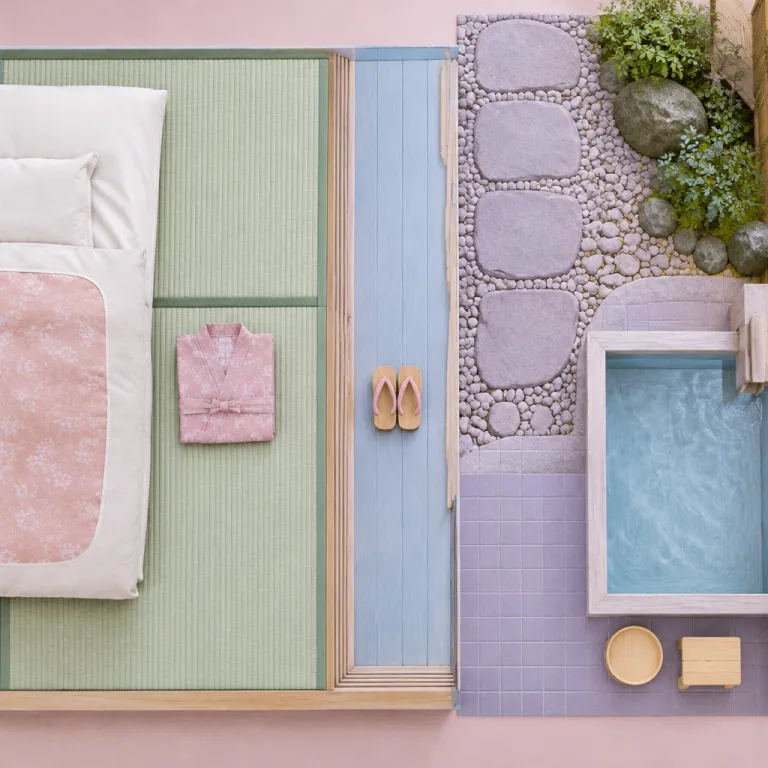
The quiet luxury of flooring in a ryokan stay
Flooring in a ryokan shapes your first impression long before the bath. In a traditional Japanese inn, the transition from outdoor shoes to indoor slippers and finally to directly tatami under bare feet signals that your stay has truly begun. This subtle choreography of floor surfaces prepares guests for the calm, slow rhythm of a Japanese hot spring retreat.
Every serious Japanese ryokan treats its floor as a design statement and a cultural promise. From the polished wood at the entrance to the soft tatami floor in the guest rooms, each material guides the guest toward rest, reflection, and the spring bath beyond. When you compare different ryokan rooms on a luxury booking website, paying attention to flooring details can tell you more about the inn’s style than any marketing phrase.
In many high end ryokan in Japan, the public areas use warm timber flooring that contrasts with the woven tatami mats in the private room. This contrast helps guests feel the boundary between social spaces, where meals and tea may be served, and the intimate tatami room where the futon will be laid out at night. Looking at how each inn uses floor materials gives you a clearer sense of whether you are booking a minimalist mountain retreat, a design focused private onsen ryokan, or a more conventional hot spring hotel.
Tatami rooms, futon comfort, and how to read floor plans online
When a booking page mentions a tatami room, it is describing more than a decorative choice. Tatami mats are tightly woven rush grass panels that regulate humidity, cushion each step, and give traditional Japanese guest rooms their signature scent. For many international guests, the first contact with tatami flooring in a ryokan becomes the moment when Japan finally feels real.
Luxury Japanese inn listings often specify the size of the tatami room in mats rather than in square metres. A small six mat ryokan room feels intimate and perfect for a solo guest or a couple, while larger tatami rooms of ten or twelve mats suit families or groups who want to share the same space. When you see the phrase room tatami in a description, it usually signals that the futon will be placed directly on the tatami floor rather than on raised beds.
Some premium Japanese style properties now offer hybrid guest rooms that combine a Western bed area with a tatami corner. This layout lets one guest enjoy a soft bed while another prefers to sleep on a futon on directly tatami, which can be kinder to the back for some people. For more context on how textiles and textures shape a stay, you can read about the role of cotton yukata in a Japanese hot spring stay on this detailed guide : how cotton yukata elevate your Japanese hot spring stay.
From entrance to hot spring bath: the choreography of floors
A carefully designed flooring ryokan leads you step by step from the entrance to the hot spring area. You arrive at the inn, remove your shoes on the cool stone floor of the genkan, then slip into soft slippers that glide over polished wood toward your room. This sequence is not accidental ; it is a traditional Japanese way of separating the outside world from the intimate realm of the ryokan experience.
Inside the guest rooms, sliding doors usually separate the main tatami room from a small antechamber with different flooring. This small space may use wood or vinyl to handle luggage and wet items, protecting the tatami mats from damage and preserving the clean, dry feel underfoot. When you move toward the indoor spring bath or the open air hot spring, you will often change again into special sandals designed for humid floors.
Modern luxury ryokan provide clear signage and staff guidance so that every guest understands where each type of footwear belongs. The path to the communal bath might shift from wood to tile to textured stone, each floor chosen for grip and safety when guests return from a hot spring soak. For a deeper look at how bathing spaces are evolving, see this analysis of how social media is reshaping the bath environment : how social media is reshaping the bath you walk into.
Design details that matter when choosing a Japanese hot spring inn
On a luxury booking website, flooring in a ryokan can be the quiet clue that separates a simple hotel from a deeply traditional Japanese inn. Look closely at photos of guest rooms and corridors ; the presence of continuous tatami floor, natural wood, and carefully maintained stone often signals a property that invests heavily in craftsmanship. By contrast, extensive carpet or generic tiles may indicate a more conventional hotel style stay, even if the property still offers a hot spring bath.
Many high end Japanese ryokan now highlight their flooring choices in room descriptions because informed guests actively seek this information. You might see phrases such as full tatami room, mixed flooring guest rooms, or barrier free floor design for easier movement. These details matter if you travel with older family members, if you have mobility concerns, or if you simply prefer not to sit directly on tatami mats for long meals.
Some ryokan rooms feature low tables with sunken leg wells, allowing guests to enjoy traditional Japanese meals on tatami while sitting more comfortably. Others provide chairs on a raised wood floor beside the tatami area, blending Japanese style with modern ergonomics. When you compare options, consider whether you want to sleep on a futon on directly tatami, on a raised bed over wood flooring, or in a room that offers both choices.
Open air decks, spring baths, and the meeting of water and floor
In hot spring resorts, the transition between indoor flooring and outdoor surfaces around the open air bath is one of the most sensitive design moments. A well planned Japanese ryokan uses non slip stone or textured tile on the floor near the spring bath, then softer wood or bamboo decking where guests pause to cool down. This layered approach keeps the path safe when feet are wet while preserving a natural, elegant look.
Premium ryokan provide clear drainage channels and slightly sloped floors so that hot mineral water never pools where guests walk. In guest rooms with private open air baths, you will often see a small dry zone in wood or composite material between the sliding doors and the bath edge. This detail protects the interior tatami room from moisture while letting the guest move easily between the indoor space and the outdoor hot spring.
Some luxury properties in Japan now integrate underfloor heating beneath stone or tile near the bath, keeping the floor pleasantly warm even on cold nights. After a long soak in a hot spring, stepping onto a gently heated floor feels indulgent and practical at once. When browsing photos, look for close ups of the floor around the bath, because these images reveal how seriously the inn treats both safety and comfort.
How flooring choices influence service, meals, and everyday comfort
Flooring in a ryokan does not only affect how a room looks ; it shapes how staff move, how meals are served, and how quietly the inn operates. On tatami floors, staff walk with measured steps, and rolling carts are rarely used, which keeps noise levels low during your stay. This is one reason why many guests describe a traditional Japanese inn as unusually calm, even when it is fully booked.
When ryokan provide in room kaiseki meals, the layout of the floor becomes part of the choreography of service. Staff need enough clear tatami floor space to set low tables, arrange dishes, and later roll out the futon without moving heavy furniture. In some ryokan rooms, a small wood floored alcove near the window is reserved for tea, snacks, or even a late night ice cream, keeping food away from the main sleeping area.
Hybrid flooring guest rooms, which combine tatami mats with wood or engineered flooring, allow staff to handle luggage and cleaning equipment more easily. This mix also helps guests who are not used to sitting on the floor for long periods, since chairs can be placed on the hard surface while the tatami room remains uncluttered. When you read reviews, pay attention to comments about noise, comfort, and how smoothly meals were served, because these often reflect the underlying floor design.
Reading between the floorboards: what photos reveal on booking sites
For travellers comparing luxury hot spring options online, learning to read flooring details in photos is a powerful skill. A truly traditional Japanese style property will usually show guest rooms with uninterrupted tatami mats, low furniture, and sliding doors that open to a veranda or garden. In contrast, a more modern hotel near a hot spring might show raised beds, thick curtains, and carpeted floors, even if it still calls itself a Japanese inn.
Look for images where the camera angle includes both the floor and the transition to the corridor or balcony. If you see a clear step up from wood to tatami, you are likely looking at a classic ryokan room layout that respects long standing Japanese design rules. When the floor appears level from corridor to room, with only a change in material, the property may be aiming for a barrier free experience that suits guests with mobility needs.
Some booking sites now highlight design forward properties where the flooring ryokan concept is pushed in new directions. You might find a feature on an inn that replaces in room kaiseki with Italian dining while still preserving tatami rooms and hot spring access, as discussed in this analysis of changing ryokan culture : what Hoshino’s boldest bet means for ryokan culture. When you evaluate such properties, ask yourself whether the floor materials, room tatami layout, and bath access still align with the ryokan experience you want from your stay.
Key figures about Japanese ryokan design and flooring
- According to the Japan Tourism Agency’s 2023 accommodation statistics (see the “Accommodation Travel Statistics Survey” summary tables on the Japan Tourism Agency website), there are just over 35,000 ryokan style properties and small traditional inns across Japan, and a significant share still use full tatami flooring in guest rooms, which signals how strongly traditional Japanese design remains embedded in the sector.
- Surveys by the Japan Ryokan and Hotel Association in the early 2020s (reported in the association’s annual trend summaries available on its official site) indicate that a growing percentage of new or renovated properties adopt hybrid flooring, combining tatami with wood or tile, to better accommodate international guests who are less accustomed to sleeping on futon on directly tatami.
- Industry reports from the Japan Tourism Agency (including regional hot spring tourism briefs published between 2021 and 2023) show that properties offering private open air hot spring baths in guest rooms can command nightly rates significantly higher than standard rooms, and the quality of flooring around these baths is often highlighted in guest reviews.
- Accessibility guidelines promoted by Japanese prefectural governments, such as barrier free design handbooks issued by tourism and construction departments, encourage barrier free floor transitions in new ryokan construction, which has led to an increase in level flooring between corridors, guest rooms, and baths in many premium hot spring inns.
FAQ about flooring in a ryokan
Is it acceptable to wear slippers on tatami floors in a ryokan ?
In most traditional Japanese ryokan, you should not wear slippers on tatami floors. Guests usually remove slippers before stepping onto the tatami room area and walk in socks or bare feet. This practice protects the tatami mats and preserves the clean, soft feel underfoot.
What is the difference between a tatami room and a Western style room ?
A tatami room uses woven tatami mats as the main flooring, with low tables and futon bedding placed directly on the floor. A Western style room in a Japanese inn typically has wood, carpet, or composite flooring and raised beds. Many modern ryokan offer mixed rooms that combine both styles to suit different guest preferences.
Are futon beds on tatami comfortable for people used to Western mattresses ?
High quality futon on tatami can be very comfortable, especially when the inn regularly airs and refreshes the bedding. The slight firmness of the tatami floor beneath the futon supports the body differently from a soft mattress. If you are unsure, consider booking a room that offers both futon and Western beds so you can choose each night.
How does flooring affect safety around hot spring baths ?
Flooring near hot spring baths is usually made from non slip stone, tile, or textured materials to reduce the risk of slipping when wet. Many ryokan design gentle slopes and drainage channels so that water does not pool where guests walk. When booking, look for photos that show the bath area floor, especially if you travel with children or older family members.
Can guests with mobility issues stay comfortably in a traditional ryokan ?
Many modern ryokan now offer barrier free rooms with level flooring, fewer steps, and accessible baths. Some properties provide guest rooms that combine tatami with hard flooring so that wheelchairs or walkers can move more easily. When using a booking website, filter for accessibility features and read room descriptions carefully to ensure the layout matches your needs.