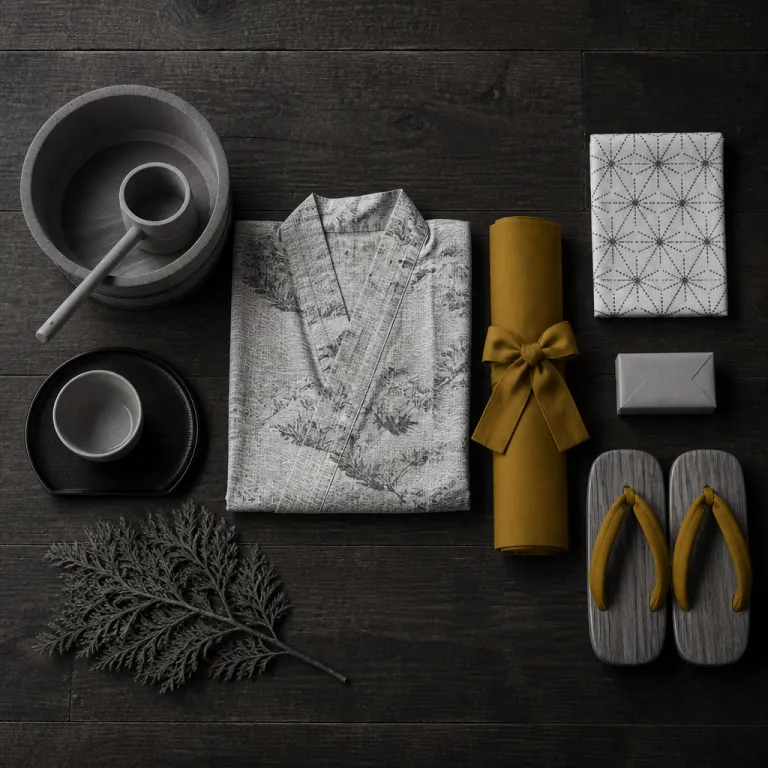
Why a cotton yukata defines true hot spring luxury
Stepping into a Japanese hot spring inn, the first tactile luxury is often the cotton yukata waiting neatly folded in your room. This lightweight Japanese kimono-style garment is crafted for summer ease, yet in premium ryokan it becomes a design statement that frames your entire stay. A well-chosen yukata in soft cotton turns the walk from your tatami room to the steaming baths into a quiet ritual of comfort.
Unlike a formal kimono, a cotton yukata is intentionally casual and unlined, which makes it perfect for moving between indoor corridors, open-air rotenburo, and seasonal kaiseki dinners. Historically worn after bathing, the yukata kimono has evolved into a symbol of relaxed refinement in Japan, and luxury inns now curate patterns and colors as carefully as they select ceramics or washi lighting. When you book a premium hot spring property, the quality, cut, and pattern of both men’s and women’s yukata tell you immediately how seriously the inn takes guest experience.
For travelers comparing options on a booking website, pay attention to photos that give a clear view of the yukata wardrobe rather than only the baths. Look for descriptions that specify cotton rather than synthetic blends, because pure women’s cotton and men’s cotton fabrics breathe better against the skin after a long soak. A clear indication of regular price and whether upgraded yukata are sold on site, often around a typical price of 10,000–15,000 yen (roughly 70–110 USD) according to listings from major department stores and ryokan boutiques, is another subtle marker of a property that treats this garment as part of its core design language rather than a generic amenity.
Patterns, colors, and how they shape your onsen mood
Color and pattern on a cotton yukata do more than look pretty in photos; they set the emotional tone of your entire hot spring retreat. Many luxury inns commission exclusive designs where a single indigo blue brushstroke or a delicate cherry blossom motif echoes the surrounding landscape. When you scroll through a booking gallery, notice how the blue, black, and white palettes of both yukata for women and men’s yukata mirror the inn’s architecture and the season.
Traditionalists may gravitate toward deep indigo blue on white, a classic combination that references old Japanese dyeing techniques and reads as quietly elegant in candlelit corridors. Others prefer a kimono white base with a light blue or soft gray pattern, which feels like a kimono light version of formal wear and suits a casual summer stay. Some contemporary properties experiment with yukata abstract designs, where stylized sakura cherry petals, flowing water lines, or geometric stone motifs echo the curves of the open-air baths described in many rotenburo design surveys and field guides.
For women, cotton yukata with a subtle flower pattern or scattered cherry blossom print can feel both feminine and restrained, especially when the colors stay within a blue and white spectrum. Japanese men often choose darker men’s yukata in black or charcoal with a fine stripe or understated abstract motif, which photographs beautifully without drawing attention away from the scenery. When a booking site lets you zoom for a close view of the weave and pattern, use that feature to assess fabric density and print precision, because the material’s depth and dye clarity reveal whether the garment will still look refined in personal travel albums or social media posts after multiple wears.
Fabric, cut, and comfort after the bath
After a long soak in mineral-rich water, your skin is warm and sensitive, so the fabric of your cotton yukata matters as much as thread count in a luxury bed. High-end Japanese hot spring inns work with artisans and textile suppliers who specialize in breathable cotton weaves that feel almost like air against damp skin. This is where the difference between a regular yukata and a thoughtfully designed summer kimono becomes obvious the moment you slip it on.
Look for booking descriptions that mention lightweight cotton, sometimes called kimono light, which indicates a thinner yet durable weave ideal for humid summer nights. A good cotton yukata should wrap smoothly without bulk, with enough overlap in front for both women’s and men’s styles to feel secure while walking to shared baths or lounging in a washitsu room with tatami, as explored in depth in this article on washitsu floor covering and true Japanese hot spring luxury. When the cut is right, the garment falls in clean vertical lines, flattering different body types without needing tailoring.
Premium properties often differentiate between a more structured Japanese kimono style for formal dining and a softer, casual summer yukata for in-room relaxation, both usually included in the regular price of the stay. Some inns also offer upgraded women’s cotton and men’s cotton sets for purchase, clearly marked with a higher price in yen and USD, for guests who want to take the exact same comfort home. Whether you choose a kimono white base, a light blue stripe, or a soft gray tone, the key is that the cotton feels cool, the seams lie flat, and the sleeves allow easy movement when you sit cross-legged on tatami or stand on a balcony to view the mountains.
Gender, sizing, and etiquette for wearing yukata
Understanding how a cotton yukata is sized and worn will help you choose the right hot spring inn and feel at ease once you arrive. Most luxury properties in Japan provide separate cuts for yukata for women and men’s yukata, with women’s versions slightly shorter in sleeve length and sometimes featuring a more pronounced flower or cherry blossom pattern. Japanese men usually receive darker tones with straighter lines, while women’s cotton designs may include softer hues such as light blue or gentle gray with sakura cherry accents.
On a booking website, check whether the inn lists multiple sizes rather than a single regular size, because a true premium property will stock a full run from petite to tall for both genders. As a rough guide, the hem should reach the ankle for most women and sit just above for most men, while the obi belt should wrap twice comfortably without feeling tight. When you arrive, staff will usually show you how to cross the left panel over the right, which is the correct way for living guests in Japanese culture, while the reverse is reserved for funerary kimono.
Etiquette is relaxed but not careless; a cotton yukata is casual, yet in a refined environment it replaces streetwear in public spaces. You can wear your summer kimono-style garment to dinner, to the lounge, and even outside for a short stroll if the inn is in a quiet onsen town in Japan. Many guests appreciate that this shared dress code creates visual harmony, so your own photos and memories feel cohesive, with coordinated blue, black, and white silhouettes moving through lantern-lit corridors.
How booking sites present yukata design as part of the stay
On a luxury booking platform dedicated to Japanese hot spring inns, the way cotton yukata are presented can signal how thoughtfully the property curates every detail. High-quality listings show not only the baths and rooms but also close-up shots of both yukata kimono and more formal Japanese kimono options laid out on tatami. When you can clearly view the weave, the indigo blue saturation, and the precision of an abstract or cherry blossom pattern, you gain insight into the inn’s overall design standards.
Transparent pricing is another indicator of care; some properties include upgraded designs in the regular price, while others list a separate price in USD for premium women’s cotton or men’s cotton sets that can be bought and taken home. A clear note that these garments are sold at the front desk, along with information about sizes for Japanese men and women, helps you plan whether to pack less and rely on the inn’s wardrobe. When a listing simply mentions “yukata provided” without photos or details, treat that as a cue to look more closely at guest reviews or contact the property for clarification.
Thoughtful booking sites also integrate editorial content about design, such as guides to onsen architecture or features on how stone, steam, and textiles interact, like the analysis of design choices in steam, stone, and silence in hot spring spaces. This context helps you understand why a kimono white base with a subtle blue pattern might be chosen for a riverside inn, while a darker soft gray palette suits a mountain retreat. When you see this level of storytelling around something as seemingly simple as a regular yukata, you can be confident that the property treats every aspect of your stay with similar intention.
From onsen corridor to home wardrobe : buying and caring for yukata
Many travelers fall in love with the feel of a cotton yukata during their stay and want to bring that comfort home. In luxury inns across Japan, selected designs are often sold at reception or in a small shop, usually at a clear regular price that reflects artisan work and quality cotton. Informal comparisons of inn boutiques, department stores, and online kimono retailers suggest that the typical price of cotton yukata is around 10,000–15,000 yen (roughly 70–110 USD), which aligns with what you will see in well-curated onsen properties.
When deciding whether to purchase, examine the fabric weight, the sharpness of any flower or sakura cherry motif, and how the blue, black, or white dyes sit on the cotton surface. A high-quality summer kimono-style garment should feel substantial enough to last for years, yet light enough to remain a true kimono light piece for warm evenings. Remember that “A casual, lightweight cotton kimono worn in summer.” and “Yukata are lighter, made of cotton, and less formal.” are not just definitions but practical reminders of why this garment works so well as loungewear beyond the onsen.
At home, you can style a regular yukata as a casual summer robe, a poolside cover-up, or even a relaxed layer over simple clothing, always respecting that it remains a Japanese cultural garment. Wash it gently in cool water, line dry to preserve indigo blue or light blue tones, and store it folded rather than hung to maintain the clean lines. When you share your experience, consider including a thoughtful note about the inn, the artisans behind your women’s or men’s yukata design, and the way this simple cotton piece continues to connect you to the quiet corridors and steaming baths of your trip.
Key figures about cotton yukata in luxury hot spring stays
- Informal price checks across inn boutiques, major retailers, and online kimono shops show that the typical price of a cotton yukata is about 10,000–15,000 yen (roughly 70–110 USD), which matches what many premium hot spring inns charge for garments sold at reception.
- Historical usage patterns recorded in Japanese costume studies indicate that yukata were traditionally worn after bathing and are now especially common during the summer period, aligning closely with the peak season for many Japanese hot spring destinations.
- Industry commentary from textile trade publications highlights a steady increase in vibrant colors and modern pattern variations, reflecting a broader trend of fusing classic Japanese kimono aesthetics with contemporary casual summer resort wear.
- Anecdotal observations in onsen towns, supported by local tourism board photo surveys, suggest that a high proportion of visitors wear their provided yukata not only inside the inn but also while strolling nearby streets, reinforcing the garment’s role as both practical clothing and a visible part of local culture.
FAQ about cotton yukata in Japanese hot spring inns
What is a cotton yukata in the context of a hot spring stay ?
A cotton yukata in a hot spring inn is a casual, lightweight Japanese kimono-style garment provided for guests to wear after bathing and around the property. It is usually made from breathable cotton that feels comfortable on warm or humid days. In luxury inns, the design, color, and pattern are carefully chosen to match the architecture and landscape.
When is a yukata typically worn during an onsen trip ?
Guests usually wear a yukata immediately after bathing, for walking between indoor and outdoor baths, relaxing in their room, and often for dinner inside the inn. During the summer festival season, many travelers also wear yukata outside the property to attend local events or stroll through onsen towns. This flexible use makes the garment both practical and culturally appropriate throughout the trip.
How does a yukata differ from a formal kimono at a luxury inn ?
A yukata is lighter, made of cotton, and less formal than a traditional silk kimono, which is often lined and more structured. In a luxury hot spring setting, the yukata is intended for casual summer comfort and ease of movement, while any formal Japanese kimono pieces are usually reserved for special ceremonies or photo sessions. The simpler construction of a yukata also makes it easier for international guests to put on without assistance.
Should I buy the same yukata I wore at the inn ?
Buying the same cotton yukata you wore during your stay can be a meaningful way to bring the onsen experience home. If the inn offers garments for sale, check the fabric quality, pattern clarity, and price in USD or yen against the typical market level of around 10,000–15,000 yen (roughly 70–110 USD) for well-made pieces. Choose a design that you will realistically wear as loungewear or a summer robe so it remains a functional reminder of your trip.
Can I wear my yukata outside the hot spring inn in Japan ?
In many onsen towns, it is perfectly acceptable to wear your yukata outside the inn for short walks, visits to nearby shops, or local festivals. Always follow any guidance from the property, and keep the garment neatly tied with appropriate footwear such as geta or simple sandals. In large cities, however, it is more common to reserve yukata for indoor or festival use rather than everyday streetwear.