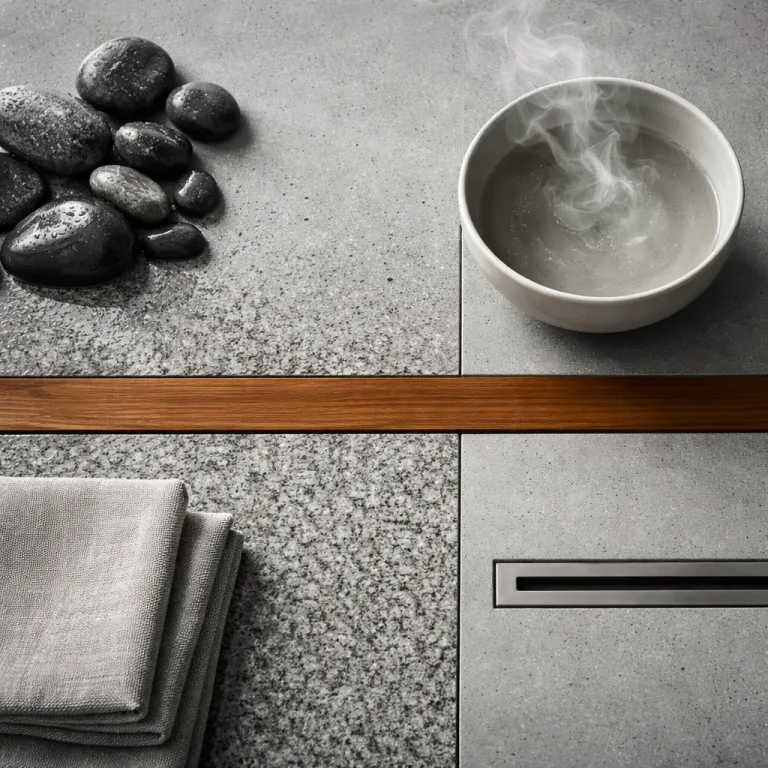
When architecture steps back so the springs can speak
Great hot spring architecture design starts with restraint and ends with memory. The best buildings let the hot spring, the steam and the surrounding landscape carry the story, while the structure almost dissolves into air and shadow. In a well judged hot spring resort, couples feel the water and the silence first, and only later notice how carefully the architecture has been drawn around them.
Architects, engineers and landscape designers now treat every hot springs project as a choreography of senses, not just a construction brief. They use site analysis, environmental assessments and thermal management tools to understand how hot air moves, how spring water cools and where natural mist hot pockets form in the valley. From that data, the design team decides where each onsen pool, each open air bath and each quiet spa corridor should sit so that the experience feels inevitable rather than obviously planned.
Material honesty is the first test of a serious springs resort or spring hotel. Natural materials such as local stone, untreated timber and corrosion resistant metals age with the thermal springs, taking on mineral stains that tell you the water is alive. When you browse hotel photos on a booking website, look for buildings where the structure seems to grow from the rock and the baths appear carved from the same materials as the surrounding cliffs.
One core principle runs through the best hot spring architecture design worldwide. “Natural stones and corrosion-resistant metals” remain the most reliable materials for long lasting baths, while “geothermal heating and insulation techniques” keep the water stable and efficient. These choices may sound technical, yet they directly shape how your skin feels in the onsen and how quietly the building holds its heat through a winter night.
For couples planning a romantic stay, the question is simple but revealing. Does the resort design frame the hot springs as the main event, or does the hotel push a generic spa aesthetic that could sit anywhere. When the answer is the former, you usually see fewer decorative objects, more sky above the pools and a landscape design that pulls the forest, river or sea right to the edge of the water.
Steam as structure: from mist hot atriums to stone framed horizons
Some of the most compelling hot spring architecture design treats steam itself as a building material. At carefully designed geothermal retreats, floating bridges, veiled walkways and mist filled atriums turn vapor into a structural presence that guides you from one pool to the next. This approach shows how a springs resort can use hot air, cool currents and shifting fog to blur the line between interior baths and open air terraces.
Architects working on a serious hot springs project now study how water vapor behaves almost as carefully as they study concrete. They model how hot water evaporates, how wind moves through courtyards and how temperature gradients create natural mist hot zones that can be framed by architecture. When you look at photos of a potential spring hotel, notice whether the steam drifts freely through colonnades and gardens, or whether it is trapped in a generic spa room with no relationship to the landscape.
Minimalist precedents in East Asia and beyond show another path. In these resorts, the design strips back to stone, water and sky, using simple building forms and natural materials to create a sequence of baths that feel almost archaeological. This kind of resort design respects the geology first, then lets the hotel functions quietly fill the remaining space like fine contour lines on a drawing.
For travelers interested in how geothermal architecture can be pushed further, it helps to compare different hot spring hotels through reliable project descriptions, architectural photography and, where available, technical notes from the design team. That same clarity should guide your booking choices when you weigh one springs resort against another. Look for projects where the architecture design uses steam, shadow and reflection as deliberately as it uses stone and glass.
Japan’s best onsen properties often reach similar results with different means. Instead of theatrical mist, they rely on carefully placed open air rotenburo, where the horizon line is framed so precisely that the baths feel like extensions of the mountain itself. In both cases, the architecture and the landscape design work together so that the springs, not the building, remain the memory you take home.
Reading photos like an architect before you book
Most couples will meet a hot spring hotel first through a screen, not a gate. Learning to read photos with an architect’s eye helps you separate deep hot spring architecture design from surface level styling. A few minutes of close looking can tell you whether the building, the baths and the landscape truly work as one experience.
Start with the relationship between water and ground in each image. In strong architecture, the baths sit at natural pauses in the terrain, where the land already dips or the rock already breaks, and the spring water seems to have found its own path. If you see rectangular pools dropped onto flat decks with no dialogue with the surrounding landscape, you are probably looking at a spa retrofit rather than a purpose built springs resort.
Next, trace how you would move through the project from arrival to first immersion. Do corridors open directly to open air courtyards, or do you pass through a maze of closed hotel spaces before reaching the onsen. The more the design allows you to feel changes in air temperature, light and sound as you approach the baths, the more likely the architecture has been shaped around the springs rather than the other way around.
Materials in the photos also tell a clear story about priorities. Natural materials such as local stone, cedar and bamboo signal a long term commitment to the site, while excessive glossy finishes suggest a short term spa trend. When you notice the same stone running from the building façade into the baths and down into the water, you are seeing a deliberate attempt to let the architecture fill the gap between geology and comfort.
For couples who care about the view from the tub, a detailed guide to what separates a good open air bath from a great one can sharpen your eye even further. Pay attention to how railings, eaves and planting frames the horizon in each spring hotel image. If the composition feels calm and the hot springs seem to merge with the wider landscape, you are probably looking at a place where architecture design has been handled with rare precision.
Stone, timber, and the quiet technology behind the water
Behind every serene onsen photograph lies a web of technical decisions. Hot spring architecture design is as much about engineering and thermal management as it is about poetic views. Couples who understand a few basics can choose hotels where the comfort feels effortless because the systems are working quietly in the background.
Engineers and architects collaborate from the earliest sketches to map how hot water will move through the building. They calculate flow rates from the thermal springs, design insulated channels so the spring water arrives at the baths near its natural temperature and specify corrosion resistant materials where minerals are strongest. In many contemporary resorts, individual pools are typically supplied with a steady turnover of fresh spring water, with thermostatic mixing valves and secondary heat exchangers trimming the temperature to a consistent soaking range of about 40 to 42 degrees Celsius, as recommended in various spa and pool safety guidelines. When a hotel respects these constraints, you feel it as stable temperatures, gentle water sound and an absence of chemical smells in both indoor and open air pools.
Ventilation is the other half of the equation. Good resort design uses cross breezes, high clerestory windows and carefully placed vents so that hot air and steam can rise and escape without chilling bathers, while still allowing a soft mist hot veil to linger where it flatters the atmosphere. Poorly considered architecture traps humidity in low ceilings and narrow spa corridors, leaving guests with fogged glasses and tired lungs instead of a clear, restorative experience.
Material choice also shapes how sound and heat behave. Thick stone absorbs and slowly releases warmth from the hot springs, while timber decks under bare feet signal subtle temperature changes as you move between baths. When you see a project where natural materials dominate and the building mass seems to cradle the pools, you can expect a more even, enveloping heat than in a hotel lined with thin tiles and echoing plaster.
Even the most technical decisions ultimately serve intimacy and calm. Eco friendly systems, from energy efficient pumps to low impact insulation, reduce mechanical noise so that you hear only water, wind and the occasional bird over the springs. For couples, that quiet is part of the luxury, and it is the clearest sign that the architecture design team has thought about every layer of the experience, not just the surface aesthetics.
Preserving heritage, pushing form: where history meets the new wave
Hot spring culture sits on a long timeline, from ancient rock pools to contemporary concrete lodges. The most interesting hot spring architecture design today navigates a delicate tension between preserving historic baths and experimenting with new forms. For travelers, this means choosing between properties that lean into patina and those that treat the springs as a canvas for architectural invention.
In Japan, many traditional onsen inns still operate within wooden buildings that have evolved slowly around the same sources of spring water. Here, the architecture is often a palimpsest of eras, with tatami corridors, low beams and small open air terraces added as needs changed. When these inns renovate, the best design teams keep the original baths and structural rhythm, updating only what is necessary for safety, comfort and discreet digital booking systems.
Elsewhere, especially in regions with younger spa traditions, architects use hot springs as anchors for bold new silhouettes. Icelandic geothermal lodges, for example, often employ raw concrete and volcanic stone, allowing the building to echo the surrounding lava landscape while framing the thermal springs in long, horizontal pools. Recent projects in Europe, North America and Australasia show how contemporary resort design can still feel grounded when natural materials and landscape design lead the concept and when technical decisions follow established engineering standards for geothermal facilities.
For couples, the choice between heritage and innovation is not binary. Many of the most satisfying stays happen where a historic spring hotel has added a small wing of contemporary baths, allowing guests to move between time worn stone pools and crisp new architecture in a single evening. When browsing product news or hotel updates, look for language that emphasizes preservation of original baths alongside carefully scaled new building work.
Across all these variations, the constant is respect for the water and the land that feeds it. Whether you are soaking in a centuries old onsen or a newly opened springs resort, the most successful architecture design makes the building feel like a quiet guest of the geology. In those rare places, steam, stone and silence align so completely that you stop thinking about design at all and simply feel held by the springs.
FAQ
How can I tell if a hot spring hotel is well designed from photos ?
Reading the relationship between pools and place. Look for a clear relationship between the baths, the building and the surrounding landscape. Pools that follow the natural contours of the site, consistent use of natural materials and generous open air views usually indicate thoughtful hot spring architecture design. Avoid properties where the spa looks like a generic box dropped onto a deck with no dialogue with the terrain.
What materials indicate a high quality hot spring construction ?
Natural materials that age with the springs. Natural stones and corrosion resistant metals perform best in mineral rich spring water and changing temperatures. Timber, when detailed correctly, adds warmth underfoot and ages gracefully with the baths. These natural materials also absorb sound and heat in ways that make the overall experience calmer and more comfortable.
Are hot springs safe for everyone, including during pregnancy ?
Safety, health conditions and medical advice. Most hot springs are generally safe for healthy visitors when used in moderation and at appropriate temperatures. However, the guidance “Are hot springs safe for all visitors ?” is often answered with cautionary advice such as “Generally, but consult a doctor if pregnant or with health issues.” If you are pregnant or have cardiovascular concerns, always seek medical advice before booking a stay focused on thermal bathing.
What temperature should I expect in a well managed onsen or spa ?
Typical soaking temperatures and comfort. Many managed hot springs aim for water temperatures around 40 to 45 degrees Celsius, which balances therapeutic warmth with safe immersion times. Operators use geothermal heating and insulation techniques to keep these levels stable across different baths. If you are sensitive to heat, choose properties that clearly label pool temperatures and offer cooler options.
Why do some luxury hot spring resorts feel more relaxing than others ?
When architecture, engineering and landscape align. The most relaxing properties integrate architecture, landscape design and thermal engineering into a single, coherent experience. You notice stable water temperatures, quiet mechanical systems, natural materials and views that align perfectly with each bath. When all these elements work together, couples feel an immediate sense of calm that no amount of decorative styling can replicate.