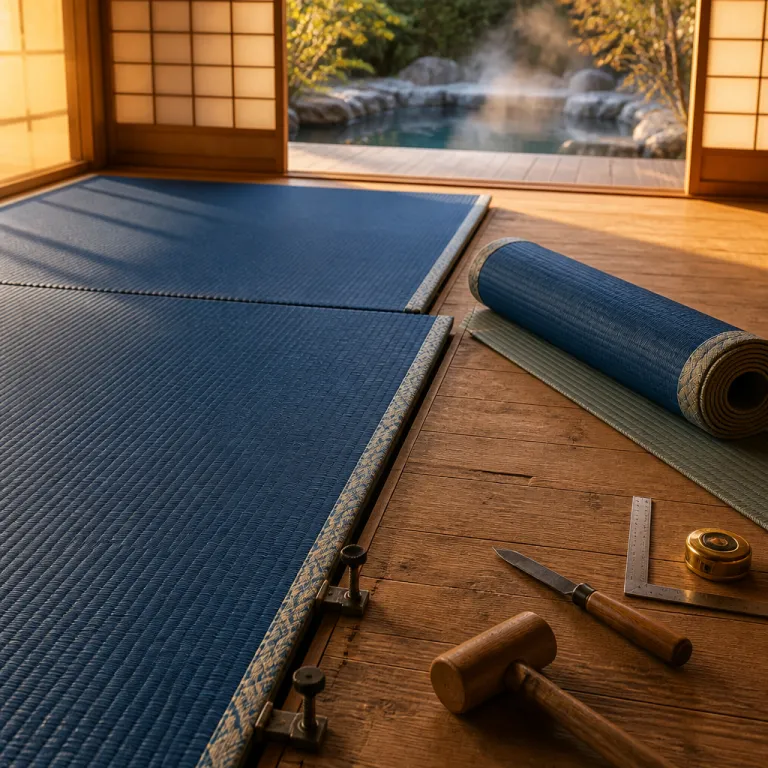
Washitsu floor covering and tatami rooms in luxury Japanese hot spring inns
In a premium Japanese hot spring inn, the washitsu floor covering is not decoration but the quiet heart of the room. When you slide open the shōji doors and step onto the tatami mat surface, you immediately feel how the woven rush grass and straw core change the air, the acoustics, and even your pace. This is where a traditional Japanese sleep system, with futon and low profile bed elements, turns a simple room into a sanctuary for deep rest.
Washitsu floor covering as the quiet heart of a luxury ryokan stay
For travelers comparing a Western bed to a Japanese futon, understanding tatami mats is essential to reading the real value behind the price on any luxury booking website. Tatami, the archetypal washitsu floor covering, is a flooring material built from tightly woven rush over a firm straw core, and its standard size of about 1.76 meters shapes the entire layout of classic tatami rooms. When a hot spring inn lists a room washitsu or full tatami room, it signals not only a style choice but also a commitment to traditional Japanese hospitality, barefoot comfort, and a carefully calibrated sleep system.
High end ryokans often specify whether all rooms are full tatami rooms or whether only a specific room kit combines tatami mats with a raised low profile bed platform. This distinction matters, because the feel of natural rush grass underfoot is very different from a Western carpet surface or hardwood floor in western homes. On a serious booking platform, the room description, the regular price, and any sale price should clearly indicate whether you are reserving a fully built washitsu, a hybrid Japanese style and Western style suite, or a contemporary space that only uses folding tatami as an accent.

How tatami design shapes room layout, movement, and sleep
Once you understand that tatami is a structural floor covering rather than a loose mat, the geometry of a washitsu suddenly makes sense. Each tatami mat is laid in a precise pattern so that the seams never form a cross, and this pattern guides where futon are placed, how low tables sit, and even how staff move through the room. In a refined tatami room, the mats, the sliding doors, and the alcove all work together to choreograph your stay from the first tea to the final sleep.
Luxury hot spring inns use this geometry to create different moods across their rooms, from intimate two mat spaces to expansive suites where multiple tatami mats define separate zones for dining, bathing, and Japanese sleep. When you read a booking description that mentions a room washitsu with eight tatami mats, you can expect a generous surface area where futon can be laid out without crowding the doors or the path to the private onsen bath. Articles such as the rotenburo field guide on what separates a good open air bath from a great one explain how floor levels, sightlines, and materials all interact, and the same design thinking applies to the washitsu floor covering inside.
For guests used to western homes, the absence of a fixed bed can feel surprising at first, yet the Japanese sleep system built around futon and tatami offers a different kind of luxury. The natural resilience of the straw core supports the futon evenly, while the woven rush surface regulates humidity and subtly cushions every step. When a booking site highlights that futon will be laid out for you after dinner on full tatami mats, it is signaling a premium level of service and a deeply traditional Japanese style of rest.
Materials behind tatami: natural comfort, modern innovation, and pricing
At the material level, authentic tatami mats are a sophisticated piece of engineering rather than a simple floor mat. Traditional Japanese craftsmen weave soft yet durable rush grass tightly over a straw core, creating a resilient surface that insulates the room from both cold floors and outside noise. This construction is why tatami has been used from the Muromachi period to the present, and why it remains the reference washitsu floor covering in both historic and newly built Japanese homes.
Luxury hot spring inns increasingly balance natural materials with modern innovation, sometimes specifying synthetic tatami mats in high humidity areas while reserving natural woven rush for main guest rooms. For travelers, this mix has implications for both tactile comfort and the price tatami commands in the overall room rate, because natural rush grass and straw core panels require more maintenance and careful climate control. Design focused essays on the choices that make or break a hot spring space, such as the analysis of steam, stone, and silence in onsen architecture, often highlight how floor materials influence acoustics, scent, and even how you hear water moving beyond the doors.
On a transparent booking website, you should expect clear information about whether the washitsu floor covering uses natural tatami mats, hybrid folding tatami panels, or fully synthetic mats. This detail helps you understand why one room kit with a full tatami room might carry a higher regular price than a similar sized Western style room with carpet, even before any price sale or limited time sale price is applied. When you see a premium rate attached to a room washitsu that specifies natural rush grass and traditional Japanese craftsmanship, you are paying for both sensory richness and the preservation of a fragile cultural technique.
Reading prices and promotions for washitsu rooms on luxury booking sites
When you compare washitsu options on a luxury hot spring booking platform, the numbers in the price column tell only part of the story. A room with a full tatami floor covering, sliding doors, and a complete Japanese sleep system will usually sit at a higher regular price than a Western style room of the same size. The difference reflects not only the cost of tatami mats themselves but also the labour of craftsmen, the need for regular maintenance, and the way these rooms are cleaned and aired between guests.
Serious booking websites should distinguish clearly between the regular price, any temporary price sale, and the final sale price you pay for a tatami room. When you see a promotion on a room washitsu, check whether the discount applies to suites with full tatami mats, to hybrid rooms with only a tatami mat area near the bed, or to Western rooms that simply include a folding tatami mat as a decorative accent. Transparent labeling of price tatami components helps you understand whether you are getting genuine value or whether the sale is focused on less traditional rooms.
Some high end properties now publish short design notes explaining how many tatami mats are used, whether the surface is natural rush grass or synthetic, and how often the mats are replaced, and these notes justify the premium even when no sale price is available. For instance, a sample listing might show a 30 m² Western room at ¥40,000 per night and a comparable washitsu with full tatami at ¥48,000, with the description specifying natural rush, a replacement cycle of roughly five to seven years depending on guest volume, and higher cleaning costs. For travelers who care about both cultural authenticity and financial clarity, this level of detail around washitsu floor covering and pricing is a strong indicator of overall trustworthiness.
Washitsu in a global context: from Japanese homes to Western hotels
While tatami began as a domestic flooring material in Japanese homes, it has gradually moved into global hospitality design. Many Western homes now experiment with a tatami room kit or a small tatami mat corner for meditation, yet the full impact of a washitsu floor covering is most clearly felt in a dedicated hot spring inn. In that setting, the mats, the futon, and the sliding doors form a coherent Japanese style environment rather than an isolated décor gesture.
Luxury ryokans that welcome international guests often create hybrid suites where a Western bed shares the space with a tatami room zone, allowing couples to choose between a familiar mattress and a traditional Japanese sleep system. In these rooms, the low profile of the futon and the resilience of the straw core under the tatami mats make it easy to convert the space from a living room during the day to a sleeping area at night. For guests new to Japanese culture, this flexible layout offers a gentle introduction to washitsu living without abandoning the comfort of a regular bed.
From a design perspective, the most successful properties treat the washitsu floor covering as a central narrative element rather than a theme. They respect etiquette, such as removing shoes before entering and avoiding pressure on the edges of each tatami mat, and they train staff to handle futon and mats with the same care given to fine linens. When you see this level of attention in both Japanese homes and high end inns, you can be confident that the rooms you book online will feel coherent, respectful, and genuinely rooted in traditional Japanese practice.
Practical tips for choosing and caring for a washitsu room during your stay
Choosing the right washitsu floor covering experience starts with an honest look at how you like to sleep. If you are curious about Japanese sleep but unsure about spending several nights on futon, consider booking a hybrid room where a Western bed shares space with a tatami mat area, so you can alternate between systems. Guests who already enjoy low profile mattresses or firm surfaces usually adapt quickly to a full tatami room with futon, especially when the inn provides high quality quilts and pillows.
Once you arrive, treat the tatami mats as you would any refined natural material, keeping luggage off the surface and using provided stands or benches near the doors. Staff will often remind you to remove shoes before entering the washitsu, because grit can damage the woven rush and shorten the life of the straw core beneath. Simple habits such as avoiding spilled water, opening windows briefly to air the room, and not dragging furniture across the mats help maintain both the look and the subtle scent of rush grass.
Maintenance practices at the inn also matter, and well run properties follow the same basic principles that experts recommend for private homes. As one reference explains succinctly, “What is tatami? Traditional Japanese flooring mat.” and “Why use tatami? Comfort, insulation, aesthetics.” and “How to maintain tatami? Regular cleaning, avoid moisture.” For travelers, this means that a clean, dry, and gently aired tatami room is not only more pleasant during your stay but also a sign that the property respects the cultural and material integrity of its washitsu floor covering.
Key figures and design facts about washitsu floor covering
- The standard tatami size of about 1.76 meters in length, as noted by the TJF Mini Encyclopedia entry on tatami dimensions, directly shapes classic room proportions and determines how many mats fit comfortably in a given space.
- Traditional tatami construction using woven rush grass over a straw core provides both thermal and acoustic insulation, which helps keep washitsu rooms quieter and more temperate than comparable spaces with hard flooring.
- Luxury hot spring inns that maintain natural tatami mats typically schedule regular replacement cycles, often every five to seven years depending on humidity and guest volume, to preserve both hygiene and the characteristic scent of rush.
- Removing shoes before stepping onto tatami and avoiding pressure on mat edges significantly extends the lifespan of the washitsu floor covering, reducing long term maintenance costs for high end properties.
- The continued use of tatami from the Muromachi period to the present demonstrates how a single flooring technology can preserve cultural heritage while adapting to modern interiors and hospitality standards.
FAQ: washitsu floor covering in luxury Japanese hot spring inns
What is tatami and why is it used in washitsu rooms ?
Tatami is a traditional Japanese flooring mat made from woven rush grass over a firm straw core, and it is the defining surface of a washitsu. Inns use tatami because it offers comfortable barefoot walking, natural insulation, and a calm aesthetic that supports the Japanese sleep system with futon. In luxury hot spring properties, full tatami rooms signal a commitment to cultural authenticity and refined sensory comfort.
How does a tatami room feel compared with a Western style room ?
A tatami room feels softer and warmer underfoot than a Western room with hardwood or tile, yet it remains firm enough to support a futon without sagging. The woven rush surface absorbs sound, so footsteps and voices are quieter, and the faint scent of natural rush grass adds to the sense of retreat. Many guests describe the low profile layout, with futon on tatami and sliding doors, as both grounding and surprisingly luxurious.
Are synthetic tatami mats acceptable in luxury hot spring inns ?
Synthetic tatami mats can be acceptable when used thoughtfully, especially in high humidity zones where natural straw core panels would deteriorate quickly. Many premium inns combine natural tatami in main rooms with synthetic variants in entry areas or near baths, balancing durability with authenticity. When booking, look for clear descriptions of materials so you can decide whether a fully natural washitsu floor covering is important for your stay.
How should guests care for tatami during a short stay ?
Guests can protect tatami by removing shoes before entering, keeping heavy luggage off the mats, and avoiding spills or excess moisture on the surface. Using provided stands, not dragging furniture, and opening windows briefly to air the room all help maintain the woven rush and straw core. These simple habits show respect for the material and ensure that future guests enjoy the same level of comfort.
Does a tatami room usually cost more than a Western style room ?
A tatami room often carries a higher regular price because natural tatami mats are more expensive to install and require more careful maintenance than standard flooring. The craftsmanship involved in building and arranging the mats, along with the need for periodic replacement, is reflected in the room rate. When a booking site offers a price sale or special sale price on a washitsu, it can be an excellent opportunity to experience traditional Japanese style at a more accessible cost.
References
- TJF Mini Encyclopedia, entry on tatami dimensions and cultural context, including standard mat sizes and layout patterns.
- Japan National Tourism Organization, guidance on staying in ryokan, using washitsu rooms, and basic etiquette such as removing shoes and handling futon.
- Agency for Cultural Affairs of Japan, materials on traditional Japanese architecture, interior finishes, and the role of tatami in designated cultural properties.