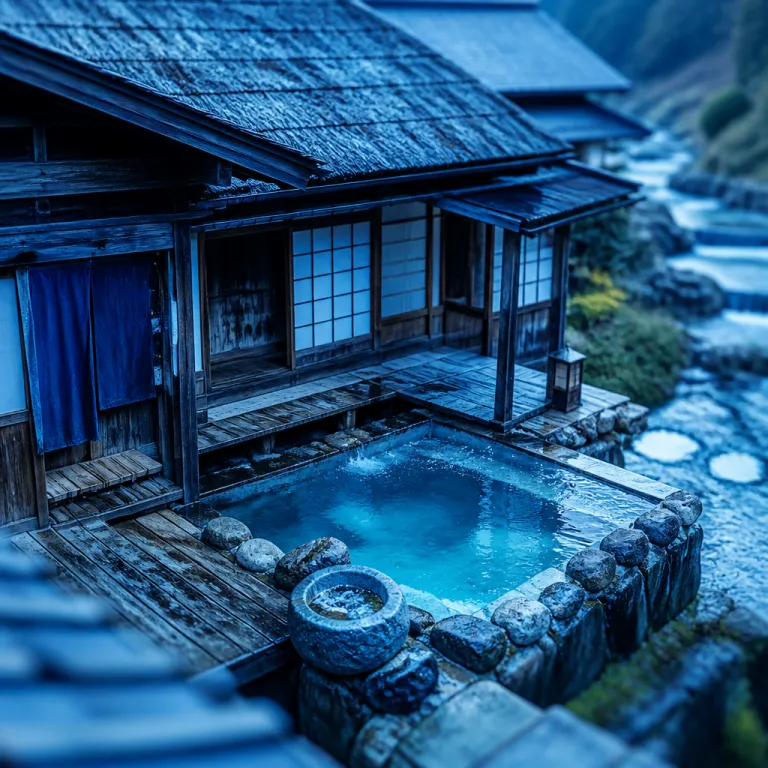
Japanese minka aesthetics for luxury hot spring stays
Japanese minka architecture offers a serene framework for refined hot spring retreats. These traditional houses were originally built for farmers, artisans, and merchants on rural land across Japan, yet their quiet proportions now suit premium hospitality perfectly. A luxury inn that respects traditional Japanese design can feel both intimate and expansive, with every floor level, gate, and garden aligned in harmony with nature.
In many regions of Japan, restored kominka and other vernacular dwellings sit beside steaming open air baths, creating a dialogue between water, wood, and stone. The best properties treat each historic structure as a work of art, preserving the original method of post and beam construction while upgrading insulation, lighting, and bedding. When you book, learn how the layout has changed from its Edo period origins, because this reveals how sensitively the owners balanced comfort with heritage.
Luxury travelers often expect polished finishes, yet the true appeal of these rural homes lies in subtle detail. You might see a thatched roof above, polished floorboards below, and a framed view of a traditional garden outside, all speaking the quiet language of Japanese architecture. For guests choosing between different historic houses across Japan, understanding these nuances helps you select a stay where every element, from entrance gate to inner courtyard, reflects authentic regional style.
From edo period farmhouses to premium onsen architecture
Many of the most atmospheric hot spring inns in Japan evolved from Edo period minka houses. These traditional Japanese dwellings once sheltered entire households on agricultural land, yet their generous beams and deep eaves now lend gravitas to contemporary spa suites. When a property converts old farmhouses into guest rooms, the challenge is to keep the original architecture legible while integrating private rotenburo baths and modern climate control.
Preservation focused owners usually retain the main gate, the central hearth zone, and the characteristic steep thatched roofs or tiled ridgelines. Inside, raised floor platforms become tatami sleeping areas, while former storage lofts transform into quiet reading nooks overlooking a Japanese garden or forested valley. Before reserving, ask whether the inn worked with local carpenters trained in traditional building methods, because their joinery and repair techniques directly affect long term comfort and safety.
Design choices around steam, stone, and circulation matter greatly in a minka based onsen, and a thoughtful property will explain how its Japanese architecture supports wellness. For a deeper look at how spatial planning shapes bathing rituals, study this guide to hot spring space design before finalizing your booking. Understanding these principles helps you read each house layout, from kominka clusters in snowy regions to gassho zukuri farmhouses adapted for luxurious multi room suites.
Regional styles, from gassho zukuri to coastal kominka
Every region of Japan shaped its rural houses according to climate, craft traditions, and available materials. In the mountain villages of Shirakawa go, for example, steep gassho zukuri roofs shed heavy snow while creating vast interior volumes now repurposed as dramatic guest rooms. Coastal areas, by contrast, often feature lower silhouettes and tighter envelopes, where each dwelling wraps around a sheltered traditional garden to buffer winter winds.
When browsing a luxury booking website, pay attention to how each property describes its region and original Japanese house typology. A kominka in Kyushu with a tiled roof and deep veranda offers a different experience from a thatched roof farmhouse in central Honshu, even if both share the same traditional Japanese DNA. The most transparent hosts explain which parts of the architecture changed during renovation, such as replacing earth floors with insulated platforms or adding discreet glazing behind sliding shoji.
Global hospitality now looks closely at vernacular Japanese architecture as a model for sustainable comfort, and countryside dwellings sit at the center of this conversation. For context on how geothermal design elsewhere has evolved, you can read about the reinvention of geothermal architecture in neighboring regions, then compare those strategies with the passive cooling and heating embedded in houses across Japan. This comparative lens sharpens your eye when evaluating Japanese style inns, whether they occupy thatched roofs in heritage hamlets or timber framed kominka on terraced land above a river.
Inside a japanese house: floor plans, materials, and light
Stepping into a well restored Japanese minka used as a hot spring inn, you immediately feel the choreography of light, shadow, and circulation. Traditional buildings rely on sliding partitions rather than fixed walls, so the floor plan can expand for communal meals or contract into intimate sleeping zones. For guests, this flexibility means your Japanese house suite may shift character between afternoon tea, evening kaiseki, and a late night soak.
Original minka houses were built with wood, bamboo, straw, and earth, and this material palette still defines the best luxury conversions. In response to a common question, the owners often state plainly that “Wood, bamboo, straw, and earth.” remain the core materials, even when hidden insulation or radiant heating is added for comfort. When you read room descriptions, look for detail about tatami quality, beam restoration, and whether the thatched roof above your room has been recently renewed by certified artisans.
Light is another crucial dimension of Japanese architecture, especially in onsen settings where guests move between dim corridors and bright open air baths. A thoughtful inn will align windows toward a Japanese garden or forest edge, using shoji to filter glare and frame seasonal art like maple leaves or snow. If you are sensitive to brightness or privacy, learn how each Japanese style suite handles daylight and night lighting, because these choices shape how restful your stay will feel.
Gardens, gates, and open air baths in harmony with nature
The threshold sequence from outer gate to inner garden is central to the luxury experience in any Japanese minka based hot spring inn. Many properties retain the original timber gate as a symbolic marker between everyday life and the slower rhythm of rural land. Passing through, you often encounter a Japanese garden that blends stone, moss, and water in a composition of quiet art.
In the most refined country houses, every path, stepping stone, and lantern is positioned to support harmony with nature between architecture and landscape. Open air baths sit slightly apart from the main house, screened by bamboo or evergreen hedges, so you feel both sheltered and connected to wind and sky. Before booking, study photos of the traditional garden layout and ask whether your suite has a private rotenburo or access to shared pools with timed reservations.
Some inns reference the open air museum Nihon Minka en, founded in 1967 in Kawasaki, as a model for how to frame views of traditional Japanese houses and surrounding hillsides. Others draw inspiration from historic farmsteads in Shirakawa go, where 114 preserved structures, as listed by the UNESCO World Heritage Centre, demonstrate how thatched roofs, deep eaves, and compact courtyards work together in all seasons. For a more technical perspective on what separates a good outdoor bath from a great one, consult this field guide to open air hot spring baths while comparing different Japanese style properties.
How to evaluate japanese minka stays on premium booking platforms
Choosing the right Japanese minka stay on a luxury booking website requires more than scanning photos. Start by checking whether the property clearly states its original house type, such as kominka, gassho zukuri farmhouse, or urban machiya style, and whether the renovation respected key elements like the gate and primary beams. Transparent listings usually explain what changed structurally, what remained intact, and how the floor layout now supports both privacy and communal experiences.
Next, read how the inn positions itself within its region, because climate and land conditions strongly influence comfort. A thatched roof minka in a snowy valley demands different insulation and bath placement than a Japanese house near the sea, and serious hosts will address these issues directly. Look for detail about heating systems, ventilation in open air baths, and how the property manages humidity to protect both guests and traditional buildings.
Finally, pay attention to cultural interpretation, because staying in minka houses is also an opportunity to learn about Japanese language, customs, and rural history. Some properties offer guided walks that explain local architecture, from structural method to carpentry art, while others provide printed materials about Nihon minka heritage and Edo period life. When reviews mention engaged staff who can explain the story of your stay in traditional houses across Japan, you are more likely to enjoy a visit that feels both luxurious and deeply rooted.
Key figures and preservation statistics for japanese minka
- Shirakawa go currently preserves 114 minka houses, according to the UNESCO World Heritage Centre, representing one of the densest surviving clusters of gassho zukuri farmhouses in Japan.
- These 114 traditional buildings illustrate how steep thatched roofs evolved to handle heavy snowfall, offering valuable reference points for architects adapting minka for modern hot spring inns.
- Across rural regions of Japan, only a fraction of original minka houses remain intact, which makes every carefully restored Japanese house used for hospitality an important part of cultural preservation efforts.
- Open air museums such as Nihon Minka en curate dozens of relocated minka houses, allowing travelers to compare regional Japanese architecture styles before choosing a specific area for an onsen focused trip.
FAQ about japanese minka hot spring stays
What materials are used in minka construction for hot spring inns ?
Most Japanese minka adapted for onsen hospitality still rely on wood, bamboo, straw, and earth as their primary materials. Structural beams and columns remain timber, while thatched roofs or tiled coverings protect the interior from rain and snow. Modern upgrades usually add hidden insulation and seismic reinforcement without altering the visible Japanese style character.
Are minka still inhabited today, or only used for tourism ?
Some minka houses remain private homes for families in rural Japan, especially in regions where farming and forestry continue. Others have been converted into guesthouses and luxury hot spring inns, offering travelers a way to experience traditional Japanese living spaces with contemporary comfort. A third group stands in open air museums such as Nihon Minka en, where preservation rather than overnight stays is the priority.
Can tourists stay overnight in a japanese minka near hot springs ?
Yes, many kominka and other minka houses have been sensitively restored as guest accommodations in onsen towns. These properties often combine tatami rooms, sliding doors, and a Japanese garden with private or shared open air baths. When booking, confirm whether your chosen suite includes an in room rotenburo or access to larger communal pools.
How does a minka based inn differ from a standard hotel near an onsen ?
A Japanese minka inn emphasizes vernacular architecture, natural materials, and close harmony with nature and the surrounding land. Instead of corridors and identical rooms, you move through gates, courtyards, and irregular floor plans shaped by historic use. This creates a quieter, more immersive experience, especially when combined with carefully designed open air baths and regionally focused cuisine.
Where can travelers learn more about nihon minka before booking ?
Travelers can visit open air museums such as Nihon Minka en near Tokyo, where multiple Japanese houses from different regions stand side by side. Heritage villages like Shirakawa go also provide a living overview of gassho zukuri and other minka types, including thatched roof maintenance techniques. Reading interpretive materials from these sites helps you evaluate how faithfully a luxury hot spring inn has adapted its original house for modern guests.