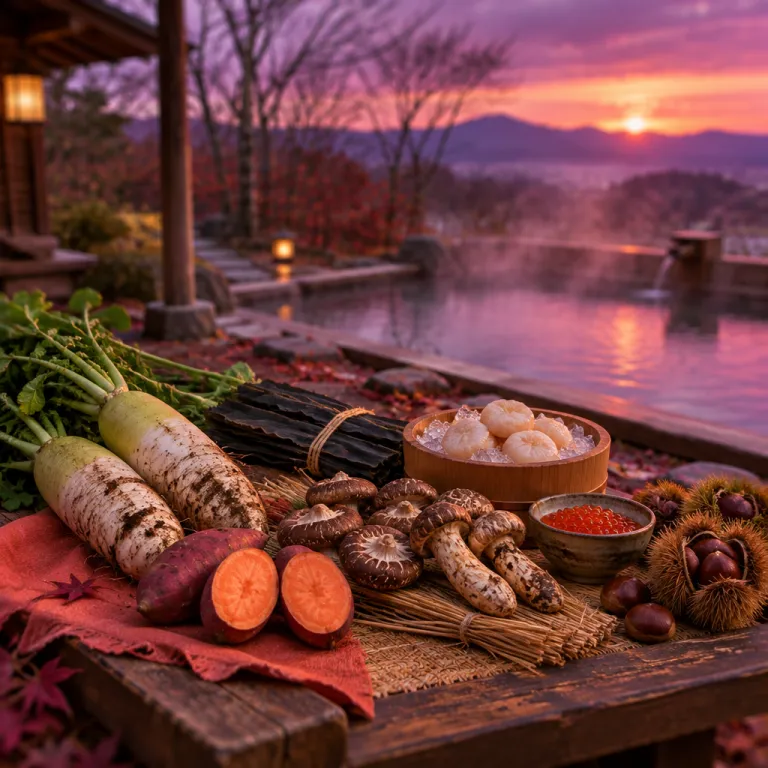
Why the quiet weeks after the leaves fall suit the solo onsen traveler
The most rewarding Tohoku onsen route for a solo traveler often begins after the last maple leaf has dropped. In this shoulder window, the Tohoku region feels unhurried, rates at many hot spring inns soften, and the steam from each onsen hangs longer in the cold air. You move through northern Japan with space to think, hearing only your own footsteps between the station and the inn door.
Across these days and nights, the landscape shifts from late autumn gold to the first dustings of dry snow on distant ridges. That early winter chill makes every hot spring bath feel sharper, especially when you slip into open air rotenburo and watch breath and steam mingle above the water. For travelers who value atmosphere over crowds, this is the connoisseur’s season to plan a tour through classic hot springs rather than chase the last foliage day or the first ski weekend.
Think of this period as a soft reset between peak travel waves, when popular onsen towns return to a more local rhythm. Station platforms in Sendai or Aomori are calmer, and the Tohoku Shinkansen north from Tokyo Station feels less like a commute and more like a private rail tour of Tohoku. With fewer tour groups, staff in traditional Japanese inns have more time to chat, share a region guide, and suggest a quiet day trip or an evening walk you would never find in a generic guide.
Building a rail based tohoku onsen route from Tokyo
For this northern loop, the bullet train is your backbone and the local lines are your capillaries. From Tokyo Station, the Tohoku Shinkansen (including Yamabiko and Hayabusa services) runs in roughly 90 minutes to Sendai, then onward in about two hours toward Morioka Station and around three hours to Shin-Aomori, giving you a clean structure for several days and nights of onsen hot spring hopping. You ride in comfort, then step off at each station and switch to slower local trains or buses that carry you into the mountains where the real hot springs wait.
A practical Tohoku onsen route might start with a short hop from Tokyo to Sendai, then branch to smaller lines that reach Kaminoyama Onsen, Ginzan Onsen, and the slopes of Zao Onsen. Typical transfers take 5–15 minutes within the station, and the staff at even the smallest local stop can point you to the right platform if your Japan Rail Pass app feels unclear. This is rail logic at its most elegant, letting a solo traveler chain together onsen towns without ever renting a car or worrying about icy roads during the first spring snow flurries.
Once you understand this pattern, you can link other hot spring regions in future trips, such as planning a refined Nagano circuit using a solo route through Nagano’s hot springs. The same approach applies here in Tohoku, where each station becomes a hinge between urban convenience and rural nature. With a good printed guide, JR East timetable information, and a clear region guide saved offline, you can improvise extra days or a spontaneous day trip whenever a particular onsen town captures your attention.
Stringing together classic onsen towns: from lanterns to volcanic waters
The heart of any memorable Tohoku onsen route lies in how you string together its classic hot spring towns. One evening you might soak in the milky, strongly acidic waters of Zao Onsen, then the next night you wander the lantern lit streets of Ginzan Onsen where the river reflects wooden facades. Another day, you could shift to the quieter slopes above Kaminoyama Onsen, where traditional Japanese inns look out toward distant peaks dusted with early spring snow.
Each of these hot springs offers a different personality, yet they all reward slow travel and unhurried days and nights. Zao Onsen is famous for its onsen hot pools rich in sulfur, which some guests find invigorating after long bullet train rides from Tokyo or Sendai. Ginzan Onsen, by contrast, leans into nostalgia, with narrow streets that feel especially atmospheric in the cold, when the air smells faintly of wood smoke and the only sound is water moving through narrow channels toward the spring baths.
To balance the mountains, consider adding a coastal pause in Matsushima as part of a longer hot spring focused itinerary, especially if you are following a three week route for hot spring connoisseurs. A day trip from Sendai brings you to the bay in under sixty minutes by local train, and the contrast between sea air and inland onsen steam keeps the journey fresh. From there, you can rejoin the Tohoku rail spine at Sendai Station and continue north toward Aomori or west toward more secluded spring baths in the interior.
Atmosphere, inns, and the rhythm of off season life
Traveling this Tohoku onsen route in the quiet weeks after the leaves fall changes how the towns feel under your feet. Many popular hot springs shift from high season bustle to a slower, more local cadence, with shop shutters half closed and innkeepers finally able to chat at check in. For a solo traveler, that means more genuine conversations about nature, food, and the history of each hot spring rather than rushed formalities.
Luxury and premium properties in the Tohoku region often remain discreet rather than flashy, focusing on the quality of their onsen hot water and the precision of their kaiseki dinners. You might stay in a traditional Japanese room with tatami and futon one night, then choose a more contemporary suite with private spring baths the next, always with the same emphasis on silence and view. The appeal of these stays lies less in spa menus and more in the simple act of sliding open a window, hearing a river below, and knowing the outdoor hot springs are waiting whenever you feel the cold bite.
This is also the season when a short walk from the station can feel like a small film scene, with your breath visible and only a few other travelers rolling suitcases along the pavement. In places like Ginzan Onsen or Kaminoyama Onsen, the path from arrival to check in passes shrines, steaming drains, and the occasional local bar where you might end your day. For many guests, that understated rhythm becomes as memorable as the most elaborate tour, anchoring the entire tour Tohoku experience in small, human scale details.
Practical planning: weather, packing, and side trips along the route
Early winter in Tohoku brings crisp air, shorter daylight, and the possibility of light spring snow even before ski season fully arrives. That makes packing a serious part of planning your Tohoku onsen route, especially if you intend to walk between station and inn rather than rely on taxis. A warm coat, thin thermal layers, and shoes with good grip or light crampons will matter more than formal outfits, because you will spend many minutes outdoors between hot spring soaks.
On the rail side, aim to book bullet train seats between Tokyo Station, Sendai, Morioka Station, and Aomori in advance, then keep your local segments flexible for spontaneous day trips. One rewarding option is to carve out a full day for the Oirase Stream area, using buses from a regional station as a base, then returning to an onsen town for a late evening soak. Another is to weave in a coastal pause around Matsushima or a countryside detour that echoes the mountain routes described in elegant onsen escapes in Takayama, giving your tour Tohoku a broader sense of Japan’s hot spring geography.
For timing, many solo travelers find that five to seven days and nights allow a satisfying rhythm of travel and rest without rushing. That gives space for multiple onsen visits in each town, unhurried meals, and the occasional unplanned day trip when the weather turns especially clear. With a thoughtful region guide in hand, awareness of onsen tattoo policies, and realistic expectations about cold and icy pavements, you can move through this season with confidence, letting the pattern of trains, stations, and steaming baths shape your own quiet narrative of the north.
FAQ
How many days should I plan for a tohoku onsen route by rail ?
Most solo travelers should plan at least five to seven days for a rail based Tohoku onsen route. That duration allows time to reach the Tohoku region from Tokyo Station, visit two or three classic hot spring towns, and include one or two day trips without rushing. With more days and nights, you can extend farther north toward Aomori or add extra soaks in places like Ginzan Onsen and Zao Onsen.
Do I need to rent a car to visit onsen towns in tohoku ?
A car is not necessary for this itinerary, because the bullet train and local lines connect most major onsen areas efficiently. From hubs such as Sendai, Morioka Station, and Aomori, you can usually reach hot springs by local train or bus within sixty to ninety minutes. Traveling without a car is often safer in early winter, when icy roads appear before heavy spring snow fully settles.
What should I pack for the early winter onsen season in tohoku ?
Pack warm layers, a wind resistant coat, and shoes with good traction for walking between station and inn. Many traditional Japanese hot spring inns provide yukata robes and indoor slippers, so you can keep your own clothing simple and functional. A compact umbrella, gloves, and a small daypack for short walks along rivers or to nearby nature viewpoints, such as sections of the Oirase Stream, are also useful.
Are onsen towns and inns crowded in the weeks after the leaves fall ?
Crowds usually thin out after the peak foliage season, before ski resorts and heavy snow bring a new wave of visitors. During this shoulder period, popular hot springs like Ginzan Onsen and Zao Onsen feel calmer, and staff often have more time for personal recommendations. You still should reserve premium rooms and private spring baths in advance, but the overall atmosphere is quieter and more relaxed.
Can I visit non hot spring sights while following a tohoku onsen route ?
Yes, a well planned Tohoku onsen route can easily include cultural and scenic stops beyond hot springs. Many travelers add a day trip to Matsushima from Sendai, or walk sections of the Oirase Stream near Aomori between soaks. Using a flexible region guide and checking JR East and local tourism information, you can balance onsen time with visits to temples, coastal viewpoints, and small local museums along the way.