How to wear a yukata elegantly at a luxury ryokan
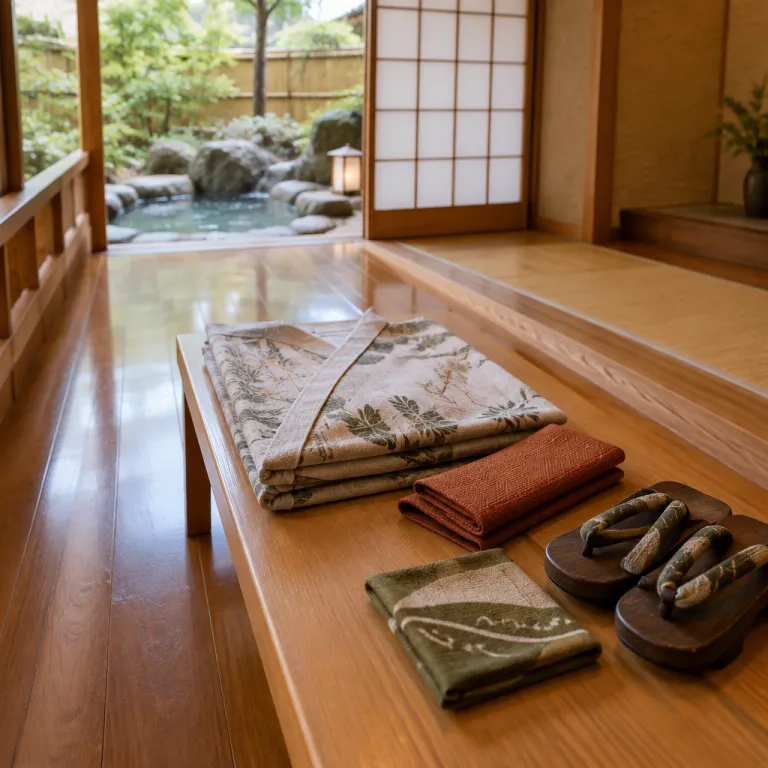
Learning how to wear yukata correctly transforms a simple stay into a refined cultural experience. When you arrive at a luxury ryokan, staff usually place a neatly folded yukata set in your room, often beside a pair of wooden sandals or yukata geta for strolling between baths. Understanding how to wear yukata from the first step helps you feel at ease in every shared onsen space.
Begin by unfolding the light cotton fabric and holding it up in front of your body to check the length, then adjust the hem so it falls just above your ankles for safe movement on wet stone floors. Slip your arms through the sleeves, let the yukata fall naturally along your front body, and make sure the center seam aligns with the middle of your neck and spine before you start to wrap the panels. This careful alignment at the front and back ensures the garment drapes cleanly and keeps the side seams straight when you walk through the town or corridors.
The most important cultural rule when you wear yukata is the direction of the wrap, because the wrong side has a funerary meaning in Japan. Always bring the right panel across your body first, then wrap the left panel over the top so that the yukata left side finishes on the outside. Luxury properties in onsen towns such as Kinosaki often include yukata diagrams in the room to remind guests that wrap left over right is the correct and respectful way to wear.
Once the yukata left panel is on top, smooth the fabric along each side with a flat hand to remove creases. Hold the overlapping front body panels firmly in place at your waist while you reach for the thin inner tie or cord that is often part of a complete yukata set. Tie ends of this inner cord securely but not too tightly, because you will add the wider obi belt afterward to keep the yukata tightly closed during your strolls between baths.
Quick step-by-step checklist for putting on a yukata
- Unfold the yukata and hold it in front of your body to check length and hem position.
- Slip your arms into the sleeves, align the center seam with your spine, and smooth the front body.
- Bring the right front panel across your body, then wrap the left side over it so the left side is on top.
- Hold the front body panels in place with one hand and tie the inner cord at your waist.
- Smooth the fabric, then position and tie the outer obi belt over your waist or hips.
Step by step : wrapping, tying the obi, and adjusting the fit
After securing the inner ties, you can focus on the visible layers that define how to wear yukata with elegance. Take the obi belt in both hands, find its center, and place that midpoint against the front of your body just above the hips, then bring each end around to the back. As you cross the obi behind you, keep it flat against the fabric so the side top edges stay parallel and the belt supports the straight line of the yukata front.
Next, bring the obi ends back to the front body or slightly to one side, depending on the style recommended by your ryokan, and pull gently so the yukata tightly hugs your waist without restricting breathing. Many luxury onsen properties offer short lessons that include yukata tying demonstrations, where staff show how to create a simple bow and how to tie ends neatly so they do not loosen while you move. When you tie the obi yukata knot, aim for a balanced shape that sits either at the center back or slightly off to the left side, which is common for women.
For men, the obi yukata position is usually lower on the hips, while for women it often sits higher at the natural waist, and this subtle difference changes the overall silhouette. If you are unsure, ask in the lobby or spa area, because many luxury onsen teams are used to guiding international guests through each step of how to wear yukata. Before leaving your room, check the mirror to confirm that the wrap direction is correct, the front panels overlap smoothly, and the side seams fall straight from underarm to hem.
Do not forget the smaller details that complete the look and comfort. Put on thin socks or special tabi socks before you step into your wooden sandals, because it is easier to adjust the strap while seated in your room than outside near the onsen entrance. When you stand, make sure the yukata fabric does not drag on the floor at the front or side, then hold the obi lightly with one hand as you walk to keep the garment in place.
For travelers comparing bathing cultures, it can be helpful to read about global traditions of communal bathing and etiquette in guides to onsen, jjimjilbang, and hammam rituals. These resources explain why the way you wear yukata around shared baths is not only about style but also about respect for others. A well tied obi belt and correctly wrapped yukata signal that you understand and value the customs of your host region.
From room to onsen : etiquette when you wear yukata in shared spaces
Luxury and premium hot spring inns treat the path from your room to the onsen as part of the experience, and how you wear yukata along that route matters. When you slide open the door of your room, pause for a moment to check that the front body panels are still aligned and that the wrap direction has not shifted. Hold the side top of the obi with one hand as you step into the corridor, especially if the floor changes from tatami to polished wood.
In many ryokan, guests are encouraged to wear yukata not only inside but also while strolling town streets between different bathhouses, particularly in famous onsen towns such as Kinosaki. There, the tradition of town yukata means you can move from one bath to another in your yukata set, wooden sandals, and sometimes a light coat in cooler seasons, blending with both locals and other travelers. When you walk outside, keep the yukata tightly closed at the front and use your free hand to hold the overlap in place if a breeze lifts the fabric.
Inside the onsen changing room, etiquette shifts slightly but the way you handle your yukata still reflects cultural awareness. Choose a locker or basket, then untie the obi belt carefully and fold it, rather than letting it fall to the side, because this protects the fabric and shows respect for the property. As you remove the yukata, keep the front body panels together with one hand until you are ready to place the garment in your basket, which maintains modesty in shared spaces.
After bathing, dry off thoroughly before you put the yukata back on, because damp skin can cause the fabric to cling and distort the clean lines of the wrap. Repeat the same step by step process, bringing the right panel across first and then wrapping the yukata left panel over it, before you retie the inner cords and obi yukata knot. Some travelers who have experienced Korean jjimjilbang culture note that Japanese onsen etiquette feels more formal, and articles comparing what jjimjilbang and onsen each do well can help you understand why the way you wear yukata is part of that formality.
When you return to your room, hang the yukata on a hanger or over a rail rather than leaving it in a heap on the tatami floor. This simple habit prevents deep creases in the fabric and keeps the garment ready for your next visit to the onsen or for another evening of strolling town streets. Luxury properties sometimes include yukata rental options with different patterns for each night, so treating each piece carefully ensures you always step out looking polished.
Choosing the right yukata set and accessories for a refined stay
For guests booking a premium ryokan stay, the choice of yukata set can be part of the pleasure, especially in destinations where patterns reflect local history. Many luxury inns in Kinosaki and other onsen towns offer yukata rental counters in the lobby, where you can select colors and motifs that suit your style or match the season. When you choose, consider how the fabric feels against your body, because lighter cotton works well in humid months while slightly thicker weaves provide comfort on cooler evenings.
A complete yukata set usually includes the robe, an obi belt, and sometimes a matching small sash or decorative cord, along with wooden sandals or yukata geta for outdoor use. Some properties also provide tabi socks in your room, which you should wear before stepping into the sandals to protect your feet on stone paths and in shared corridors. If socks are not included, you can bring your own thin socks that fit comfortably inside the straps of the wooden sandals without bunching at the side.
When you plan how to wear yukata during your stay, think about where you will move throughout the property and town. If you expect to spend more time strolling town streets between multiple onsen, choose a yukata with a slightly shorter hem so you can walk stairs and bridges safely, especially in Kinosaki where canals and lantern lit paths invite evening walks. For guests who prefer to relax mainly inside the ryokan, a longer, more flowing cut can feel luxurious in the room and lounge areas.
Some high end properties curate patterns inspired by nearby temples, gardens, or even national treasure sites, and wearing such designs adds a subtle layer of storytelling to your trip. When staff include yukata options linked to local heritage, they often explain the meaning of motifs as they help you wrap the left panel over the right and adjust the obi yukata knot. This personal guidance, combined with the tactile pleasure of quality fabric, turns the simple act of learning how to wear yukata into a memorable cultural activity.
As you compare properties on a luxury booking website, look for detailed photos of the yukata set, clear notes on whether they include yukata rental upgrades, and any mention of styling assistance. Some listings also link to in depth guides on refined onsen stays, such as analyses of how pricing and design shape experiences in places like Jōzankei, which you can explore through a dedicated article on refined onsen stays in Hokkaidō. These resources help you choose a property where the way you wear yukata is thoughtfully integrated into the overall guest journey.
How luxury booking sites guide you through yukata etiquette and privacy
When you use a luxury and premium booking website for Japanese hot spring inns, the best platforms treat how to wear yukata as part of the core experience, not an afterthought. Detailed property pages often include yukata photos, explanations of the wrap rule, and notes on whether staff can assist in your room before dinner. Look for descriptions that mention step by step guidance, because this indicates the ryokan understands that many international guests are new to wearing a kimono style garment.
High quality booking sites also balance cultural detail with clear digital standards, including a transparent privacy policy that explains how your data is handled when you reserve a room or yukata rental upgrade. Reading the privacy policy may feel unrelated to how you wear yukata, yet it signals whether the company treats both your personal information and your cultural learning with respect. A platform that invests in clear communication about data often invests similarly in accurate explanations of onsen etiquette, from how to tie ends of the obi belt to when to wear socks with wooden sandals.
Many premium listings now highlight cultural activities under the “Experience” section, where you might see options such as guided town yukata walks, photography sessions, or short lessons on how to wear yukata properly. These experiences usually begin in your room, where a staff member helps you align the front body panels, adjust the side seams, and position the obi yukata knot before you start strolling town streets. During such sessions, you learn how to hold the front overlap with one hand when climbing stairs, how to keep the side top of the obi flat, and how to manage the fabric when sitting in a restaurant.
Some platforms allow you to filter properties by whether they include yukata in the base rate or offer premium yukata rental with higher grade fabric and more intricate patterns. When you see that a ryokan will include yukata in multiple sizes, it becomes easier to plan how each member of your group will wear yukata comfortably, from children to taller adults. Reading guest reviews that mention yukata set quality, obi comfort, and the feel of the fabric against the body can be as important as checking comments about the onsen water itself.
As you compare options, pay attention to photos that show guests moving naturally through corridors, gardens, and town streets in yukata, rather than only posed images. These candid scenes reveal how the garment sits on the body in real use, whether the hem length works for strolling town paths, and how the side seams behave when people sit or stand. A booking site that curates such images and explains how to wear yukata in context demonstrates both cultural sensitivity and practical understanding of guest needs.
Walking the onsen town : from wooden sandals to national treasure sites
Once you feel confident about how to wear yukata inside your ryokan, stepping out into the onsen town becomes a highlight of any luxury stay. In places like Kinosaki, the entire town is designed around the rhythm of guests moving between bathhouses in town yukata, wooden sandals clacking softly on stone bridges. Wearing a well fitted yukata set in such an environment allows you to blend into a living tradition rather than feeling like an observer.
Before you leave your room, check that your socks or tabi are smooth inside your wooden sandals or yukata geta, because any fold at the side can cause discomfort during longer walks. Hold the front body overlap lightly with one hand as you descend stairs or cross uneven paths, keeping the wrap direction intact and the hem clear of puddles. If the evening breeze is strong, you can use your free hand to press the side top of the yukata against your body so the fabric does not billow open.
Many onsen towns grew around temples, shrines, or landscapes that later became designated as national treasure sites or important cultural properties. When you wear yukata while visiting such places, the way you manage the garment carries a sense of respect for the setting, especially when you bow or climb shrine steps. Keeping the yukata tightly closed, the obi belt straight, and the side seams aligned shows that you understand the connection between clothing and place.
Some guided walks offered through luxury booking platforms include yukata focused photography sessions near historic bridges, willow lined canals, or temple gates. During these experiences, guides often remind guests to adjust the front panels, smooth the fabric over the hips, and retie the obi yukata knot if it loosens, so every image reflects the elegance of traditional wear. They may also suggest small posture changes, such as keeping one hand lightly on the obi while strolling town streets, which helps maintain both balance and shape.
As you return from the baths or from visiting a nearby national treasure, listen to the rhythm of your wooden sandals on the pavement and notice how the yukata moves with your body. This awareness deepens your understanding of how to wear yukata not just as clothing but as part of the choreography of onsen life. By the time you step back into your room, sliding the door closed behind you, the sequence of wrap, tie ends, and gentle adjustments will feel as natural as turning on the hot spring tap.
Key figures about yukata use and onsen travel
- Industry reports from the Japan Tourism Agency indicate that in the most recent pre pandemic period, tens of millions of international visitors stayed overnight in Japan, and many of them expressed interest in traditional clothing experiences such as learning how to wear yukata during onsen stays (Japan Tourism Agency, 2019 summary).
- Surveys shared by the Japan Ryokan and Hotel Association suggest that a large majority of member ryokan provide a yukata set in every room, showing how closely the garment is linked to the standard onsen experience across the country (Japan Ryokan and Hotel Association, member survey overview).
- Tourism data from Hyōgo Prefecture highlight that Kinosaki Onsen welcomes substantial annual visitor numbers, and local promotion materials emphasize town yukata walks as a core attraction, underlining the importance of knowing how to wear yukata correctly in public spaces (Hyōgo Prefecture tourism statistics).
- Consumer research summarized by the Japan National Tourism Organization notes that guests who participate in cultural activities such as yukata rental or dressing lessons often report higher satisfaction scores than those who do not engage in such activities (JNTO, visitor experience reports).
FAQ about how to wear yukata at luxury onsen inns
How is a yukata different from a kimono during an onsen stay ?
A yukata is a lighter, unlined cotton garment typically provided by ryokan for use in the room, around the property, and in onsen towns, while a formal kimono is heavier, often silk, and requires more complex dressing techniques. For bathing trips, the yukata set is designed for easy wear and quick drying, making it ideal for moving between hot springs. Luxury inns focus on teaching guests how to wear yukata correctly rather than formal kimono dressing.
Which side should go on top when I wrap my yukata ?
Always bring the right panel across your body first, then wrap the left panel over the top so that the yukata left side finishes on the outside. This left over right rule is essential, because the opposite direction is reserved for funerary dress in Japan. Before leaving your room, check in a mirror that the left side is on top and the front body panels overlap smoothly.
How tight should I tie the obi belt ?
The obi belt should hold the yukata tightly enough that it does not open when you walk, sit, or climb stairs, but not so tight that it restricts breathing or movement. A good test is whether you can slide two fingers comfortably between your body and the obi after you tie ends in a bow. If you feel pressure when you sit on tatami or at a low table, loosen the knot slightly and retie the obi yukata bow.
Can I wear socks and wooden sandals with my yukata outside ?
Yes, it is common and practical to wear thin socks or tabi with wooden sandals or yukata geta when strolling town streets between onsen, especially in cooler weather. Put on the socks in your room before stepping into the sandals, then adjust the straps so they sit comfortably at the side of your foot. This combination keeps your feet clean in shared areas and makes walking on stone paths more comfortable.
Is it acceptable to wear yukata to dinner in a luxury ryokan ?
In most ryokan, especially in onsen towns like Kinosaki, wearing a neatly arranged yukata to dinner is not only acceptable but encouraged. Ensure the wrap direction is correct, the front body panels are smooth, and the obi belt is tied securely before you enter the dining room. If you are unsure about formality levels, ask staff at check in, as some properties provide specific guidance on how to wear yukata for evening meals.