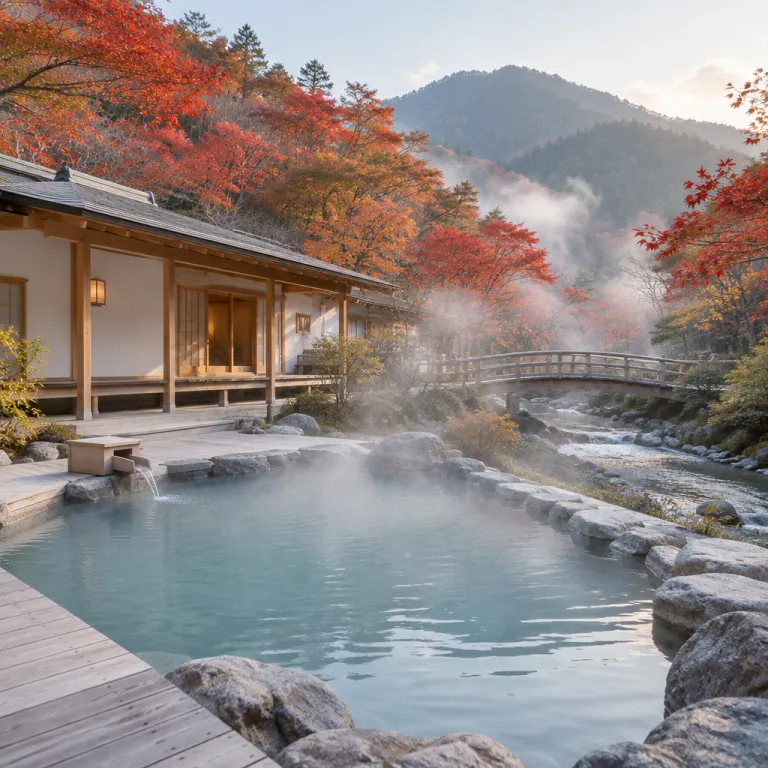
Reading the koyo front for an autumn onsen Japan escape
Autumn onsen Japan trips live or die by timing. The koyo front, which tracks autumn foliage from Hokkaidō down to Kyūshū, usually starts touching the northern highlands in october early and then rolls steadily south through late october and into early november. For families planning their first hot spring journey, understanding this rhythm is the best way to match red maples with perfectly hot water.
In the Tōhoku mountains, classic onsen ryokan such as those in Zao Onsen and Ginzan Onsen typically see autumn leaves at their peak from late october, while central Honshū valleys often hold color into mid november. That means an autumn onsen Japan itinerary can start with hot springs in the north, then follow the fall foliage wave south by shinkansen or car as the weeks pass. Build in at least an hour between check in and your first air bath, so guests enjoy the changing light on the surrounding autumn foliage rather than rushing straight from the station.
Peak dates always shift with the weather, so treat any calendar as guidance rather than a guarantee. Local tourism offices publish daily autumn foliage reports, which help you decide whether to spend more time in the highlands or drop to lower elevation hot springs where the fall colors linger. For 2026, plan your core travel window between late october and mid november, then fine tune the exact days once the first cold nights start to deepen the foliage.
Tohoku’s steam and color: Zao Onsen, Ginzan Onsen and kinugawa
The northern highlands are where an autumn onsen Japan trip feels most dramatic. Zao Onsen, perched above Yamagata city, combines sulphur rich hot springs with a steep valley where autumn leaves flare scarlet in october early, then deepen to copper by early november. Many onsen ryokan here place their open air baths on terraces, so guests enjoy a wide view of the gorge while the hot water softens the chill in the air.
Ginzan Onsen, reached by bus from Ōishida station in about 40 minutes car or less, trades drama for intimacy. The riverside hot spring town is compact, and families can walk from their ryokan rooms to the main street in just a few minutes, then return for another air bath before dinner. With limited access by car and a small number of hot springs, booking two nights gives you time to enjoy both daytime autumn foliage and the lantern lit streets after dark.
Further south, kinugawa onsen in Tochigi offers easier access for those arriving from Tokyo by shinkansen and local train. From Asakusa station the limited express takes about two hours min, and the final station hour feels short enough even with younger children in tow. For families who want to combine river gorge views, gentle fall foliage walks and a side trip to the temples of Nikkō, kinugawa is one of the best bases for an autumn onsen Japan itinerary, especially in late october and early november.
For travelers interested in how traditional bathing culture extends beyond the mountains, the stone sauna traditions described in this Seto Inland Sea hot spring feature show how Japan’s relationship with hot water and seasonal change runs deep.
Family friendly koyo: Oku Nikko, Hakone and easy access hot springs
Families planning an autumn onsen Japan trip often need shorter travel days and flexible access. Oku Nikko, reached by bus from Tōbu Nikkō station in about an hour, layers hot spring villages, lakeside walks and some of the best fall foliage in Honshū into a compact area. Many ryokan here offer rooms with private open air baths, which let parents soak while children nap or play indoors, and the view of autumn leaves across Lake Chūzenji can be spectacular in late october.
Hakone remains the classic choice for those who want hot springs without a long shinkansen ride. From Shinjuku station the Odakyū Romancecar takes around 90 minutes car equivalent in travel time, and frequent bus connections link the station to onsen ryokan scattered around the caldera. Because access is so easy, weekends in autumn are crowded, so aim for weekday stays and consider an access hour outside the usual check in rush to enjoy quieter air bath sessions.
For travelers who prefer coastal air to mountain chill, Atami offers hot water, sea views and fast access from Tokyo. The journey from Tokyo station by shinkansen takes less than an hour, which makes a two night stay at an elegant seaside ryokan such as those profiled in this Atami hot spring retreat guide an easy add on to a longer autumn itinerary. Here, autumn foliage is softer than in the highlands, but guests enjoy milder air, ocean facing open air baths and the option to arrive by car or train depending on family needs.
Designing a peak koyo itinerary: transport, timing and booking strategy
Once you have chosen your regions for an autumn onsen Japan journey, the next step is to map transport and booking. For long hops between Tōhoku and central Honshū, the shinkansen is usually the best option, with most major onsen towns located within an hour by local train or bus from a key station. When a ryokan lists access as “30 minutes car” or “45 minutes bus”, assume that actual door to door time will be closer to an hour once you factor in transfers and short walks with luggage.
Families often underestimate how tiring travel days can be for children, especially in the cool air of autumn. Aim for no more than three hours min of total movement on any given day, including shinkansen segments, station hour waits and local bus rides, then build in generous time for hot water and rest. Booking rooms with in suite open air baths or private hot spring access lets guests enjoy the view of autumn foliage without worrying about bath opening hours or crowded communal pools.
Autumn is the annual pricing peak for many ryokan, especially those in famous hot springs such as Zao Onsen, Ginzan Onsen and kinugawa onsen. Reservations for the best rooms with private air bath facilities often open six months ahead, and premium family friendly categories can sell out quickly for late october and early november weekends. To keep flexibility, consider a midweek pattern that links a city stay such as an elegant ryokan in Kyoto’s Gion district with two or three nights in the mountains, then monitor local autumn leaves forecasts from the Japan Meteorological Agency and regional tourism boards as your travel dates approach.
FAQ
When is the best time for autumn onsen Japan trips with peak foliage ?
For most travelers, the best time for an autumn onsen Japan itinerary is from late october to mid november, when the koyo front brings peak autumn foliage to many hot spring regions. Northern highlands such as Zao Onsen and Ginzan Onsen usually color first in october early, while central areas like Hakone and Nikkō often peak in early november. Because weather shifts every year, always check local autumn leaves forecasts a few weeks before departure.
Is it better to travel by shinkansen, bus or car between hot springs ?
For long distances, the shinkansen is usually fastest and most comfortable, especially with children and luggage. Many onsen towns sit within an hour by local train or bus from a major station, and some ryokan offer shuttle services that cut total access hour and simplify transfers. Renting a car can help in rural areas with limited bus schedules, but always factor in mountain roads, tolls and parking when comparing options.
How far in advance should I book a ryokan for peak koyo weekends ?
For popular hot springs such as kinugawa onsen, Hakone and the Tōhoku highlands, aim to book ryokan stays three to six months before your autumn onsen Japan trip. The most sought after rooms with private open air baths and strong autumn foliage views often sell out first for late october and early november weekends. If your dates are fixed, secure accommodation early, then adjust train or car plans once autumn leaves forecasts become clearer.
Are autumn onsen trips suitable for families with young children ?
Autumn is an excellent season for families, because cooler air makes hot water more comfortable and fall foliage walks can be kept short. Look for ryokan that offer family sized rooms, flexible meal times and either private hot spring access or bookable time slots in open air baths, so parents and children can soak together. Regions with easy station access, such as Hakone, kinugawa onsen and Atami, reduce total travel hours min and keep the journey manageable for younger travelers.
How can I avoid crowds during the autumn foliage season in hot spring towns ?
To dodge the heaviest crowds during autumn onsen Japan trips, prioritize weekday stays and avoid national holiday periods. Choose early morning or late night air bath sessions, when communal hot springs are quieter and the view of autumn leaves can feel almost private. In very popular towns, staying slightly away from the main station or bus hub often brings calmer streets, shorter lines and a more relaxed pace between soaks.