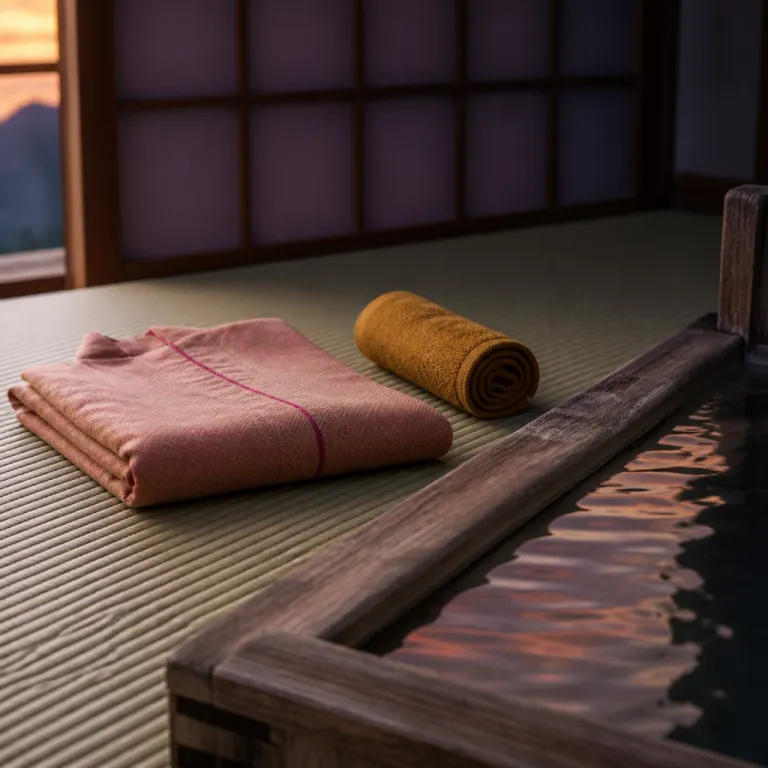
Why ryokan in Kinosaki Onsen define refined hot spring travel
Ryokan in Kinosaki Onsen represent the purest expression of traditional Japanese hospitality. In this compact hot spring town in Toyooka, seven public bathhouses create a walkable network of onsen experiences that luxury guests can curate with precision. When you book a Kinosaki ryokan stay through a premium platform, you gain structured access to these baths, carefully designed rooms, and seamless services that justify every JPY spent per night.
The appeal of Kinosaki lies in how each onsen inn integrates the town itself into the stay. Guests slip into yukata in their Japanese style room, then step outside to stroll under willow trees and cross stone bridges on their way to the next hot spring bath. Because the town is compact, many Kinosaki properties sit within a five to ten minute walk of at least one public bath, which allows you to plan soaks before dinner or after breakfast without rushing.
Luxury focused travelers value clarity, and Kinosaki delivers it through well documented traditions. While the town’s seven public bathhouses share the same hot spring source, each offers a distinct mix of indoor baths, open air pools, and sometimes private family baths that can be reserved. A high quality booking website should highlight which Kinosaki accommodations include free passes to these hot springs, which onsen ryokan offer in house bathing facilities, and which rooms feature private open air tubs for guests who prefer privacy.
Choosing the right onsen ryokan and room style in Kinosaki
Selecting the right ryokan in Kinosaki Onsen starts with understanding room categories and bath access. Traditional Japanese style rooms feature tatami mats, sliding shōji doors, and futon bedding that staff lay out after dinner, while some properties also offer Western style rooms with low beds and chairs for guests who prefer familiar comfort. A refined booking interface should allow you to filter Kinosaki stays by room size, Japanese style or Western style configuration, and whether a private hot spring bath is attached to the room or located in a separate main building.
Many luxury travelers seek a style of room that balances authenticity with convenience. At places such as Yamamotoya Ryokan or Tsukimotoya Ryokan in central Kinosaki, you often find Japanese style rooms in the main building and annex rooms with semi open air baths, giving guests a choice between classic layouts and more contemporary soaking spaces. When you compare inns across town, pay attention to whether the private baths use genuine hot spring water, how many communal baths are on site, and how far the property sits from the nearest public onsen, usually expressed as a minute walk from the entrance.
For day visitors or travelers testing the onsen culture before committing to a full night, a high end platform should also explain day use options. Resources such as a dedicated guide to accessing Japan’s finest baths without booking a room help clarify how spring baths work when you are not staying overnight. Even if you ultimately choose a full Kinosaki ryokan stay with dinner and breakfast included, understanding day use etiquette, towel rentals, and credit card acceptance at individual baths will make your time in town smoother.
Dining rituals, tajima beef, and seasonal kaiseki in Kinosaki ryokans
One of the defining pleasures of any ryokan in Kinosaki is the evening meal. Most luxury Kinosaki inns serve elaborate kaiseki dinner courses that showcase Tajima beef, local seafood, and seasonal vegetables from Hyōgo Prefecture, often presented in a traditional Japanese style that feels both ceremonial and intimate. When you book online, look for clear indications of whether your plan includes dinner, breakfast, or a combined dinner breakfast package, because these choices significantly affect the JPY rate per night.
In winter, many ryokans throughout Kinosaki highlight crab kaiseki, while in other seasons Tajima beef becomes the star of the menu. A thoughtful booking website will show sample menus, note whether dinner is served in your room or in a private dining space, and specify if Western style seating is available for guests who find floor level dining difficult. Breakfast usually follows a similar pattern, with Japanese style sets of grilled fish, rice, and miso soup, though some onsen ryokan now offer Western style breakfast options to accommodate international guests.
Because food is central to the Kinosaki experience, serious travelers should compare dining policies as carefully as they compare baths. Some properties, such as Tsubakino Ryokan or Yuraku Kinosaki Spa & Gardens, emphasize artistic presentation and may offer in room service where dinner is served course by course in your Japanese style room, while others prefer communal dining halls in the main building. Luxury booking platforms should allow you to filter Kinosaki ryokans by dietary flexibility, highlight whether Tajima beef is guaranteed in the menu, and clarify cut off times for adding dinner or breakfast to a room only reservation.
For travelers planning a broader itinerary through Japan, it can be helpful to see how Kinosaki’s culinary traditions compare with other regions. Curated guides to elegant escapes to onsen in Hokkaidō show how northern hot spring resorts emphasize different seafood and agricultural products, which highlights why Tajima beef and crab hold such prestige in Toyooka Kinosaki. One frequent visitor described their first winter dinner here as “a slow unfolding of the Sea of Japan on a table,” a reminder that understanding these regional contrasts will help you appreciate each dinner course more deeply when you finally sit down in your room wearing a yukata after a sequence of hot spring baths.
Bath culture, open air springs, and private wellness in town
Bathing in Kinosaki Onsen is not just about getting clean, it is a structured ritual that shapes the rhythm of your stay. Guests typically move between the seven public bathhouses and the in house baths of their chosen onsen ryokan, alternating indoor pools, outdoor open air tubs, and sometimes sauna facilities. A sophisticated booking website should map which Kinosaki properties are closest to each bath, how long the minute walk will take from your room, and whether a free shuttle is available for inns slightly outside the central town.
Within each Kinosaki ryokan, you will usually find separate male and female baths, often rotated by time so guests can experience different designs. Some luxury ryokans in the area also provide private family baths that can be reserved by the hour, ideal for couples or families who prefer to enjoy the hot spring in privacy rather than in shared baths. When evaluating options, look for clear descriptions of water temperature, whether the bath uses natural hot spring flow, and if any rooms include an attached open air bath on a terrace or in a small garden.
For travelers who want to understand onsen culture before arriving in Japan, it helps to read structured itineraries that integrate multiple regions. A carefully planned route such as a three week onsen itinerary through Tokyo, Kyoto, Hiroshima, and the Japanese Alps shows how Kinosaki Onsen fits into a wider network of hot springs across the country. By comparing Kinosaki’s spring baths with those in mountain resorts or coastal towns, you will see why the compact layout of Toyooka Kinosaki, the willow lined river, and the tradition of strolling in yukata between baths make this town uniquely suited to guests who value both convenience and atmosphere.
Practical booking details for luxury stays in Kinosaki Onsen
When booking a premium ryokan in Kinosaki Onsen, clarity on pricing and payment is essential. Most luxury Kinosaki ryokans quote rates in JPY per person per night, usually including dinner and breakfast, so a couple sharing one Japanese style room will see the total cost as roughly double the per person rate. A well designed booking website should present this structure transparently, allow you to toggle between room only and dinner breakfast plans, and clearly state whether credit card payments are accepted both online and at the property.
Many traditional Japanese inns historically preferred cash, but the rise in international guests has changed this pattern. Today, most higher end ryokans in Kinosaki Onsen accept at least one major credit card, though some smaller onsen ryokan still request cash settlement at check out, especially for add ons such as extra drinks or private bath reservations. Luxury travelers should look for booking platforms that verify payment methods directly with each Kinosaki property, list any surcharges, and explain cancellation policies in plain language rather than buried fine print.
Logistics within the town also matter, particularly if you are arriving with luggage or traveling as a family. Some Kinosaki ryokans offer a free shuttle from Kinosaki Onsen Station, typically timed to mid afternoon check in windows, while others are close enough that a five minute walk along the river is more pleasant than any ride, especially in the evening when lanterns reflect on the water. A premium booking website should show precise walking times, indicate whether your room is in the main building or an annex without elevator access, and highlight any accessibility features so that every guest can enjoy the hot springs and spring baths without unnecessary strain.
Cultural context, heritage ryokans, and meaningful experiences in town
Kinosaki Onsen is not only a hot spring resort, it is a living museum of traditional Japanese architecture and hospitality. Historic properties such as Yamamotoya Ryokan, with more than three centuries of history, and Matsuya Ryokan, dating back to the Edo period, anchor the town’s identity and give guests a tangible connection to Japan’s past. According to information published by the official Yamamotoya website and regional tourism offices, the inn has been welcoming travelers for around 350 years, and when you choose a Kinosaki stay in one of these heritage buildings, you are not just booking a room, you are participating in a carefully preserved way of life.
The town layout encourages slow exploration between baths and meals. Guests wander past wooden facades, cross small bridges, and often pause at local landmarks such as Kinumaki Shrine, which adds a spiritual dimension to a day structured around hot spring bathing and kaiseki dinner. A thoughtful booking website should weave this cultural context into each property description, explaining how far the ryokan sits from the shrine, which rooms overlook the river, and how the design of the main building reflects traditional Japanese carpentry.
Local tourism partners, artisans, and culinary experts work closely with Kinosaki ryokans to maintain authenticity while integrating modern comforts. Many onsen ryokan now blend tatami rooms with discreet Western style amenities such as underfloor heating or high quality mattresses, ensuring that guests who are new to Japanese style lodging still sleep comfortably after a long sequence of baths. As one local guide explains, “There are seven public bathhouses in Kinosaki Onsen,” and this concentration of spring baths, combined with heritage architecture and attentive service, makes the town one of the most compelling hot spring destinations in Japan for travelers who value depth over speed.
Key figures and data about Kinosaki Onsen stays
- Kinosaki Onsen has seven public bathhouses, which means guests can experience a different style of hot spring bath every day of a week long stay (source: Kinosaki Onsen official tourism information and local bathhouse data).
- Yamamotoya Ryokan has been welcoming guests for approximately 350 years, illustrating the long continuity of traditional Japanese hospitality in the town (source: Kinosaki tourism information and the official Yamamotoya website).
- Tsukimotoya Ryokan has operated since the late nineteenth century, showing how Kinosaki ryokans have adapted to modern travel while preserving core customs such as kaiseki dinner and tatami rooms (source: official Tsukimotoya facility information and regional accommodation records).
- Most luxury ryokans in Kinosaki Onsen price stays per person, with typical ranges starting from around 20,000–30,000 JPY per night including dinner and breakfast, which reflects both the cost of multi course meals and access to hot spring facilities (source: aggregated booking data from regional accommodation platforms and official ryokan rate tables, subject to seasonal variation).
FAQ about ryokan stays in Kinosaki Onsen
What is a ryokan and how does it differ from a hotel in Kinosaki ?
A ryokan is a traditional Japanese inn featuring tatami matted rooms and communal baths, often using natural hot spring water. In Kinosaki Onsen, ryokans usually include kaiseki dinner and Japanese style breakfast in the nightly rate, and guests wear yukata to walk between baths in town. This creates a more immersive cultural experience than a standard hotel stay, where meals and onsen access may be optional extras.
How many public bathhouses can I visit during a stay in Kinosaki Onsen ?
There are seven public bathhouses in Kinosaki Onsen, each with its own design, indoor pools, and sometimes open air baths. Guests staying at many Kinosaki ryokans receive a pass that allows unlimited entry to these baths during their stay, so you can plan a circuit of different spring baths across the town. This system makes Kinosaki particularly attractive for travelers who want to experience multiple hot springs without long transfers.
Are ryokans in Kinosaki suitable for families and first time visitors to Japan ?
Yes, many ryokans in Kinosaki are well suited to families and first time visitors. Properties often offer larger rooms or connecting rooms, provide clear guidance on onsen etiquette, and may have private family baths that can be reserved by the hour. Some onsen ryokan also offer Western style beds in certain rooms, which can help guests who are not used to sleeping on futons.
Can I pay by credit card at Kinosaki ryokans or should I bring cash ?
Most mid range and luxury ryokans in Kinosaki Onsen now accept at least one major credit card for room charges, especially when reservations are made through an online booking website. However, some smaller properties and individual shops in town may still prefer cash, particularly for small purchases or add ons such as drinks. It is wise to confirm payment options during booking and carry enough JPY for incidental expenses.
Do I need to book far in advance for a luxury ryokan Kinosaki stay ?
Booking in advance is strongly recommended, especially for weekends, national holidays, and peak seasons such as winter crab season. High end Kinosaki ryokans with limited rooms and private open air baths often sell out early, particularly for plans that include Tajima beef or special kaiseki menus. A premium booking website can help you monitor availability, compare dinner breakfast plans, and secure the specific room type and bath access you want before dates become fully booked.