Setouchi ancient sauna culture meets the kai brand in Hiroshima Prefecture
KAI Miyajima is the first dedicated KAI hot spring ryokan by Hoshino Resorts in Hiroshima Prefecture, and it arrives with a clear thesis. Instead of another infinity pool, the brand chose to anchor this waterfront retreat in a Setouchi Ancient Sauna that reinterprets Kamakura era bathing culture for contemporary guests. The result is a focused onsen experience where mineral rich water, rough stone, and the Seto Inland Sea view carry more weight than any wellness marketing.
The property is scheduled to open on the waterfront of Miyajima, facing the great torii of Itsukushima Shrine across the inland sea, and every one of the 54 guest rooms is oriented toward that horizon. According to the official Hoshino Resorts announcement, KAI Miyajima is slated to welcome its first guests in summer 2026, with advance reservations available through the brand’s booking engine and major travel agencies. This new Hiroshima onsen resort sits in Hatsukaichi city, within Hiroshima Prefecture, and it is part of Hoshino Resorts’ wider “30 Onsen Ryokans, 30 Onsen Cultures” strategy that also includes KAI Kusatsu in Gunma Prefecture and future openings such as KAI Zao.
For couples planning a hot spring circuit that links the Setouchi region with other classics like Kusatsu Onsen, this single portfolio now offers a coherent way to compare different bathing traditions under the same Hoshino Resorts umbrella. Early guidance from the operator suggests that standard rooms will be priced in line with other seaside KAI properties, with seasonal packages that bundle dinner, breakfast, and timed access to the ancient sauna. While exact rates will fluctuate by date and room type, travelers can expect a premium over urban OMO hotels in exchange for the waterfront setting and immersive bathing culture.
The operator describes the core concept in simple terms: “What is the Setouchi Ancient Sauna?” and “A traditional stone sauna from the Seto Inland Sea region” are the starting points for the design narrative. KAI Miyajima works with local artisans and cultural preservation groups to shape the ancient sauna dome, while the public hot baths on the top floor frame the Seto Inland Sea so that the waterline appears to merge with the sea itself. One stonemason involved in the project has described the dome as “a cave you enter to leave the everyday behind,” emphasizing how the curved walls are meant to hold heat and silence. For travelers who already know Hoshinoya or the urban OMO brand by Hoshino Resorts, this new KAI address in Hiroshima offers a more intimate room to study how one company interprets regional bathing customs.
Inside the dome: how the ancient sauna reshapes the hot spring experience
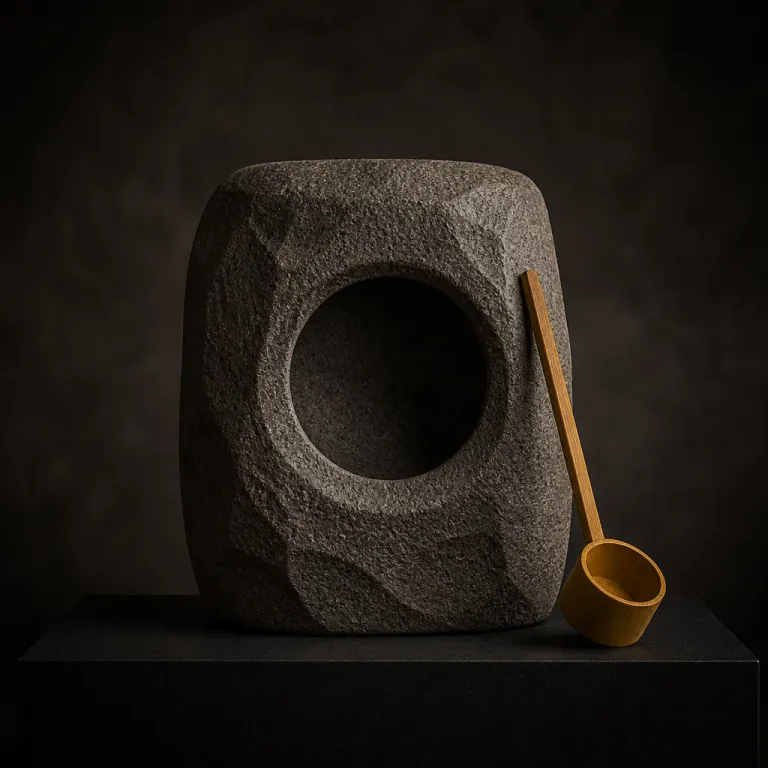
The Setouchi Ancient Sauna at KAI Miyajima is not a decorative add on; it is a compact stone dome where radiant heat rises from the floor, walls, and ceiling, and guests must stoop and almost crawl through a low entrance. This ancient sauna format references Kamakura period bathing, when hot air and stone were as central to purification rituals as any hot spring pool, and it gives this Hiroshima Prefecture onsen a tactile, almost monastic counterpoint to the open air baths upstairs. Couples used to polished spa circuits in city hotels will find the experience more elemental, closer to a coastal cave warmed from within than to a modern steam room.
Once inside the dome, the air feels dry and hot, and the curved stone amplifies every drop of water that hisses on the floor. An attendant may ladle water over heated rocks, releasing a wave of steam that rolls slowly along the ceiling before settling around seated guests. Short sessions in the ancient sauna can be alternated with immersion in the public hot baths, where atsu yu and nuru yu pools allow guests to shift between higher and lower temperatures while still facing the sea. This rhythm between intense heat and gentler hot spring water is what sets KAI Miyajima apart from more conventional onsen resorts in the Setouchi region, and it echoes the contrast you feel when moving from a snow edged rotenburo in Ginzan to a milder valley bath in summer, as explored in this guide to Ginzan Onsen after the snow melts.
Hoshino Resorts positions the KAI collection as a series of spring ryokan properties where each address expresses a different hot spring culture, and here the focus is firmly on the Setouchi relationship between sea breezes, stone architecture, and rising steam. While KAI Kusatsu in Gunma Prefecture leans into the sulfur rich character of Kusatsu Onsen and its dramatic yubatake, KAI Miyajima uses the inland sea climate and the memory of coastal saunas to define its identity. For travelers comparing Hoshino, Hoshinoya, and OMO properties, this new opening shows how one brand can stretch from design led city hotels to deeply regional onsen without losing a consistent standard of rooms, service, and food.
Seto Inland Sea views, Hiroshima access, and how to book KAI Miyajima
Location is the second pillar of this Hiroshima onsen story, because the resort sits directly across from Itsukushima Shrine on the Seto Inland Sea. Guest rooms face the water so that sunrise and the illuminated torii gate become part of the nightly routine, and the top floor hot spring baths are calibrated so the pool edge lines up visually with the sea surface. For couples, that means you can move from a quiet room with tatami and low seating to an open air bath where ferries cross the horizon, without ever losing sight of why this prefecture coastline has drawn pilgrims for centuries.
Reaching Miyajima is straightforward from Hiroshima Station, with local trains and ferries connecting the city to the island in under an hour, and the resort itself is expected to be a short walk from the pier area once detailed access information is released. Hoshino Resorts has announced that KAI Miyajima will open in summer 2026, so travelers planning a Hiroshima Prefecture itinerary that also includes Peace Memorial Park and the city’s museums can already start aligning dates. For those building a longer hot spring journey that links the Setouchi region with northern escapes, an itinerary that pairs this inland sea retreat with elegant onsen in Hokkaido offers a useful counterpoint in climate, water quality, and style.
Booking patterns for the KAI brand suggest that sea facing guest rooms at new openings sell out quickly, especially when the property launches with a strong narrative like this Setouchi Ancient Sauna revival. Couples who value privacy should look for room categories that combine in room baths with access to the public hot facilities, and they can compare these layouts with other Hoshino Resorts properties such as urban OMO hotels or the more secluded Hoshinoya retreats. Reservations can be made through the official Hoshino Resorts website, where room descriptions, sample kaiseki menus, and package details are updated as the opening date approaches. If you prefer to pair a stay here with an urban soak, consider adding a night in Osaka at a property with private baths, using a curated guide to Osaka private onsen retreats to balance the inland sea calm of Miyajima with a final city immersion.
How KAI Miyajima fits into Japan’s wider hot spring map
KAI Miyajima is part of a broader expansion in which Hoshino Resorts uses the KAI brand to map out different hot spring cultures across Japan, from the volcanic basins of Gunma Prefecture to the coastal inlets of the Setouchi region. Properties like KAI Kusatsu in Kusatsu Onsen focus on high altitude, sulfur rich water, while this new Hiroshima Prefecture address leans into the milder maritime climate of the Seto Inland Sea and the memory of stone domed saunas. For travelers, that means a single brand can now frame a journey that moves from mountain to sea, from dense steam to gentle coastal air, without sacrificing consistency in service or room design.
Within the Hoshino Resorts portfolio, KAI Miyajima also acts as a bridge between the more resort like Hoshinoya properties and the urban OMO hotels that cluster around major station hubs. Couples can arrive via Hiroshima Station, spend nights in a city OMO hotel, then shift to this spring ryokan where every room faces the sea and the only real agenda is the rhythm between ancient sauna, hot spring bath, and kaiseki dinner built around Hiroshima ingredients such as oysters and lemons. A local chef involved in menu development has noted that “the inland sea gives us gentle flavors, so the dishes are designed to refresh you between sauna sessions rather than weigh you down.” That contrast between city energy and inland sea stillness is one of the strongest arguments for including Miyajima in a wider itinerary.
For readers tracking trends rather than planning a single trip, KAI Miyajima signals how seriously Japanese operators now take regional bathing heritage, choosing to revive an ancient sauna rather than chase generic spa fashions. The move aligns with a wider rise in cultural tourism, where travelers seek specific experiences tied to place, whether that means a snow framed rotenburo in Yamagata, a cliffside pool in the Setouchi region, or a compact urban bath in Osaka. In that context, this Hiroshima onsen opening feels less like another resort and more like a precise argument for why the Seto Inland Sea still matters in the global conversation about hot spring travel.