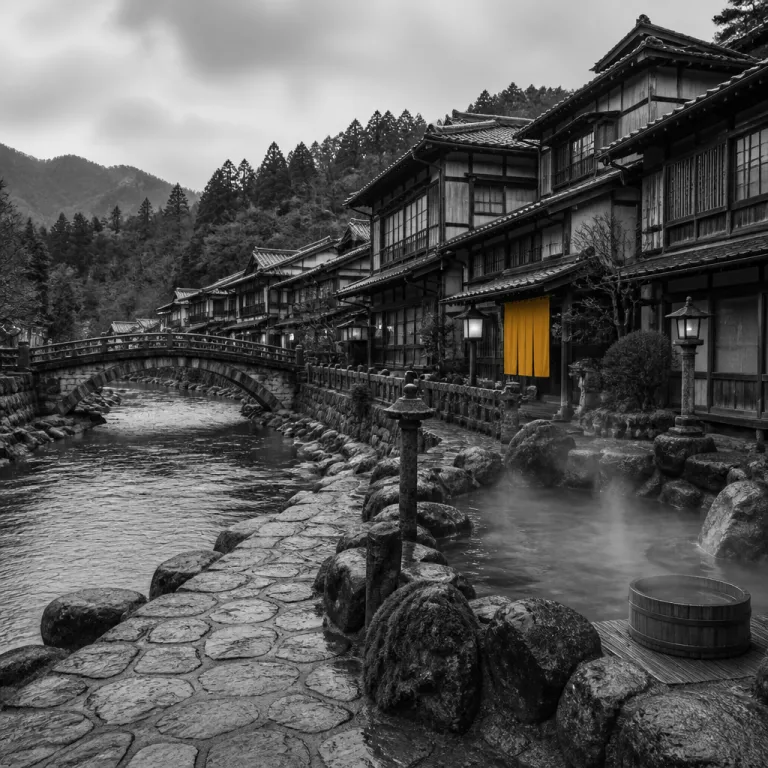
Takayama onsen in Hida: why this hot spring town belongs on your luxury list
Takayama Onsen sits in the heart of Hida, a mountain region in Gifu Prefecture that blends refined hot spring culture with beautifully preserved streets. In this compact Takayama town, traditional wooden houses line the old quarter while discreet onsen ryokan and premium hotel properties offer serene guest rooms with natural spring water flowing directly into the baths. The result is a rare balance of authentic Japanese atmosphere, polished service, and easy access from major cities in Japan.
The wider area of Hida Takayama is renowned for its Edo period architecture, and staying overnight lets you enjoy the hot spring experience when the day trippers have gone. Many travelers choose Takayama Onsen because they can walk from their hotel to the morning markets in just a few minutes, then return to soak in open air rotenburo before dinner. This rhythm of town exploration, hot spring immersion, and seasonal cuisine defines the most rewarding stays in onsen Gifu.
There are around twenty onsen facilities in Takayama, according to the Takayama City Tourism Division, ranging from intimate onsen ryokan with only a handful of style rooms to larger properties with extensive spring baths and western style rooms. Takayama Green Hotel, for example, combines a full scale resort layout with indoor and open air baths that draw natural hot spring water from beneath the city. For travelers comparing different hot spring regions in Japan, Takayama offers a quieter alternative to Hakone or Beppu while still providing excellent access by rail and air.
Access, location, and how many minutes from hot spring to heritage streets
Reaching Takayama Onsen is straightforward, which matters when you are planning a short luxury escape. From Nagoya, the Limited Express Hida train glides through the Hida mountains and arrives at Takayama Station in roughly two and a half hours, placing you within minutes of most leading onsen ryokan and hotel addresses. Once you step out of Takayama Station, taxis and compact streets make it easy to reach your house style accommodation or larger property without stress.
Many premium stays cluster between Takayama Station and the preserved Takayama town center, so you can walk from your guest rooms to the old merchant quarter in ten to fifteen minutes. This proximity allows you to schedule private bath sessions around visits to sake breweries, museums, and the riverside morning markets that define daily life in Hida Takayama. Because the town is relatively flat and compact, even travelers who prefer western style rooms and minimal walking can enjoy the main sights without long transfers.
For those combining regions, Gifu’s central position in Japan makes Takayama Onsen a natural stop between Tokyo, Kyoto, and the Japanese Alps. Travelers who have already experienced a refined hot spring retreat with Japanese style rooms in Hakone, such as the properties highlighted in this guide to a Hakone hot spring retreat with Japanese style rooms, often appreciate Takayama’s quieter streets and more intimate scale. Whether you arrive by rail or by air via nearby regional airports, the combination of easy access and compact town planning makes it simple to maximize time in the baths rather than in transit.
Choosing between onsen ryokan and luxury hotels in Takayama town
One of the key decisions in Takayama Onsen is whether to book a traditional onsen ryokan or a full service hotel with hot spring facilities. Onsen ryokan in Hida Takayama typically feature tatami floored style rooms, futon bedding, and kaiseki dinners that showcase local produce and Hida beef, served either in your guest rooms or in private dining spaces. Luxury hotels, by contrast, tend to offer a mix of western style rooms and Japanese style rooms, larger public spring baths, and a wider choice of restaurants.
Takayama Green Hotel illustrates how a larger property can still feel rooted in onsen culture, with multiple indoor baths, open air rotenburo, and convenient access to Takayama town by shuttle or a short taxi ride. Travelers who value the ritual of changing into yukata and moving between different hot spring pools often gravitate toward such hotels, especially when they offer both rooftop open air baths and more secluded indoor spring baths. Those who prefer a quieter, house like atmosphere may instead choose a smaller onsen ryokan where baths private to each room or family group can be reserved by the hour.
When comparing options, consider how much time you plan to spend in the town versus in the property itself, and whether you prefer the structure of inclusive meals or the flexibility of dining out. Some guests pair a stay in Takayama Onsen with nights in other regions, such as the refined northern retreats highlighted in this overview of elegant escapes to onsen in Hokkaidō, to compare different hot spring styles across Japan. In every case, reading detailed room descriptions and bath layouts is essential, because the balance between guest rooms, public baths, and baths private to suites varies widely between properties.
Inside the baths: spring water, open air soaking, and private experiences
The essence of Takayama Onsen lies in the quality of its spring water and the variety of bathing spaces available. Most properties draw natural hot spring water from underground sources, piping it into indoor pools, outdoor open air baths, and in some cases into private bath facilities attached to premium rooms. Temperatures are usually kept comfortably hot rather than scalding, allowing guests to soak for several minutes at a time while enjoying the mountain air.
Many hotels and onsen ryokan in Hida Takayama design their open air baths to frame views of gardens, town rooftops, or distant peaks, creating a sense of calm that extends beyond the water itself. Some suites feature semi open air rotenburo on balconies, effectively functioning as open air baths where you can feel the breeze while still enjoying privacy, and these baths private to the room are especially valued by couples and families. Properties such as Takayama Green Hotel also provide multiple spring baths with different depths and temperatures, encouraging guests to move between them as part of a longer wellness ritual.
For travelers new to onsen culture, it is important to understand etiquette before entering any shared baths, including the requirement to wash thoroughly before soaking and to keep towels out of the water. Local tourism information emphasizes that “Check onsen etiquette before visiting. Some facilities may require reservations.”, and this applies equally to public baths and to private bath slots that must be booked in advance. When planning a stay in onsen Gifu, consider whether you prefer large communal open air baths with a social atmosphere or more secluded spring baths where the focus is entirely on quiet relaxation.
Takayama ouan, Hida beef dining, and the rhythm of the town
Among the properties in Takayama Onsen, Takayama Ouan has become a reference point for travelers who appreciate a blend of traditional design and modern comfort. Its guest rooms combine Japanese elements with western style bedding, while the rooftop open air baths offer sweeping views over Takayama town and the surrounding Hida hills. For many guests, the ability to move from a hot spring soak directly to a relaxed lounge or bar area is a defining luxury.
Cuisine is another pillar of the experience, and Hida beef is the star ingredient that appears on many menus across onsen ryokan and hotel restaurants. Whether grilled at the table, served as shabu shabu, or incorporated into kaiseki courses, Hida beef pairs beautifully with the slow pace of an evening that begins with spring baths and ends with a final open air bath under the night sky. Some travelers even structure their itineraries around culinary highlights, combining a stay in Takayama Onsen with a dedicated Kobe beef interlude such as the one described in this elevated Kobe beef onsen itinerary.
Outside the properties, the town itself offers gentle diversions that fit naturally around bathing times. Early risers can walk from their rooms to the riverside morning markets in a few minutes, then return to their onsen Takayama base for a late breakfast and another session in the hot spring pools. As evening falls, the streets around the old town house district grow quiet, and many guests choose to end the day with one last visit to the baths private to their floor or to the larger communal open air baths.
Planning a refined itinerary in onsen Gifu and beyond
Designing a luxury itinerary around Takayama Onsen begins with deciding how many nights to allocate to the town itself. Two nights allow enough time to enjoy multiple spring baths, explore the historic streets, and sample Hida beef without rushing, while three nights create space for a day trip into the wider Hida region. Because Gifu sits in central Japan, many travelers weave Takayama Onsen between stays in Kyoto, Kanazawa, or the Japanese Alps, using Takayama Station as a convenient rail hub.
When booking, pay close attention to room categories, especially the distinction between standard guest rooms and suites with private bath facilities. Properties that offer semi open air baths attached to rooms often label them as special style rooms, and these can sell out quickly during peak foliage and snow seasons, so securing them several months in advance is wise. Travelers who prefer western style rooms with beds rather than futons should confirm this at the reservation stage, as some onsen ryokan default to fully Japanese layouts unless otherwise specified.
It is also worth checking whether your chosen hotel or onsen ryokan offers shuttle services from Takayama Station, as this can reduce transfer time to just a few minutes and make arrival smoother after a long journey. For those arriving by air, regional airports connect with buses that feed into Takayama, and coordinating these schedules with check in times ensures you can move quickly from transit to the first hot spring soak. Finally, remember that policies on tattoos vary between properties in Takayama Onsen, and local guidance notes that “Takayama Onsen is enjoyable year-round, with each season offering unique experiences.” and “Are tattoos allowed in Takayama Onsen? Policies vary; some onsen allow tattoos if covered, others may prohibit them.”, so confirming details in advance avoids surprises at the baths.
Key figures and practical statistics for Takayama onsen stays
- Takayama hosts around 20 onsen facilities, according to the local tourism board, which is a relatively high concentration for a town of its size and ensures a wide choice of hot spring styles for visitors.
- Most leading hotels and onsen ryokan lie within 5 to 15 minutes on foot or by taxi from Takayama Station, allowing travelers to minimize transfer time and maximize hours spent in the baths.
- Takayama Onsen operates year round from morning to night, so guests can schedule multiple daily bathing sessions, adjusting the timing to match seasonal temperatures and personal routines.
- The town of Takayama sits at approximately 36.14 degrees north and 137.25 degrees east in Gifu Prefecture, placing it in the Hida mountains and contributing to cooler air that enhances the pleasure of open air baths.
FAQ about Takayama onsen and luxury hot spring stays
What is the best season to visit takayama onsen for a luxury stay ?
Takayama Onsen is enjoyable throughout the year, and each season offers a different mood for hot spring bathing. Spring brings cherry blossoms along the river, summer offers lush greenery and cooler mountain air, autumn highlights foliage around the town, and winter frames open air baths with snow. For many luxury travelers, the contrast between cold air and hot spring water in late autumn or winter is especially appealing.
How many nights should I stay in Takayama to enjoy the hot springs and town ?
Two nights in Takayama Onsen usually provide enough time to experience multiple spring baths, explore the old town, and visit the morning markets without rushing. A third night allows for a slower pace and potential day trips into the wider Hida region, including rural villages and scenic valleys. Shorter one night stays are possible but tend to feel compressed, especially if you arrive later in the day.
Are tattoos accepted in Takayama onsen facilities ?
Policies on tattoos vary between hotels and onsen ryokan in Takayama, so it is essential to check in advance. Some properties allow tattoos if they are small or can be covered with patches, while others may restrict access to shared baths and instead recommend private bath options. When in doubt, contact your chosen property directly and ask about both public baths and baths private to rooms or families.
Do I need a reservation for private baths or special room types ?
Many properties in Takayama Onsen require reservations for private bath slots, especially during busy weekends and holiday periods. Suites with semi open air baths or special style rooms that include in room hot spring facilities also tend to sell out early. Booking these categories several months ahead and confirming any time based reservations for open air baths ensures a smoother and more relaxed stay.
Is Takayama suitable for travelers who prefer western style rooms ?
Takayama offers a good mix of Japanese style rooms and western style rooms, particularly in larger hotels such as Takayama Green Hotel and Takayama Ouan. Travelers who prefer beds rather than futons can usually find suitable guest rooms, though it is important to specify this preference when booking. Combining western style rooms with access to traditional spring baths allows guests to enjoy onsen culture without sacrificing familiar sleeping arrangements.