KAI Matsumoto: Asama Onsen’s renewed spring ryokan in Matsumoto city
Note: Details such as address, room count, spring temperature, dining format, audio equipment, and rates are based on Hoshino Resorts’ official information for KAI Matsumoto as of publication. Guests should confirm the latest specifications, prices, and inclusions directly with the property when booking.
Asama Onsen’s renewed spring ryokan in matsumoto city
KAI Matsumoto has reopened in Asama Onsen as a fully renovated kai matsumoto onsen ryokan operated by Hoshino Resorts, positioned in a 1,300 year old hot spring district rather than a sealed resort bubble. The address at 1-31-1 Asama Onsen in Matsumoto city places the ryokan about 15 minutes by car from JR Matsumoto Station in Nagano prefecture, so couples can pair long bathing experiences with easy access to galleries, cafés and the famous castle. For travelers comparing hot springs across Japan, this spring ryokan now stands as Hoshino Resorts’ boldest test of how far a traditional onsen ryokan can bend toward contemporary luxury without losing the feel of a japanese style inn.
The renovated property is officially listed with 29 rooms, and 19 of these rooms include a private open air bath that draws hot spring water from the Asama onsen source at around 42 °C. Some earlier materials still mention 50 rooms, yet the latest Hoshino Resorts press information confirms the smaller key count and emphasizes that each room private layout is designed for couples who want quiet, music focused evenings. For guests who care more about the quality of the bath than the thread count, the variety of hot spring pools and both dry and wet saunas matters more than any lobby flourish.
Asama onsen water has long been valued in nagano for its gentle feel on the skin and its steady heat, and here the design leans into that with multiple indoor pools and open air baths that frame the surrounding mountains of Nagano prefecture. The kai brand has been steadily refining this balance between local onsen character and modern comfort across its portfolio, and KAI Matsumoto now joins properties like KAI Miyajima, whose stone sauna on the Seto Inland Sea revives a Kamakura era bathing tradition, as part of a broader experiment in regional storytelling. For couples already planning circuits that include more rugged rotenburo such as Hokkaido’s wildest open air baths where the landscape does all the talking, this matsumoto base offers a more polished, music filled counterpoint.
Check in is from 15:00 and check out is at 12:00, and guests typically reserve through the official Hoshino Resorts booking channels or major travel agencies, timing their arrival to match public transport from JR Matsumoto Station or highway buses into the city. When planning, consider adding time for a slow walk through Matsumoto’s castle district before returning to the hot spring baths.
From kaiseki to fine Italian cuisine and Shinshu wine
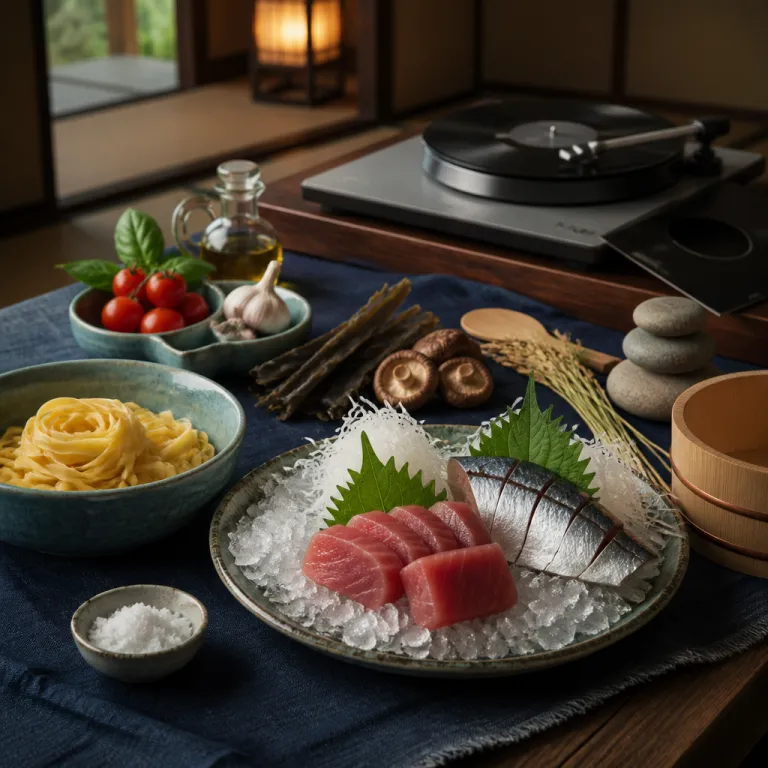
The headline change at this kai matsumoto onsen ryokan is culinary rather than architectural, because Hoshino Resorts has replaced the expected multi course japanese cuisine kaiseki with a full italian cuisine dinner paired to Nagano wines. Official materials frame the shift as a way to align the ryokan with its Shinshu wine country setting around matsumoto and the broader nagano region, where cool climate vineyards now sit alongside long established hot springs. For couples used to the ritual of kaiseki in a japanese style tatami room, the move to fine Italian courses will feel radical, yet it may also free up the evening to focus on conversation, music and the next bath.
Rates start from 41,000 JPY per person for two guests sharing, including tax, service, breakfast and dinner, which keeps this spring ryokan firmly in the premium luxury bracket for nagano prefecture. That price now buys a sequence of fine Italian plates built around local Shinshu ingredients, served either in the dining room or in some cases in a more private room setting, plus access to the full range of hot spring baths and saunas. For wine focused travelers, the presence of a dedicated wine bar concept that highlights regional bottles turns KAI Matsumoto into a rare onsen ryokan where guests enjoy structured pairings rather than sake alone.
Traditionalists who travel to matsumoto city specifically for japanese cuisine may miss the seasonal kaiseki choreography, from the lacquered trays to the quiet explanations of each course. Hoshino, however, is betting that a clear italian identity, supported by authentic ingredients and chefs experienced in Italian techniques, will resonate with international guests who already associate Nagano with alpine landscapes and European style mountain food. The operator’s own FAQ underlines the intent behind the change with the line : “Why did KAI Matsumoto switch to Italian dining? To offer a unique cultural fusion experience.”
Music, private onsen rooms and who this ryokan now suits
The other defining shift at this kai matsumoto onsen ryokan is sonic rather than visual, because every room now includes a record player as standard equipment for music appreciation. Hoshino Resorts describes this as a way to slow the evening rhythm, encouraging guests to move between the room private listening space and the hot bath rather than defaulting to screens. For couples used to city hotels where background music is curated centrally, the ability to choose a record, slide open the shoji and step straight into a private onsen on the terrace changes the emotional temperature of the stay.
Across the 29 rooms, layouts vary from compact doubles to more expansive suites, yet the through line is intimacy, with many rooms offering a private open air bath that lets guests enjoy the contrast between hot water and cool mountain air. In the shared zones, a mix of indoor and outdoor hot spring baths, plus both dry and wet saunas, creates a circuit that rewards slow, repeated bathing experiences over a one and done dip. For travelers mapping a longer route through central Japan, KAI Matsumoto can sit between Takayama onsen elegance in the Hida mountains and more remote alpine lodges, giving one night of design forward luxury in matsumoto before heading deeper into the ranges.
This reopening clearly targets design minded couples and small groups of guests who value atmosphere, music and wine as much as the mineral content of the hot spring. Those who see a ryokan stay as inseparable from tatami dining and purely japanese cuisine may feel that the italian focus and the emphasis on music push the property closer to an international resort than a classic inn. The operator’s own FAQ also reminds first time visitors what remains unchanged at the core with the line : “What is an onsen ryokan? A traditional Japanese inn featuring hot spring baths.” Guests ready to book can secure a stay through official Hoshino Resorts reservation channels or trusted travel agencies that handle KAI brand properties.