Why the new onsen ryokan opening 2026 story points north
The most interesting new onsen ryokan opening 2026 is not in Tokyo or Kyoto. It is KAI Zao, a new hot spring ryokan scheduled to open in 2026 in the highlands of Yamagata, and it signals a quiet shift in where serious hot spring travelers should look next in Japan. For couples planning a romantic escape, this upcoming retreat’s story is about heading into snow country rather than staying in the already popular golden triangle.
Hoshino Resorts has confirmed through its official press release that KAI Zao will open in Zao Onsen with 49 rooms, becoming the company’s first property in the prefecture, and that single fact matters for anyone tracking where refined onsen ryokans are going.[1] When a group as influential as Hoshino Resorts chooses a spring town, it usually means the mineral profile, landscape and access are aligned for long term appeal rather than short term news. Couples who once defaulted to a night near Shinjuku before flying home may now be tempted to add a detour north for one last hot spring immersion in the mountains.
This is not a retreat chasing the bright lights of Shinjuku or the coastal drama of Miyajima; instead, it leans into altitude, snow and sulfur. The move echoes how KAI Kusatsu and KAI Matsumoto helped reframe their respective spring towns as destinations for design minded guests rather than only for coach tours. In the same way that KAI Kusatsu elevated Kusatsu Onsen for travelers who care as much about guest rooms and kaiseki cuisine as about the hot springs themselves, KAI Zao is poised to make its corner of Tohoku feel like the new top tier address on the map.
KAI Zao’s crater inspired rooftop and the new mountain skyline
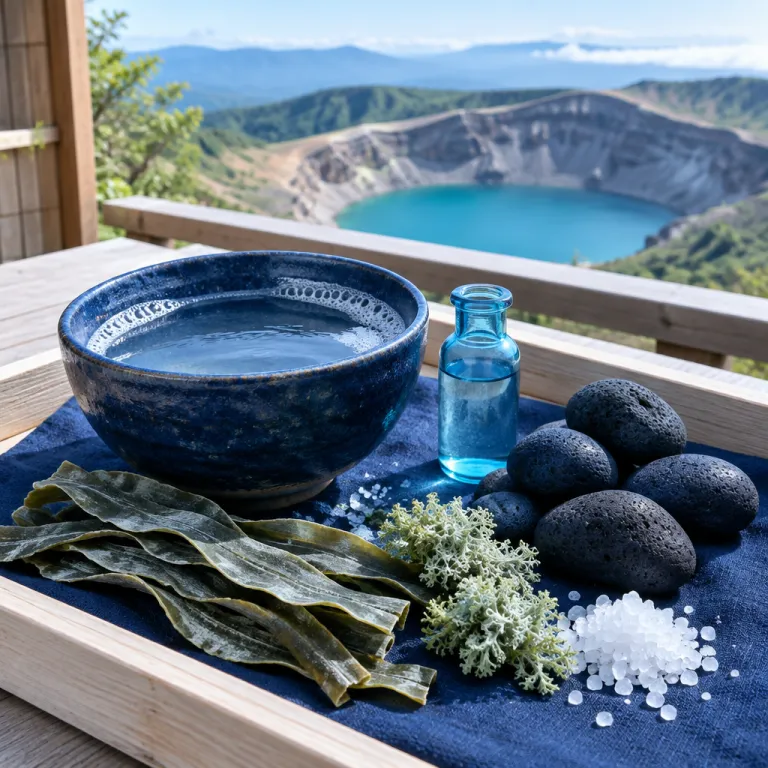
At KAI Zao, the rooftop terrace is not an afterthought; it is the thesis. Hoshino Resorts has stated that this elevated deck takes its cue from the Okama volcanic crater lake, with a central jacuzzi ringed by native alpine plants and framed by panoramic mountain views that will appeal to couples who care as much about the horizon line as the thread count. In a country where many onsen ryokans still hide their best baths at ground level, this rooftop gesture feels like a quiet revolution.
Think of it as a cousin to the open air baths at properties such as Hotel Hatsuhana in Hakone, where the view from the rotenburo becomes the real lobby for arriving guests. Here in Zao, the open air experience shifts upward, turning the roof into a stage where steam, sky and snow share equal billing, and where each guest room below becomes a launchpad for nightly ascents. For couples, that means slipping out of traditional rooms, taking a short walk to the elevator and emerging into a world where the air is sharper and the water is still hot enough to soften travel weary shoulders.
The design also hints at how future hot spring inns may treat their rooftops less as mechanical zones and more as sanctuaries, especially in compact spring towns where every square metre matters. While KAI Kusatsu and KAI Miyajima lean on their respective landscapes at ground level, KAI Zao’s crater inspired terrace suggests that the next wave of new onsen ryokan opening 2026 projects could look up rather than out. For travelers used to urban terraces in Shinjuku or OMO branded city hotels, the idea of a mountain rooftop where snow falls into hot water feels like a far more compelling use of altitude.
Zao’s acidic sulfur water and how it feels on the skin
Zao Onsen has long been known among Japan’s hot spring devotees for its strongly acidic sulfur water, and KAI Zao is being built to showcase that character rather than dilute it. According to Hoshino Resorts, the dedicated bathhouse at this new mountain retreat opening 2026 will feature three tubs with different mineral concentrations, allowing guests to feel how the same spring can shift from bracing to enveloping. For couples used to softer hot springs in places like Atami or Hakone, this will be a noticeably more assertive soak.
Strongly acidic hot springs can tingle on the skin, especially on freshly shaved areas, and they often carry a pronounced mineral scent that some guests find addictive and others need a few minutes to embrace. The payoff is a sense of deep cleansing and warmth that lingers long after you leave the water, which makes an evening bath followed by quiet time in your room particularly appealing in colder months. Travelers who have enjoyed the refined waters at Furuya Ryokan in Atami, where the focus is on gentle thermal comfort, may find Zao’s profile more intense but also more memorable.
For couples planning an itinerary that links different onsen ryokans, the contrast between a milder coastal hot spring and Zao’s sharper sulfur can become part of the journey’s narrative. One practical tip is to limit your first dip in the most concentrated tub to ten or fifteen minutes, then move to a slightly softer pool to let your skin recalibrate. That way, the new onsen ryokan opening 2026 in Zao becomes not just another stop but the chapter where you learn how varied Japan’s hot springs can be from one spring town to the next.
The couple case for an autumn escape into Tohoku snow country
For couples, the appeal of a new onsen ryokan opening 2026 in Zao is as much about timing as it is about architecture. An autumn debut in Tohoku’s snow country means you can arrive while the slopes are still streaked with red and gold, then return later in the season when the same ridgelines turn monochrome and the air baths on the rooftop feel almost cinematic. That seasonal duality makes KAI Zao a compelling anchor for repeat visits rather than a one time checkmark.
Compared with more crowded hot spring hubs such as Kusatsu Onsen or the islands around Miyajima, Zao Onsen offers a quieter rhythm that suits couples who prefer long walks between baths and unhurried kaiseki cuisine over nightlife. You might spend the afternoon moving between the three mineral rich tubs in the bathhouse, then retreat to guest rooms that frame the mountains like a painting before heading out for a simple soba kappo style dinner in town. The focus is less on elaborate resort theatrics and more on the small rituals that make a shared trip feel intimate: the short walk back to your ryokan in the cold, the shared silence in an open air pool, the way the sulfur scent lingers on your skin.
For travelers mapping a longer route through Japan, Zao can sit comfortably between urban days in Tokyo and quieter nights in the Alps or along the coast. A refined onsen itinerary that links the capital, the Japanese Alps and the western seaboard can easily accommodate a northern detour, and resources such as a three week onsen focused journey show how to structure that kind of trip. In that context, the new onsen ryokan opening 2026 in Zao becomes the cool weather counterpoint to softer, lower altitude springs elsewhere.
Scale, character and what Hoshino’s 30 by 2030 push means for travelers
Hoshino Resorts has been explicit about its ambitions for the KAI brand, stating that the fifteenth anniversary year will mark an acceleration toward a portfolio of thirty properties by 2030.[2] KAI Zao, as a new onsen ryokan opening 2026 in a less saturated region, is part of that wider strategy to move beyond the most obvious spring towns. For travelers, the question is whether this growth will dilute the sense of place that makes onsen ryokans feel so distinct or whether it will simply make it easier to find reliable quality in more corners of Japan.
Looking at existing properties such as KAI Kusatsu, KAI Miyajima and KAI Matsumoto, a pattern emerges in how Hoshino Resorts tends to anchor each ryokan in a specific local narrative, whether that is the volcanic energy of Kusatsu Onsen, the island calm of Miyajima or the castle town elegance of Matsumoto. The same group also operates Hoshinoya Fuji, a lakeside retreat that shows how a strong concept can coexist with brand scale when handled carefully. For couples, this means that a new onsen ryokan opening 2026 under the same umbrella is likely to deliver consistent hardware in guest rooms and public spaces while still leaving room for local nuance in kaiseki cuisine and service style.
At the same time, the spread of branded onsen ryokans raises fair questions about what happens to smaller independent ryokans in the same spring town, especially in places that are only a few minutes bus ride apart. Some travelers will always prefer a single family run ryokan reached via a private tunnel from the station, where the rooms are idiosyncratic and the news never reaches a glossy press release. Others will welcome the clarity that comes with a recognizable name like Hoshino Resorts or OMO when scanning options late at night, trying to choose between different rooms and guest rooms categories for a special trip.
How to read the new onsen ryokan opening 2026 map beyond KAI Zao
While KAI Zao is the clearest signal of the northern and rooftop trend, it also serves as a lens for reading other new onsen ryokan opening 2026 projects across Japan. Look for properties that treat their roofs as extensions of the bathing experience, whether through open air pools, semi enclosed air baths or terraces where couples can sit wrapped in yukata after dark. Pay attention to how each ryokan talks about its water in official news and press release materials, because the most serious onsen ryokans will always lead with the spring rather than the spa menu.
In practical terms, that means scanning for details about source temperature, mineral composition and how many baths draw directly from the hot spring rather than relying on reheated water. It also means noticing whether the ryokan is in the dense heart of a spring town or a short minutes bus ride away, which can change the feel of your stay from sociable to secluded. Couples who value quiet may prefer a property slightly removed from the most popular streets, where the short walk back from dinner passes only a few lanterns and the sound of water.
As you compare options, consider how each ryokan integrates its rooms with the bathing experience: do guest rooms have their own small open air tubs, or is the focus on shared facilities that encourage you to move through the building together. Some travelers will prioritize elaborate kaiseki cuisine or a specialist soba kappo counter, while others care more about whether the hot springs are visible from bed. For a deeper sense of how traditional stays can still feel intimate within a broader network of properties, it is worth reading about an established retreat such as a refined hot spring retreat in the hills of Hakone, then using that as a benchmark when evaluating the new onsen ryokan opening 2026 wave.
FAQ
What makes KAI Zao different from other new onsen ryokan opening 2026 properties
KAI Zao stands out because Hoshino Resorts has designed it around Zao Onsen’s distinctive acidic sulfur water and a rooftop terrace inspired by the Okama volcanic crater lake. The dedicated bathhouse with three mineral concentrations and the crater like rooftop jacuzzi together create a focused, mountain specific experience. For couples, that combination of serious water and dramatic views is rare among new openings.
Is Zao Onsen suitable for first time hot spring travelers
Zao Onsen can be an excellent choice for first time visitors who are curious about more intense mineral water and willing to follow basic bathing etiquette. The strongly acidic springs may feel sharper on the skin than gentler baths in other regions, so shorter initial soaks are wise. In return, you gain a vivid sense of how powerful Japan’s hot springs can be.
How should couples plan an itinerary that includes KAI Zao
Many couples will find it effective to place Zao Onsen after a few nights in Tokyo or another major city, using the mountain stay as a reset before flying home. Others may weave it into a longer route that also includes the Japanese Alps or coastal towns, balancing different styles of onsen ryokans. The key is to allow at least two nights so you can experience both daytime and evening baths without rushing.
Does the growth of Hoshino Resorts reduce the charm of traditional ryokans
Brand expansion inevitably changes the landscape, but it does not erase the appeal of smaller independent ryokans. Hoshino Resorts properties such as KAI Kusatsu and KAI Miyajima show that scale can coexist with strong local character when design and operations are thoughtful. Travelers who value intimacy can still seek out family run inns, while those who prioritize predictability may gravitate toward branded onsen ryokans.
What should I look for when choosing between different new onsen ryokan opening 2026 options
Focus first on the quality and character of the hot spring itself, then on how the ryokan integrates that water into its baths and rooms. Consider whether you prefer rooftop open air pools, private in room tubs or larger communal facilities, and how important elaborate kaiseki cuisine is to your stay. Location within or outside the spring town, as well as ease of access by train or bus, should round out your decision.
Access note: Zao Onsen is typically reached via Yamagata Station, around 2.5–3 hours from Tokyo by shinkansen, followed by an approximately 40 minute bus ride into the hot spring village. Travel times may vary by season and timetable; always confirm current schedules before departure. Based on recent Hoshino Resorts openings, reservations for KAI Zao are likely to open roughly six to nine months before the official launch, with an indicative target around autumn 2026.
References: [1] Hoshino Resorts official KAI Zao press release (facility outline and room count, including 49 guest rooms). [2] Hoshino Resorts KAI brand announcement outlining the goal of 30 properties by 2030 and the fifteenth anniversary expansion plan.