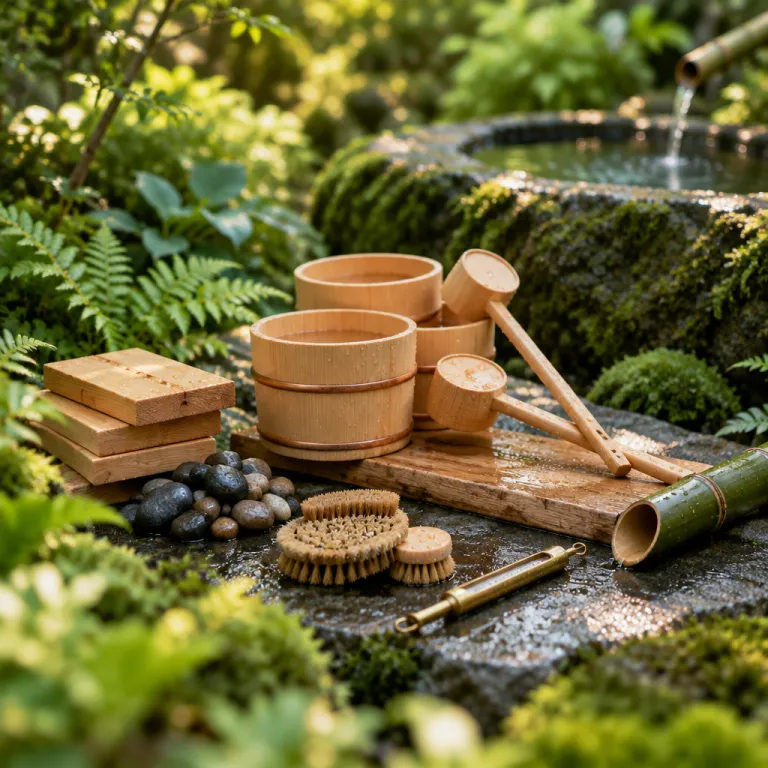
Reading the tub: why material matters in a hinoki bath onsen
Step into a hinoki bath onsen and the first thing your body registers is not the hot water, but the surface that holds it. The material of the bath quietly shapes the onsen hot atmosphere, from the scent in the air to how your mind body tension unwinds over time. For couples planning travel in Japan, learning to read the tub turns a simple spring bath into a deliberate, sensual experience.
In a traditional japanese onsen, the bathing area is a kind of architecture for relaxation, and the choice between a wood bath, stone basin or ceramic pool signals what the inn values most. Some hot springs lean into elemental drama with rough granite and very hot water, while others frame the experience around soft hinoki wood and gentle private bathing rituals. When you browse a luxury booking website, the bath room photos are not decoration ; they are a guide to how you will actually enjoy the hot spring.
Material also interacts with the chemistry of each hot spring, which can be alkaline, neutral or sharply acidic. Strongly acidic hot springs are hard on any bath hinoki or other wood bath, so you will often see stone or tile where the water would otherwise scar the surface over time. When you read guest feedback carefully, comments about the bath, the onsen hot pools and how easy it is to adjust temperature often reveal more than any marketing line about relaxation.
Hinoki cypress: scent, softness and the work behind that golden glow
A true hinoki bath onsen is defined by fragrance before anything else, as the pale hinoki wood releases a dry, citrus resin that hangs in the air bath like a forest after rain. Slide into a private bath made from cypress and you feel a faint give under your skin, a warmth that wraps the body differently from stone because the surface never feels shockingly hot. For couples, that softness and the open air aroma turn even a compact spring bath into a quietly romantic experience.
Japanese soaking culture treats hinoki as more than a pretty material ; it is a living surface that reacts to water, soap and time sauna humidity. A well kept bath hinoki will silver slightly at the rim where hot water meets air, and the bathing area will smell clean rather than perfumed, with no slimy film underfoot. When you book a japanese onsen with an in room private bathing tub, look closely at photos for even color, tight joints and minimal dark staining, because these details show whether the inn invests daily effort into care.
Hinoki baths demand discipline from the property and from guests, since standing water and harsh cleaners damage the wood bath fibers. Staff must rinse the bath room thoroughly, drain the onsen hot pool between uses and adjust temperature carefully so the hot water does not scorch the grain. If you are choosing between several hot springs that offer kashikiri style private bath options, a well maintained hinoki bath is usually a reliable clue that the wider spa experience is handled with the same precision, and you can deepen that research with a specialist overview of private onsen for two at this guide to kashikiri baths from Hakone to Kyushu.
Stone, granite and ceramic: heat, permanence and a cooler kind of luxury
Not every memorable hinoki bath onsen is built from wood, and many of the most atmospheric japanese onsen inns rely on stone or ceramic tubs to frame their hot spring water. Granite and basalt baths hold heat with a different character, keeping the hot water stable for a long time while the surface itself cools quickly where your body touches it. Couples who enjoy a slightly brisker sensation often prefer this contrast, especially in an outdoor open air bath where cold wind meets rising steam.
Stone baths excel in strongly mineralized hot springs, where iron, sulfur or acidic components would stain or erode hinoki wood too quickly for practical maintenance. A deep granite spring bath can feel almost cave like, with the sound of water against stone amplifying the sense of seclusion in the bathing area. Ceramic tubs, especially thick walled Shigaraki or Bizen pieces, offer a smoother touch on the skin and a more sculptural presence in the bath room, often paired with carefully placed lighting to emphasize the curve of the rim.
From a maintenance perspective, stone and ceramic allow an inn to run hotter pools and longer operating hours without worrying about warping a wood bath or needing to adjust temperature constantly. For travelers, this often translates into more varied onsen hot zones on site, from shallow lounging pools to deeper japanese soaking tubs that invite full immersion of the body. When you compare properties on a premium booking platform, pay attention to whether the hot springs layout mixes hinoki, stone and ceramic, because that variety usually signals a thoughtful spa program similar in intent to the layered wellness offerings described in this overview of refined relaxation at premium hot spring hotels on this guide to premium hot spring stays.
Rarer woods, air baths and what the tub reveals about an inn
While the archetypal hinoki bath onsen leans on cypress, some japanese onsen properties experiment with other woods and hybrid designs to shape the experience. Koya maki and other conifers appear in occasional wood bath installations, offering subtler aromas and slightly different textures against the skin, though they share many of the same maintenance demands as hinoki wood. You may also encounter semi open air bath rooms where a stone basin is wrapped in a wooden deck, creating a layered mind body effect as your feet feel timber while your shoulders rest against warm rock.
Designers sometimes play with the idea of an air bath, building deep soaking chairs or loungers beside the hot spring so that couples can alternate between immersion and dry warmth without leaving the bathing area. In these spaces, the material palette matters as much as the hot water itself, because the transition from wet to dry should feel coherent rather than jarring. When you read travel feedback, notice whether guests mention lingering comfortably between dips, since that usually means the surfaces, temperatures and seating have been calibrated with care.
In luxury japanese onsen settings, the tub material often telegraphs the inn’s priorities more honestly than any brochure language. A perfectly maintained hinoki bath in every private bathing suite suggests a willingness to absorb higher upkeep costs in exchange for a specific sensory signature. Mixed material hot springs complexes, where stone, tile and wood coexist, usually indicate a desire to offer multiple styles of bathing, from quick showers to slow japanese soaking sessions that stretch time and encourage deeper relaxation.
The couple’s case for an in room hinoki bath and how to choose well
For many couples planning travel in Japan, the ultimate luxury is an in room hinoki bath onsen that can be used at any time without sharing the bathing area. Having a private bath means you can adjust temperature to your preference, linger in the hot water after dinner and move between bed and tub in a robe rather than a yukata in a corridor. The intimacy of private bathing also changes how you experience the hot springs, turning a communal ritual into a quiet, shared mind body reset.
When you evaluate options on a premium booking website, look beyond the phrase private bath and study the bath room layout, the size of the tub and whether it is truly open air or only partially ventilated. A genuine open air hinoki bath will usually have at least one fully open side or a large window that can slide away, allowing steam to escape and cool air to meet the hot water surface. If the tub is indoors, check whether the ventilation and materials around the bath hinoki are robust enough to handle constant humidity, since poor design can lead to musty smells that undermine relaxation.
Material choice also influences how you will use time sauna facilities, if they are available. After a dry heat session, stepping into a wood bath lined with hinoki wood feels very different from entering a stone pool, because the softer surface is kinder to skin that has already been warmed and dried. As you refine your shortlist, it is worth pairing your onsen hot preferences with the inn’s culinary style, and resources such as this piece on how regional breakfast traditions define the ryokan you remember can help you balance the sensory priorities of water, food and space in one coherent stay.
FAQ
How does a hinoki bath feel different from a stone onsen tub ?
A hinoki bath feels warmer and softer against the body because wood does not draw heat away from the skin as quickly as stone. The hinoki wood also releases a dry, resinous aroma that many guests associate with relaxation and traditional japanese onsen culture. Stone tubs, by contrast, offer a cooler initial touch and a more elemental, cave like sound as water moves around you.
Is a wooden hinoki bath suitable for very hot spring water ?
Hinoki can handle hot water, but extremely high temperatures and strongly acidic hot springs shorten the life of the wood. Many inns that draw very hot spring sources will adjust temperature before the water reaches a bath hinoki tub to protect the grain. Where the chemistry is too aggressive, properties usually choose stone or tile for the main bathing area instead.
What should couples look for when booking a room with a private bath ?
Couples should confirm whether the private bath is filled with genuine hot spring water or regular heated tap water, and whether it is truly open air or enclosed. Photos should show the size of the tub, the materials used and how easy it looks to adjust temperature without leaving the bath room. Reading detailed travel feedback often reveals whether the private bathing setup feels genuinely luxurious or more like a decorative extra.
Are ceramic onsen tubs as comfortable as hinoki or stone baths ?
Ceramic tubs can be very comfortable, especially thick walled pieces that hold heat well and offer a smooth surface against the skin. They sit somewhere between stone and wood in feel, with less aroma than a hinoki bath but a gentler touch than rough granite. For guests who value design, ceramic tubs often provide striking shapes that enhance the overall bathing experience.
How can I tell if a hinoki bath is well maintained before I book ?
Look for photos that show even color on the hinoki wood, tight joints and minimal dark staining where hot water meets air. A clean bathing area without visible mold, along with guest comments praising the scent and feel of the tub, usually indicates careful daily upkeep. If images are dim or cropped tightly, it can be worth asking the property for clearer pictures of the bath before confirming your reservation.