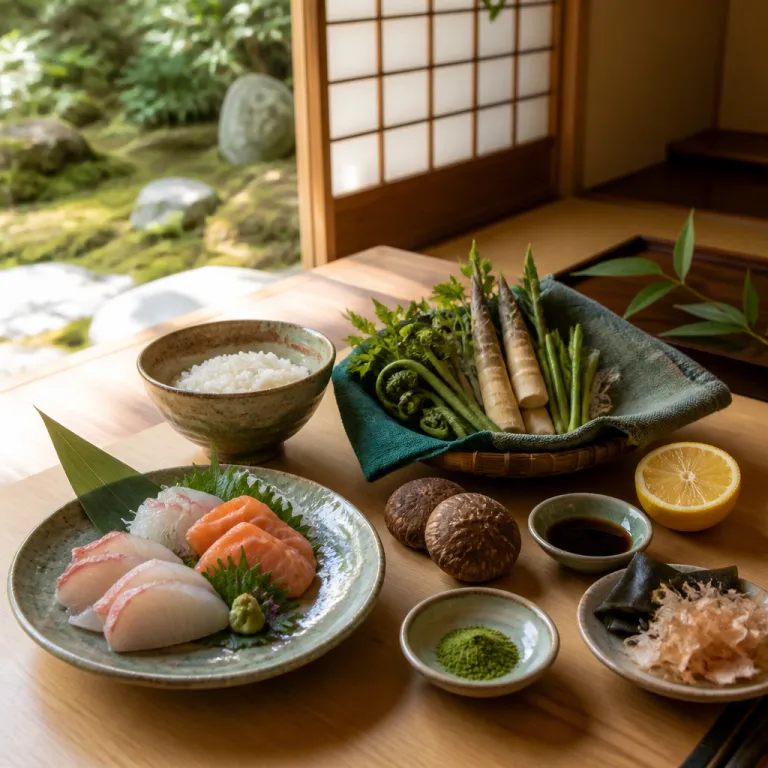
How to read a kaiseki dinner at an onsen ryokan
How to read a kaiseki dinner at an onsen ryokan
The most refined kaiseki dinner in Japan feels effortless, yet every course is choreographed to the minute. A serious onsen ryokan treats this multi course ritual as a narrative arc, and understanding that arc will change how you remember the meal. Think of this as a practical guide to a traditional kaiseki dinner at a hot spring inn, written for travelers who want to taste the story rather than just the food.
Traditional kaiseki ryori grew out of the tea ceremony, where a light meal served before tea was designed to sharpen attention rather than dull it. That heritage still shapes fine dining at onsen ryokans today, from the first sip of broth to the final mizumono dessert course. In hospitality industry surveys and booking platforms, a "Kaiseki meal" is typically described as "A traditional Japanese multi-course meal emphasizing seasonality and presentation," a definition that matches how most innkeepers talk about their menus and tasting courses.
At a classic hot spring stay, dinner is usually eight to twelve courses, paced over about one and a half hours. The average number of dishes is often around ten, which allows the chef to move from delicate to rich and back again without overwhelming the guest who has already soaked in hot mineral water. Your nakai san, the attendant who manages your room dining, will quietly adjust the rhythm if you linger or speed up, but the underlying structure remains constant.
The sequence begins with sakizuke, a small appetizer that sets the seasonal theme for the meal. Hassun follows as a composed platter that anchors the menu in local geography, often pairing mountain vegetables with coastal fish to show the reach of the kitchen. Mukōzuke, usually sashimi, then introduces raw texture and pristine flavor, especially in coastal regions such as Kyoto or Kinosaki Onsen where the sea is close.
Middle courses deepen the story with simmered takiawase, grilled yakimono, and sometimes a steamed or fried dish that showcases richer food. Later, rice (gohan), pickles, and miso soup arrive as the quiet landing of the kaiseki meal, signaling that the main narrative has closed. Only then does mizumono, a restrained dessert, appear to clear the palate rather than shout for attention; a typical ten course menu at a mid range ryokan might run from aperitif, sakizuke, hassun, sashimi, nimono, yakimono, agemono or mushimono, rice with soup and pickles, to fruit or wagashi, following the classic order described in many Japanese culinary guides.
Seasonal ingredients and why the chef’s calendar matters more than stars
In serious kaiseki dining, the most important rating is not a star but the calendar hanging in the kitchen. A thoughtful ryokan chef in Japan plans each kaiseki dinner course months ahead, aligning the menu with the exact moment when seasonal ingredients peak. This is why the same multi course hot spring dinner will feel different in May than in November, even if the structure of the courses stays familiar.
Spring might bring mountain vegetables, bamboo shoots, and river fish, while autumn leans into mushrooms, chestnuts, and fatty ocean fish that have migrated closer to shore. In winter, coastal ryokans in places like Kinosaki Onsen often highlight snow crab, building an entire course meal around its sweet, saline richness. The event is not just a meal served in a room, but a snapshot of the landscape around the onsen that evening, almost like eating a seasonal postcard.
Chefs work closely with local farmers and fishmongers to secure the best seasonal ingredients, which is why menus change monthly and sometimes even weekly. A kaiseki restaurant attached to a hot spring inn may print a new menu every few days, while a smaller mid range property might adjust only the hero dish within the kaiseki meal. Either way, the goal is the same: the food should taste as if it could not have been cooked at any other time of year.
Even the supporting elements follow the seasons, from the garnish on a grilled fish course to the herbs floating in your miso soup. Plate selection and lacquerware colors echo the weather outside, with cool blues and glass in summer and deep reds or rustic ceramics in colder months. This visual rhythm is part of kaiseki ryori’s DNA, and your appreciation of the dinner will deepen if you read the plates as carefully as the flavors.
For travelers using a luxury booking website, pay attention to how each ryokan describes its seasonal ingredients and kaiseki dinner philosophy. Properties that mention monthly menus, local producers, and specific fish or vegetables usually take the narrative seriously. When your nakai san explains that tonight’s dish uses a mushroom picked that morning, you are hearing the chef’s calendar speak directly to your trip.
Mountain versus coastal kaiseki: how geography rewrites the menu
Two ryokans can follow the same kaiseki structure and still tell utterly different stories. Geography is the quiet author here, and understanding the regional context should always start with a map of Japan in your mind. Ask yourself whether your onsen stay is in the mountains, by the sea, or in a city like Kyoto that historically traded in both directions.
At a mountain onsen, the kaiseki meal leans into river fish, wild plants, and preserved foods that once sustained remote communities through long winters. Grilled ayu, simmered root vegetables, and hearty miso soup feel right after a day of hiking or soaking in an outdoor bath surrounded by cedar forest. The courses often feel earthier, with charcoal, smoke, and fermentation playing a larger role in each dish.
Coastal ryokans, by contrast, build their kaiseki dinner around the sea, from translucent sashimi to grilled whole fish and shellfish. In places like Kinosaki Onsen, a winter kaiseki restaurant menu might feature snow crab in three or four courses, shifting from raw to steamed to grilled. Here the multi course structure becomes a study in texture and sweetness, with the sea breeze almost present in the room.
Urban ryokans in Kyoto often sit between these worlds, drawing on both mountain vegetables and nearby coastal fish markets. A Kyoto kaiseki meal might open with a delicate tofu dish, move through river fish, then land on a refined course of simmered vegetables that references temple cuisine. This is where the influence of vegetarian vegan traditions such as shōjin ryori quietly shapes even non vegetarian menus.
When browsing a booking platform, read the dining section as closely as the onsen description, because it will reveal how the property thinks about geography. Some ryokans emphasize room dining with a strong sense of place, while others steer guests toward a shared kaiseki restaurant where the same course meal is served to everyone. Either approach can work, but the most memorable food experiences tend to be those where the landscape outside your room is mirrored on the plate.
Timing, rituals, and how not to rush the narrative
The choreography of time is as important as the ingredients in any serious kaiseki dinner. A well run ryokan will quietly guide you through this, but understanding the rhythm lets you relax into the meal. Think of this section as a backstage pass to the evening, revealing how the service team keeps everything in sync.
Most onsen ryokans ask guests to choose a dinner start time, often between 18.00 and 19.30, and they expect you to arrive on time. The unspoken rule is simple: finish your main soak about thirty minutes before the meal, change into your yukata, and be ready in your room when the nakai san knocks. Many properties even remind guests to "Arrive on time", "Wear provided yukata", and "Pace yourself during the meal" as part of their pre arrival notes.
Once the first course appears, the sequence is designed to last around one and a half to two hours, with each dish following the previous at a measured pace. If you rush through the food or disappear back to the onsen between courses, you break the arc that the chef and service team have built. The chef prepares each course meticulously, while nakai san delivers dishes to guests in a way that keeps hot plates hot and cold plates perfectly chilled.
Room dining has its own etiquette, especially in traditional ryokans where the same room serves as both living space and bedroom. The meal served on low tables will be cleared and the futons laid out only after the final course, so avoid scheduling late night plans that force you to cut the dinner short. In some mid range properties, a shared dining room replaces in room service, but the timing ritual remains the same.
For couples planning a romantic trip, the smartest move is to treat the kaiseki meal as the main event of the evening, not a prelude to something else. Enjoy the onsen before dinner, linger over tea afterward, and let the quiet of the tatami room frame the experience. If you are curious about etiquette around tattoos in baths, a useful insider resource on changing onsen rules is a detailed guide to tattoo friendly hot springs, which pairs well with planning your overall ryokan stay.
Dietary restrictions, shōjin roots, and the rare Italian pivot
Many international guests worry that dietary restrictions will clash with the fixed nature of a kaiseki meal. In reality, most ryokans can adapt if they receive clear information several days before your trip. The key is to treat this as part of your advance planning for dinner, not a last minute request at check in.
When you book, specify whether you need vegetarian vegan options, avoid certain fish, or cannot eat gluten or shellfish. Japanese kitchens are often built around dashi made with bonito flakes, so a truly vegetarian kaiseki dinner requires advance coordination and sometimes a shōjin ryori inspired menu. Many properties can create a beautiful multi course kaiseki meal without meat or fish, but they need time to source appropriate seasonal ingredients.
Be realistic about what can change; deep structural elements such as soy sauce or miso soup bases are harder to alter than a single grilled dish. Some ryokans can omit raw fish courses or substitute cooked fish, while others will swap a simmered meat dish for tofu or vegetables. The most flexible properties tend to be those that already offer a choice of course meal styles, such as seafood focused or vegetarian leaning menus.
One fascinating outlier in Japan is KAI Matsumoto, operated by Hoshino Resorts, where the evening meal pivots toward Italian inspired fine dining while still nodding to kaiseki structure. Here you might see a sequence of courses that feels like a Western tasting menu, yet the pacing, room dining etiquette, and respect for seasonal ingredients remain distinctly Japanese. This exception illustrates how deeply kaiseki ryori is embedded in most onsen culture, because it stands out precisely by departing from the norm.
From a budgeting perspective, remember that the nightly rate at a ryokan usually includes both dinner and breakfast, often in full kaiseki style. A mid range property might offer a slightly shorter kaiseki dinner and a simpler dinner breakfast combination, while higher end ryokans lean into elaborate food narratives. Whatever level you choose, clear communication about dietary restrictions will ensure that every course feels intentional rather than improvised.
The visual language of kaiseki and how to read your tray
Long before you taste anything, a kaiseki tray tells you where you are in the meal. The visual language of plates, bowls, and garnishes is as codified as the sequence itself, and learning to read it will enrich every ryokan stay. Consider this the final chapter of your hot spring dinner guide, focused on what your eyes notice before your palate.
Early courses tend to arrive on smaller, more delicate dishes, often with negative space that highlights a single bite of fish or vegetable. As the meal progresses, vessels become deeper or more rustic, signaling a shift toward simmered or grilled preparations that feel heartier. By the time rice and miso soup appear, the ceramics often turn quieter and more functional, grounding the experience after the visual fireworks of earlier courses.
Seasonal aesthetics run through everything, from maple leaves in autumn to glass plates that echo melting snow in late winter. Even a simple dish of pickles might be arranged to suggest a landscape, while a grilled fish could be plated as if swimming across the ceramic. This is where the influence of the tea ceremony is clearest, because every object on the tray has been chosen to support a particular mood.
Pay attention to how the meal served in your room contrasts with breakfast the next morning, which often feels brighter and more casual. Dinner breakfast pairings at thoughtful ryokans are designed so that the evening kaiseki dinner tells a slow, contemplative story, while the morning meal resets you for another day of onsen bathing. Even the tea at the end of dinner, sometimes followed by a more formal tea ceremony in certain properties, acts as a visual and sensory full stop.
For couples traveling through Kyoto, Kinosaki Onsen, or quieter rural regions, this visual literacy turns each course meal into a shared conversation. You start noticing how a vegetarian vegan plate echoes the same seasonal cues as a fish based dish, or how a mid range inn still manages poetic plating with modest ingredients. In the end, the most memorable kaiseki restaurant experiences are not about luxury for its own sake, but about how thoughtfully each course, vessel, and garnish has been chosen to frame the hot spring night outside your room.
FAQ
What is kaiseki in the context of an onsen ryokan stay?
Kaiseki is a traditional Japanese multi course dinner that emphasizes seasonal ingredients, balanced flavors, and meticulous presentation. At an onsen ryokan, this kaiseki meal is usually included in the nightly rate and served either in your room or in a dedicated dining room. The structure typically runs from a small appetizer through sashimi, simmered and grilled dishes, rice with miso soup, and a light dessert.
How long does a kaiseki dinner usually last at a ryokan?
A full kaiseki dinner at most ryokans lasts about one and a half to two hours from the first course to dessert. This duration allows the chef and nakai san to pace the meal so that hot dishes arrive hot and delicate items are not rushed. Guests are encouraged to relax, wear the provided yukata, and treat the meal as the main evening experience rather than something to squeeze between other activities.
Is kaiseki always served at every onsen ryokan in Japan?
Many onsen ryokans in Japan serve some form of kaiseki dinner, but not all properties follow the full traditional structure. Smaller or more mid range inns might offer a shorter course meal that still highlights seasonal ingredients and local fish or vegetables. When booking, check whether the plan includes a formal kaiseki meal, a simpler dinner, or the option to dine in an attached kaiseki restaurant.
Can dietary restrictions be accommodated in a kaiseki meal?
Most quality ryokans can accommodate dietary restrictions such as vegetarian vegan preferences, shellfish allergies, or avoidance of raw fish, provided they receive clear information several days before arrival. Some elements, like dashi made with bonito or certain miso soup bases, may be harder to change, so discuss your needs in detail when booking. Many kitchens can design an elegant multi course kaiseki meal inspired by shōjin ryori that avoids meat and fish while still reflecting the season.
What is the difference between room dining and a shared dining room for kaiseki?
Room dining means the full kaiseki dinner is served in your tatami room, with the nakai san bringing each course and later transforming the same room into your bedroom. A shared dining room, by contrast, offers a restaurant like setting where multiple guests enjoy similar courses at individual tables. Both formats can deliver excellent food, but room dining often feels more intimate and traditional, while a dining room can suit travelers who prefer chairs, more interaction, or a slightly less formal atmosphere.