Why an autumn kaiseki ryokan stay tastes different
At a serious autumn kaiseki ryokan, the season is not a backdrop but the main ingredient. In japan the best onsen ryokan kitchens treat the shift from late summer humidity to crisp autumn air as a cue to rebuild the entire menu around warmth, smoke and forest aromas. Couples planning a romantic escape quickly realise that timing their stay to the peak autumn foliage means eating in step with the land, not just admiring the view from the open air bath.
The classic autumn kaiseki ryokan experience begins long before dinner, when guests enjoy a slow soak in natural hot spring water that has been heating underground for centuries. In places like hakone or kinugawa onsen, guest rooms often come with a private onsen or semi private open air baths, so you can move from hot springs to the tatami table without ever stepping into a corridor. That contrast between the hot spring and the cool evening air sharpens the appetite, priming you for the first wave of seasonal ingredients that define this season.
Inside the guest rooms, staff slide open shoji to reveal low tables already set with lacquerware that echoes the autumn leaves outside. Traditional japanese hospitality means that rooms private enough for couples still feel connected to the landscape, with verandas framing maple trees and distant hills brushed with autumn foliage. By the time your kaiseki dinner begins, the line between the onsen, the ryokan and the surrounding japan countryside has blurred into a single, carefully staged experience.
Matsutake and dobin mushi: the forest in a teapot
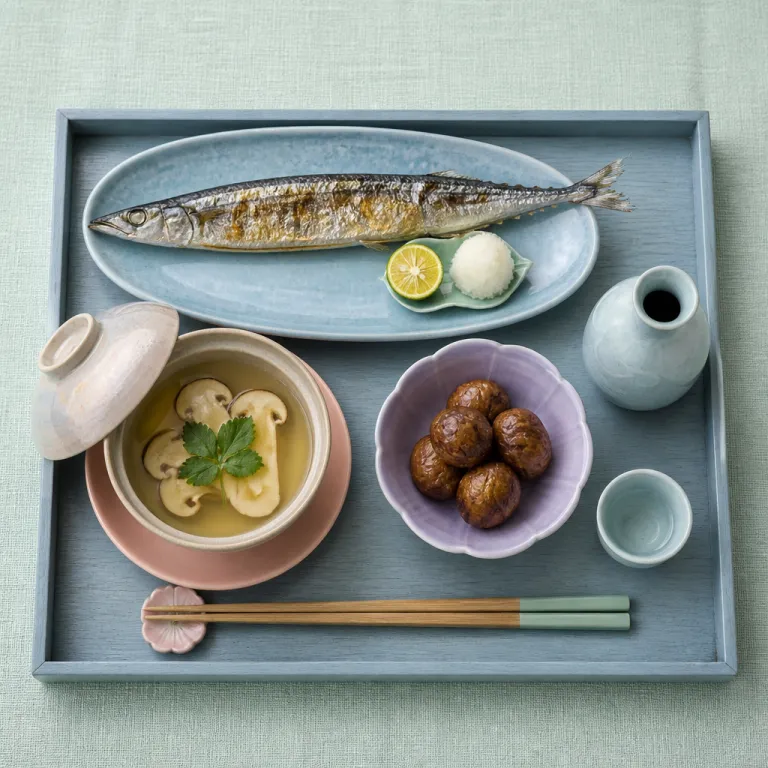
No element of an autumn kaiseki ryokan menu is more anticipated than matsutake, the wild mushroom that signals the true start of the season. In japanese culinary culture, matsutake is prized less for showy appearance than for its dry, spicy aroma, which evokes pine needles and cold mountain air. The most traditional expression is dobin mushi, a clear broth steamed in a small teapot and poured into a cup so that guests enjoy the fragrance before they even taste the spring water based dashi.
In a serious onsen ryokan, the dobin mushi course arrives early in the kaiseki dinner sequence, often after a light sashimi plate, because the kitchen wants your palate fresh for that first hit of steam. When the lid lifts, hot air carries the scent of matsutake, yuzu peel and sometimes a sliver of seasonal fish, creating an experience that is as much about inhaling as sipping. A well made version feels like standing in a cedar forest after rain, and it is one of the clearest reasons to plan a trip to hakone or kinugawa onsen during this season rather than in spring.
For travelers comparing properties, this is where kitchen skill becomes obvious and where kaiseki cuisine separates itself from generic multi course dinners. A refined autumn kaiseki ryokan will balance the intensity of matsutake with restraint, using just enough seasonal ingredients to let the mushroom lead without crowding the air bath of aroma rising from the pot. If you want to understand how every course fits together, study a detailed guide to kaiseki at an onsen ryokan and why the order matters before you book.
Sanma, chestnut and the warm turn of the season
While matsutake brings the forest, sanma, or Pacific saury, brings the sea to the autumn kaiseki ryokan table. This slim, silver fish is autumn’s signature grill in japan, and a perfectly charred sanma tells you everything about the fire control and patience of a traditional japanese kitchen. Look for crisp skin, moist flesh and a faint bitterness from the innards, which seasoned guests enjoy as the true taste of the season.
The supporting cast shifts as the air cools and the days shorten, with chestnut, ginkgo nuts and persimmon appearing across multiple kaiseki cuisine courses. Chestnut rice might arrive in individual lidded bowls in the guest rooms, while ginkgo adds texture to nimono simmered dishes and persimmon anchors a dessert that feels both clean and autumnal. These seasonal ingredients mark a clear break from the lighter flavours of spring, and they align perfectly with evenings spent moving between hot springs and tatami, wrapped in a yukata that still smells faintly of onsen minerals.
Even breakfast changes at an autumn kaiseki ryokan, with heartier grilled fish and richer miso soups replacing the delicate spring versions. If you care about how mornings frame your stay, it is worth reading about regional breakfast traditions that define the ryokan you remember before choosing where to book. In the best guest rooms, the rhythm of the day becomes simple and satisfying, moving from private onsen to seasonal breakfast, from walks under autumn leaves back to a kaiseki dinner that mirrors the colours outside.
Plating the season and booking for the right window
On an autumn kaiseki ryokan tray, aesthetics are not decoration but another way to express the season. Lacquerware shifts to deeper russet and black tones, ceramic plates carry hand painted maple motifs and real momiji leaves rest beside slices of persimmon or cubes of sesame tofu. The entire setting echoes the autumn foliage beyond the open air baths, so that when guests enjoy each bite they are also reading a visual map of the surrounding hills.
The prime window for this kind of stay usually runs from late September through November, when autumn leaves reach their peak in many onsen regions and evenings are cool enough to make hot springs feel essential. This period overlaps perfectly with the height of matsutake and sanma, meaning that an autumn kaiseki ryokan booked in this season will almost always offer the fullest expression of its kaiseki dinner. When you reserve, ask directly about seasonal menus, whether guest rooms include rooms private enough for in room dining and how the kitchen uses local spring water and natural hot ingredients like regional vegetables or river fish.
Couples seeking privacy should pay close attention to bathing options, because a private open air bath can transform the entire experience. Many properties in hakone and kinugawa onsen now offer rooms with private onsen or shared rotenburo that can be reserved for exclusive use, and a focused guide to private onsen for two from Hakone to Kyushu is invaluable when comparing options. In the end, the most rewarding autumn kaiseki ryokan stays are those where hot air rises from the bath, cool air brushes your shoulders and the tray in front of you tells the same seasonal story as the mountains outside.
FAQ
When is the best time to book an autumn kaiseki ryokan for foliage and food ?
For most onsen regions in japan, the sweet spot for an autumn kaiseki ryokan stay runs from late September through November, when autumn foliage is vivid and seasonal ingredients like matsutake and sanma are at their peak. In higher altitude areas the autumn leaves and hot springs combination may arrive slightly earlier, while coastal regions can hold their colour a little longer into the season. Because guest rooms with private open air baths are limited, it is wise to reserve several months ahead if you want both prime kaiseki cuisine and the most atmospheric views.
How can I be sure a ryokan serves a true seasonal kaiseki dinner in autumn ?
When you contact an onsen ryokan, ask specifically whether the kaiseki dinner includes autumn dishes such as matsutake dobin mushi, grilled sanma and chestnut rice. A property that takes kaiseki cuisine seriously will be able to describe which seasonal ingredients they expect to use during your exact dates and how the menu changes from spring to autumn. You can also request that the rooms private enough for in room dining receive the full sequence of courses, so that guests enjoy the same experience as those eating in the main dining room.
What should couples look for in guest rooms during an autumn hot spring stay ?
For a romantic autumn kaiseki ryokan escape, prioritise guest rooms that offer a private onsen or at least access to reservable private open air baths. These spaces let you move directly from hot springs to tatami without passing through public corridors, which keeps the focus on the shared experience rather than logistics. Large windows or verandas facing autumn leaves are also valuable, because they allow you to enjoy the changing season even between soaks and dinner courses.
Is there a difference between staying in hakone and kinugawa onsen in autumn ?
Hakone is closer to Tokyo and offers a dense concentration of onsen ryokan, many with views of mountains and lakes that frame the autumn foliage beautifully. Kinugawa onsen, reached via the Nikko area, tends to feel slightly quieter and often pairs hot springs with dramatic river gorges lined with autumn leaves. Both regions support strong kaiseki cuisine traditions, so your choice can be guided by whether you prefer lake and mountain scenery in hakone or river valley landscapes in kinugawa onsen.
Do onsen temperatures feel too hot in autumn compared with winter ?
For many travelers, autumn is actually the most comfortable season for enjoying hot springs, because the outside air is cool without the deep chill of winter. After a soak in natural hot spring water, stepping out into crisp but not freezing air makes it easier to linger in open air baths and appreciate the surrounding autumn foliage. If you are sensitive to heat, you can choose an onsen ryokan that offers multiple pools at different temperatures, allowing guests to enjoy longer sessions without fatigue.