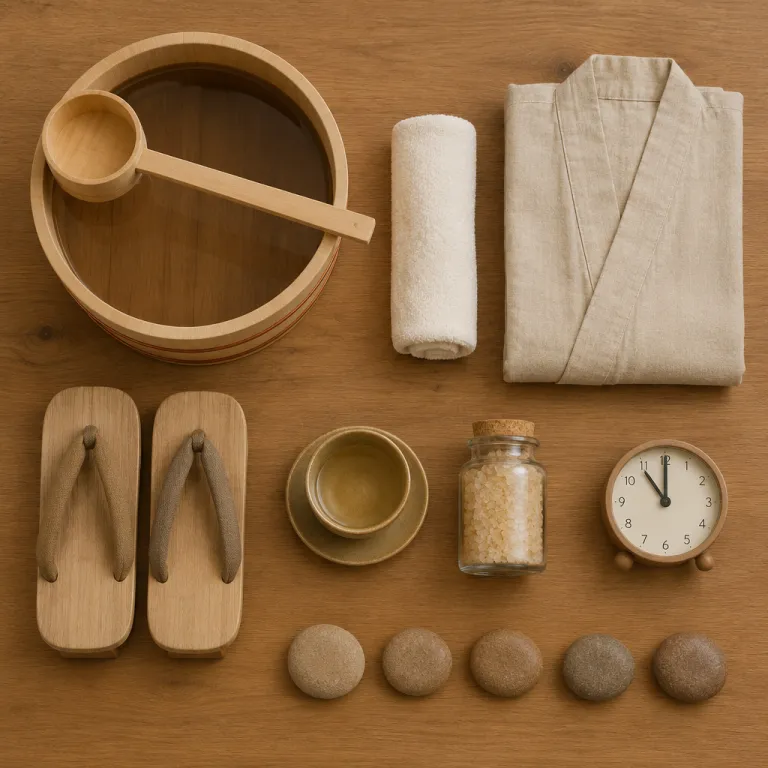
Why the onsen night bath belongs to solo travelers
After dinner, something quiet happens in almost every onsen town. Guests drift back to the ryokan room, finish their last hot tea, and the once busy spring baths slowly empty as the clock moves toward late evening. For a solo traveler who has chosen a luxury hot spring resort with care, this is the moment when an onsen night bath becomes less a shared ritual and more a private appointment with the water and the dark sky. In those minutes between the last footsteps in the corridor and the attendant’s final check of the public baths, the entire bathing area can feel as if it exists only to accommodate people like you who prefer silence over chatter.
Most Japanese hot springs follow a predictable rhythm across the day. Families with children favor the earlier slots, couples linger before dinner, and tour groups often rush to bathe quickly after arriving from the station, which means that by late evening the hot water pools, outdoor baths, and even the sauna are often almost empty. Luxury ryokan teams understand this pattern well, so when you book a premium room they will often suggest ideal bathing windows, yet many guests still overlook the onsen night bath in favor of the romantic sunrise soak. That leaves the late hours to the solo explorer who values space, stillness, and the chance to read the water temperature with no one hurrying them along.
In an upscale hot spring resort, the architecture of the bathing areas is designed to frame quiet as much as scenery. Stone lined spring baths sit under open roofs, the natural hot spring water steaming gently while lanterns cast a low glow on the surface. When you step into that hot spring at night, towel folded neatly on the edge and hand towel resting nearby, the absence of voices lets you hear the spring water itself, a soft, constant sound that feels more intimate than any spa soundtrack. This is the onsen night bath at its best, and it rarely happens at dawn when the baths fill again with early risers.
The sensory case for steam, starlight, and cold air
Walking from your ryokan room to the baths at night is a different kind of approach. The onsen town outside has thinned to a few late walkers, the small streets damp from spring water run off, and the air cool enough that you feel every step in your wooden sandals. By the time you slide open the door to the public baths, the contrast between the cold corridor and the hot spring air inside makes the first breath feel almost medicinal, a reminder that these springs have long been valued for their health benefits. You shower slowly, rinse the last soap with hot water, and let your body adjust for a few minutes before entering the main bath.
Outdoors, the onsen night bath becomes a study in opposites. Steam rises from the natural hot spring pools while the sky above stays sharp and clear, and in winter the same outdoor baths can collect snow on the rocks as you sink deeper into the hot water. At some mountain resorts near a ski resort area, you may even hear distant snow groomers while you bathe, a faint mechanical hum under the sound of flowing spring water. The sensation of snow settling lightly on your shoulders while the bath holds steady at a carefully managed water temperature is something a sunrise soak rarely matches, because the night air is colder and the contrast more dramatic.
Even without snow, the sensory detail of an onsen night bath is heightened by darkness. Lanterns mark the edges of the spring baths, the path to the sauna, and the steps back to the changing room, but the pools themselves often sit in semi shadow so the stars remain visible. You feel the texture of stone underfoot, the slight change in depth as you move, and the way the hot springs’ minerals leave a faint trace on your skin. For solo travelers who usually rush through a day trip, this is the rare moment when time stretches, and ten quiet minutes in the water can feel like an hour of deliberate, attentive bathing.
Luxury properties outside Japan have started to understand this night time appeal as well. If you have soaked at a refined American property such as the Hampton Inn Hot Springs in Arkansas, where a carefully managed hot spring pool becomes the centerpiece of a stay, you already know how darkness changes the mood of the water. That same principle applies even more strongly in a Japanese onsen town, where the culture of bathing is older, the spring water is often more mineral rich, and the etiquette around silence is deeply ingrained. The result is a night bath that feels less like a facility and more like a quiet, open air room you briefly share with the elements.
How to time and shape your late night soak
Planning an onsen night bath starts long before you fold your towel. When you book a luxury ryokan or hot spring resort, check the bathing schedule carefully, because many properties rotate men’s and women’s public baths and close the facilities for cleaning at set times. As a solo traveler, you want the window when the baths are still open but the crowds have already faded, which often means eating dinner on the earlier side so you can arrive at the hot spring relaxed, sober, and unhurried. Think of it as designing your entire evening around one extended, mindful bath rather than squeezing bathing between other activities.
Once checked in, walk the route from your room to the baths during the day. Notice where the lighting is dim, how long it takes in minutes to reach the changing area, and whether the path to the outdoor baths involves steps that might feel slippery later. This small reconnaissance helps you move confidently at night, especially if the resort layout is spread across several levels or if the onsen town setting means you cross a courtyard open to the elements. When you return after dinner, you will know exactly where to leave your hand towel, where to rinse before bathing, and how to reach the spring baths that suit your preferred water temperature.
Many high end properties also offer private baths that can be reserved by the hour. These private baths, often fed directly by natural hot springs, are ideal for travelers who prefer to bathe without other guests or who are still learning onsen etiquette and feel more comfortable adjusting their bathing suit, towel, and pace in solitude. A property such as the Glenwood Hot Springs Pool Hotel in Colorado shows how powerful a private soak can be when the pool is large, the water is hot, and the night sky is clear, and Japanese ryokan owners have refined that idea with smaller, more intimate spring baths attached to suites. For a solo traveler, booking one of these private spaces for a late slot can turn an ordinary onsen night bath into a deeply personal ritual.
Even if you stay with the public baths, shaping the evening around your soak pays off. Take a slow walk through the onsen town after dinner, perhaps passing a small shrine or watching steam rise from street side hot springs, then return to your resort once your body has cooled slightly. By the time you undress in the changing room, fold your hand towel, and step into the washing area, your mind has already shifted into a slower rhythm that matches the water. That is when the onsen night bath feels less like a checklist item and more like the central experience of your stay.
Safety, etiquette, and the realities of late night bathing
Luxury and premium hot spring inns are designed to accommodate people safely, but a late onsen night bath still requires judgment. The first rule is simple ; do not soak deeply after heavy drinking, no matter how inviting the hot water looks under the lanterns. Alcohol dilates blood vessels, and combined with a high water temperature it can leave you lightheaded faster than you expect, especially if you move quickly between the sauna, indoor baths, and outdoor baths. A solo traveler has no one to steady them if they stand up too fast, so pacing matters more at night than during a busy day session.
Etiquette remains the same whether the baths are crowded or empty. You wash thoroughly before entering any hot spring pool, keep your small hand towel out of the water, and move quietly so other guests can enjoy their own version of an onsen night bath. In most traditional ryokan, bathing suit use is not allowed in the public baths, though some western style resorts and mixed gender facilities may provide clear guidance if swimwear is acceptable. When in doubt, ask at the front desk, because staff would rather explain the rules than see a guest feel embarrassed in the bathing area.
Lighting is another practical consideration that feels different at night. Some hot springs keep the outdoor baths deliberately dim to preserve the view of the sky, which means you should move slowly, test each step with your toes, and use handrails whenever available. If you are staying near a ski resort or in a mountainous onsen town, winter ice can form on paths between the indoor springs and the open air pools, so walking carefully in those few minutes between spaces is as important as how you sit in the water itself. The goal is to let the onsen night bath reset your body, not to end the evening with a twisted ankle.
For travelers curious about how other bathing cultures manage long, slow sessions, it is worth reading about Korean jjimjilbang traditions, where guests move between saunas, hot rooms, and rest areas through the night. A thoughtful comparison of jjimjilbang culture and Japanese onsen customs on a specialist site such as this one shows how different design choices shape the way people use hot water and steam. That context can help you appreciate why Japanese hot spring resorts emphasize quiet, dimly lit spaces for the onsen night bath, while other cultures might favor brighter, more social environments. Understanding those differences makes it easier to relax into the particular etiquette of the ryokan where you are staying.
Why the night soak beats the sunrise ritual
Many travelers arrive in an onsen town with a fixed image in mind. They picture a pale dawn, a thin line of steam over the hot spring, and the first light catching the mountains while they sit in the water before breakfast. That sunrise bath can be beautiful, but it is rarely quiet, because early risers, families, and guests checking out that day all converge on the baths at similar times. By contrast, the onsen night bath often gives you the same scenery with far fewer people, and the darkness adds a layer of privacy that daylight cannot match.
Physically, a late soak prepares the body for sleep in a way a morning bath cannot. Immersing yourself in hot water for ten to fifteen minutes raises your core temperature, and as you cool gradually afterward, your body receives a clear signal that it is time to rest. When you step out of the spring baths, dry off with your towel, and walk slowly back to your room through the cool air, you are already halfway into a deeper, more restorative sleep. A dawn bath, by contrast, acts as a gentle stimulant, which is ideal before a day trip or a train ride from the station, but less helpful if your goal is to unwind completely.
Emotionally, the onsen night bath also offers a different kind of solitude. At sunrise, you share the experience with other guests who are also trying to fit bathing into a busy day, which can make even the most beautiful outdoor baths feel slightly rushed. At night, especially in smaller ryokan or in areas such as onsen Shibu where the streets quiet early, you may find yourself alone with the sound of spring water, the occasional distant call of snow monkeys in winter, and the soft creak of wood as the building cools. Those details stay with you long after you leave the hot springs behind.
For solo travelers used to western style hotels, where the spa closes early and the pool is rarely fed by natural hot springs, this late night access to mineral rich water feels like a luxury that goes beyond thread count or room size. You are not just using a facility ; you are participating in a rhythm that has shaped life in Japanese hot spring towns for generations, from the first spring baths built near mountain shrines to the modern resorts that now accommodate people from around the world. When you think back on your stay, it is unlikely that you will remember the breakfast buffet more vividly than the moment you sat alone in an onsen night bath, steam rising, stars overhead, and nothing on your schedule except sleep.
FAQ
Is an onsen night bath safe if I am traveling alone ?
Yes, an onsen night bath is generally safe for solo travelers at reputable ryokan and hot spring resorts, provided you follow basic precautions. Avoid soaking after heavy drinking, move slowly on wet surfaces, and respect posted closing times so staff know when all guests have left the baths. If you feel unsure, consider reserving one of the private baths, which offer controlled access and often have direct phone lines to the front desk.
What should I bring to the baths for a late soak ?
Most luxury hot spring inns provide everything you need for an onsen night bath, including a large towel, a small hand towel, and basic toiletries. You typically walk from your room wearing the provided yukata robe and slippers, carrying only your key and hand towel. Leave valuables in your room safe, as the changing areas are communal and designed for minimal clutter.
Can I wear a bathing suit in an onsen at night ?
In traditional Japanese onsen culture, bathing suit use is not allowed in the public baths, regardless of the time of day. Some western style or mixed gender facilities may permit swimwear in specific pools, and a few properties offer separate hot spring areas where bathing suits are required. Always check the inn’s written guidelines or ask staff directly before your onsen night bath to avoid any etiquette missteps.
How long should I stay in the hot spring at night ?
For most healthy adults, ten to fifteen minutes in hot water is a comfortable starting point, especially when the water temperature is high. At night, when you may be more tired, it is wise to take shorter sessions with breaks in between, moving from indoor baths to outdoor baths or a cooler washing area. Listen to your body ; if you feel lightheaded or your heart rate increases, step out, sit down, and drink water before deciding whether to re enter.
Is it worth choosing a ryokan with private baths for solo travel ?
Choosing a ryokan with private baths can be worthwhile for solo travelers who value privacy, flexible timing, or extra space to adjust to onsen etiquette. Private baths fed by natural hot springs allow you to enjoy an onsen night bath without sharing the space, which can be especially appealing if you are new to communal bathing. They also make it easier to control your own rhythm, alternating between hot water, cool air, and rest without worrying about other guests.