Are there any English speaking Japanese ryokans for first time guests ?
Many travellers quietly wonder are there any english speaking japanese ryokans before planning a trip. In reality there are numerous English friendly Japanese ryokans across Japan, especially in major onsen regions and around Tokyo, and they actively welcome international guests who may not feel confident speaking Japanese. This means you can enjoy a traditional Japanese ryokan stay with clear communication at the front desk and during meals.
In practice an English speaking Japanese ryokan usually offers bilingual staff at reception, English room guides, and translated kaiseki dinner menus. Some of these inns also provide digital tablets in the room with English instructions for the onsen bath, air conditioning, and in room dining, which makes the first night far more relaxing for guests. When you search for Japanese ryokans on a luxury booking website, filter by languages spoken and look for phrases such as English friendly or English speaking staff in the hotel description.
There are English speaking Japanese ryokans in classic hot spring towns such as Hakone, Kusatsu, Kinosaki, and Beppu, as well as in central Tokyo for travellers who prefer to stay near major transport hubs. In Hakone, for example, Gora Kadan, Hakone Ginyu, and Hakone Kowakien Ten-yu are well known for English capable staff, while in Kinosaki many visitors highlight Nishimuraya Honkan and Nishimuraya Hotel Shogetsutei for clear communication. In Beppu and Yufuin, properties such as Kannawaen, Amane Resort Seikai, and Yufuin Gettouan frequently receive positive comments from overseas guests, and in Tokyo ryokan style stays like Hoshinoya Tokyo and Andon Ryokan combine a traditional Japanese atmosphere with discreet Western style comforts, so guests can sleep on futons or in Western beds while still enjoying a steaming onsen bath before dinner.
How English friendly service shapes your ryokan experience
Language support changes everything about a ryokan experience, especially for guests who are new to Japan. When there are English speaking staff at the front desk, check in becomes a calm ritual rather than a stressful transaction, and you can ask detailed questions about the hot spring etiquette, private onsen reservations, and the timing of kaiseki meals. Clear explanations in English also help you understand the cultural meaning behind each traditional Japanese gesture, from the welcome tea in your room to the way the futon is laid out at night.
In English friendly Japanese ryokans, staff often escort guests to their rooms while explaining how to use the open air onsen bath, when the public hot springs are less crowded, and how to wear the yukata robe correctly. Many inns now provide printed English guides that outline the difference between indoor onsen bath areas and outdoor open air pools, as well as rules about rinsing before entering the hot spring water. This level of guidance allows you to relax into the rhythm of a Japanese ryokan stay without worrying about unintentionally breaking etiquette or missing a special seasonal dish at dinner.
From the host perspective, the question are there any english speaking japanese ryokans is not just about language, but about hospitality philosophy. Owners of traditional Japanese ryokans in Japan increasingly invest in language training for their front desk teams, create bilingual check in forms, and redesign room guides so that guests can understand every aspect of their stay. In conversations with ryokan managers, a recurring theme is balance between preserving traditional Japanese customs and adapting to global expectations of service, and hosts explain that clear English instructions for the onsen bath, including temperature, depth, and etiquette, reduce misunderstandings and make the shared hot springs more comfortable for everyone.
Choosing the right room, bath style, and private onsen options
Selecting the right room type is crucial when you book a Japanese ryokan, especially if you value privacy and quiet. Many English friendly ryokans offer both Japanese style tatami rooms and Western style rooms with beds, and there are also hybrid layouts that combine a low table area with raised twin beds. When you read good reviews and excellent reviews on a luxury booking website, pay attention to how guests describe the comfort of the futons, the soundproofing between rooms, and the ease of accessing the onsen bath areas.
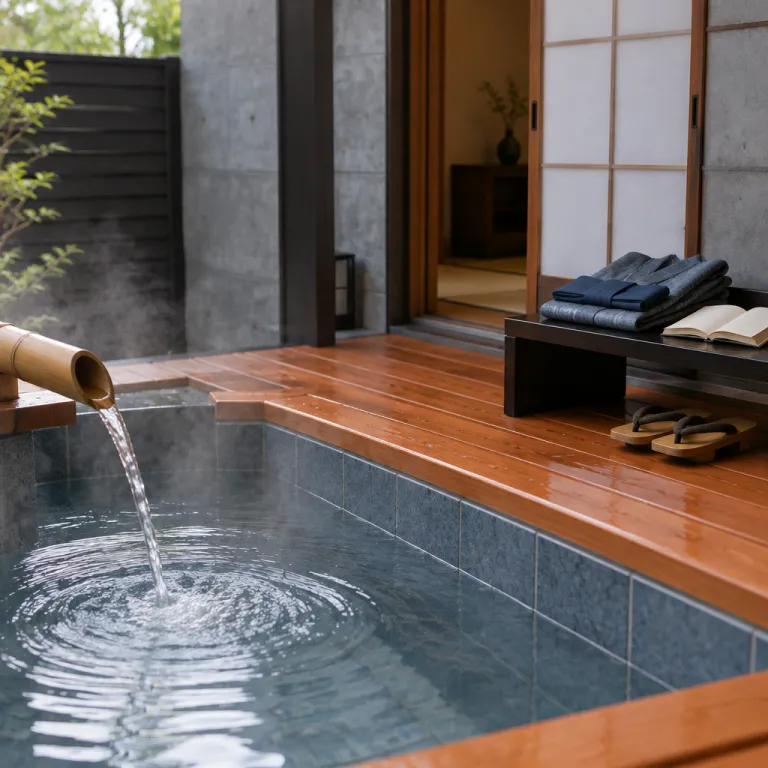
For travellers who prefer seclusion, a room with a private onsen or semi open air hot spring bath on the balcony can transform a simple stay into a deeply restorative retreat. These private onsen rooms allow guests to bathe at any hour of the night without worrying about shared changing spaces, which is especially helpful for families or couples who feel shy about public hot springs. When you filter Japanese ryokans Japan wide, look for terms such as private open air bath, in room hot spring, or suite with onsen bath, and then confirm in English with the front desk whether the water is true hot spring mineral water or heated tap water.
Some luxury onsen ryokan properties near Tokyo and in rural Japan also offer gender mixed open air baths that can be reserved by the hour, which gives guests more flexibility than fixed public bathing times. Before you commit to a multi night ryokan stay, read an in depth look at refined soaking stays and guest feedback to understand how each hotel manages crowding, cleaning schedules, and temperature control in the hot springs. When there are detailed English descriptions of the bath facilities, you can choose confidently between a Japanese ryokan focused on serene private soaking and one that emphasises lively social onsen culture, and a quick comparison can help: private onsen baths offer privacy, flexible timing, and comfort for shy bathers, while public onsen areas provide larger pools, more varied temperatures, and a chance to experience traditional Japanese communal bathing.
Dining, kaiseki meals, and navigating food preferences in English
For many guests, the highlight of a Japanese ryokan stay is the multi course kaiseki dinner served in the room or in a private dining salon. When there are English speaking staff and translated menus, you can fully appreciate each seasonal dish, from sashimi and simmered vegetables to hot pots bubbling over a small flame. This level of explanation turns a beautiful meal into a narrative of regional Japan, where every plate reflects local hot spring terroir and traditional Japanese techniques.
Luxury ryokans Japan wide increasingly request dietary information in advance, and English friendly booking forms make it easier to share allergies, religious restrictions, or vegetarian preferences. If you are not comfortable speaking Japanese, send a short message in English through the booking website, then confirm at the front desk on arrival that your meals have been adjusted, especially for multi night stays. When you read good reviews and excellent reviews, look for comments about how flexibly the hotel adapted kaiseki courses, breakfast buffets, and in room meals for guests with specific needs.
Breakfast at a Japanese ryokan often includes grilled fish, rice, miso soup, and small side dishes, but many English friendly properties also provide Western style options such as eggs, bread, and yoghurt. If you prefer a lighter start before soaking in the onsen bath, ask in English whether there are alternative plates or whether you can choose between Japanese style and Western style sets each morning. Clear communication about meals ensures that the culinary side of your ryokan experience feels as tailored and luxurious as the hot spring bathing and the quiet of your room at night, and a simple booking message template can help: “Dear Sir or Madam, I have a reservation for [name] on [dates]. I cannot eat [allergy or restriction]. Could you please prepare meals without this ingredient? Thank you very much for your help.”
Reading reviews, verifying language support, and using luxury booking platforms
When travellers ask are there any english speaking japanese ryokans, the most reliable answer often comes from recent guest feedback. On a premium booking website for Japanese hot spring inns, filter properties by language and then read both good reviews and excellent reviews with a critical eye, focusing on comments about English speaking staff and clear communication. Pay attention to whether guests mention the front desk by name, describe how staff handled complex questions, or praise the clarity of English information in the rooms and on the hotel app.
High end onsen ryokan properties that cater to international guests usually highlight their English friendly services prominently in the hotel description, but it is still wise to verify. Before confirming your ryokan stay, send a concise message in English asking whether there are English speaking team members on duty at all times, especially late at night, and whether important safety information about the hot springs is available in English. A simple three point checklist can help you decide quickly: first, confirm that reception and restaurant staff can communicate in English; second, check that onsen rules and emergency instructions are written in English; third, look for recent reviews from non Japanese speaking guests that specifically praise communication.
Some luxury platforms also provide curated editorial features on topics such as how Japanese hot spring inns curate porcelain perfection, which can help you understand the design philosophy behind specific ryokans Japan wide. These insights, combined with verified guest reviews, allow you to distinguish between a property that simply labels itself English friendly and one that truly supports non Japanese speaking guests at every step. When there are consistent reports of attentive service, clear signage, and thoughtful room amenities, you know that your ryokan experience will be both culturally authentic and comfortably navigable in English.
Host insights : how Japanese ryokans welcome non Japanese speaking guests
From the host perspective, the question are there any english speaking japanese ryokans is not just about language, but about hospitality philosophy. Many owners of traditional Japanese ryokans in Japan have invested in language training for their front desk teams, created bilingual check in forms, and redesigned room guides so that guests can understand every aspect of their stay. This behind the scenes work allows international travellers to enjoy the hot spring rituals, kaiseki meals, and quiet nights without feeling anxious about speaking Japanese.
In conversations with ryokan managers, a recurring theme is balance between preserving traditional Japanese customs and adapting to global expectations of service. Some onsen ryokan properties maintain tatami only Japanese style rooms, while others add Western style beds and chairs to accommodate guests who are not used to sleeping on the floor, yet all aim to keep the atmosphere serene and authentic. Hosts also explain that clear English instructions for the onsen bath, including temperature, depth, and etiquette, reduce misunderstandings and make the shared hot springs more comfortable for everyone.
Luxury booking platforms play a key role by encouraging ryokans Japan wide to specify exactly where there is English support, from restaurant staff to spa therapists, and by highlighting properties with consistently excellent reviews from non Japanese speaking guests. When hosts see that travellers value transparent information about private onsen options, open air baths, and late night front desk availability, they are more likely to invest in these services. The result is a new generation of English friendly Japanese ryokans where guests can move effortlessly between the timeless calm of the hot spring and the reassuring clarity of well translated guidance.
Key figures about English friendly Japanese ryokans
- Industry surveys of accommodation providers in Japan suggest that a growing share of registered ryokans in major onsen areas now report having at least one English speaking staff member on site during peak hours, reflecting a steady increase in language support for international guests.
- Feedback collected by national tourism organisations indicates that a clear majority of foreign visitors who stayed at a Japanese ryokan rate communication with staff as good or excellent, and properties with clear English information tend to receive higher overall satisfaction scores.
- Questionnaires sent to hot spring inns show that ryokans offering English friendly websites and booking forms often experience a longer average length of stay compared with properties without translated content.
- Reports on hot spring tourism note that onsen ryokan properties with detailed English descriptions of bath facilities and etiquette see fewer guest complaints related to misunderstandings, which strengthens online reputations and supports premium pricing.
FAQ : English speaking Japanese ryokans and onsen stays
Are there many English speaking Japanese ryokans outside Tokyo ?
There are numerous English friendly Japanese ryokans in classic hot spring regions such as Hakone, Nikko, Kusatsu, Kinosaki, Beppu, and Yufuin, not only in Tokyo. These properties often employ English speaking staff at the front desk and provide translated guides in the rooms. Availability varies by town, so it is wise to check language details on each hotel listing.
How can I confirm that a ryokan is truly English friendly before booking ?
Read recent good reviews and excellent reviews from international guests and look for specific mentions of English speaking staff and clear communication. Then send a short message in English through the booking platform asking about language support at check in, during meals, and around the onsen bath. A prompt, detailed reply is a strong sign that the ryokan is genuinely English friendly.
Will staff explain onsen etiquette in English ?
Most English friendly Japanese ryokans provide written instructions in English about how to use the onsen bath, including washing before entering, where to place towels, and when the hot springs are open. In many cases, front desk or floor staff will also give a brief verbal explanation during check in. If you are unsure, you can always ask politely for a quick reminder in English.
Can I request a Western style bed instead of futons at a ryokan ?
Many modern onsen ryokan properties offer both Japanese style tatami rooms with futons and Western style rooms with beds, especially in areas popular with international guests. When you book, choose a room type that clearly states Western style bedding or contact the hotel in English to confirm. This ensures your night is comfortable while you still enjoy the traditional Japanese atmosphere and hot spring baths.
Is it possible to enjoy a private onsen if I feel shy about public baths ?
Yes, many Japanese ryokans offer rooms with a private onsen or reservable open air baths that can be used by couples, families, or solo guests. These facilities allow you to enjoy natural hot spring water in complete privacy without using the shared onsen areas. When searching, filter for private onsen options and confirm in English with the front desk that the bath is truly private and filled with hot spring water.