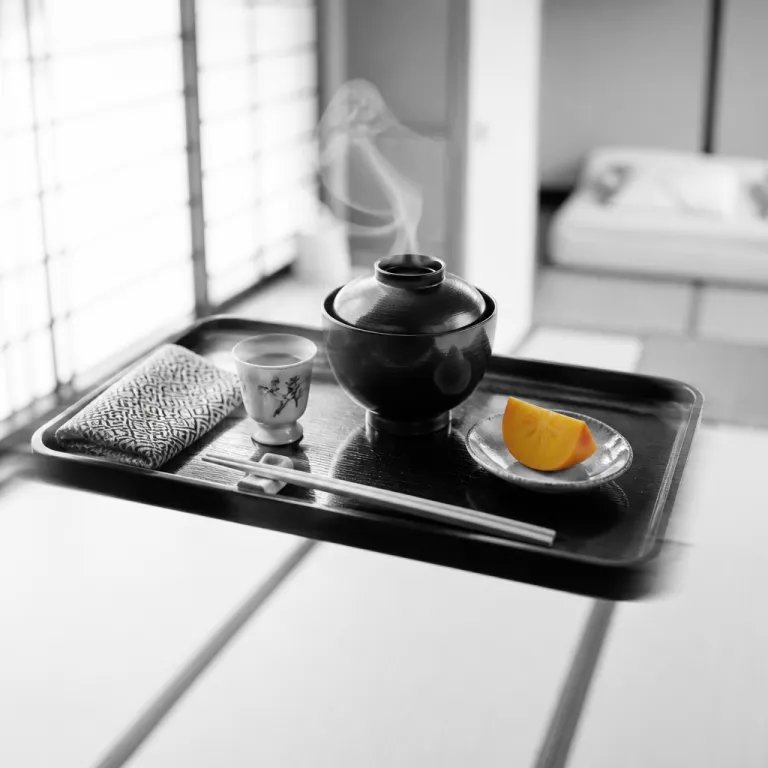
Reading ryokan omotenashi okami as a family traveler
At a luxury ryokan, omotenashi from the okami quietly shapes every moment of your stay. This ryokan omotenashi okami presence feels different from management in Western hotels, because the okami embodies both leadership and hands on japanese hospitality rooted in japanese culture. For families planning a ryokan stay in Japan, understanding this traditional japanese service culture turns a beautiful visit into a truly fluent ryokan experience.
The okami is the inn’s hostess manager, the person who carries the history of the japanese inn and trains the équipe of nakai san attendants who care for guest rooms. In many japanese ryokan properties, especially those ryokan located in onsen regions outside Tokyo, the okami still greets guests in person, reads the family dynamic in seconds, and quietly adjusts the choreography of the stay. Her role is not only operational hospitality management but also cultural experience curation, ensuring that each room, each dinner, and each hot spring bath reflects local japanese style and tradition.
Where a Western hotel manager might be visible mainly when something goes wrong, the okami works in the background, orchestrating service before requests are spoken. She briefs each nakai san on your family’s preferences, from how you like your futon arranged on tatami mats to whether your children might need shorter mealtimes or milder dishes at dinner. When you stay ryokan as a family, you are stepping into a service ecosystem where the okami, the nakai san, and the hot springs themselves are in constant, quiet conversation about your comfort.
The choreography of a ryokan stay, from welcome tea to morning send off
A refined ryokan stay follows a gentle script, and the okami is its director while the nakai san are the lead performers. After you arrive at the japanese inn and leave your shoes at the genkan, a nakai san leads you through the inn’s corridors, past open air onsen pools and guest rooms, to your own japanese style room where the first act begins. This is when ryokan omotenashi okami thinking becomes visible, especially for families arriving from Tokyo with travel fatigue and hungry children.
Welcome tea is not a formality but a temperature check on your energy and expectations, and it often doubles as a mini tea ceremony adapted to the rhythm of modern guests. While you sip hot green tea and your children explore the tatami mats, the nakai san quietly notes who prefers which cushion, who looks shy, and who might need extra towels for the hot spring baths later. In many japanese ryokan properties, this is also when you choose your dinner time, and the okami will later adjust kitchen pacing so that children’s meals arrive promptly.
As you head to the onsen, your room remains a work in progress, and the inn’s équipe transforms it from daytime salon to night time sleeping space. Futon are laid out on the tatami mats while you soak in the hot springs, yukata are folded for each family member, and the low table is reset for a multi course kaiseki dinner or a more relaxed family style meal. If you read guest experiences at other hot spring properties, such as the in depth soaking stays reviewed for Murrieta Hot Springs Resort, you will notice that this level of in room choreography is where japanese hospitality diverges sharply from Western spa hotels.
How omotenashi anticipates needs, and why it can feel unfamiliar
Omotenashi is often translated simply as hospitality, but in a japanese ryokan it means the okami and her équipe anticipate needs before guests articulate them. For families used to transactional service in large hotels, this can feel almost telepathic, and sometimes even slightly formal, because the inn’s staff may hesitate to interrupt your private time unless you signal clearly. The ryokan omotenashi okami mindset assumes that the best service is invisible, so staying ryokan requires a different kind of communication from a family than staying in a city hotel in Tokyo.
In practice, this anticipatory service shows up in small, precise gestures that accumulate into a seamless experience. Towels appear in your room just before you think of another hot spring soak, children’s yukata are swapped for larger sizes as they emerge from the onsen, and the timing of dinner courses flexes if the okami senses your children are fading. At a japanese inn, the nakai san will rarely say no directly ; instead, they will suggest an alternative that preserves both safety and cultural norms, especially around hot open air baths and shared guest rooms.
For travelers used to wellness branding, it helps to remember that the heart of a ryokan experience is the water, the tatami, and the human choreography, not a spa menu. Thoughtful commentary on why the best hot spring inns refuse to call themselves wellness retreats underlines this difference, and the same logic applies in Japan where the okami protects the inn’s identity as a place of culture rather than trend. When you stay ryokan with children, leaning into this slower, more observant rhythm allows japanese culture and japanese hospitality to work on your family quietly, without the need for constant requests.
What families can ask for, and how to use the okami’s expertise
Despite the anticipatory nature of ryokan omotenashi okami service, families have more room to ask for adjustments than many first time guests realize. The okami and the nakai san expect questions about children’s meals, bath schedules, and sleeping arrangements, because they know that a japanese style room can feel unfamiliar at first. Using their expertise respectfully helps you shape a ryokan experience that suits your family without bending the inn’s traditional culture out of shape.
Before arrival, or at check in, ask whether the japanese inn offers children’s kaiseki or simplified dinner sets, and whether an earlier seating is possible so younger guests can sleep soon after bathing. Many japanese ryokan properties can prepare milder dishes, smaller portions, or Western style options alongside traditional japanese cuisine, especially in destinations popular with international families beyond Tokyo. You can also request reservable private hot spring baths or open air tubs for family use, which allow children to learn onsen etiquette in a relaxed setting before trying larger shared hot springs.
Sleeping arrangements are another area where clear communication pays off, because futon on tatami mats can be configured in many ways. Ask the nakai san to place futon together for co sleeping with younger children, or to create a pathway so adults can move around the room at night without stepping over sleeping guests. When you read detailed guest reviews of historic hot spring properties such as the Arlington Hotel in Hot Springs, you see how much families value flexible room setups, and the same principle applies in Japan where guest rooms can be subtly reimagined each night by a skilled équipe.
Norms, etiquette, and being a good guest in a japanese inn
For many international families, the most memorable part of a ryokan stay is not only the hot water but the feeling of being gently guided into japanese culture by the okami and her équipe. To let ryokan omotenashi okami service work fully, it helps to understand a few core norms that shape life inside a traditional japanese inn. These customs are not rigid rules for experts ; they are practical tools that keep shared spaces calm and allow japanese hospitality to flow smoothly.
Shoes come off at the genkan entrance, and from that moment the inn becomes an extension of your guest rooms, so children should learn to step only on tatami mats with bare feet or socks. Yukata robes provided in the room are meant to be worn to dinner, to the onsen, and around the inn, which simplifies packing and helps families feel part of the shared cultural experience. Tipping is generally not expected in japanese ryokan properties, because the okami and nakai san see service as part of their professional pride rather than an extra, and any envelope of cash left in the room may be politely returned.
Being a good guest in return means aligning your rhythm with the inn’s quiet time, especially after the last dinner seating when the hot springs fall silent except for a few late soakers. Keep voices low in corridors, rinse carefully before entering the onsen, and teach children to respect both the water and the other guests, whether you are in a rural ryokan located near mountain hot springs or a design forward property such as Hoshinoya Kyoto along the river. When families meet this level of consideration, the okami can relax her watchful attention slightly, and the entire équipe can focus on refining the subtle details that make staying ryokan in Japan feel both traditional and deeply personal.
How ryokan omotenashi compares with other hot spring stays worldwide
Travelers who love hot springs often compare japanese ryokan stays with geothermal lodges in Iceland or historic spa hotels in the United States. What sets ryokan omotenashi okami service apart is the way the inn’s leadership, the nakai san, and the architecture of guest rooms all work together to create a single, continuous experience from arrival to departure. In Japan, the hot spring is not a separate amenity but the beating heart of the inn, and every futon, every tatami mat, and every dinner course is timed around your relationship with that water.
In some Western hot spring hotels, the focus rests on treatment menus and branded wellness programs, while the mineral pools function as one option among many. At a japanese inn, especially a traditional japanese ryokan in an onsen town, the hot springs dictate the daily schedule, from the first early morning soak to the last late night visit under the open air sky. The okami reads the weather, the flow of guests, and the temperature of each hot spring bath, then adjusts service so that families can move between room, onsen, and dining with minimal friction.
For premium families planning a circuit of hot spring destinations worldwide, understanding this difference helps you choose the right property for each trip. If you want a deeply integrated cultural experience where japanese style architecture, japanese hospitality, and japanese culture are inseparable from the baths, then staying ryokan in Japan will feel unmatched. When you return home and look back at your time in places as varied as Hoshinoya Kyoto or a simple countryside inn, you will likely remember not only the heat of the water but the quiet precision of an équipe led by an okami who seemed to know what your family needed before you did.
FAQ
What does an okami actually do during a ryokan stay ?
The okami oversees the entire ryokan operation, from guest rooms to kitchens, but her most important role is shaping the guest experience through omotenashi. She trains and coordinates the nakai san, reads each family’s needs, and adjusts timing for onsen use, dinner, and futon setup without drawing attention to herself. While you may only see her briefly, her decisions influence almost every moment of your stay.
How is service in a japanese inn different from a Western hotel ?
Service in a japanese ryokan is anticipatory rather than reactive, with the okami and her équipe trying to meet needs before you voice them. Staff may enter your room while you are at the hot spring to lay out futon or reset the space for dinner, which is considered normal in this context. Communication is often subtle and polite, so guests are encouraged to ask questions early if they have specific family requirements.
Can families with children comfortably stay in traditional japanese ryokan ?
Many japanese ryokan welcome families and can adapt meals, bath times, and room layouts for children. You can request earlier dinner seatings, simpler dishes, and private or family friendly hot springs if your children are new to onsen etiquette. Checking policies in advance helps, but once on site the okami and nakai san usually guide families gently through the cultural experience.
Is tipping expected for nakai san or the okami in Japan ?
Tipping is generally not expected in japanese inns, because omotenashi is considered part of professional pride rather than something extra. Some domestic guests may give a small envelope at the beginning of a stay in very traditional settings, but international visitors are not required to follow this custom. A sincere thank you and considerate behavior in shared spaces are usually the most appreciated gestures.
What should I wear and how should I behave in the onsen ?
Most ryokan provide yukata robes to wear around the inn and to the onsen, and you bathe nude in gender separated hot springs unless a private bath is reserved. Before entering the hot water, you wash thoroughly at the shower stations, then soak quietly without splashing or swimming. Teaching children these basics in advance makes the first visit smoother and allows everyone to relax into the rhythm of japanese hospitality.