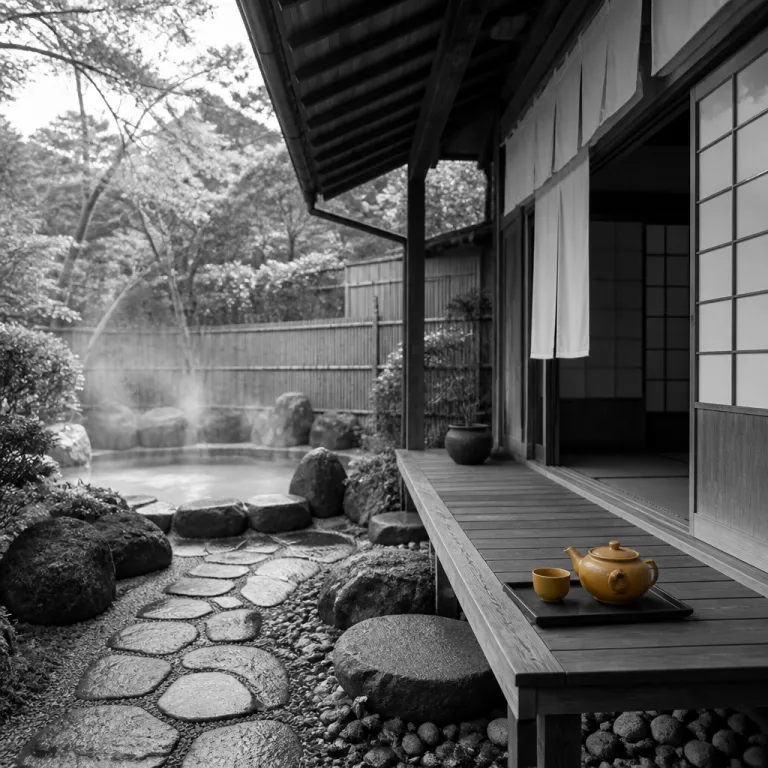
Why luxury hot spring inns in Ehime cherish Tobe ware
In the hills of Ehime prefecture, refined Japanese hot spring inns quietly celebrate Tobe ware at every meal. Guests arrive for steaming onsen baths yet often leave speaking about the weight, balance, and glow of each porcelain bowl and plate on the kaiseki table. This subtle focus on local ceramic traditions turns a simple dinner into a tactile journey through centuries of craft.
Tobe town lies inland from Matsuyama, where the legacy of the Edo period still shapes daily life in its kilns. Historical surveys by the Ehime Prefectural Museum of History and Culture and materials from the Ehime Prefectural Board of Education note that Katō Yasutoki, the ninth lord of Ōzu Domain, promoted porcelain production in the late 18th century to foster a durable local industry using regional clay and fuel. That policy still influences how modern luxury ryokan in Ehime prefecture select every rice bowl, medium bowl, and soba choko cup for their guests.
Today, Tobe porcelain is known for its thick, reassuring body and indigo designs that feel both traditional Japanese and quietly modern. High end inns commission custom Tobe pottery sets, ensuring each plate and bowl aligns with the chef’s seasonal menu and the room’s textiles and wood finishes. As one Matsuyama-based innkeeper explains, “When guests feel the weight of a Tobe bowl, they understand our hospitality is not just about the food, but about the hands that shaped the porcelain.” For travelers comparing properties on a premium booking website, these ceramics signal a house that respects crafts as deeply as it respects hospitality.
From kiln to kaiseki: how artisans shape the Tobe ware you use
Behind every Tobe ware ceramic piece on your dinner tray stands a network of Tobe potters and their kilns. In workshops across Tobe town, artisans sit at the potter wheel, centering clay that has been refined from local soil since the period Tobe first emerged as a porcelain hub. The slow rhythm of the wheel, the careful trimming of each rice bowl foot, and the quiet inspection of every plate all influence what eventually reaches a luxury inn.
Traditional Japanese methods still dominate production, even as some studios experiment with new glazes and forms. Handcrafting porcelain and firing it in climbing kilns that Tobe has relied on for generations creates the thick, durable body that guests notice when they lift a white porcelain soba choko or a medium bowl of seasonal vegetables. In everyday use, a soba choko typically holds dipping sauce for noodles, though some inns also repurpose it for tea or small desserts.
For travelers staying at premium hot spring properties, this means the Tobe ware pieces you handle are not anonymous ceramics but the works of identifiable crafts families. Many inns now share artisan profiles in English, outlining how their partner kiln uses bamboo tools, wood paddles, and even Japanese paper stencils to create specific motifs. Well-known local kilns such as Baigetsu-gama and Tōan-gama, introduced in publications by the Tobe Town Board of Education and regional tourism offices, are frequently cited as long-standing partners. One veteran potter from the Tobe area describes the collaboration simply: “We imagine the steam from the onsen rising around our bowls, and we shape the clay so it feels at home in that world.” If you appreciate heritage skills, read how sword makers are honored in luxury stays in this feature on artisan heritage woven into hot spring hospitality before planning your Ehime itinerary.
Design details: reading the language of Tobe porcelain at your inn
When you sit down to dinner at a refined onsen inn, pay attention to how each Tobe ware piece frames the food. A deep rice bowl with a slightly flared lip may be chosen to highlight the sheen of new harvest rice, while a flat plate with a wide rim might showcase sashimi like a canvas. These design decisions are not random; they reflect close collaboration between chef, innkeeper, and Tobe pottery studio.
Classic Tobe yaki often features indigo brushwork on white porcelain, a combination that feels both crisp and warm under soft tatami room lighting. Motifs can range from abstract lines to folk art inspired scenes, sometimes echoing the surrounding mountains of Ehime prefecture or the waves of the Seto Inland Sea. When multiple ceramics appear together, the balance of empty space, line thickness, and glaze depth creates a quiet visual rhythm that enhances the meal.
Some luxury properties commission exclusive ceramic collections where each bowl, plate, and soba choko forms part of a narrative across the courses. Others pair Tobe ceramics with natural textiles, bamboo chopsticks, and carved wood trays to create a layered, traditional Japanese table setting. A ryokan manager in Tobe town notes that guests often photograph the table before eating, saying the arrangement “feels like a small exhibition of Ehime crafts.” For a broader perspective on how artisanship shapes high end stays, explore this guide to Japanese craftsmanship in luxury hot spring inns before choosing your next ryokan.
Planning a stay in Tobe town: workshops, hours, and etiquette
Travelers who care about crafts often choose an itinerary that includes at least one night near Tobe town itself. Staying at a hot spring inn in or around Ehime makes it easy to visit local studios, where you can watch artisans at the potter wheel and see how a simple bowl evolves from raw clay to finished porcelain. Many workshops offer short pottery experiences, allowing guests to shape a rice bowl or medium bowl under the guidance of a master.
When booking through a luxury focused website, look for properties that clearly list access details, shuttle options, and any collaboration with nearby kilns. Some inns can arrange private visits to well known studios in the Tobe area, including behind the scenes tours of firing rooms and glaze preparation spaces. Always check opening times and hours closed in advance, as smaller studios may shut for firing days, local festivals, or seasonal breaks.
Etiquette matters in these intimate craft spaces, just as it does in an onsen. Ask permission before taking photos of works in progress, avoid touching unfired ceramics or stacked ware, and respect any areas marked off limits. If you purchase Tobe pottery on site, staff can usually advise on safe packing, international shipping, and price ranges for both everyday ware and collector level pieces.
How to evaluate quality, price, and authenticity when booking
On a premium booking platform, the presence of Tobe ware is often a subtle indicator of an inn’s values. Properties that highlight their partnerships with specific Tobe porcelain studios usually invest similar care in their cuisine, textiles, and guest services. When reading room descriptions, look for mentions of traditional Japanese crafts, local ceramics, and collaborations with named kilns in Ehime prefecture.
Price can vary widely between simple everyday ware and limited edition works created by renowned Tobe potters. A standard rice bowl or soba choko used in breakfast service may be modestly priced, while a large plate or sculptural piece displayed in the lobby could represent many hours of labor and multiple firings. Inns that explain these differences transparently, sometimes even listing artists’ names and workshop locations, help guests understand the value behind each ceramic piece.
Authenticity is easier to gauge when an inn shares verifiable details about its suppliers and the history of Tobe ware. Clear references to the Edo period development of the craft, the role of local kilns, and the designation of Tobe ceramics as a nationally recognized traditional craft in 1976 under Japan’s Traditional Craft Products Act all signal seriousness. These dates and designations are documented by the Ministry of Economy, Trade and Industry (METI) and summarized by the Ehime Prefectural Government. When a property can answer questions about which Tobe pieces come from which kiln, how often works are replaced, and how they care for their porcelain, you can trust that the commitment to quality runs deep.
Beyond porcelain: integrating textiles, paper, wood, and bamboo in your stay
While Tobe ware often takes center stage at the dining table, the most memorable luxury hot spring stays weave multiple crafts into a single experience. In a well curated room, you might find hand dyed textiles on the futon, shoji screens made from fine Japanese paper, and low tables crafted from local wood. These elements frame the ceramics, turning a simple bowl of tea into a moment that engages every sense.
Many inns in Ehime prefecture collaborate with artisans who work in bamboo, paper, and textiles to complement their Tobe pottery collections. A bamboo basket might cradle a white porcelain medium bowl, while a tray of Tobe yaki plates rests on a runner woven in indigo to echo the glaze. Even small details, such as a folk art print on the wall or a paper lantern with a subtle Tobe inspired motif, reinforce the connection between place, history, and hospitality.
For travelers comparing properties online, look for descriptions that mention multiple crafts rather than ceramics alone. An inn that invests in coordinated Tobe ware sets, handmade Japanese paper lighting, and custom wood furniture usually offers a richer, more coherent sense of place. To see how such layered design thinking plays out at another renowned property, read this analysis of refined soaking stays and design focused hot spring resorts before finalizing your booking.
Key figures and milestones in the story of Tobe ware
- Production of Tobe ware porcelain expanded in the late 18th century during the Edo period, when Katō Yasutoki encouraged local kilns to use regional clay to reduce reliance on imported ceramics (summarized from materials published by the Ehime Prefectural Board of Education, the Ehime Prefectural Museum of History and Culture, and related local cultural agencies).
- Tobe ware was officially designated a traditional craft in 1976 under Japan’s system for preserving regional industries, a status recorded by the Ministry of Economy, Trade and Industry (METI) that helped secure government support for training programs and preservation of potter wheel techniques in Ehime prefecture.
- The town of Tobe sits at approximately 33.79° north and 132.77° east, placing it within easy reach of Matsuyama’s transport hubs while remaining close to clay deposits and fuel sources needed for kiln firing.
- Local cultural initiatives emphasize that the original objectives of Tobe ware included establishing a sustainable porcelain industry, utilizing regional resources efficiently, and creating durable everyday ceramics for broad use.
- Contemporary tourism campaigns highlight that visiting Tobe town for pottery workshops and kiln tours can directly support both cultural heritage and regional economic growth, aligning travel spending with craft preservation.
FAQ: Tobe ware and luxury Japanese hot spring stays
What is Tobe ware and why does it matter for travelers ?
Tobe ware is a form of traditional Japanese porcelain produced in Tobe, a town in Ehime prefecture. It is known for its thick, durable body and indigo designs that suit both everyday use and refined kaiseki dining. For travelers, encountering Tobe ceramics at a hot spring inn signals a commitment to local crafts and thoughtful tableware curation.
When did Tobe ware production start and what is its historical context ?
Production of Tobe ware is generally traced to the late 18th century, during the Edo period, when regional leaders sought to establish a local porcelain industry. The goal was to use nearby resources and create robust ceramics that could withstand daily use. This historical foundation still shapes how modern kilns operate and how luxury inns in Ehime select their porcelain.
How can I experience Tobe pottery during a hot spring stay ?
Many inns in and around Tobe town offer access to nearby kilns, either through guided visits or independent excursions. You can watch artisans at the potter wheel, see firing facilities, and sometimes join short workshops to shape a rice bowl or small plate. Checking hours closed for each studio in advance is essential, as schedules vary with firing cycles and local events.
What are the main characteristics of authentic Tobe ceramics ?
Authentic Tobe ceramics typically feature a relatively thick porcelain body, a reassuring weight in the hand, and hand painted indigo motifs on a white ground. Pieces range from rice bowls and medium bowls to larger serving plates and soba choko cups used for dipping sauce, side dishes, or tea. These works are usually produced in kilns that trace their lineage back to the early development of Tobe ware in Ehime.
Can I buy Tobe ware directly from artisans while staying at an inn ?
Yes, many visitors purchase Tobe porcelain directly from workshops or from curated shops recommended by their inn. Prices vary depending on the complexity of the craft, the reputation of the kiln, and whether the piece is an everyday item or a limited edition work. Staff at luxury hot spring properties can often advise on reputable studios, packing methods, and international shipping options.