Japanese craftsmanship as the quiet luxury behind hot spring stays
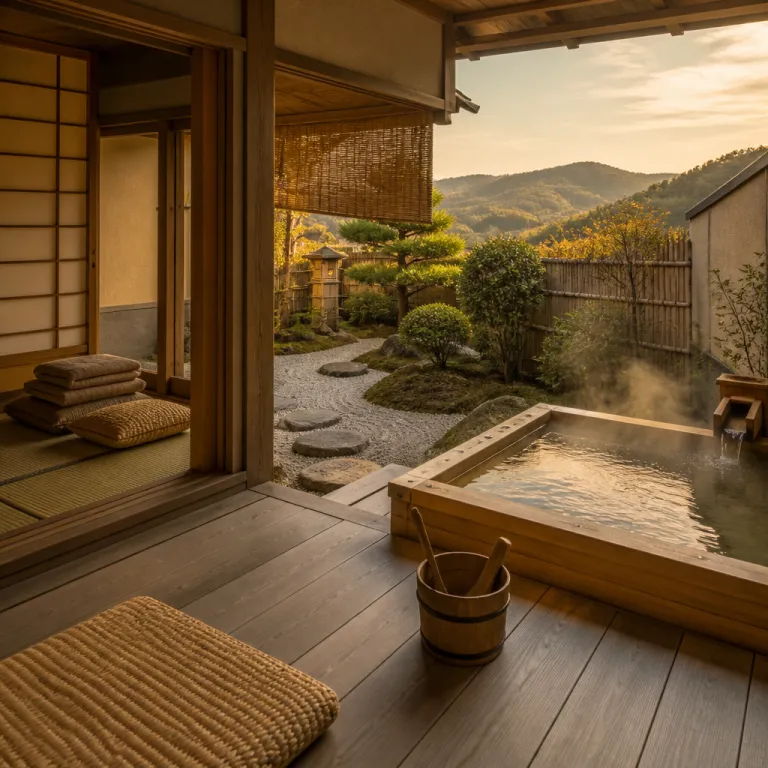
Japanese craftsmanship shapes the atmosphere of many refined hot spring inns. In the context of luxury travel, it is the art of creating objects with meticulous skill and respect for materials, and it turns a simple stay into a cultural immersion. When you choose a premium ryokan in Japan, you are often choosing a living gallery of traditional Japanese crafts rather than just a room with a view.
Across the country, from each prefecture renowned for onsen culture to remote mountain valleys, owners collaborate with Japanese artisans who treat every object as functional art. Their work ranges from textiles and lacquerware to ceramic ware and carved wood, and each piece is selected to harmonize with the surrounding landscape. This approach reflects a cultural practice where Japanese craftsmanship emphasizes precision and care for natural resources, and where sustainability and artistic integrity matter as much as comfort.
For travelers comparing luxury options, understanding these traditional crafts helps explain price differences and the feeling of depth in certain properties. A suite furnished with handwoven textiles, bamboo crafts, and hand-thrown ceramic bowls offers a different sensory experience than mass-produced décor. When a ryokan highlights that its porcelain tableware is produced locally or that its cut glass tumblers come from a specific craft region, it signals a commitment to heritage that many guests now actively seek.
Textiles, yuki tsumugi, and the art of woven comfort
In many high-end hot spring inns, the first encounter with Japanese craftsmanship happens through touch. The textiles that brush your skin, from the yukata robe to the bed linens, often come from workshops where skills have been refined since the Edo period. These traditional Japanese textiles are not just soft; they carry stories of regions, families, and techniques.
Two emblematic dyed textiles that appear in luxury ryokan design are yuki tsumugi and oshima tsumugi, both prized for their subtle sheen and incredible durability. Yuki tsumugi silk, painstakingly hand-spun and handwoven, may line alcoves or appear as wall hangings, while oshima tsumugi sometimes becomes elegant cushions in a quiet gallery Japan style lounge. In some properties, you will also see hakata-ori obi fabrics repurposed as runners or framed art, turning the room into a discreet exhibition of traditional crafts.
Some onsen inns now partner with artisans whose household income still depends on these crafts, integrating their work into both guest rooms and public spaces. For instance, several ryokan in Tochigi Prefecture display yuki tsumugi certified under the Ministry of Economy, Trade and Industry’s Traditional Craft Products program, noting the weavers by name in room guides. Tochigi’s yuki tsumugi was designated an Important Intangible Cultural Property in 1956 and later inscribed on UNESCO’s Representative List of the Intangible Cultural Heritage of Humanity in 2010, which many properties now reference in their materials. When you book a stay that highlights yuki tsumugi, hakata-ori, or other dyed textiles, you directly support the survival of more than 200 types of recognized traditional craft across Japan. For a deeper dive into how artisan heritage is woven into hospitality, the feature on artisan sword heritage woven into luxury hot spring stays shows how even metalwork can shape the narrative of a ryokan.
Ceramic ware, porcelain produced, and the quiet ritual of dining
Dining at a luxury hot spring inn often feels like entering a curated ceramic gallery. Every course arrives in a different piece of ware, and this is where Japanese craftsmanship in ceramic and porcelain produced in specific regions becomes unmistakable. The plate beneath your sashimi or the cup for your sake is rarely anonymous; it usually belongs to a lineage of traditional craft.
In Ishikawa Prefecture, many refined ryokan showcase kutani ware, whose vivid overglaze painting contrasts beautifully with minimalist interiors. Further west, inns that champion bizen ware or hagi ware present earthy, unglazed ceramic pieces whose textures change subtly with each use, deepening the connection between guest and object. Mashiko ware, with its warm glazes, often appears in more relaxed properties that still value craftsmanship but prefer a softer, rustic aesthetic.
Some contemporary hot spring inns commission limited series from gallery Japan level artists, ensuring that each bowl or cup is both art and tool. At a small inn in Yamaguchi Prefecture, for example, the owner explains to guests that the hagi ware tea set in each room was hand-thrown by a third-generation potter whose kiln is open for visits. Well-known kilns such as Riso Kiln in Kaga or long-established Mashiko studios founded in the early 20th century are frequently cited in property guides as sources for tableware. When a property explains that its porcelain is produced in a certain prefecture or that its mashiko ware tea set was shaped by a named ceramic artist, it invites you into the story of Japanese crafts rather than just serving a meal. For travelers, paying attention to these details can guide you toward stays where every dining ritual becomes a tactile lesson in traditional Japanese ceramic art.
Wood, bamboo crafts, and the architecture of calm
The architecture of a premium hot spring inn often reveals Japanese craftsmanship before you even reach your room. Floors, beams, and shoji frames in finely finished wood create a warmth that industrial materials cannot match. Many properties work with carpenters who treat each plank as a craft object, balancing structural needs with aesthetic grace.
Bamboo crafts play a crucial role in this environment, from woven ceiling panels to delicate baskets that hold amenities in the bathing area. Some ryokan highlight wood–bamboo combinations, where slender bamboo strips are woven around solid wood elements to create screens that filter light with remarkable subtlety. In guest rooms, you may find paper lanterns, bamboo blinds, and woven trays that turn everyday household items into small works of art.
In certain regions, artisans also produce Buddhist altar fittings and dolls using the same wood and bamboo techniques that appear in hospitality design. One carpenter in Gifu Prefecture, interviewed for a 2022 local craft promotion project, described his work on a riverside ryokan as “building a house that breathes with the forest.” When a property mentions that its latticework is called kumiko or that its bamboo crafts come from a specific prefecture, it signals a direct link to centuries of traditional crafts. Guests who value Japanese craftsmanship often choose inns where the building itself feels like a living museum, yet remains entirely functional and serene.
Cut glass, edo kiriko, and lacquerware in the modern ryokan
While textiles and wood dominate the visual field, glass and lacquerware add sparkle and depth to luxury hot spring stays. Edo kiriko, the traditional cut glass from the Edo period, appears in sake cups and tumblers whose faceted patterns catch the onsen light. Holding one of these pieces, you sense how Japanese craftsmanship transforms a simple drink into a small ceremony.
Many premium inns curate shelves of lacquerware trays, bowls, and chopstick rests, often produced in regions like Ishikawa Prefecture that are famous for this art. The layering of lacquer over carved wood requires patience and precision, echoing the same values that guide the slow rhythms of an onsen retreat. Some properties pair edo kiriko glass with deep black or vermilion lacquerware, creating a dialogue between transparency and opacity that feels both traditional and contemporary.
As ryokan culture evolves, owners experiment with integrating these crafts into new dining concepts, sometimes moving beyond classic kaiseki. An in-depth analysis of this shift appears in the article on how changing dining concepts reshape ryokan culture, where glassware and lacquerware still carry the spirit of Japanese craftsmanship even with different cuisines. For travelers, choosing properties that highlight edo kiriko, lacquerware, and other refined crafts ensures that every drink, snack, or nightcap feels anchored in a broader cultural narrative.
How to choose a hot spring inn that truly honors japanese craftsmanship
When browsing a luxury booking website for Japanese hot spring inns, the language used in descriptions can reveal how deeply a property engages with craftsmanship. Look for mentions of specific crafts such as yuki tsumugi textiles, kutani ware ceramics, edo kiriko cut glass, or bamboo crafts from a named prefecture. Properties that simply say "traditional décor" without details often rely on generic items rather than genuine traditional crafts.
Serious ryokan frequently highlight collaborations with Japanese artisans, craft guilds, or local workshops, sometimes offering chances to visit local studios during your stay. Some even organize small gallery Japan style exhibitions in their lobbies, where dolls, Buddhist ritual objects, or paper art pieces are displayed with explanations about their origin and technique. When a property explains that a certain alcove is called tokonoma and that its ceramic or lacquerware display changes seasonally, you can be confident that Japanese craftsmanship is part of its identity.
For travelers who value transparency, it is worth asking how often the inn renews its woven textiles, how it maintains wood–bamboo structures, and whether its porcelain tableware items come from recognized kilns. Choosing such a property not only enhances your stay but also supports the preservation of more than 200 types of recognized traditional craft across Japan, as reported by the Japan National Tourism Organization (JNTO, "Traditional Crafts of Japan," accessed 2023). In this way, your booking decision becomes a quiet act of cultural stewardship as well as a search for comfort.
Experiencing traditional crafts during your stay
Many high-end hot spring inns now go beyond décor and invite guests to engage directly with Japanese craftsmanship. Some organize short workshops where you can try simple bamboo crafts, basic ceramic painting, or paper art, guided by local artisans. These sessions transform abstract appreciation of traditional Japanese culture into personal experience.
In regions known for textiles, you may find hands-on demonstrations of dyed textiles techniques, including simplified versions of yuki tsumugi or oshima tsumugi processes. Other properties arrange visits to nearby studios where you can watch lacquerware being polished, edo kiriko glass being cut, or dolls being assembled for both household altars and seasonal festivals. Such encounters make it clear why Japanese craftsmanship is important: it preserves cultural heritage and promotes sustainability.
Guests who participate in these activities often return to their rooms with a new sensitivity to every woven mat, every piece of ware, and every carved wood detail. The answer to the question "How can I experience Japanese craftsmanship?" is simple: visit local workshops or participate in craft workshops. By choosing inns that facilitate these encounters, you align your travel with the ongoing story of crafts that have evolved from the Edo period to the present day.
Key figures on japanese craftsmanship in luxury hot spring inns
- Japan National Tourism Organization reports around 236 types of officially recognized traditional crafts across Japan, many of which appear in textiles, ceramic ware, lacquerware, and bamboo crafts used in premium ryokan (JNTO, "Traditional Crafts of Japan," updated 2022).
- In several craft-focused prefecture level surveys, including a 2021 Ishikawa Prefectural Government report on traditional industries, a significant share of artisan workshops now collaborate with hospitality businesses, with some sectors reporting more than 30% of orders linked to tourism-related household demand for Japanese craftsmanship.
- Properties that invest in region-specific porcelain and stoneware items such as kutani ware, bizen ware, hagi ware, and mashiko ware often highlight higher guest satisfaction scores in published case studies; for example, a 2019 Hokuriku tourism promotion report cited increases of 5–10 percentage points in post-stay evaluations when guests noticed local crafts in rooms and dining spaces.
- Field studies on edo kiriko and other cut glass traditions, such as research published by the Tokyo Metropolitan Small and Medium Enterprise Support Center in 2020, show that a notable portion of recent commissions—over one quarter in some surveyed studios—come from hotels and ryokan, indicating that hospitality design has become a key driver in the revival of Edo period inspired crafts.
FAQ about japanese craftsmanship in hot spring inns
What is Japanese craftsmanship in the context of hot spring inns ?
In ryokan and other hot spring inns, Japanese craftsmanship refers to the use of traditional crafts such as textiles, ceramic ware, lacquerware, bamboo crafts, and woodwork created with meticulous skill and respect for materials. It shapes everything from architecture to tableware, turning the property into a living expression of traditional Japanese culture. This approach ensures that comfort, aesthetics, and cultural heritage are inseparable.
Why is Japanese craftsmanship important for luxury travelers ?
For luxury travelers, Japanese craftsmanship guarantees authenticity and depth rather than surface level décor. When an inn features yuki tsumugi textiles, edo kiriko glass, or kutani ware ceramics from a specific prefecture, guests gain a tangible connection to local history and artisans. This not only enhances the sensory experience but also supports sustainable cultural and economic ecosystems.
How can I tell if a hot spring inn truly supports traditional crafts ?
Genuine commitment appears in detailed descriptions of crafts, named regions, and collaborations with Japanese artisans or craft guilds. Look for mentions of specific ware such as bizen ware or hagi ware, references to bamboo crafts or dyed textiles, and explanations of how items are called and used in daily operations. Properties that offer visits to workshops or in-house demonstrations usually have deeper ties to traditional crafts.
Can I buy artisan pieces during my stay ?
Many premium ryokan curate small gallery Japan style corners where guests can purchase textiles, ceramic pieces, lacquerware, or paper art used in the property. Some will arrange custom orders directly with artisans, allowing you to bring home the same woven fabrics or porcelain tableware items you enjoyed during your stay. This creates a direct link between your household environment and the Japanese craftsmanship experienced at the inn.
How has Japanese craftsmanship evolved from the Edo period to today ?
Techniques developed in the Edo period for textiles, ceramic ware, cut glass, and lacquerware have been preserved through apprenticeships and craft guilds, then adapted to modern lifestyles and hospitality. Today, many artisans integrate contemporary design while maintaining traditional methods, ensuring that crafts remain relevant in luxury travel settings. This evolution allows hot spring inns to offer spaces that feel both timeless and attuned to current expectations of comfort and style.
References
- Japan National Tourism Organization, "Traditional Crafts of Japan" (accessed 2023)
- Agency for Cultural Affairs, Government of Japan, reports on Intangible Cultural Properties and Important Intangible Cultural Properties
- Japan Craft Design Association, publications on regional craft industries and contemporary applications in hospitality