The quiet ritual at 6 am: how a morning bath shapes your ryokan stay
The most revealing early soak in an onsen ryokan begins long before breakfast, when the corridors are still dark and only the faint rustle of yukata fabric breaks the silence. At a traditional Japanese hot spring inn, the day is designed to start in the bathing area, not at the buffet line, and slipping into mineral rich water at 6 am aligns you with a rhythm that locals have followed for generations. By the time other guests think about coffee, you will already have floated through rising steam, watched the sky lighten above the open air pools, and felt the difference between night and day in your own muscles.
Ryokan guests and ryokan staff both understand that this early hour belongs to the water, which is why many inns quietly promote asa buro, the morning bathing tradition, as the most authentic part of any stay. In practice, that means setting a discreet alarm around 5:30 am, slipping into your yukata, taking a small towel and your room key, and walking through near empty halls toward the public bath where the only sound is spring water flowing into stone basins. The recommended pattern is simple but effective: wake, hydrate, enjoy a short soak in hot springs below 41 °C as advised by organizations such as the Japan Spa Association and the Japan Onsen Association, then step out before your body feels heavy, letting the cool air of the onsen town corridor reset your circulation.
Guidance from Japanese hot spring experts consistently emphasizes timing and quiet; early morning bathing is praised for solitude, stable water temperature and a serene atmosphere. That solitude is what transforms a standard onsen ryokan into a deeply personal sanctuary, especially for couples who value quiet connection more than crowded facilities. When you book a premium ryokan through a curated platform, look beyond photos of rooms and kaiseki dinner spreads, and ask instead how the property manages its morning baths, because that single detail will shape your entire sense of place.
The sensory difference at dawn: steam, light and almost private baths
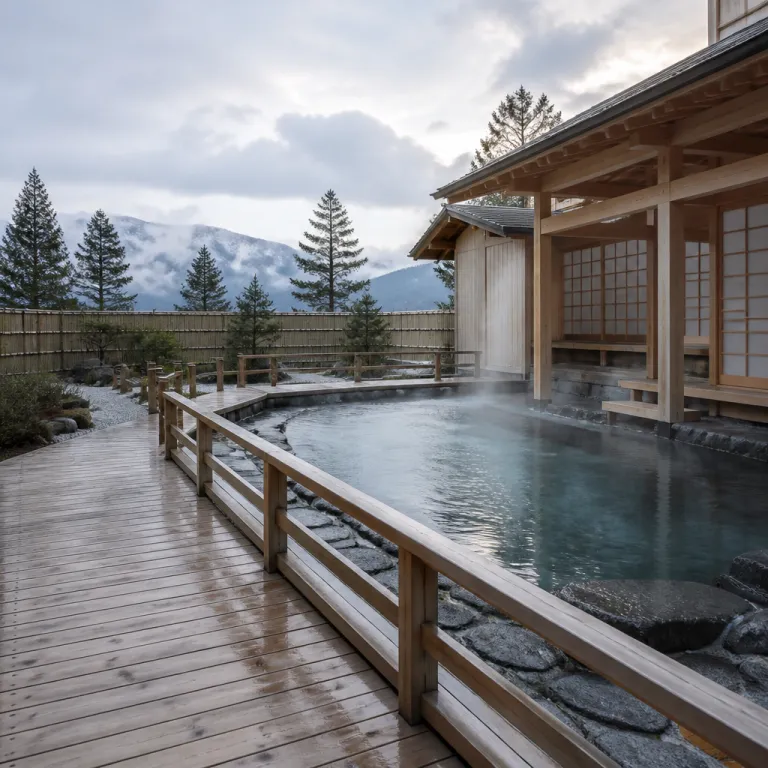
Step into the bathing area just before sunrise and the pre breakfast onsen session feels almost private, even when the property has many rooms. The air is cool, the stone still holds a trace of night, and the first touch of hot spring water on bare skin sends a clean, bright shock through your body that no espresso can match. In a good rotenburo, the open air bath frames the sky, while in a great one the horizon is perfectly placed for the first light, a distinction explored in depth in this rotenburo field guide on what separates a good open air bath from a great one; that difference is magnified at 6 am, when the view belongs only to you.
At this hour, the usual soundtrack of an onsen town falls silent, and instead you hear only water, wind and birdsong, which turns routine bathing into a kind of moving meditation. Many ryokans rotate men’s and women’s public onsen overnight, so the bath you enter at dawn may offer a completely different perspective from the one you used the previous night, giving you a second onsen bath without changing properties. Couples who coordinate their schedules will often compare notes over breakfast dinner planning later, trading impressions of which side had the better rock formations, which bathing area caught more morning light, and which open air pool felt closest to the surrounding forest.
In mountain regions of Japan such as the Yufuin area in Ōita, the contrast between cold air and hot springs is especially sharp at dawn, and steam rises in thick, sculptural plumes that make even small baths feel cinematic. A well designed onsen ryokan will angle its outdoor pools toward the east, so that the first sun hits the surface of the spring water just as you settle in, turning the bath into a natural light show. When you evaluate luxury ryokans on a booking site, pay attention to photos taken at different times of day, because a pool that looks ordinary at noon can become extraordinary at 6 am when the town is still asleep; some properties even caption images with “taken at 6:10 am in early spring” to highlight this effect.
Water that changes overnight: how ryokan will manage their springs for dawn
What you feel in a dawn soak at an onsen ryokan is not only mood; it is also chemistry, because hot spring water evolves between night and morning. Some properties, including well known inns in Kusatsu Onsen and Kinosaki Onsen, drain and refill their baths private and public every day, which means that the 6 am bather often enjoys the freshest mineral concentration, before temperature adjustments and repeated bathing dilute the character of the spring. Other ryokans allow minerals to build overnight in the onsen bath, creating a slightly denser, silkier texture by morning, especially in springs rich in sulfur or sodium chloride.
Health focused travelers should pay attention to how each ryokan stay describes its hot springs management, because that detail will influence both comfort and safety. Recommendations from Japanese spa authorities and cardiology societies converge on similar guidance for timing and temperature: limit soak to around 10 minutes, use water below 41°C, and hydrate beforehand. Luxury booking platforms that specialize in Japanese hot spring inns increasingly highlight this kind of data, allowing you to filter for properties that keep optimal water temperature and provide shaded open air pools for guests who prefer milder bathing.
Not every traveler wants the same intensity, which is why some ryokans in Japan now offer both traditional Japanese style pools and western style soaking options, sometimes in separate rooms or wings. In places like Yufuin, you might find a small indoor public bath fed directly from the source, alongside a more controlled private onsen with adjustable temperature, ideal for guests who are new to hot bathing. For a broader perspective on how different cultures handle communal water rituals, this guide to why the world bathes differently and what travelers gain from each system helps you understand how an onsen town compares with a jjimjilbang district or a hammam quarter, and why Japanese ryokans remain uniquely focused on the spring itself.
From bath to breakfast: why asa buro makes every bite taste sharper
The early morning onsen ritual does not end when you step out of the water; it continues at the breakfast table, where your appetite feels newly tuned. After a short, focused soak in hot spring pools, your circulation improves, your skin tingles in the cool corridor air, and by the time you reach the dining rooms your body is ready for serious fuel rather than a token pastry. That is when a traditional Japanese breakfast, with grilled fish, miso soup, rice and tsukemono, becomes as memorable as any kaiseki dinner served the previous night.
Couples who plan their ryokan stay carefully will often schedule a light dinner the evening before, perhaps skipping a second round of sake, so that the morning hunger after bathing feels clean rather than heavy. Many onsen ryokan properties now offer flexible breakfast dinner packages, allowing you to choose between full kaiseki dinner service and simpler seasonal menus, which is useful if you prefer to keep one night lighter to maximize the next morning’s bath. In premium ryokans, staff will quietly adjust timing so that your breakfast appears just after your expected return from the bathing area, a small gesture that signals deep understanding of the asa buro rhythm; one manager in Yufuin describes their schedule as “lights on in the bath at 5:30, first trays served from 7:00.”
Some properties in Japan, including a few in the Yufuin area and other well known onsen towns, also provide in room breakfast for couples who want to extend the post bath cocoon. You step out of the public onsen or your private onsen, wrap yourself in a dry yukata, and return to find trays of seasonal dishes laid out on low tables, with steam rising from miso and tea. For travelers who enjoy comparing different hot springs destinations, even a stay at a more conventional property such as a Hampton Inn in a hot springs city can feel richer once you have experienced how Japanese ryokans choreograph the link between bath and breakfast, as explored in this look at comfort and convenience in a Western hot springs hotel.
Practical booking intelligence: how to secure the best 6 am soak
Turning a morning bath onsen ryokan experience into a highlight of your trip starts at the booking stage, long before you set foot in Japan. When you browse luxury ryokans online, look for clear information about bath schedules, gender rotation, and whether baths private and public are available for couples who prefer to soak together. Properties that publish detailed timetables for their public bath facilities, including exact opening hours for each bathing area, signal that they take asa buro seriously rather than treating it as an afterthought.
Once you have chosen your onsen ryokan, a few small habits will elevate the actual soak, especially around the 6 am golden hour. Set a quiet alarm for 5:30 am, hydrate with a glass of water in your rooms, and walk slowly to the baths with only a small towel and your key, leaving phones behind so that the open air pools remain free of screens. Guidance from hot spring specialists and Japanese health pamphlets suggests a recommended soak duration of around ten minutes at approximately 41 °C, which aligns with the advice that morning onsen baths are generally suitable for most people, though anyone with health conditions should consult a doctor in advance.
During your visit onsen routine, aim for a first short immersion in the public onsen, followed by a quick rinse and, if available, a second, more intimate session in a private onsen, which many ryokans offer by reservation for a fee. This sequence lets you experience both the social architecture of the onsen town and the quiet focus of a secluded pool, without overextending your time in hot water. As a simple checklist when booking, confirm: opening hours for each bath, rotation times for men’s and women’s areas, how often spring water is refreshed, whether western style amenities sit alongside traditional Japanese design, and what support the property offers for early morning bathing so your 6 am ritual will be both safe and unforgettable.
FAQ
Why is 6 am considered the best time for an onsen bath?
Six in the morning usually offers the quietest conditions in an onsen ryokan, with fewer guests in the baths and a calmer atmosphere. The water has often been freshly adjusted or refilled overnight, and the cool air around the hot spring pools sharpens the sensory contrast. This combination of solitude, fresh spring water and soft dawn light makes 6 am the most immersive time for bathing.
How long should I stay in the hot spring during a morning session?
For most healthy adults, a soak of around ten minutes in water at or below about 41 °C is a comfortable guideline. Shorter, focused sessions are better than long, exhausting ones, especially before breakfast and a day of travel. Always listen to your body, step out if you feel light headed, and hydrate before and after using the baths.
Are morning onsen baths suitable for everyone?
Morning bathing is generally suitable for most guests, but people with cardiovascular issues, low blood pressure or other chronic conditions should consult a doctor before planning intensive hot spring use. If you are unsure, choose ryokans that offer milder temperature pools and western style facilities alongside traditional Japanese baths. Start with shorter sessions and avoid sudden movements when standing up from the water.
What should I bring to the onsen for a 6 am soak?
For a dawn bath, you only need your room key, a small towel and your yukata, since amenities like soap and larger towels are usually provided in the bathing area. Leave phones and valuables in your rooms to keep the space quiet and focused on relaxation. Many ryokans also recommend drinking a glass of water before you walk to the public bath, especially at this early hour.
How does a morning bath change the rest of my ryokan stay?
A well timed 6 am soak sets a slower, more attentive pace for the entire day, making you more aware of details from the texture of tatami in your rooms to the flavors of breakfast and kaiseki dinner. Couples often report deeper sleep the following night after adopting this rhythm of evening and morning bathing. Over several days, the pattern of night soak, sleep, dawn bath and generous breakfast becomes the defining memory of the ryokan stay.