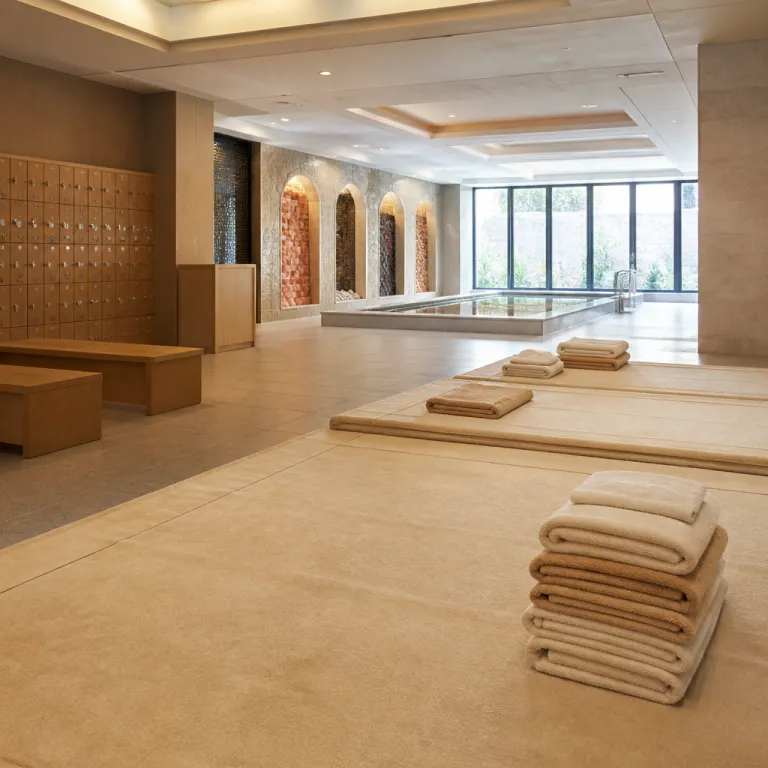
Jjimjilbang vs onsen korean bathhouse: why the 24 hour model matters
Walk into a korean jjimjilbang at midnight and the building hums softly. Families nap in a warm room, students read in bright relaxation areas, and office workers move between hot tubs and saunas with unhurried ease. This is where the comparison between a korean spa and a Japanese hot spring inn stops being theoretical and becomes a lived experience.
A jjimjilbang is a korean bathhouse that treats time differently, because many operate twenty four hours and welcome repeat visits from locals several times a week. By contrast, a traditional onsen bath house in Japan still orbits around the one night stay, with guests arriving late afternoon, bathing before dinner, and checking out after breakfast. When you look at jjimjilbangs across south korea as social infrastructure rather than just bathhouses, the gap in usage patterns becomes obvious.
South Korean cities count thousands of these korean spas. A 2022 Seoul metropolitan small business survey, for example, recorded just over 1,200 public bathhouses and jjimjilbang style facilities in the capital region alone, and most are designed for lingering. You pay a modest fee at the front desk, receive a locker key and matching korean style loungewear, then move through each step of the bathing area at your own pace. In the same period, Japan Tourism Agency lodging statistics for 2021 show that many onsen towns report average stays hovering around 1.3 nights, which leaves their hot water assets underused for most of the day.
For luxury and premium hot spring inns, this jjimjilbang vs onsen korean bathhouse contrast is not academic. It raises a hard question for any high end ryokan that has invested heavily in private rotenburo suites and elaborate kaiseki dinners. If south korean bathhouses can keep locals returning weekly to the same pools of water, why do so many onsen properties struggle to convert one off travel into habitual bathing?
The answer begins with how the korean spa model layers functions. A single complex might combine multiple saunas, gender separated bathing areas with hot and cold pools, communal nap rooms, and a cafeteria that stays open deep into the night. In comparison, many onsen ryokan still treat the spa zone as an amenity attached to the room, not as the central stage where guests might reasonably spend twelve hours.
For a booking platform focused on Japanese hot spring inns, the lesson is clear. When you present an onsen stay only as a short escape, you reinforce the one night pattern that keeps occupancy volatile and seasonal. Position the bathhouse instead as an all day, almost jjimjilbang like experience, and suddenly the same mineral water can anchor longer, more resilient stays.
The egalitarian korean bathhouse and what ryokan can learn
In a korean jjimjilbang, hierarchy melts the moment you step past the shoe locker. Everyone trades their street clothes for the same cotton set, and the only status symbol is how relaxed you look when you stretch out on the heated floor. That visual equality is not a design flourish; it is the core of how these korean bathhouses function as a third place.
Once you have stowed your bag in a main locker and clipped the locker key to your wrist, you move into the bathing area where etiquette is clear but unpretentious. You wash thoroughly, often with a vigorous body scrub that leaves dead skin swirling away in the hot water, then you rotate between pools and saunas at your own rhythm. The mixed gender relaxation areas beyond the baths become a social commons where couples, colleagues, and solo travelers share the same space without the coded signals of luxury lobbies.
Contrast that with many high end onsen ryokan, where the room category you book quietly dictates your entire experience. A suite with a private bath house terrace and in room dining can feel worlds apart from a standard tatami room that relies on the shared baths. For international guests trying to read a property page on a booking website, the stratification can be opaque, and the onsen itself risks becoming a backdrop rather than the main event.
The jjimjilbang vs onsen korean bathhouse comparison exposes how clothing and circulation shape social energy. In south korean style spa complexes, the shared uniform and open plan relaxation areas encourage guests to drift, nap, snack, and talk without worrying about dress codes or visible wealth. In many ryokan, by contrast, guests retreat to their rooms between short bathing sessions, which keeps the property quiet but also undercuts the sense of communal life around the springs.
For luxury hot spring inns listed on a curated platform, there is an opportunity to borrow the best of the korean spa ethos without diluting Japanese hospitality. That might mean clearer explanations of bathing etiquette, more generous public lounges around the baths, or even scheduled cultural activities that bring guests back out of their rooms. One owner of a small onsen inn in Kyushu described how adding a simple tea corner beside the baths “turned strangers into regulars who now visit every month just to soak and talk,” and noted that midweek repeat visits rose by roughly twenty percent within a year of the change. For a deeper sense of how these unwritten rules already shape Japanese stays, see this guide to your first night at a ryokan and the etiquette no standard guide book covers.
When you frame an onsen stay as a chance to participate in a living bathing culture rather than just occupy a premium room, you shift expectations. The korean bath model shows that people will happily share space when the design is thoughtful and the rituals are easy to understand. A booking site that highlights these communal strengths, not only the private luxuries, will attract travelers who care more about the water than the thread count.
Food, sleep, and entertainment as part of the bathing ritual
Ask a regular in south korea why they love their neighborhood jjimjilbang, and they rarely start with the temperature of the water. They talk about the late night bowls of ramen eaten in a warm corner, the nap taken between a hot sauna session and a cold plunge, or the quiet hour spent in a reading room after a long day of travel. In the jjimjilbang vs onsen korean bathhouse debate, this integration of food, sleep, and entertainment is where korean spas quietly win.
Many korean style complexes are designed as self contained ecosystems, where you can arrive with a small bag and stay for twelve hours without stepping outside. After bathing in gender separated pools, you change into loungewear and move into coed relaxation areas that feel closer to a living room than a spa lobby. Cafeterias serve simple, comforting dishes at almost any hour, and sleeping rooms range from quiet dark spaces to warmer communal floors where families spread blankets.
Japanese onsen ryokan, by contrast, still tend to separate these functions. The bathing area is one zone, the dining room another, and entertainment often means a short walk through town or a quiet drink in your room. That structure works beautifully for a one night stay, but it does little to encourage the kind of all day, repeat use that keeps korean bathhouses full of locals on a Tuesday afternoon.
For luxury and premium hot spring inns, the question is not whether to copy the korean bath model wholesale. It is how to reinterpret the idea that bathing, eating, and resting belong to the same continuous experience, not to separate time slots. The Japanese tradition of extended therapeutic stays, known as toji, already hints at this more immersive rhythm, as explored in this piece on what toji taught Japan about healing with three weeks in a hot spring and no spa menu required.
When a booking website presents an onsen property, it can foreground this integrated rhythm rather than just listing facilities. Instead of a generic spa description, highlight how guests might move from the bathhouse to a quiet tatami lounge, then to a late night snack, and back to the water before sleep. The more the narrative resembles the flow of a korean spa visit, the easier it becomes for travelers to imagine extending their stay beyond a single night.
There is a counterpoint worth acknowledging. Some purists argue that turning bathing into entertainment risks diluting the contemplative core of onsen culture, which has long prized silence and ritual over stimulation. The challenge for high end inns is to curate options that support longer, more flexible stays without overwhelming the simple act of stepping into hot mineral water and letting the outside world fall away.
From third place to premium stay: rethinking onsen through a korean lens
At its best, a korean jjimjilbang functions as a third place, neither home nor office, where people of all ages can simply be. The presence of students sleeping under thin blankets, parents guiding children through the bathing area, and older regulars chatting in the hottest room creates a social texture that feels rare in many modern cities. When you compare jjimjilbang vs onsen korean bathhouse cultures through this lens, the korean model looks less like a spa and more like civic infrastructure.
Onsen towns in Japan, by contrast, often feel calibrated for the transient guest. Streets come alive in the early evening as visitors in yukata shuffle between inns and public bathhouses, then fall quiet once everyone retreats to their rooms. Average stays of just over one night mean that even the most beautiful hot water is experienced as a brief interlude in a longer travel itinerary, not as a recurring part of weekly life.
For a luxury booking platform dedicated to Japanese hot spring inns, this is both a challenge and an opening. The challenge lies in convincing time poor, high expectation travelers that an onsen stay deserves more than a single night on the way to somewhere else. The opening lies in reframing these properties not as wellness retreats, but as places where the bathhouse itself can become a personal third place for a day or two, as argued in this analysis of why the best hot spring inns refuse to call themselves wellness retreats.
Here the granular details of the korean spa experience matter. The way a guest moves from the front desk to the shoe locker, then to the main locker and finally into the bathing area, is choreographed to feel intuitive even on a first visit. Clear signage, visible staff, and simple payment structures mean that a first time visitor from outside korea can read the space quickly and relax into the experience without anxiety.
Japanese inns that welcome international guests can borrow this clarity without sacrificing atmosphere. Detailed pre arrival guides, visual explanations of bathing steps, and transparent descriptions of room categories help guests understand how to use the bath house from the moment they book. A thoughtful guide in English, almost a guide korean in spirit, can turn nervous first timers into confident repeat visitors who treat the onsen as their own temporary korean style refuge.
As one comparative cultural survey of urban bath users summarized in 2020, “What is a jjimjilbang?” “A Korean bathhouse offering communal relaxation spaces, saunas, and sleeping areas.” “How does an onsen differ from a jjimjilbang?” “An onsen is a Japanese hot spring providing natural mineral baths for individual relaxation.” “Are jjimjilbangs open 24 hours?” “Many jjimjilbangs operate 24/7, offering overnight stays.” “Do I need to bring my own toiletries to a jjimjilbang?” “It is advisable to bring your own toiletries, though some facilities may provide them.” “Is it common to sleep overnight in a jjimjilbang?” “Yes, many people use jjimjilbangs as affordable overnight accommodations.” For high end onsen inns, the strategic question is how much of that communal, always open energy to invite in, and how to translate it into longer, richer stays that still honor the quiet power of Japanese mineral water.
Key figures shaping the future of bathing cultures
- South Korea counts several thousand jjimjilbang facilities nationwide, according to Seoul city and provincial business registries compiled in 2022, which means korean bathhouses are embedded in daily urban life rather than reserved for rare trips.
- The typical entry fee for a jjimjilbang clusters around 10 000 KRW in major cities, based on Zuzu Korea Travel data and local price surveys conducted in 2023, making korean spas accessible enough to encourage frequent visits rather than occasional splurges.
- Japanese onsen town stays average just over one night, at roughly 1.3 nights per trip in 2021 Japan Tourism Agency reports, which highlights how much room there is to extend visits through more jjimjilbang like, all day experiences.
- Many jjimjilbangs operate twenty four hours, while most onsen ryokan still follow fixed check in and check out windows, a structural difference that shapes how guests use the water and the surrounding facilities.
- Comparative cultural studies using surveys and observational methods show growing international interest in communal bathing experiences, suggesting that both korean and Japanese hot spring inns can attract new audiences by articulating their distinct strengths clearly.
Sources
- Seoul metropolitan and provincial business registry summaries, 2022, for counts of jjimjilbang and public bathhouse facilities in South Korea.
- Zuzu Korea Travel, 2023 pricing information and sample ranges for jjimjilbang entry fees in major cities.
- Japan Tourism Agency, 2021 statistics on average length of stay in onsen towns versus national hotel averages.