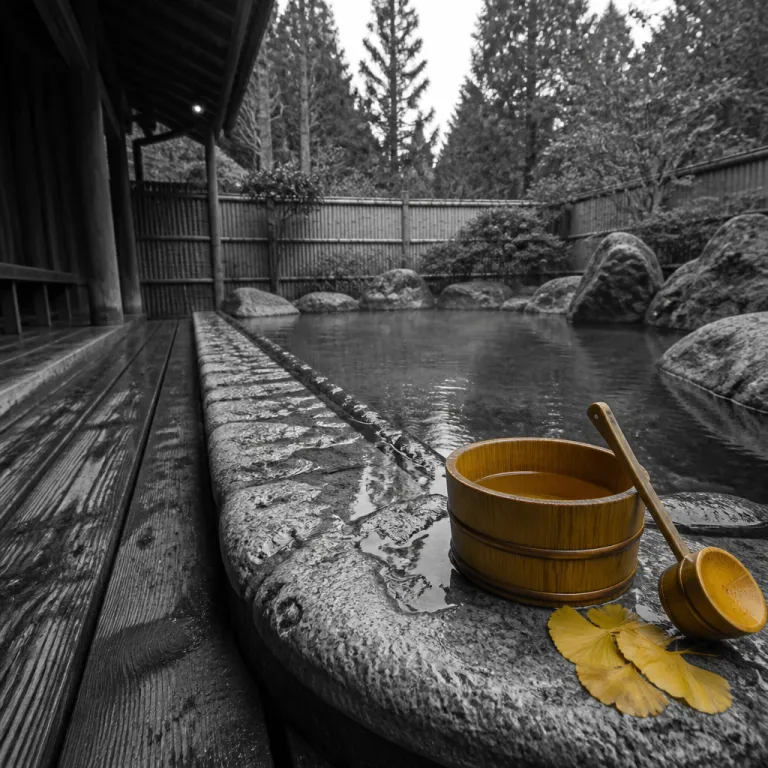
The rhythm of toji therapeutic bathing in Japan’s hot spring tradition
To understand toji, the therapeutic hot spring stay in Japan, start with rhythm rather than amenities. A classic visit to a Japanese onsen town follows a simple pattern of hot spring immersion, rest, and quiet meals that repeats until the body finally yields. The focus is not one dramatic bath, but many small baths and long pauses that slowly reshape how you move through each day.
Traditional Japanese toji culture grew around farmers and fishermen who came to hot springs during the off season to repair joints and nerves. They would soak in hot water three times a day, eat plainly, sleep early, and let the mineral spring water do its slow healing work over two or three weeks. This extended bathing experience still shapes the culture of serious Japanese onsen regions such as Kusatsu Onsen, Beppu Onsen, and Arima Onsen, where springs are treated as medical infrastructure rather than leisure décor.
In a classic toji program, the first three days are short, cautious baths that help your circulation adapt to the hot spring water. The next stretch, often from day four to day ten, brings three deeper baths daily, with long rest periods and air bath breaks between each immersion. After that, the final integration phase is quieter, with gentler bathing in both indoor pools and open air rotenburo, so your body can hold on to the benefits once you leave the onsen towns behind. As one innkeeper in Gunma explained, “You do not come here for one perfect soak; you come so the baths can slowly rewrite your routine.”
From warriors to wellness seekers: who practiced toji, and why it still matters
Historically, this style of therapeutic bathing in Japan attracted everyone from wounded warriors to exhausted monks. Farmers and fishermen used extended stays in hot springs to recover from hard seasons, while towns built entire micro economies around guests who might remain for fourteen days or more. The practice was never about a quick hot bath, but about living inside the rhythm of springs, meals, and sleep until your body felt newly aligned.
One core definition still holds true today: “Toji is a traditional Japanese practice of extended stays at hot springs for healing.” Guests arrive in an onsen town such as Beppu or Dogo Onsen, check into a traditional Japanese inn, and commit to multiple baths each day with almost monastic regularity. The goal is physical rejuvenation, mental relaxation, and community bonding, not a curated spa menu or a stack of branded wellness products.
For modern travelers booking luxury Japanese onsen stays, the lesson is clear: toji culture values mineral water and daily routine over spectacle. A premium room in Hakone or Atami Onsen means little if you rush through the hot springs between sightseeing and shopping. If you are curious about how serious onsen properties quietly resist being labeled as wellness resorts, look for in-depth analyses from independent hot spring writers, then choose a stay that prioritizes springs, silence, and time. Longtime bathers often say that the real souvenir is not a photo, but the slower pace you carry home.
Inside a three week toji stay: baths, meals, and the quiet life of an onsen town
Spend three weeks in a Japanese onsen town and your days narrow in the best possible way. Morning begins with a short hot spring bath, followed by a simple breakfast and an air bath on the engawa veranda while your pulse settles. Later comes a longer soak in open air pools, a nap, another bath before dinner, and finally one last immersion in hot water before sleep.
Traditional programs suggest three baths daily during the therapeutic phase, and modern toji specialists such as the Toji Gurashi initiative adapt that structure for contemporary guests. You start with brief dips in the spring water to avoid fatigue, then gradually extend each bathing session as your body adjusts to the minerals. Between baths, you rest, hydrate, and enjoy unhurried walks through onsen towns like Kusatsu Onsen or Arima Onsen, where steam vents and public foot baths anchor everyday life.
Meals in serious toji inns are intentionally restrained, with seasonal Japanese dishes that support circulation and recovery rather than indulgence. Luxury properties in Hakone, Atami, or onsen Shizuoka now blend kaiseki artistry with this quieter philosophy, serving beautifully plated but digestible dinners timed around your bathing schedule. A typical day might cost roughly the equivalent of a mid range city hotel night, but the value lies in the slow rhythm of bathing, eating, and resting rather than in flashy amenities.
Mineral springs, medical claims: what the water actually does during toji
Toji, the therapeutic hot spring stay in Japan, is built on the belief that specific springs suit specific bodies. Japan’s Ministry of the Environment designates certain hot springs as therapeutic, based on mineral content and reported effects on circulation, metabolism, or skin conditions, as summarized in its balneotherapy guidelines. For travelers, that means choosing not just a beautiful onsen, but a particular type of spring water that aligns with your needs.
Sulfur rich springs, common in Kusatsu Onsen and parts of Beppu Onsen, have long been used for chronic skin conditions and mild inflammatory issues. Sodium chloride springs, found in coastal onsen towns such as Atami Onsen or some onsen Hyogo resorts, are prized for warming the body deeply and supporting circulation. Carbon dioxide rich waters, present in a handful of onsen Gunma and Arima Onsen pools, are associated in clinical studies with lower blood pressure and improved peripheral blood flow, especially when used in repeated baths over many days.
Balneotherapy research, including peer reviewed studies on hydrotherapy and mineral baths, suggests that cumulative exposure matters more than any single hot bath, which is why traditional Japanese toji stays stretch to two or three weeks. The body gradually adapts to repeated immersion in hot water, and minerals absorbed through the skin and inhaled in steam may influence pain perception and vascular tone. These findings are general and do not replace medical advice, so anyone with health concerns should consult a physician before planning intensive bathing. When you book a luxury Japanese onsen, ask not only about room categories, but also which springs feed each bath, whether there are open air pools for cooler air contrast, and how the inn structures bathing times for guests following a toji style program.
Planning a luxury toji stay: where to book, how long, and what it costs
Turning this therapeutic bathing tradition in Japan into a real itinerary means thinking in weeks, not nights. A classic program runs for about fourteen days at minimum, with many traditional Japanese guests staying closer to three weeks when work and family allow. For international travelers, even a seven night stay in a serious onsen town can offer a meaningful taste of the toji rhythm.
Ryokan Ohnuma in Hokkaidō is often cited as an example of a traditional toji inn that welcomes extended stays, with published descriptions of its long-stay bathing programs. Guests book simple or more premium rooms, then follow a structured pattern of three baths daily, rest periods, and access to communal kitchens or light meal plans. Similar long stay friendly properties can be found in Kusatsu Onsen, Kinosaki, Tamatsukuri, and selected onsen Shizuoka or onsen Hyogo towns, where pricing often becomes more favorable once you cross the one week mark.
Expect costs to sit below flashy resort levels when you commit to longer durations, especially if you choose half board rather than elaborate multi course dinners every night. The real luxury is time: the chance to enjoy quiet mornings in an open air bath, watch steam rise over the town, and feel your body respond to the springs day after day. Before booking, read property policies on tattoos and shared bathing, as some Japanese onsen still maintain strict rules, while others are quietly redrawing the line in response to changing visitor expectations.
FAQ
What is toji, and how is it different from a normal onsen visit?
Toji is a traditional Japanese practice of extended stays at hot springs for healing, usually lasting from two to three weeks. A normal visit to a Japanese onsen might involve one or two baths in a single day, often framed as relaxation after sightseeing. Toji, by contrast, treats the hot spring as a daily therapeutic tool, with multiple baths, structured rest, and simple meals forming a complete lifestyle during the stay.
How long should I stay in a hot spring town if I want a toji style experience?
Traditional programs suggest at least fourteen days, with a first phase of adaptation, a central therapeutic phase, and a final integration period. If your schedule cannot stretch that far, aim for seven to ten nights in a single onsen town rather than hopping between many springs. Even a shorter stay can echo toji culture if you bathe two or three times daily, rest between baths, and keep your itinerary deliberately light.
How many baths per day are typical during a toji program?
During the main therapeutic phase, three baths per day are common, spaced from morning to evening. Early sessions are usually shorter to help your body adjust to the hot water and mineral load. Over time, you may extend each bath slightly, always balancing immersion with rest, hydration, and brief air bath breaks in cooler spaces.
Which Japanese hot spring areas are best for a serious toji stay?
Kusatsu Onsen, Beppu Onsen, Arima Onsen, and Dogo Onsen are classic choices, each with distinct mineral profiles and strong local bathing culture. Hakone, Atami Onsen, and several onsen towns in Shizuoka, Hyogo, and Gunma prefectures also support longer stays, with inns accustomed to guests following a toji rhythm. When choosing, look for properties that emphasize their springs, offer flexible meal plans, and mention extended stay options rather than only weekend packages.
Is toji suitable for everyone, and what about medical conditions?
Toji has traditionally been used for rheumatic pain, fatigue, and some skin conditions, but not every hot spring suits every guest. People with cardiovascular issues, pregnancy, or complex medical histories should consult a physician before planning extended bathing. Once cleared, choose an inn that understands toji culture, start with short baths, stay hydrated, and listen carefully to how your body responds over the days.
References
Japan Ministry of the Environment – official guidance on therapeutic hot springs, balneotherapy indications, and designated medical springs.
Ryokan Ohnuma – publicly available descriptions of traditional toji programs, long-stay facilities, and bathing schedules.
Peer reviewed balneotherapy research – clinical studies on hydrotherapy, mineral springs, circulation, blood pressure, and pain relief, including work on carbonated baths and sulfur-rich waters.