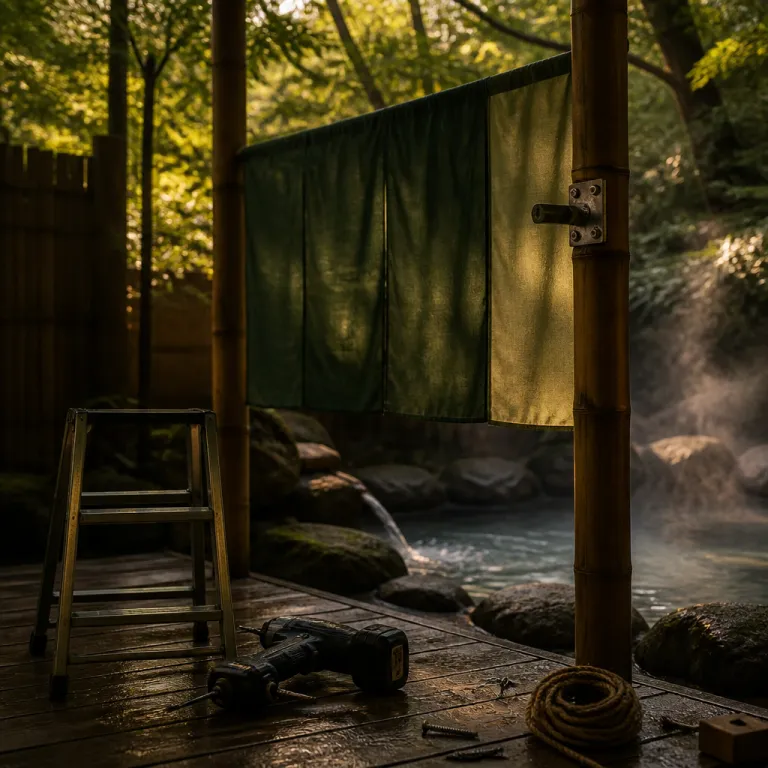
From prohibition to quiet reform: why tattoos still matter in the steam
Walk into a traditional japanese onsen and the first thing you feel is the heat rising from mineral rich spring water. A moment later, if you have a visible tattoo, you may feel something else entirely as you scan the signage and wonder whether this particular japanese onsen will allow tattoos or quietly turn you away. That tension between timeless ritual and modern skin art now defines the onsen tattoo policy for international visitors more than any marketing slogan ever could.
The historical backdrop is not abstract ; tattoos in japan were long associated with the yakuza, and that link shaped how public baths handled body art. When the Japan Tourism Agency reported that around half of onsens still enforced some form of tattoo restriction only a few years ago, it confirmed what many tattooed travelers already knew from experience. The official explanation remains clear and unvarnished in policy briefs and Q&A documents ; “Why were tattoos banned in onsen? Due to historical yakuza associations.”
Yet the reality on the ground is shifting faster than many first time visitors expect, especially in major gateways such as tokyo or Kyoto where friendly onsens now see tattoos as part of global culture. Onsen operators, from large onsen ryokan groups to family run inns, are revising rules to attract more international guests while still protecting the quiet of the bath. That is where the nuance lies for a business leisure traveler who wants to respect japanese etiquette, enjoy the hot spring, and still keep a carefully chosen best tattoo visible without causing discomfort in the public pools.
Policies now fall along a spectrum that ranges from absolute bans to fully tattoo friendly onsen environments where tattoos allowed signs are posted in several languages. In the middle sit properties that allow tattoos if guests cover tattoo designs with skin tone patches, or that direct tattooed guests toward a private onsen or bookable open air baths instead of the main gender segregated halls. The official guidance reflects this diversity ; “Are all onsen now tattoo-friendly? No, policies vary by facility.”
For international visitors, the onsen tattoo policy international visitors need to understand is no longer a simple yes or no. It is a layered decision tree that depends on the size of the tattoo, the layout of the baths, and whether the property has invested in private baths or open air bath suites that can be reserved by the hour. The most forward looking onsen japan operators now publish clear english language rules online, making it easier to find a friendly onsen where tattoos japan guests are welcomed rather than merely tolerated.
Luxury travelers extending a tokyo business trip into a weekend in Hakone or Izu are often surprised by how sophisticated these policies have become. Some onsen ryokan brands now train their équipe to explain when they can allow tattoos in certain time slots, and when they must gently redirect guests toward private hot springs with lockable doors. For executives used to seamless service, that clarity can make the difference between a transformative air bath under the stars and an awkward conversation at check in.
Inside the new rulebook: etiquette, signage and the choreography of the bath
Once you have found a property whose onsen tattoo policy for international visitors feels workable, the next challenge is etiquette rather than ink. The choreography of a japanese bath is precise, and the unspoken rules around water, time, and silence can unsettle even seasoned travelers. That is why many hot spring facilities now pair more flexible tattoo rules with multilingual guides that walk guests through every step of the experience.
Across japan, operators are updating signage at the threshold between the changing room and the washing stations, where the ritual truly begins. Clear diagrams show that you must wash thoroughly before entering any of the baths, whether you are heading for an indoor pool or an open air bath framed by cedar and stone. The message is consistent from Hokkaido to Kyushu ; shower seated, rinse off all soap, and arrive at the hot spring as clean as you would for a medical procedure rather than a casual swim.
Those same panels now often include a discreet line about tattoos, explaining whether the onsen will allow tattoos openly, require guests to cover tattoo designs, or restrict inked visitors to private onsen spaces. “Can I cover my tattoo to enter an onsen? Some onsen allow cover-ups; check policies.” That single sentence, repeated in english, chinese, and korean, has done more to reduce friction than any glossy tourism campaign.
Photography is another fault line where cultural expectations collide, especially in public baths that attract younger guests from tokyo and Osaka. Phones are usually banned anywhere near the water, both to protect privacy and to preserve the meditative atmosphere that defines a japanese onsen at its best. For tattooed travelers used to documenting every best tattoo in every pool worldwide, this can feel restrictive, yet it is central to the trust that allows strangers to share the same steaming spring water without self consciousness.
Luxury properties that court international executives are going further by adding short demonstration videos in the lobby, often looping near the check in desk or lounge. These clips show how to move between indoor baths and open air baths, where to leave your small towel, and how to use the cold water basins between long soaks in the hot pools. They also explain, with calm authority, why towels should never touch the water and why even a friendly onsen must sometimes ask guests with large japan tattoos to choose a private bath instead.
For travelers curious about how these rituals compare with jjimjilbang culture in Korea or hammam traditions in the Middle East, a broader perspective on how the world bathes differently can be helpful. A detailed guide to contrasting onsen, jjimjilbang, and hammam customs shows how each culture balances modesty, heat, and social interaction, and it underlines why tattoos japan debates feel so specific to this country’s history. Understanding those differences makes it easier to respect local norms while still seeking out friendly onsens that match your comfort level.
How luxury onsen ryokan are rewriting the rules without losing the plot
The most interesting shift in the onsen tattoo policy for international visitors is happening at the top end of the market. Brands that operate multiple onsen ryokan across japan now see tattoos not as a threat to tradition but as a reality of global travel that can be managed with care. Hoshino Resorts’ KAI properties are the clearest example, and their strategy is reshaping expectations for both guests and competitors.
KAI’s leadership has been explicit about its rationale for changing course on tattoos, stating that the goal is to respect diverse cultures while keeping the authenticity of traditional onsen culture intact. That philosophy shows up in the hardware as much as in the policy documents ; many KAI inns now feature a mix of large public baths, smaller gender separated pools, and bookable private onsen suites with open air baths that overlook rivers, forests, or the sea. The architecture gives staff the flexibility to welcome tattooed guests without forcing more conservative bathers to share intimate spaces if they prefer not to.
The numbers suggest that this approach resonates with international travelers who value both service and sensitivity. KAI has reported a sharp increase in inbound guests compared with pre pandemic levels, and a significant share of those visitors arrive from markets where tattoos are mainstream rather than marginal. For a business leisure traveler who has just stepped off a tokyo to Nagano shinkansen, the promise is simple ; you can soak in volcanic spring water, keep your best tattoo visible, and still feel that you are participating in a deeply japanese ritual rather than a watered down spa pastiche.
Policy changes alone do not deliver that balance, so these brands invest heavily in staff training and guest communication. Front desk teams are briefed on how to explain which baths are fully tattoo friendly, which require guests to cover tattoo designs with patches, and which are reserved as quiet zones where tattoos are not allowed at any time. In practice, that might mean steering a couple with large japan tattoos toward a suite with a private hot spring and open air bath, while suggesting that a guest with a small ankle tattoo use a discreet sticker and enjoy the main indoor pools.
For travelers who want a deeper dive into how this feels on the ground, detailed property reviews can be invaluable. A guide to refined relaxation at a Hakone hot springs hotel, for example, can show how a single onsen ryokan orchestrates the flow between public baths, private onsen terraces, and semi open air baths that blur the line between room and landscape. Reading those accounts before you visit makes it easier to find a friendly onsen where the onsen tattoo policy international visitors face is transparent rather than improvised at check in.
What distinguishes these leading properties is not just that they allow tattoos, but that they treat the onsen tattoo question as part of a broader cultural dialogue. They recognize that hot springs are not interchangeable amenities ; each pool of spring water carries local geology, local history, and local expectations about how bodies should appear in public. By designing spaces where tattoos allowed zones sit alongside more traditional baths, they show that preserving atmosphere and welcoming the world are not mutually exclusive goals.
The fault line for smaller inns: intimacy, risk and the future of friendly onsens
While large brands can spread risk and invest in new facilities, smaller ryokan face a tougher calculus when they revisit their onsen tattoo policy for international visitors. A family run inn with a single pair of public baths and no spare spring water capacity cannot easily carve out separate zones for guests with tattoos. For these properties, every decision about who may enter the bath at what time feels personal, because the owners often live just a few steps from the steam.
Many of these inns sit in regions where local residents still associate tattoos with organized crime, even as national surveys show growing acceptance among younger japanese. When half of onsens nationwide were still enforcing some form of tattoo restriction only a few seasons ago, that figure masked a stark divide between urban and rural attitudes. In smaller towns far from tokyo, a single complaint from a long standing regular about japan tattoos in the women’s bath can carry more weight than a dozen positive reviews from international guests online.
To navigate this, some ryokan have quietly introduced reservation based systems that turn their main baths into de facto private onsen for certain time slots. During early evening hours, the baths may remain traditional spaces where tattoos are not allowed, preserving the comfort of local regulars who value continuity. Later at night, the same hot pools become tattoo friendly onsens for international visitors who are happy to adjust their time in the water in exchange for access.
Others lean on hardware rather than scheduling, adding a single small air bath or semi open air tub that can be booked by couples or families. This allows them to say that they do allow tattoos on property, while still keeping the main public baths aligned with local expectations. For a business traveler who values privacy as much as policy, these intimate air baths can feel like an upgrade rather than a compromise, especially when the hot spring is framed by lantern light and mountain silhouettes.
Behind the scenes, onsen operators talk openly about the pressure to modernize without alienating their core clientele. They work with local governments and the Japan Tourism Agency on signage templates, cover up patch programs, and staff training that explains how to handle difficult conversations at the entrance to the baths. The shared goal is clear ; to move from a rigid onsen tattoo ban toward a more nuanced system where properties can allow tattoos in some contexts while still honoring the quiet codes that make japanese onsen culture unique.
For international guests, the most respectful move is to treat each onsen japan visit as a specific relationship rather than a generic transaction. Ask in advance whether tattoos allowed policies apply to all baths or only to private hot springs, and be prepared to cover tattoo designs or adjust your schedule if requested. The reward for that flexibility is access to some of the most atmospheric hot springs on earth, where the line between public and private, hot and cold, open air and enclosed air bath is drawn not by corporate policy alone but by generations of lived experience.
Key figures reshaping the onsen tattoo landscape
- A nationwide survey by the Japan Tourism Agency reported that around 50 % of onsen facilities were still enforcing some form of tattoo restriction only a few seasons ago, underscoring how deeply the historical stigma remains embedded in public baths policy.
- In response to changing traveler expectations, the Japan Tourism Agency issued recommendations encouraging facilities to relax blanket bans on tattoos and consider options such as cover up patches and expanded private onsen offerings, signalling an official push toward more inclusive hot springs without mandating uniform rules.
- Industry reports show that many onsens have since revised their onsen tattoo policy for international visitors, with a growing share now allowing tattoos in at least some baths or time slots, often supported by updated multilingual signage and staff training to manage mixed guest expectations.
- Leading multi property brands that have embraced more flexible tattoo policies, such as those operating several onsen ryokan across japan, have recorded substantial growth in inbound stays compared with pre pandemic baselines, suggesting that clearer rules around tattoos allowed access can translate directly into higher occupancy and longer visit durations.
- Operational data from hot spring towns indicate that facilities which offer a combination of public baths and reservable open air baths or indoor air baths are better positioned to segment guests by preference, allowing tattoos in some pools while keeping others traditional, and thereby reducing complaints from both local regulars and international visitors.