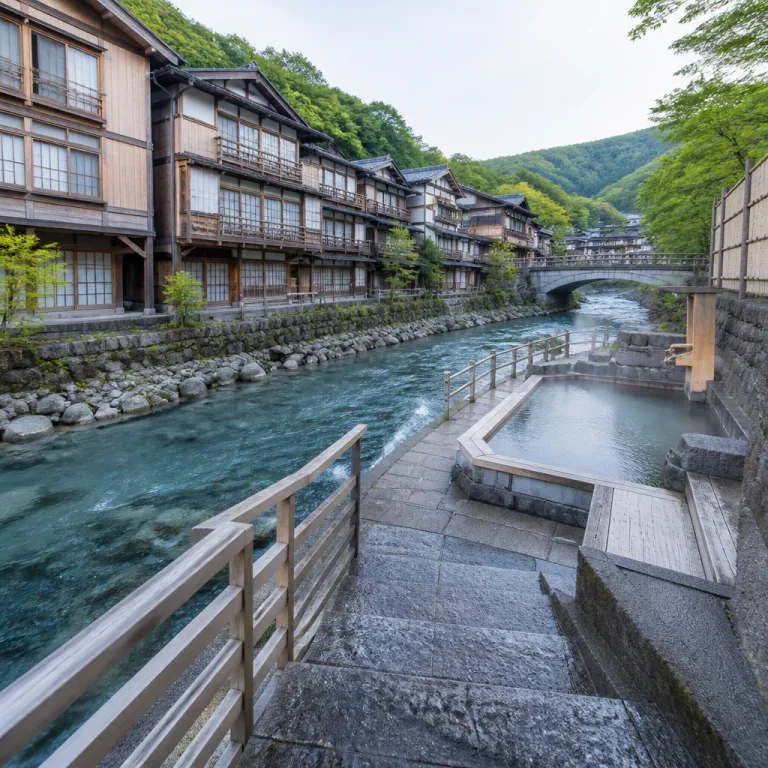
Ginzan onsen summer visit: gaslit streets, green mountains and fewer booking battles
Ginzan Onsen is introduced to most visitors through snow drenched images of a tiny onsen town glowing under gas lamps. During a summer stay in this riverside hot spring village, the same Taisho era facades lean over the Ginzan River, but the mountains above Obanazawa in Yamagata Prefecture are a deep, saturated green and the atmosphere softens. For couples planning a trip to travel Japan for romance rather than winter season spectacle, this is the time when the onsen town finally breathes.
The numbers are modest yet meaningful for discerning travel; there are only around a dozen spring inns and onsen hotels squeezed into the narrow gorge, so every room matters in peak winter. In summer the booking wars ease, and a two night trip Japan itinerary that includes both Ginzan Onsen and nearby Tendo Onsen or Zao becomes realistic without planning half a year ahead. Early morning or late afternoon is the best time to visit Ginzan Onsen in summer to avoid crowds, and those shoulder hours are when the light on the hot spring steam and wooden balconies is at its most cinematic.
Average summer temperatures hover around 25 °C in this part of Yamagata Prefecture, which changes how you use the hot springs. Instead of sprinting from indoor bath to rotenburo as in snow Ginzan photos, you linger in the open air, letting the hot mineral water and warm air balance each other. A warm season trip also opens up the walking paths along the Ginzan River and into the surrounding mountains, turning the town from a static winter postcard into a base for slow travel.
Architecture is the quiet star here, and summer light is kinder to detail than winter glare. Ginzan Onsen’s preservation rules govern facade materials, signage and even the way telephone number plates appear on ryokan entrances, which keeps the town’s visual language coherent. When you walk the main street at this time of year, you see how the wooden lattice, plaster walls and low eaves of each onsen Ginzan property respond to the river and the hot spring steam rather than to passing trends.
Staying in style: Ginzan Fujiya and the discipline of design led hot spring hospitality
For couples who care as much about architecture as about a hot bath, Ginzan Fujiya is the natural anchor for a summer escape in this valley. Kengo Kuma’s renovation, documented by the property and the architect’s own project notes, keeps the Taisho era shell facing the Ginzan River while carving out a contemporary interior that feels calm, pale and almost weightless. You step from the historic onsen town street into a sequence of quiet spaces where the hot spring water, not the furniture, does the talking.
The design philosophy here is about subtraction rather than spectacle, which suits the scale of Ginzan in this part of Japan. Public areas are low and linear, framing the river and the mountains beyond Obanazawa instead of closing them off, and guest rooms use shoji, timber and stone to echo the local landscape. For a couple planning a trip who usually books design forward onsen hotels in larger cities like Yamagata City, the intimacy of this property will feel almost private in summer.
Preservation rules in Ginzan Onsen are unusually strict for a small town, and they shape every serious renovation. Facades must retain traditional materials, signage stays discreet, and even modern onsen hotels are expected to read as part of a continuous Taisho streetscape rather than as standalone statements. That discipline is why a warm season visit feels coherent from one end of the street to the other, whether you are staying at Ginzan Fujiya, a more traditional spring inn or visiting on a day trip.
Day visit bathing is possible at several hot springs in and around Ginzan Onsen, which matters if you are building a wider travel Japan itinerary. Some spring inns open selected baths to non staying visitors during the day, usually for a modest fee and with clear time slots, while others reserve their hot spring facilities for overnight guests only. For example, the town’s public bathhouse Shiroganeyu typically welcomes day bathers for a small cash fee, with separate hours for men and women. Solo travelers considering a quiet summer soak can find detailed etiquette and logistics in this specialist guide to solo hot spring travel, which pairs well with a flexible stay in Yamagata Prefecture.
Summer bathing, Shirogane Falls and the shift from snow globe to green gorge
Winter images of Ginzan Onsen are all about contrast, with snow Ginzan scenes of white roofs and black timber reflected in the river. During a midsummer stay, the contrast softens and the palette shifts to greens, browns and the pale blue of hot spring steam rising into warm air. For photographers and design minded visitors, this is when the town’s textures rather than its snow load become the subject.
Golden hour is the moment to be on the main bridge, when the gas lamps flicker on and the last daylight catches the upper balconies of the onsen hotels. In winter season this view is crowded with trip Japan tour groups, but in summer you can usually find space on the rail to frame the Ginzan River, the hot springs vents and the layered facades. A tripod is rarely necessary; a steady hand and patience with passing visitors will give you the images you need from your travel Japan portfolio.
Beyond the town, a short walk leads to Shirogane Falls, where the former silver mine tunnels and forest paths remind you why this valley was settled in the first place. The route is gentle enough for a half day trip, and in summer the spray from the falls feels like a cool counterpoint to the hot water of the onsen. Couples who enjoy combining light hiking with bathing can easily structure their time so that a morning walk to the falls is followed by an afternoon soak and an unhurried kaiseki dinner back in the town.
Summer is also when you can comfortably explore other hot springs in Yamagata Prefecture without racing the early sunset. Zao Onsen, higher in the mountains, offers sulphur rich baths and wide views, while Tendo Onsen closer to Yamagata City pairs well with a cultural day in town. If you are weighing where to soak in peak heat, this curated overview of hot spring properties that reward July travel can help you decide how Ginzan fits into a broader itinerary.
Getting there, moving slowly and choosing the right onsen hotel for summer
Reaching Ginzan Onsen is part of the pleasure of a warm season trip, because the journey underlines how remote this onsen town remains. Most visitors travel Japan by taking the Yamagata Shinkansen to Oishida Station, then transferring to a local bus that winds through farmland and into the mountains. The ride takes around 40 minutes, and the moment the bus turns into the narrow valley you understand why large scale development never arrived.
For a day trip from Yamagata City, the same route applies, but the timing is tighter. As a rough guide, daytime buses from Oishida to Ginzan Onsen typically depart every one to two hours, with a one way fare in the ¥700–¥900 range, but schedules vary by season. Check the local bus timetable in English where available, and confirm last departures by telephone number with the tourism office or your chosen spring inn, because services are limited outside peak winter. If you are staying overnight, ask your ryokan whether they can coordinate a taxi from Oishida Station for your arrival time, which can be more comfortable after a long train journey from Tokyo.
Once in town, everything is walkable within a few hundred metres, and that compactness is a major advantage in warm weather. You can move between your onsen hotel, public hot springs, cafés and the start of the Shirogane Falls trail in minutes, which encourages a slower rhythm than in larger Japanese resorts. Couples who value design and atmosphere over sheer amenity count will find that this scale suits a two or three day stay.
Choosing where to sleep during a summer stay in Ginzan comes down to how you like to bathe and how much you want to spend. Some spring inns offer riverside rotenburo that feel almost carved into the Ginzan River bank, while others focus on refined indoor baths and meticulous kaiseki, and both styles work well in summer when the air is warm. If you are balancing budget with a taste for characterful properties across Japan, this practical guide on finding a memorable hot spring stay without the luxury price tag is a useful companion when comparing Ginzan with other regions.
FAQ
What is the best time of day for a summer visit to Ginzan Onsen ?
The most rewarding times during a summer trip to Ginzan Onsen are early morning and late afternoon. Light is softer on the Taisho era facades, temperatures are more comfortable for walking, and the onsen town is quieter. Early morning or late afternoon to avoid crowds.
Can I visit Ginzan Onsen as a day trip from Yamagata City ?
Yes, a day trip from Yamagata City to Ginzan Onsen is feasible if you plan your transport carefully. Take the Yamagata Shinkansen or a local train to Oishida Station, then connect to the local bus into the mountains. Allow enough time for the return bus and consider that evening services are limited in summer compared with the winter season.
Are there hiking trails near Ginzan Onsen suitable for summer ?
Several gentle trails start directly from the town, making a warm season stay ideal for light hiking. The most popular route leads along the Ginzan River to Shirogane Falls, passing remnants of the historic silver mine and shaded forest sections. Paths are generally well maintained, but comfortable walking shoes are recommended, especially after rain.
Is Ginzan Onsen suitable for families as well as couples ?
Ginzan Onsen is family friendly, with a compact layout, low traffic streets and easy access to hot springs. Many spring inns welcome children, although some higher end onsen hotels may prefer quieter stays and set age limits for certain baths. If you are travelling with younger visitors, confirm policies in advance and request a Japanese style room with more floor space.
How far in advance should I book an onsen hotel in summer ?
Summer demand is lower than in peak winter, so securing accommodation in Ginzan Onsen usually requires less lead time. For weekends and popular holidays, aim to reserve your preferred onsen hotel or spring inn four to eight weeks ahead, especially if you want a room with a private hot spring bath. Midweek stays can often be arranged closer to your trip, but the town’s small number of properties means last minute options are never guaranteed.
Sources
Japan Meteorological Agency; Yamagata Prefecture tourism information; Obanazawa City and Ginzan Onsen local tourism office; Ginzan Fujiya official materials and Kengo Kuma & Associates project descriptions; local bus operator information for Oishida–Ginzan Onsen services.