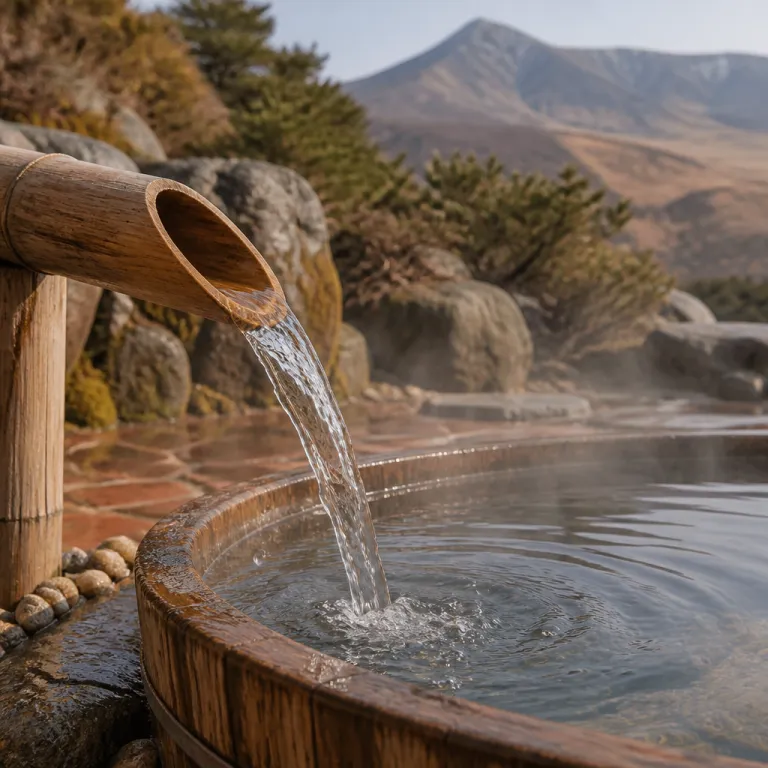
Why Hokkaido’s wild rotenburo feel closer to wilderness than wellness
Hokkaido is where an outdoor rotenburo hot spring still feels genuinely untamed. Steam rises from pools in forests, marshes and volcanic craters, and the open air baths often feel more like hidden mountain ponds than facilities attached to a hotel. For couples used to polished spa circuits, these hot springs can feel thrillingly raw yet still accessible.
The island holds well over 200 natural hot springs according to the Hokkaido Tourism Organization, and many of the most atmospheric baths sit far from any major station or bus terminal. You soak in hot water that has travelled straight from the earth, often in simple rock tubs that frame snow covered peaks or deep cedar forest. This is the essence of a Hokkaido rotenburo experience, where the view and the sense of place matter as much as the mineral content.
Travel here is part of the ritual, whether you arrive by limited express train to Sapporo Station or by bus ride from New Chitose Airport. From the airport, couples often connect by short bus transfers to onsen towns, then continue by local bus into national park valleys. The journey can take up to three hours door to door, but the reward is stepping into open air baths where only wind and water break the silence.
Noboribetsu’s Hell Valley: volcanic drama and 11 distinct spring types
Noboribetsu Onsen is the most famous hot spring town in Hokkaido, and its power comes from Jigokudani, the aptly named Hell Valley. Here, fumaroles hiss beside milky pools and orange streams, feeding some of Japan’s most mineral rich hot springs. Local tourism materials describe 11 different types of spring water in a compact network of source areas. Walk the wooden paths and you can feel hot water coursing beneath your feet, a reminder that every bath in town is directly connected to this volcanic engine.
Most travelers arrive via Noboribetsu Station, a small stop on the line where buses wait outside the station building. The 15 minute bus ride from the station to the bus terminal in town is short, but the landscape shifts quickly from coastal plain to steep forested ravine. If you are coming from Sapporo Station, expect roughly an hour on a limited express train, then that final bus connection into the valley.
For couples seeking a wild feeling rotenburo with full service, Dai Ichi Takimotokan, often written as Noboribetsu Dai Ichi Takimotokan or simply Dai-ichi Takimotokan, is the benchmark ryokan. The property’s huge baths draw from multiple springs, and its open air pools face the steaming cliffs of Hell Valley, so you feel the national park pressing in on the edge of the hotel. When planning a refined escape to a hot springs resort in another region, you can compare this level of immersion with destinations like Washington State using a detailed hot springs resort planning guide from a trusted regional tourism source.
Niseko’s hidden baths: beyond ski slopes to forest pools and milky water
Niseko is known internationally for powder snow, yet its onsen culture is just as compelling for couples chasing natural outdoor hot springs. Once the ski lifts stop, the mountains reveal quiet forest trails, river gorges and small hot spring inns with serious water. Here, the focus shifts from après ski cocktails to long, contemplative soaks in open air baths where you can hear the river more clearly than the road.
Yukichichibu Onsen, in Rankoshi near Niseko, is a classic example with eight outdoor baths that showcase sulfur rich spring water in different temperatures and colors. The milky pools sit in a marshy basin ringed by low hills, and in winter the contrast between snow and steam is cinematic. Another option is Niseko Grand Hotel Garden Rotenburo, where mixed gender open air baths allow couples to share the same pool while still respecting onsen etiquette and modesty rules, typically by using provided bathing wear or towels.
Access usually involves a combination of limited express train to either Sapporo Station or Kutchan, then a bus ride of 30 to 60 minutes into the hills. Some ryokan offer direct shuttle buses from the station, while others require a short taxi ride from the nearest bus terminal. If you enjoy comparing different styles of Japanese ryokan, it is worth reading about onsen elegance in other regions, such as the refined stays near Hiroshima described in a Miyajima ryokan onsen guide from a reputable travel publisher, then deciding how much wilderness you want in your Hokkaido itinerary.
Tokachidake and Shiretoko: hiking to crater edge baths and waterfall pools
For couples who want their Hokkaido rotenburo paired with real hiking, Tokachidake Onsen and Shiretoko’s Kamuiwakka Waterfall Baths are essential stops. Tokachidake sits high on the flank of an active volcano, where small ryokan cling to the mountainside and open air baths overlook a valley of shifting clouds. The hot water here is strongly acidic, tinted brown or green by minerals, and the baths feel like natural rock pools carved into the slope.
Reaching Tokachidake usually means renting a car from either Asahikawa or Sapporo, as bus services are limited and often seasonal. The drive climbs steadily into Daisetsuzan National Park, and in clear weather you can see steam vents and old lava flows beside the road. Once at your chosen ryokan, you step straight from the lobby into open air baths where the only sound is spring water spilling over stone into the pool below.
On the Shiretoko Peninsula, Kamuiwakka Waterfall Baths offer a different kind of wild hot spring, where a stream of hot water cascades down a rocky riverbed to form a series of natural baths. Here, you hike up the warm stream itself, stopping at small pools to sit in the flow and feel the national park closing around you. Do note the official guidance for this site from Shiretoko National Park: “Do I need a permit to visit Kamuiwakka Waterfall Baths? Yes, permits are required for upper falls; lower falls are accessible without booking,” and seasonal access rules can change with river conditions.
Secret forest pools and real bear safety in Hokkaido’s backcountry
Beyond the mapped onsen towns, Hokkaido hides a network of so called himitsu no onsen, or secret hot springs, that appeal to couples seeking a truly wild soak. These are unmanaged pools in the forest or along rivers, often formed where spring water seeps from the ground and collects in natural basins. Some are known to local hikers and anglers, while others require tips from onsen obsessed friends or local guides.
Reaching these pools usually involves a mix of local bus, short taxi rides and then hiking on unmarked trails for 30 to 60 minutes. Because these springs sit outside formal facilities, there are no changing rooms, no staff and no lighting, so you must bring towels, headlamps and a clear sense of onsen etiquette. Practical advice from Japanese onsen guides is blunt and accurate: “What should I bring to an outdoor onsen? Bring towels, appropriate swimwear if required, and respect local customs.”
Bear safety is not a theoretical concern in Hokkaido’s forests, especially near river valleys and berry rich slopes. Travel in small groups, carry a bear bell and avoid soaking at dawn or dusk when animals are more active, particularly near any bear park or feeding area. If a pool lies deep inside a national park, check with rangers at the nearest station or visitor center before you go, and be prepared to turn back if fresh tracks or scat appear on the trail.
How to plan your wild rotenburo trip: timing, routes and curated stays
Planning a Hokkaido rotenburo itinerary starts with timing, because access changes dramatically between seasons. Summer offers the widest access to remote baths, including higher elevation springs and waterfall pools that may close once snow arrives. Winter, by contrast, turns even modest open air baths into snow and steam theatres, but some mountain roads and bus routes shut completely.
Most international couples arrive via New Chitose Airport, then connect by train or bus to their first onsen town. From the airport, frequent services run to Sapporo Station in under an hour, and from there limited express trains fan out toward Noboribetsu, Asahikawa and Hakodate, with local buses covering the last stretch to each hot spring area. If you prefer to minimize transfers, look for ryokan that offer direct shuttle buses from either Chitose Airport or major hubs, especially when snow or ice might complicate driving.
For a balanced itinerary, pair one or two wild experiences with a polished ryokan stay where service, kaiseki cuisine and indoor baths complement the open air pools. Noboribetsu Dai Ichi Takimotokan is a strong candidate in the south, while Hōheikyō Hot Spring near Sapporo offers spacious rotenburo surrounded by forest yet still within a manageable bus ride of the city. When you want to compare this Hokkaido style with more classic honed hospitality, look at properties such as a refined Hakone hot spring retreat described by established Japan travel specialists, then decide how much wilderness you want wrapped around your next pool of spring water.
Selected ryokan Hokkaido highlights for couples chasing wild open air baths
For couples using a luxury booking platform, the challenge is choosing ryokan that balance wild settings with reliable comfort. Start with Noboribetsu Dai Ichi Takimotokan, where the sheer variety of baths and direct views of Hell Valley make it a reference point for any Hokkaido rotenburo themed itinerary. The property channels multiple springs into separate pools, so you can compare different mineral profiles without leaving the hotel.
In the Niseko region, Niseko Grand Hotel Garden Rotenburo is notable for its mixed gender open air baths, which allow couples to share the same pool while still enjoying serious hot spring water. Yukichichibu Onsen, though more rustic, offers eight outdoor baths that feel close to the landscape, especially when mist hangs over the marsh. Both properties work well as bases for day trips to other springs, using local bus routes that connect back to the main station in Niseko or Rankoshi.
Closer to Sapporo, Hōheikyō Hot Spring sits in a forested valley that feels far more remote than its actual distance from the city suggests. The spacious open air baths here are fed by strong flows of spring water, and the surrounding trees create a sense of enclosure that couples often find quietly romantic. When you combine one of these stays with a night in Sapporo itself, you can move easily between urban dining and deep rural soaking, all within a few hours of Chitose Airport and its international connections.
Key figures for Hokkaido’s wild hot spring landscape
- Hokkaido hosts more than 200 natural hot springs, according to the Hokkaido Tourism Organization, which makes it one of Japan’s most geothermally dense regions and ideal for varied rotenburo itineraries.
- Onsen across Hokkaido attract millions of visitors annually, based on Hokkaido Tourism Organization data, yet many wild outdoor baths remain lightly visited compared with major ski resorts.
- Travel time from New Chitose Airport to Noboribetsu Onsen typically ranges from 90 minutes to around two hours by a combination of limited express train and local bus, which is manageable for a first night soak after a long flight.
- Reaching remote sites such as Kamuiwakka Waterfall Baths or Tokachidake Onsen can take up to three hours by car from major cities, so couples should plan at least two nights in each area to justify the journey.
- Some facilities in Hokkaido offer mixed gender baths, and local tourism information confirms this trend with the statement: “Are mixed-gender baths common in Hokkaido? Yes, some onsen offer mixed-gender baths; check facility policies.”
FAQ about Hokkaido’s wild open air hot springs
Are mixed gender baths common in Hokkaido’s wild rotenburo areas?
Mixed gender baths exist but are not the norm, and they are more often found at specific facilities such as Niseko Grand Hotel Garden Rotenburo than at unmanaged forest pools. Regional onsen guides state clearly: “Are mixed-gender baths common in Hokkaido? Yes, some onsen offer mixed-gender baths; check facility policies.” Always confirm current rules when booking, as some baths switch between mixed and single gender hours.
Do I need permits or reservations for outdoor hot springs?
Most ryokan and public onsen only require standard booking for rooms or day use, not special permits, but some natural sites have stricter rules. Kamuiwakka Waterfall Baths, for example, require permits for the upper falls, while the lower falls remain accessible without booking. For any hot spring inside a national park, check the latest access information with local tourism offices before you travel.
What should I bring to a wild outdoor onsen in Hokkaido?
For managed facilities, bring a small towel, toiletries and possibly modest swimwear if the property specifies it for mixed gender baths. For unmanaged pools, add sandals with grip, a headlamp, insect repellent and a dry bag for clothes, and always pack out every item you bring. Onsen etiquette guides are concise: “What should I bring to an outdoor onsen? Bring towels, appropriate swimwear if required, and respect local customs.”
When is the best season to visit Hokkaido’s wild rotenburo?
Summer and early autumn offer the widest access to remote springs, including high elevation baths and waterfall pools that may close in heavy snow. Winter, however, delivers the most dramatic contrast between hot water and snow, especially in places like Noboribetsu Onsen and Tokachidake Onsen. Couples often plan one summer trip for hiking and secret pools, then return in winter for deep snow, short days and long evening soaks.
How can I reach these hot springs without renting a car?
Many key areas, including Noboribetsu Onsen and Jōzankei near Sapporo, are reachable by a combination of limited express trains and local buses from Sapporo Station or New Chitose Airport. Some ryokan operate direct shuttles that cover the final bus ride from the nearest station, which simplifies winter travel. For the most remote sites, such as certain himitsu no onsen or Tokachidake, hiring a local driver or joining a guided tour can be safer than relying on sparse public transport.