Understanding day use onsen in Japan: how higaeri nyūyoku really works
Day use onsen in Japan, often called higaeri nyūyoku, means slipping into mineral rich hot water for a few restorative hours instead of committing to a full night in a ryokan. Most day-trip hot springs operate on a walk in basis, so you simply arrive during posted hours, pay at reception and head straight for the spring baths without navigating complex reservations. This short-stay style of bathing suits independent travelers who want the full hot spring experience yet prefer to spend the night back in Tokyo or at another station along their route.
Across the country, day bathing culture spans everything from humble neighborhood baths to refined hot spring wings inside historic ryokan. At the most accessible end, public sento-style baths can cost around ¥500, while dedicated hot spring facilities typically charge between ¥800 and ¥1,500 for unlimited access during the day. Luxury properties that open their hot spring baths to non staying guests usually price daytime soaking between roughly ¥1,500 and ¥5,000, reflecting both the quality of the water and the level of service. Regional tourism boards such as the Japan National Tourism Organization (JNTO) and prefectural onsen associations commonly cite this ¥1,000–¥1,500 band as a representative average for casual visitors; always treat these figures as typical ranges rather than fixed prices, because individual facilities update their fees seasonally.
For travelers, the key is understanding that a day onsen visit focuses on the baths and not the full ryokan ritual of kaiseki dinner and elaborate breakfast. You arrive dressed for a day trip, check the official website or signage for any time limits, then move between indoor pools and open air baths at your own pace. This flexibility makes a daytime soak ideal for a tight itinerary, whether you are connecting through Yumoto Station in Hakone or returning from Lake Ashi with just a few hours of daylight left. One frequent Tokyo-based visitor, for example, plans a mid-morning train to Hakone, two hours of bathing and a late lunch, then boards an evening express back to Shinjuku without ever needing to check in to a hotel.
From public baths to luxury ryokan: the price spectrum of higaeri onsen
Think of day use hot springs as a sliding scale that runs from everyday neighborhood baths to discreet private onsen suites inside high end ryokan. At the most affordable level, public baths and simple hot spring houses often charge close to the average ¥1,000 fee cited by regional tourism boards such as Kanagawa Prefecture’s onsen guides, giving you access to several pools of varying temperatures and mineral compositions. These places rarely offer private baths, but they excel at pure hot water and a relaxed local atmosphere that suits a solo explorer who wants to understand Japanese bathing culture from the inside.
Move up a notch and you reach standalone hot springs complexes such as Hakone Yuryo in Hakone, which is purpose built for day visitors and offers both communal pools and reservable private bath rooms. Here, you pay a base entry for the main hot spring baths, then add a surcharge if you want a private onsen with its own open air tub and tatami lounge. Facilities like this often sit a short shuttle ride from Hakone-Yumoto or another station, making them easy to fold into a day trip from Tokyo or a longer hot spring circuit around Mount Fuji and Lake Ashi. Hakone Yuryo’s official information pages, for instance, list separate daytime fees for the large baths and hourly rates for private rooms, so checking those tables before you travel gives you a realistic budget.
At the top end, some ryokan open their hot springs to non staying guests during limited daytime windows, usually between checkout and check in. Prices climb into the ¥1,500 to ¥5,000 range, but in return you soak in carefully maintained spring baths, often with views of forested hillsides or a quiet lake and with amenities that rival a small spa. For solo travelers, pairing this kind of higaeri onsen with a simple lunch nearby can deliver much of the ryokan experience at a fraction of the overnight cost, especially when you follow specialist advice on solo hot spring travel logistics and etiquette. When you compare prices, treat the upper range as an estimate that reflects landscaped grounds, higher staffing levels and more generous amenity sets.
Hakone day trips: how to use stations, springs and views to your advantage
Hakone remains the classic region for day use onsen because it combines easy rail access with a dense cluster of hot springs. Most visitors arrive at Hakone-Yumoto, the gateway station where you can change from the Odakyu Line to local trains or buses that fan out toward Lake Ashi, Hakone onsen hamlets and hillside spring baths. If you are planning a day trip, it pays to map your route from Tokyo to Yumoto Station and onward to specific baths before you board the train, using official route planners and the timetables published by Odakyu and local bus companies.
Hakone Yuryo, one of the region’s best known day onsen facilities, sits a short shuttle ride from Hakone-Yumoto and is designed entirely around daytime bathing culture. The complex offers large communal hot spring pools, several open air baths framed by cedar and stone, and a suite of private baths that can be reserved by the hour for couples or solo travelers who prefer quiet. Because this is a dedicated day use property rather than a traditional ryokan, the staff are used to guests arriving in casual clothes, staying for a few hours, then heading back toward Lake Ashi cruises or onward trains. As a practical benchmark, Hakone Yuryo’s website typically lists day bathing hours from late morning into the evening, with last entry about an hour before closing, and private rooms that can often be booked in one to two hour blocks.
Elsewhere in Japan, Sansui Niseko in Hokkaidō and Hirayu no Yu in the Northern Alps show how the same day-trip model adapts to mountain climates and snow views. These properties emphasize the interplay between cold air and hot water, with open air baths that feel especially vivid in winter or on cool evenings. For travelers who want to understand how seasonal conditions shape the experience, resources that profile summer soaking around the world and Japan’s mountain onsen can help you time your hot spring circuit for maximum impact. When you check each property’s official page, look for notes on winter road closures, shuttle services and any reduced day use hours during heavy snow.
Timing, etiquette and what your day-use onsen ticket really includes
Arriving at the right time can transform a simple soak into something quietly memorable. Mid morning usually brings the cleanest hot spring water, because baths have been drained, scrubbed and refilled after the previous night’s guests, and the air in the changing rooms still feels fresh. This pattern is described in many ryokan house rules and onsen association guidelines, which note that cleaning often finishes by late morning. Late afternoon, especially between 15:00 and 16:00, often coincides with checkout at ryokan, which means more people in the baths and less of the contemplative silence many travelers seek.
Your entry fee for higaeri onsen typically covers access to all gender segregated indoor pools and open air baths, plus basic amenities such as shampoo, body wash and hairdryers. Towels may or may not be included, so check the official website in advance or budget a small rental fee at reception if you prefer to travel light on a day trip. Lounges, nap rooms and gardens are sometimes open to day guests, but restaurants inside ryokan often reserve their best kaiseki menus for overnight visitors, which is why many seasoned bathers opt for a hybrid plan of bath plus lunch at a nearby restaurant. As a rule of thumb, if the facility’s English or Japanese page lists a “day use plan with meal”, you can expect a fixed time slot for bathing and a set menu, while simple entry tickets usually cover only the baths.
Etiquette remains non negotiable, whether you are in a simple neighborhood bath or a polished Hakone onsen wing. You always wash thoroughly before entering any hot spring, keep your small towel out of the water, and respect the quiet atmosphere in both indoor and open air baths. Facilities often provide essentials, but bringing personal items is advisable, and policies on tattoos vary; some facilities allow tattoos, others may require covering them, so checking in advance avoids awkward surprises at the start of your onsen day. Local onsen association leaflets and JNTO etiquette pages echo the same core advice: follow posted rules, watch how regulars behave and ask staff if you are unsure.
Private onsen, air baths and the hybrid lunch plan: tailoring higaeri to your style
For many travelers, the real luxury in day use onsen lies not in gold leaf interiors but in the ability to close a sliding door and sink into a private bath. Properties such as Hakone Yuryo, Sansui Niseko and several ryokan around Lake Ashi offer private onsen rooms that can be booked by the hour, each with its own hot spring fed tub, shower area and tatami sitting space. These private baths suit couples, families and solo travelers who want to linger in the water without worrying about shared changing rooms or busy communal pools.
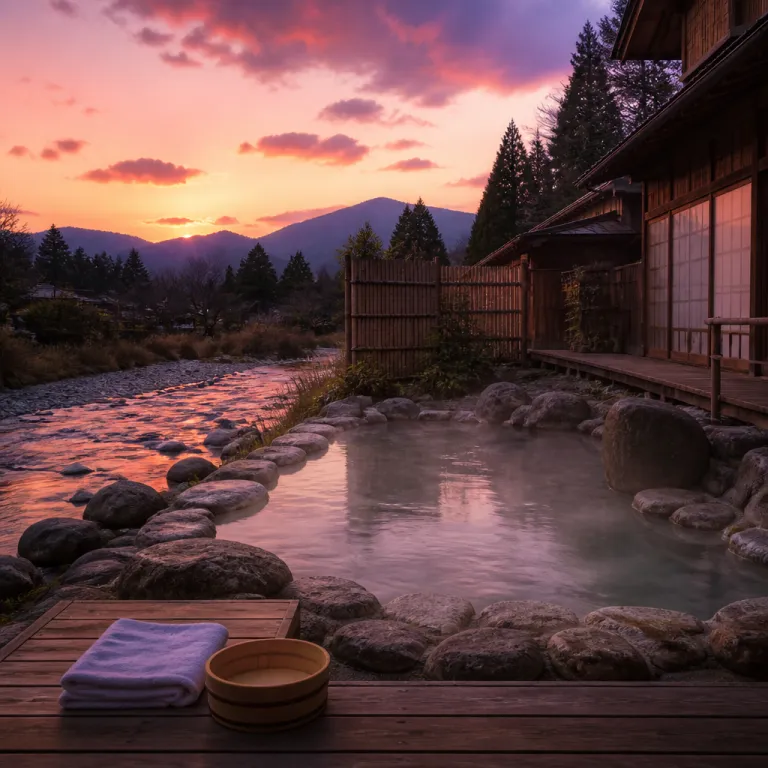
Some facilities go further and design semi open air baths that blur the line between indoors and outdoors, using high walls and careful landscaping to protect privacy while still letting mountain air drift across the surface of the hot water. In winter, the contrast between cold air and steaming hot springs can feel almost alpine, especially in regions near Fuji or in the Northern Alps where snow piles on rocks around the pools. This style of open air experience works particularly well for a short onsen day, because you can arrive, soak deeply, then step back into city clothes and catch an evening train without feeling rushed. When you read facility descriptions, phrases such as “rotenburo with garden view” or “semi open air private bath” usually signal this kind of design.
If you are watching your budget, consider the hybrid approach that many Japanese day trippers favor. Instead of booking a full ryokan package, you pay for higaeri onsen access, then eat at a nearby noodle shop or café, which keeps the overall cost of your hot spring outing manageable while still giving you access to high quality spring baths. For more ideas on balancing value and experience, guides that explain how to find a memorable hot spring stay without the luxury price tag can help you compare day use, dinner packages and occasional splurge nights with clear eyes. A practical strategy is to reserve a private bath for one hour, enjoy a simple lunch outside the ryokan and then use a cheaper public bath later in the trip to stretch your budget.
Planning tools, official websites and how to read between the lines
Navigating day use onsen options across Japan becomes far easier once you know what to look for on an official website or regional app. Many prefectural tourism boards and onsen associations now maintain lists of hot springs that accept day trip guests, often with icons indicating whether private baths are available, whether towels are included and how far each property sits from the nearest station. When you scan these listings, pay attention to the typical day use hours, which often run for about ten hours from late morning to evening but can shorten during peak holiday periods; this pattern is reflected in sample timetables published by local tourism offices in areas such as Hakone and Kinosaki. Always treat these operating windows as indicative, then confirm the exact schedule on the facility’s own page just before you travel.
Reservation rules usually differ between communal baths and private onsen rooms. Public hot spring areas almost always accept walk ins, while private bath slots often require advance booking, especially on weekends when local families and couples plan their onsen day around a specific time. As one regional guide puts it succinctly, “Advance booking is recommended for private baths; public baths usually accept walk-ins”, and that simple rule of thumb will save you from unnecessary disappointment when you have built a whole day trip around a particular property. In practice, many facilities open online booking calendars one to three months ahead, and some smaller baths still rely on phone reservations, so checking the contact section of each website is essential.
Digital tools cannot replace on the ground judgment, so combine online research with a realistic reading of your own priorities. If you care most about water quality, look for long established springs rather than the newest design hotel, and if you are sensitive to crowds, favor midweek visits and smaller towns over the busiest corners of Hakone or Tokyo’s commuter belt. With a little preparation, higaeri bathing becomes less of a logistical puzzle and more of a flexible framework that lets you drop restorative hot springs into almost any Japanese itinerary. Many experienced visitors keep a short list of two or three candidate baths near each major station, along with links to their official pages, so they can adjust plans quickly if one facility is unexpectedly closed.
Key figures on day-use onsen and higaeri bathing
- Average day use onsen fees across many regions cluster around ¥1,000 per person, which places higaeri bathing comfortably between a café stop and a casual restaurant meal in terms of trip budget, according to regional tourism data from organizations such as JNTO and prefectural onsen associations; always confirm current prices on each facility’s official page.
- Typical day use operating windows run for about ten hours from morning to evening, giving travelers enough time to combine a hot spring visit with sightseeing or a scenic rail journey on the same day, though individual properties may shorten hours during peak seasons or maintenance periods.
- Kinosaki Onsen, one of Japan’s classic hot spring towns, maintains seven public baths within walking distance of each other, illustrating how dense and walkable some traditional onsen districts remain for day trippers; the town’s official tourism site lists opening times and admission fees for each bath.
- Price bands for luxury ryokan day use access usually range from roughly ¥1,500 to ¥5,000, reflecting the higher maintenance costs of landscaped open air baths, refined changing areas and more generous amenity sets, and these figures should be read as indicative ranges rather than fixed tariffs.
- Many modern facilities have expanded their private baths offerings and extended operating hours in response to growing demand from international visitors, which has increased accessibility to onsen culture without requiring overnight stays, a trend noted in updates from local tourism boards and onsen associations.
FAQ about day-use onsen in Japan
Do I need to book in advance for day-use onsen?
Advance booking is recommended for private baths; public baths usually accept walk-ins. For popular properties near major stations or in regions like Hakone, reserving private onsen rooms several days ahead is wise, especially on weekends. Communal hot spring areas typically operate on a first come, first served basis during posted day use hours, and many facilities open online reservation forms one to two months in advance for private rooms.
Are tattoos allowed in day-use onsen?
Policies on tattoos vary widely between onsen, even within the same town or hot spring valley. Some facilities welcome tattooed guests without restriction, others ask visitors to cover body art with patches, and a few still refuse entry entirely. Checking each property’s official website or contacting the front desk before your day trip avoids awkward conversations at reception. JNTO’s English language guidance on bathing etiquette also recommends confirming tattoo rules in advance, especially in smaller rural baths.
What should I bring to a day-use onsen?
Most day use onsen provide basic toiletries such as shampoo, body wash and sometimes conditioner, along with hairdryers in the changing rooms. Towels may be included in the entry fee at higher end ryokan, but many public baths charge a small rental fee, so bringing a quick drying travel towel can be convenient. Flip flops are rarely needed inside, because you leave shoes in lockers or cubbies near the entrance, and a small waterproof bag for valuables can make moving between lockers and baths easier.
How long should I plan for a higaeri onsen visit?
A focused solo visit to a single hot spring usually takes between one and two hours, including changing, washing and moving between indoor and open air baths. If you plan to add a meal, a short walk or a second property, allow half a day in your itinerary. Remember that many facilities close briefly for cleaning between daytime and evening sessions, so check the schedule before you arrive and avoid cutting it too close to last entry times listed on the official page.
Can I combine a day-use onsen with other sightseeing?
Day use onsen is designed to pair easily with sightseeing, especially in regions like Hakone where stations, ropeways, lake cruises and hot springs sit close together. Many travelers visit a temple or viewpoint in the morning, soak in a hot spring in the early afternoon, then return to Tokyo by evening train. Planning around train times and onsen operating hours ensures you enjoy both the baths and the surrounding landscape without rushing, and checking regional tourism sites for model day-trip itineraries can provide reliable starting points.