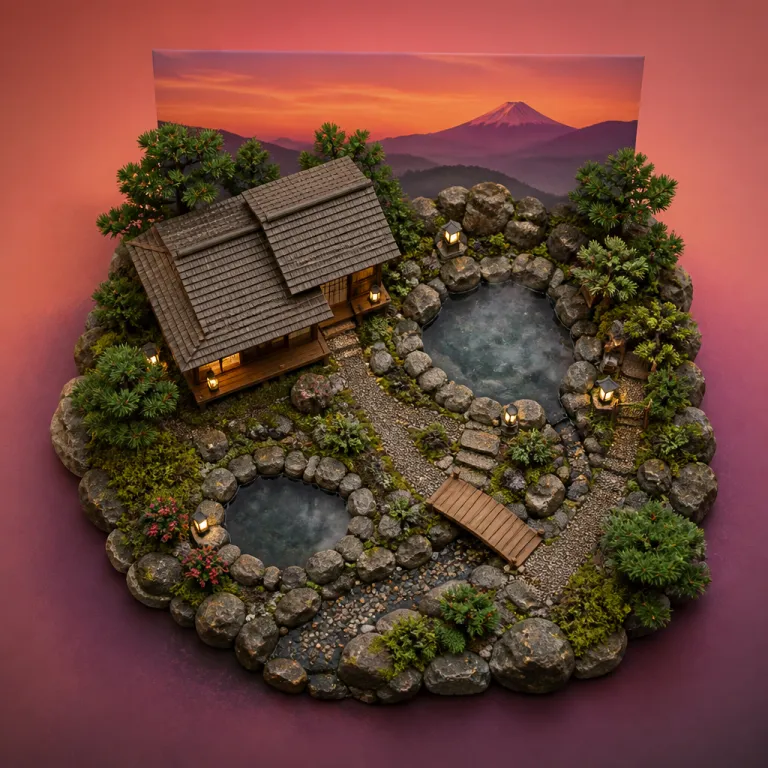
Hakone tattoo friendly onsen escapes for discerning travelers
Hakone has become a rare sanctuary in Japan for travelers seeking a refined, tattoo friendly hot spring retreat that welcomes body art without compromise. In a region famed for onsen culture and traditional ryokan, a small group of properties now offers a genuinely inclusive experience while preserving quiet elegance and deep respect for bathing ritual. For guests planning a luxury day trip or extended stay in Kanagawa Prefecture, these hidden springs combine privacy, polished service, and a relaxed attitude toward tattoos.
In Hakone Yumoto, the gateway to the mountains, you can move from the station to the first hot spring baths in less than fifteen minutes on foot. Here, the sound of flowing spring water from the river blends with the steam rising from open air baths, creating a calm transition from city pace to onsen rhythm. This is where many travelers first encounter a welcoming policy that accepts tattoos in both public baths and private baths without awkward questions, though individual facilities may still post their own house rules at the entrance.
Traditional onsen in Japan often restrict tattoos because of historical associations with organized crime, which can be frustrating for international guests and younger Japanese travelers. Hakone bathhouse operators who embrace a more tattoo friendly approach are reshaping expectations, proving that respect for etiquette and visible body art can coexist in the same bath. One repeat visitor described the experience as “the first time my tattoos felt completely unremarkable in a Japanese hot spring, in the best possible way.” For luxury and premium booking platforms, clearly signaling which hot springs accept tattoos is now as essential as listing room size, meal plans, or whether private onsen are available in guest rooms.
Understanding etiquette at a hakone tattoo friendly onsen
Even in a hakone tattoo friendly onsen, etiquette remains non negotiable and forms part of the refined experience. Before entering any bath, whether a large public bath or a secluded private bath, you must wash thoroughly at the shower stations and rinse away all soap. This ritual cleansing respects the shared spring water and ensures that every guest, tattooed or not, enjoys the same pristine environment.
Most onsen ryokan in Hakone separate men’s and women’s public baths, while couples and families often reserve private onsen suites for more intimate time together. These private baths usually feature open air tubs framed by stone, cedar, and lantern light, allowing you to feel the mountain air while soaking in hot spring water drawn directly from the source. For travelers balancing budget and indulgence, practical guides on how to find a memorable hot spring stay without the luxury price tag can help you choose between lavish onsen ryokan and more modest yet still welcoming options.
Silence is valued in both indoor baths and open air pools, so keep conversations low and phones away from the water. Towels should never be dipped into the bath itself, and hair should be tied up to keep the hot springs clean for everyone. When a property is explicitly tattoo friendly, the unspoken agreement is that guests with tattoos follow etiquette even more carefully, reinforcing trust between staff, local residents, and international visitors.
Tenzan Onsen and the rise of inclusive hot spring culture
Tenzan Onsen in Hakone stands at the forefront of inclusive hot spring culture, especially for guests with tattoos. Nestled in a forested valley near Hakone Yumoto, this traditional bathhouse complex blends wooden architecture, stone pathways, and multiple baths fed by mineral rich spring water. For travelers searching for a hakone tattoo friendly onsen that feels authentically local yet welcoming, Tenzan Onsen is often the first name recommended by experts and repeat visitors.
The facility offers several types of baths, including cascading pools, cave like corners, and expansive open air baths that face the trees and sky. Because the hot spring water flows continuously, each bath maintains a steady temperature, from gently warm pools to intensely hot springs that appeal to seasoned onsen enthusiasts. As the evening air cools, steam rises from every bath and the contrast between cold air and hot water creates a deeply restorative experience.
For travelers comparing wellness destinations, Hakone often delivers stronger cultural immersion at similar or lower nightly rates than many overseas spa towns. Tenzan Onsen’s inclusive policy toward tattoos, confirmed on its official guidance at the time of writing, means that guests can move freely between public baths without covering their tattoo art or booking only private baths. Specific details such as opening hours, entry fees, and tattoo rules can change, so treat any figures as approximate and always confirm the latest information directly with the facility before you visit. This approach has encouraged other Hakone onsen operators to reconsider their rules, gradually expanding the network of tattoo friendly springs across the prefecture.
Design details that elevate private onsen and air baths
Luxury travelers choosing a hakone tattoo friendly onsen often focus on the design of private onsen suites and open air baths. In high end onsen ryokan, private baths may be carved from hinoki cypress, granite, or volcanic stone, each material subtly changing how the hot spring water feels against the skin. Sliding doors open to terraces where an air bath, or partially sheltered tub, lets you soak while listening to wind in the bamboo and the distant river.
Some ryokan in Hakone integrate multiple air baths into a single suite, allowing guests to alternate between hotter and cooler springs during a long evening soak. These private spaces are ideal for travelers with large tattoos who prefer complete privacy while still enjoying authentic spring water piped directly from the mountain source. When booking online, look for detailed room descriptions that specify private onsen access, the size of the private bath, and whether the terrace offers a true open air view or a more enclosed courtyard.
Public baths in luxury properties also receive careful attention, with separate zones for indoor pools, semi open air baths, and fully open air baths that face gardens or forested slopes. Lighting is kept low to highlight steam and stone rather than bright tiles, creating a calm atmosphere that flatters both bare skin and visible tattoos. For many guests, the combination of thoughtful design, fresh mountain air, and mineral rich hot springs turns a simple bath into a multi sensory experience worth planning an entire day trip around.
Planning a refined day trip or overnight stay in Hakone
Travelers short on time can still enjoy a hakone tattoo friendly onsen as a carefully planned day trip from Tokyo. The journey to Hakone Yumoto typically takes around ninety minutes by train on services such as the Odakyu Romancecar or local JR connections, though exact travel times vary by departure station and schedule, after which a short bus or taxi ride brings you to facilities such as Tenzan Onsen or Hakone Yuryo. Both venues offer public baths and private baths, making it easy to tailor your experience to your comfort level with tattoos and crowds.
For a full day, many guests start with a morning soak in an open air bath, followed by a traditional lunch and an afternoon rest in tatami lounges. Because the hot spring water can be quite hot, alternating between baths and cool air baths or rest areas helps prevent fatigue and allows you to appreciate the subtle differences between each pool. Evening visits are especially atmospheric, as lanterns reflect on the water and the surrounding mountains of Kanagawa Prefecture fade into silhouettes.
Those with more time often book an onsen ryokan stay that includes kaiseki dinners, breakfast, and access to both public baths and in room private onsen. When comparing options, consider whether the property clearly states a tattoo friendly policy, offers multiple springs with different temperatures, and provides late checkout for a relaxed final bath. For travelers who fall in love with this style of travel, exploring other refined hot spring stays with onsen elegance near Hiroshima can extend the journey into a broader tour of Japan’s most atmospheric springs.
Hidden gems and traditional tohji culture in Hakone
Beyond the well known complexes, Hakone hides smaller springs and onsen ryokan that quietly welcome tattoos while preserving a strong sense of local culture. Some of these properties draw on the tradition of touji (also written tohji), or extended therapeutic stays, where guests bathe in hot springs over several days for perceived health benefits. In such places, the rhythm of life is set by the times of each bath, the temperature of the spring water, and the cool mountain air between soaks.
Facilities inspired by tenzan touji style bathing often feature multiple air baths and open air baths arranged along a hillside, encouraging slow movement and contemplation. Guests may alternate between hotter hot springs and milder baths, using the contrast to ease muscle tension and calm the nervous system. For travelers with tattoos, these friendly onsen environments offer a rare chance to participate fully in a deeply Japanese ritual without feeling excluded or singled out.
Some hidden ryokan in the prefecture limit capacity each day, ensuring that public baths never feel crowded and that private baths can be reserved for long, unhurried sessions. The combination of quiet architecture, carefully maintained spring water, and a relaxed tattoo friendly policy creates an experience that feels both intimate and culturally grounded. As awareness grows, these hakone tattoo friendly onsen retreats are becoming essential stops for travelers who value authenticity, privacy, and a respectful welcome for their tattoo art.
Key figures and practical data for hakone tattoo friendly onsen stays
- Tenzan Onsen operates year round with daily opening hours typically from around 9:00 to 22:00, though exact times can vary by season and may change over time, so checking the latest schedule before visiting is strongly recommended.
- The standard entry fee at Tenzan Onsen is commonly reported at about 1,300 JPY per adult, which positions it as a mid range option compared with higher priced luxury onsen ryokan that bundle baths with meals and accommodation; treat this figure as indicative only and confirm the current price on site.
- Tenzan Onsen offers multiple distinct baths within its complex, allowing guests to experience different temperatures, layouts, and levels of exposure to open air environments during a single visit.
- Because tattoos are generally permitted throughout the facility at Tenzan Onsen according to recent reports, guests with tattoo art can access many public baths without needing to reserve a private bath solely for privacy reasons; always confirm the current policy on site, as rules may change.
- Hakone’s location in Kanagawa Prefecture, approximately 80 kilometers from central Tokyo, makes it one of the most accessible hot spring regions in Japan for same day travel by train or highway bus, though actual journey times depend on route and traffic.
FAQ about hakone tattoo friendly onsen
Are tattoos allowed in all areas of Tenzan Onsen ?
Are tattoos allowed in all areas of Tenzan Onsen? Yes, tattoos are widely reported to be permitted throughout the facility according to current on site information. This means guests with tattoo art can use every bath, including open air pools and indoor springs, without needing to cover their skin, though it is wise to reconfirm at reception on the day of your visit in case policies have changed.
Do I need to make a reservation for Tenzan Onsen ?
Do I need to make a reservation? No, reservations are not required for entry for standard day use. However, arriving earlier in the day can help you avoid peak crowds and enjoy a quieter experience in both public baths and rest areas, and some private rooms or massage services may require advance booking.
Is there a mixed gender bathing area in Hakone hot springs ?
Is there a mixed-gender bathing area? No, bathing areas are separated by gender. In Hakone, couples or families who wish to bathe together usually book private onsen suites or reserve private baths within larger facilities.
What should I bring to a hakone tattoo friendly onsen day trip ?
Most facilities recommend that you bring your own towel, though many also rent or sell towels on site. It is wise to carry a small hand towel for use at the baths, basic toiletries, and a change of clothes for the return journey, along with cash for entry fees and any snacks or drinks.
How can I respect local etiquette when I have visible tattoos ?
Guests with tattoos should follow standard onsen etiquette carefully, including washing thoroughly before entering any bath and keeping voices low in shared spaces. By doing so, you reinforce the trust that allows hakone tattoo friendly onsen venues to maintain inclusive policies while preserving a calm, respectful atmosphere for all visitors.