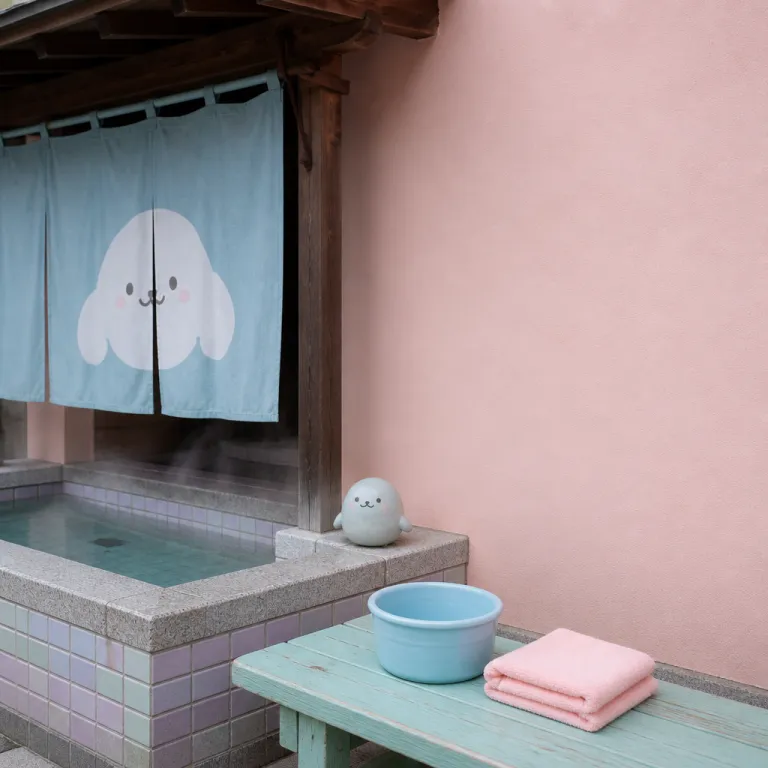
Japan onsen culture tourism kawaii project unesco goes nationwide
Japan’s emerging onsen kawaii tourism project is moving from policy paper to steam-filled reality in hot spring towns across the country. In March 2023, the Cultural Affairs Agency announced support for Asobi JTB, a joint venture between JTB and Asobi System, to fuse traditional Japanese bathing rituals with kawaii nightlife programming and to position onsen culture for UNESCO Intangible Cultural Heritage nomination by the end of the 2020s, according to agency briefing materials and Asobi JTB press releases issued in April and June 2023. Agency official Hiroshi Tanaka, who oversees cultural promotion programs, has described the initiative as a way to “connect younger visitors with the etiquette and history of the bath” while keeping long-standing customs visible. For luxury travelers choosing a Japanese inn, this means that a quiet hot spring stay now often comes with curated night markets, design-forward lighting and carefully staged onsen photo opportunities that still sit alongside classic kaiseki dinners and early morning baths.
The flagship initiative, branded as the ONSEN KAWAII MARKET, targets the long-standing nighttime gap that has kept many hot spring destinations from converting day trippers into overnight guests. After the last train leaves the local station and the public baths close, many smaller city and rural onsen streets fall silent, which has historically limited the time tourists spend and the revenue they generate. By programming art installations, kawaii-themed food stalls and nostalgic game corners around the natural hot baths, the project aims to keep visitors out in the streets, extend the experience beyond the bath and give international guests more reasons to stay two nights instead of one. In pilot events in Hiroshima Prefecture’s Yuki Onsen and Shimane’s Tamatsukuri Onsen, organizers reported roughly 3,500 to 4,000 evening visitors over a single weekend in each town, with local shopkeepers noting sales increases of 15–20 percent and longer dwell times than on regular nights.
The phased rollout starts in the Chugoku and Shikoku regions, with Hiroshima and nearby hot spring towns positioned as early testing grounds before the concept reaches Kyushu, Okinawa, Hokuriku, Tokai, Kansai, Hokkaido, Tohoku and finally the Kanto region around Tokyo. For travelers planning places to visit by train, this means that a single rail itinerary can now link several hidden gems of Japanese culture, from a quiet mountain onsen in Shikoku’s Dogo Onsen area to a coastal hot spring resort near Hiroshima such as Yunotsu, each layering kawaii aesthetics over deep local history. The onsen kawaii tourism initiative is designed as a nationwide network, so a guide to Japan that once focused on cherry blossoms and temples will increasingly highlight evening markets, character-themed yukata and curated routes between Japanese inns that share this new playful language.
Inside the onsen kawaii market: nightlife, photos and luxury ryokan choices
At street level, the ONSEN KAWAII MARKET feels less like a festival and more like a carefully edited open-air lounge wrapped around the hot springs district. Lantern-lit alleys frame small stages, projection-mapped artworks reference Japanese history, and food stalls reinterpret local dishes into kawaii shapes that still respect traditional recipes and seasonal produce. In Tamatsukuri Onsen, for example, local wagashi makers have created pastel-colored sweets shaped like bath buckets and carp, while Hiroshima-style okonomiyaki appears as bite-sized, character-themed portions. For guests staying in premium Japanese inns, the walk from the rotenburo to the market becomes part of the experience, with staff often suggesting the best time to stroll for a memorable onsen photo without heavy crowds.
“What is kawaii culture?” and “How can I participate in these events?” are the two most common questions fielded by planners, and the official answer is clear: kawaii culture is Japanese pop culture emphasizing cuteness, and participation simply means visiting participating onsen towns during event periods. In practice, that means checking event schedules in advance, using Google Maps to navigate from the train station to the hot spring quarter, and timing your arrival so you can soak in the natural hot baths before the market lights up. For solo travelers used to the quiet of traditional Japanese ryokan corridors, the contrast between the meditative indoor baths and the softly buzzing streets outside can feel like two complementary sides of Japanese culture rather than a clash, especially when organizers deliberately keep amplified music low and encourage guests to return to the baths for a final, quiet soak.
The kawaii overlay also intersects with other shifts in onsen hospitality, from more flexible tattoo policies to new summer programming that keeps resorts busy beyond the ski season, trends explored in depth in this analysis of how hot spring towns are learning to thrive beyond snow season at the summer reinvention of hot spring towns. For travelers comparing the current onsen kawaii tourism push with earlier anime tourism or sake tourism campaigns, the difference lies in how directly it reshapes the nightly rhythm of the city around the baths. A day that once ended after dinner in your room now stretches into a curated promenade, where you can photograph cherry blossoms reflected in steaming canals, sample regional food at pop-up counters and still return to your Japanese inn for a final, quiet soak before sleep.
UNESCO ambitions, cultural risks and what this means for global hot spring fans
Behind the pastel lighting and character mascots, the onsen kawaii tourism project is ultimately a heritage play, designed to secure UNESCO Intangible Cultural Heritage status for onsen culture and reposition hot springs as a core pillar of Japanese history in the eyes of global travelers. Recognition would place the practice of communal bathing, careful water management and etiquette-rich rituals alongside other protected traditions, giving Japanese bathing customs a new level of international visibility. A Cultural Affairs Agency official involved in the initiative has described the goal as “protecting the spirit of the bath while updating the way people encounter it,” and internal timelines cited in 2023 briefings point to a formal nomination process being prepared before the decade closes. For guests choosing between a Japanese inn in Tokyo’s outskirts, a rural retreat near Hiroshima or a coastal city resort, that label would signal that every hot spring visit is not just wellness but participation in a living cultural asset.
Critics worry that layering kawaii branding over centuries-old bathing customs could trivialize the depth of Japanese culture, especially when tourist demand for Instagram-ready onsen photos risks overshadowing the quiet, reflective side of the bath. Supporters counter that demographic decline and shifting travel patterns leave many local hot spring towns with little choice but to innovate, and that carefully curated kawaii markets can act as gateways that lead younger visitors toward more traditional experiences over time. A ryokan owner in Yuki Onsen notes that “many guests come for the characters and lights, but they leave talking about the morning bath and the way the water feels,” suggesting that the spectacle can still point back to the core ritual. Comparative perspectives from other bathing cultures, such as the way Korean jjimjilbang balance social energy with ritual, are already informing debates, as explored in this look at what Korea’s jjimjilbang gets right at what Korea’s jjimjilbang gets right.
For luxury travelers, the practical question is how to navigate this evolving onsen kawaii landscape when planning real itineraries that move by train between multiple hot springs. One strategy is to pair a quieter, heritage-focused stay in a traditional Japanese inn with a second night in a more experimental city onsen district, using a detailed guide to Japan and tools like Google Maps to identify hidden gems where natural hot water, strong local food culture and thoughtful design still lead. As more than 3,000 onsen facilities across Japan engage with kawaii programming in different ways, the most rewarding places to visit will be those where the steam, the view from the bath and the unbroken etiquette of the wash stool remain central, even as the streets outside glow in pastel tones and the path from station to spring becomes a carefully staged experience.