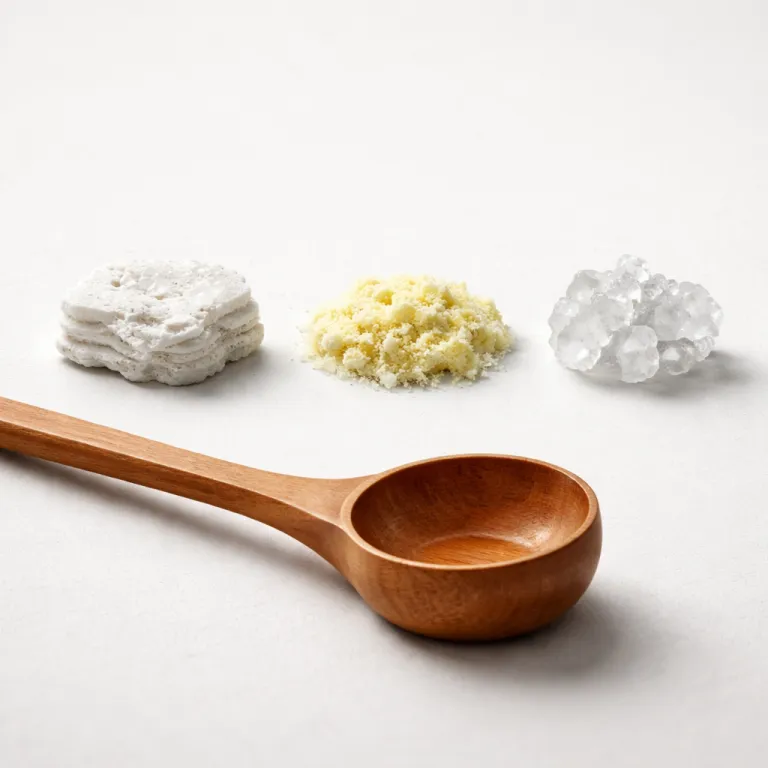
Why hot spring water types and minerals matter for families
Choosing a Japanese onsen for your family is ultimately about choosing the right water. Different hot spring water types and dissolved minerals change how the pools feel, how your skin responds, and how your body unwinds after a long travel day. When you understand the main spring water categories in Japan, you can match each stay to your family’s needs rather than relying only on spa marketing language or vague wellness claims.
Japan’s Ministry of the Environment and related health regulations classify hot springs into several categories based on dissolved mineral content, temperature at the source, and geothermal origin. These include simple thermal springs with relatively low mineral levels, sulfur springs, chloride hot springs, bicarbonate springs, and other types that vary in temperature ranges and mineral intensity. Each category reflects how geothermal waters rise from the earth, what rocks they pass through, and which spring sources feed the baths at your chosen ryokan, following criteria set out in official onsen legislation and environmental guidelines.
For families, the most practical distinction is between gentle waters and more stimulating waters. Simple hot springs and mildly alkaline spring waters tend to be kinder to children’s skin and to guests with high blood pressure or sensitive circulation. Strong sulfur or acidic spring waters can be transformative for some skin conditions, but they may feel too intense for younger bathers or anyone unused to very hot water and powerful minerals, especially during a first onsen visit.
The main Japanese hot spring classifications, explained simply
On a typical onsen analysis board, you will see the hot spring type listed first, followed by temperature, pH, and key minerals. Simple thermal springs, often labelled as “simple hot spring” or “simple spring water”, contain relatively low total mineral content but still carry geothermal heat from deep within the earth. These waters feel soft, clear, and easy on the skin, making them ideal for long soaks with children who are new to Japanese hot springs and may tire quickly in heavier waters.
Sodium bicarbonate springs, sometimes called “beauty waters”, give a silky sensation as the water rising hot from underground gently dissolves old keratin from the skin’s surface. Families often appreciate these pools because the mineral composition supports smooth skin without the strong smell associated with sulfur springs. When planning an itinerary, pairing one night at a bicarbonate onsen with another at a simple thermal springs inn offers variety without overwhelming younger bathers or guests with sensitive skin.
Chloride hot springs, rich in sodium and calcium chloride, hold heat well and are prized in colder regions of Japan for keeping the body warm long after leaving the pools. These mineral-rich waters can feel slightly heavy on the skin, wrapping you in a lingering sense of warmth that supports deep sleep. For value-focused planning, you can compare different chloride hot spring inns using curated guides to affordable hot spring stays that balance value and comfort, then filter by water type rather than only by room category or meal plan.
From sulfur to silica: how different minerals feel on the skin
Families often hear about sulfur springs like Kusatsu Onsen in Gunma Prefecture and wonder whether the strong smell is worth the benefits. Kusatsu is frequently cited in Japanese tourism and health literature as an example of a high-temperature, strongly acidic sulfur spring, and its waters have been studied for potential effects on chronic skin conditions and microbial activity. Sulfur-rich hot waters can support certain chronic skin conditions, but the combination of high-temperature pools and acidic mineral content can be challenging for children or first-time bathers. In practice, these springs feel sharp, invigorating, and intensely geothermal, with steam rising thickly as the springs flow through outdoor baths and traditional wooden channels.
Silica-rich waters, by contrast, tend to feel velvety and can appear slightly opalescent, a quality that famously defines the milky blue geothermal pools of the Blue Lagoon in Iceland, which has been the subject of dermatology research on psoriasis and barrier function. While that spa is far from Japan, the same geothermal principles apply when silica-bearing waters emerge in Japanese onsen towns such as those in Hokkaido and Tohoku. The mineral structure creates a fine film on the skin, leaving the body feeling smooth without the pungent aroma of sulfur or the dense warmth of chloride hot springs.
Some Japanese inns also feature iron-rich or carbon dioxide-rich baths, where tiny gas bubbles cling to the skin and may gently stimulate circulation and blood pressure regulation. These experiences echo classic European balneotherapy traditions and even certain facilities in Glenwood Springs, a historic geothermal town in the United States. When comparing properties, look for detailed descriptions of mineral content rather than generic spa language, and consider pairing a stimulating bath type with a more neutral simple spring water pool for children or anyone who prefers milder sensations.
Reading an onsen water analysis card like an insider
Every serious hot spring inn in Japan posts an onsen bunsekisho, the official water analysis card, usually near the entrance to the bathing area. This document lists the spring sources, the temperature at emergence, the mineral breakdown, and whether the water is used directly or adjusted before entering the pools. For families, this card is your best tool for understanding how the geothermal springs beneath your feet shape the experience above ground and how to choose the right baths for each person.
Start with the temperature line, which shows how hot the water is when it leaves the earth and how it is managed before reaching the baths. A very high emergence temperature reading often means the inn must cool the water, either by mixing with cooler spring waters or by allowing the springs to flow through cooling channels. Reference works such as Encyclopaedia Britannica note that many natural hot springs emerge around 50 °C, which explains why inns must adjust temperatures to create safe pools. If you are travelling with children, look for facilities that clearly state separate pools with lower-temperature water, often around the mid 30s Celsius, alongside hotter pools for adults who enjoy more intense heat.
Next, scan the mineral section for key words such as sulfur, sodium chloride, bicarbonate, iron, and metasilicic acid. The total dissolved solids figure indicates how mineral-rich the spring water is, which influences both buoyancy and how your skin feels after bathing. As one expert summary notes, “Common minerals include sulfur, silica, calcium, magnesium, and sodium,” a list echoed by reference sites such as Hot Springs Locator and by Japanese onsen classification tables. A typical bunsekisho might list, for example, “simple hot spring (low mineral content), sodium-bicarbonate-chloride spring, 48.2 °C at source, pH 8.1,” giving you a concise snapshot of the water’s character.
Wellness claims, real science, and what families should expect
Traditional Japanese onsen culture links specific hot spring water types and minerals to a long list of health benefits. You will see claims about easing joint pain, improving skin conditions, supporting blood pressure balance, and even extending life through regular bathing. Modern balneotherapy research, including randomized controlled trials and systematic reviews published in journals such as Rheumatology International and International Journal of Biometeorology, does support some of these ideas, especially around chronic pain relief and certain dermatological conditions, but the evidence varies by water type, bathing duration, and individual health profile.
For families, the most reliable benefits of hot springs are relaxation, warmth, and shared time away from daily routines. Geothermal heat relaxes muscles, while immersion in mineral-rich waters can support gentle exfoliation and improved skin hydration. However, anyone with high blood pressure, cardiovascular concerns, or pregnancy should speak with a medical professional before using very hot water or intense thermal springs, and children should always be monitored closely in any spa environment, with shorter sessions and plenty of drinking water.
Environmental context also matters, especially in regions where national park regulations and park service guidelines govern how springs are tapped and how pools are maintained. A thoughtful luxury inn will balance guest comfort with careful management of spring flow, ensuring that the water rising hot from underground is not over-extracted. For a deeper look at how hot springs tourism intersects with conservation and long-term water life, read this analysis of whether hot spring tourism can grow without draining its geothermal source before finalizing your booking.
Choosing the right hot spring inn in Japan for a premium family stay
When you browse a luxury or premium booking website for Japanese hot spring inns, focus first on the water before the room photos. Check whether the property draws from its own on-site spring sources or pipes in spring waters from elsewhere in the valley. Inns with direct geothermal spring access often highlight this proudly, along with details about mineral content, temperature, and how many pools they operate, sometimes including private family baths and open-air rotenburo.
Next, consider layout and setting, especially if you are travelling with children who will move between indoor and outdoor baths. Properties near a national park or forested area often integrate the surrounding landscape into their rotenburo, creating a sense of immersion in nature as the springs flow quietly around rock-lined pools. In winter, the contrast between cold air and thermal heat from the hot spring can be magical, but you will want clear pathways, non-slip surfaces, and family-friendly changing areas with space for strollers and extra towels.
Finally, look at how the inn positions its wellness offering relative to the wider hot springs world. Some Japanese properties now reference international geothermal destinations, from Glenwood Springs in Colorado to classic European spa towns, to signal their understanding of global standards. If your travels extend beyond Japan, you might even compare your onsen stay with an elegant hot springs convention center hotel in Arkansas, noting how each property treats the same fundamental elements of earth, water, heat, and mineral in its own cultural style.
Global context: how Japanese onsen compare with other geothermal springs
Japanese onsen culture sits within a wider global network of geothermal springs, each shaped by local geology and hospitality traditions. In the United States, for example, destinations like Glenwood Springs and several national-park-adjacent spa towns use geothermal heat in ways that echo Japanese practice but with different design priorities. Pools may be larger, more communal, and sometimes more focused on recreation than on quiet contemplation of the surrounding earth and sky.
What unites these places is the same basic natural phenomenon, where groundwater is heated by geothermal activity, dissolves minerals from surrounding rocks, and emerges as mineral-rich hot water at the surface. Whether you are soaking in a cedar-lined onsen in Japan or a stone-rimmed pool in a Rocky Mountain park, the springs flow from similar hydrothermal circulation systems. The differences lie in mineral balance, temperature ranges, and how each culture interprets the relationship between body, water, and landscape through architecture, etiquette, and bathing rituals.
For premium family travellers, this global perspective can sharpen your choices when booking. If your children love playful pools and varied water temperatures, a resort-style spa near a national park in the United States might complement a quieter, more ritual-focused stay at a Japanese hot spring inn. By paying attention to hot spring water types and minerals wherever you go, you build a personal map of waters that suit your skin, your circulation, and your family’s rhythm of life across different continents.
Key figures about hot springs, minerals, and wellness travel
- Average natural hot spring temperatures cluster around 50 °C according to reference data from Encyclopaedia Britannica and similar geothermal surveys, which means many inns must cool the water before bathing to create safe pools for families and older guests.
- Common minerals identified in geothermal waters include at least five major types — sulfur, silica, calcium, magnesium, and sodium — as summarized by Hot Springs Locator and echoed in Japanese onsen classification charts, and these elements underpin most Japanese onsen classifications and guest experiences.
- Geothermal activity that feeds hot springs operates continuously over geological time, with seasonal variations in flow, so responsible park service management and careful inn extraction are essential to maintain long-term water life and ecosystem health.
- Wellness tourism, including travel focused on spa and hot spring experiences, has grown steadily in recent years, with market reports from organizations such as the Global Wellness Institute documenting expansion in spa-focused travel and encouraging the development of eco-friendly hot spring resorts that balance guest comfort with conservation goals and transparent water management.
FAQ about hot spring water types and minerals
What minerals are most common in Japanese hot springs ?
Across Japan, the most common hot spring minerals are sulfur, silica, calcium, magnesium, and various sodium salts. These elements dissolve into the water as it moves through underground rock layers heated by geothermal activity. The specific balance of these minerals determines whether a spring is classified as sulfur-rich, chloride-rich, bicarbonate-rich, or as a simple thermal spring with lower overall mineral content and a gentler feel on the skin.
Are hot springs safe for children and people with high blood pressure ?
Most managed hot springs are safe for healthy children when used under supervision and with attention to water temperature. People with high blood pressure or cardiovascular conditions should avoid very hot pools and sudden temperature changes, and should consult a doctor before bathing in intense thermal springs. Choosing inns that offer multiple pools at different temperatures allows families to adapt the experience to each person’s comfort level and to limit time in the hottest baths.
Do hot springs really have health benefits, or is it just marketing ?
Balneotherapy research shows measurable benefits for some conditions, especially chronic pain, mild joint issues, and certain skin problems, though results vary by water type and individual health. Many guests also report improved sleep, reduced stress, and a general sense of wellbeing after soaking in mineral-rich waters. However, no hot spring should replace medical treatment, and wellness claims should be read as complementary rather than curative or guaranteed outcomes.
How can I tell which hot spring water type a ryokan uses ?
Look for the onsen bunsekisho, the official water analysis card, usually posted near the baths or on the inn’s website. This document lists the spring sources, emergence temperature, pH, and key minerals, along with the official Japanese classification such as simple thermal spring, sulfur spring, or chloride spring. If the information is not clearly displayed, a serious luxury or premium property should still be able to provide it on request in writing or at check-in.
What should I check before booking a luxury hot spring inn for my family ?
Beyond room style and meals, confirm the water type, pool temperatures, and whether there are family-friendly facilities such as private baths or time slots for mixed gender bathing. Check accessibility, especially if travelling with grandparents or young children, and review any posted health advisories about the springs. Finally, consider the environmental context, choosing properties that respect local regulations and demonstrate thoughtful management of their geothermal resources and surrounding landscape.