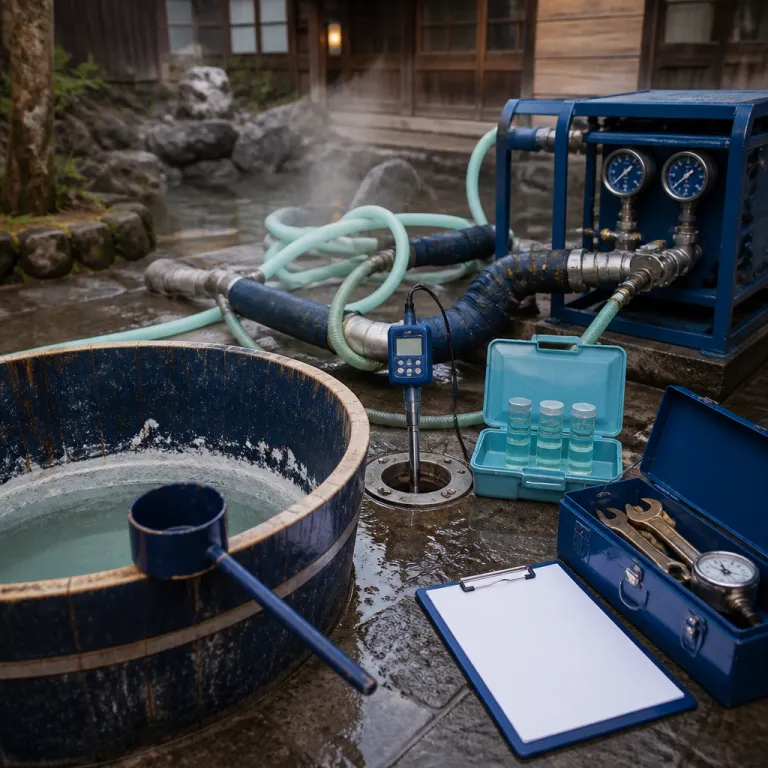
Geothermal power and Japanese onsen: can renewable energy and hot springs truly coexist?
The quiet tension between renewable ambition and onsen reality
Step into a cedar lined rotenburo in Japan and you feel more than hot water on skin. You feel geothermal energy that has travelled for centuries through rock, carrying minerals, heat and the memory of mountains. That same underground heat now sits at the center of a global debate about renewable energy and the long term future of hot spring culture.
Governments frame geothermal power as clean, baseload renewable energy that can stabilize electricity generation while cutting emissions. For business leisure travelers soaking in hot springs after meetings in Tokyo or Osaka, the question is more intimate and immediate. How does large scale energy development affect the geothermal conditions that drew you to this valley, this river bend, this particular onsen town?
Scientists studying groundwater flow and spring resources warn that the physics is unforgiving. When a power plant pumps hot water from depth for energy production and then reinjects cooler water, it can alter temperature, flow rate and pressure in connected hot springs. A 2016 study in Nature Communications (doi:10.1038/ncomms13710, Scott et al.) documented cases in New Zealand where deep geothermal extraction reduced hot spring temperatures by up to 4 °C and cut discharge rates by more than 20% in some monitored springs over several decades, while CU Boulder research led by hydrologist Shemin Ge has underlined that “whether larger scale geothermal development will lead to cooling of recreational thermal springs or reduction in flow rate” remains scientifically unanswered.
For travelers, that uncertainty translates into very practical stakes. A geothermal power project that slightly lowers spring water temperature might turn a once steaming rotenburo into a merely warm bath on a snowy night. A shift in groundwater flow could leave outdoor pools periodically dry, forcing operators to truck in water resources or close baths during peak seasons.
Japan illustrates the tension with unusual clarity. The country holds an estimated 23.47 gigawatts of geothermal potential, yet only around 0.55 gigawatts of geothermal power capacity operate, according to figures cited by Japan’s Ministry of Economy, Trade and Industry and the International Renewable Energy Agency. Onsen operators fear the impact that aggressive hot water extraction could have on their springs, so development has lagged. The national objective is to expand renewable energy while preserving onsen culture, but the long term influence of geothermal power on hot spring systems is not a theoretical policy line; it is a question of whether your chosen ryokan will still have the same spring water character in ten or twenty years.
How heat, flow and geology shape the bath you book
Every hot spring you visit is the visible tip of a complex geothermal system. Rain and snow seep into the ground as cold groundwater, sink along fractures, warm as they approach geothermal heat at depth, then rise again where faults or permeable layers allow spring water to reach the surface. The balance between recharge, heat, pressure and rock permeability determines whether a valley hosts one modest hot spring or an entire town of steaming baths.
When geothermal power plants enter this system, they tap the same natural resources that feed your onsen. Wells drilled for energy development intercept hot water and steam at depth, routing them through turbines to generate electricity before reinjecting cooled water back underground. If reinjection is poorly sited or if extraction exceeds the system’s natural recharge, the flow to connected hot springs can decline, altering both flow rate and temperature.
Hydrologists use detailed model based studies to map groundwater flow paths between production wells, reinjection wells and surface springs. In some cases, they find that geothermal energy extraction barely touches recreational hot springs because the systems are hydraulically separate. In others, they see clear links where pressure drops at depth translate into reduced spring resources at the surface, leaving once abundant springs seasonally dry or cooler than before.
For the traveler choosing between different hot springs in Japan, this science matters more than marketing language. A ryokan that sits directly above a production well for a nearby power plant may face more volatility in temperature and flow than one fed by an independent aquifer. When you read about “stable spring water supply” or “protected water resources” on a property page, you are really reading about how carefully that destination has managed the interaction between geothermal power use and its hot spring sources over time.
Colorado’s hot springs offer a cautionary parallel for Japanese onsen regions. As interest in geothermal power grows in the United States, long established resorts along river valleys now commission their own hydrogeological study work to understand how new wells might alter their springs. The lesson for high end travelers is simple yet often overlooked: the luxury of a perfectly heated outdoor pool at midnight depends on invisible groundwater decisions made far from the guestroom.
Okuhida, Beppu and the fragile coexistence model
Japan’s most instructive experiments in coexistence sit in mountain valleys where steam, snow and steel quietly share the same slopes. Okuhida Onsengo, in the Northern Alps, has become a reference point for how small scale geothermal power can operate alongside more than two hundred hot springs without obvious degradation. Here, geothermal energy developers have worked with onsen operators to design projects that respect existing spring resources and groundwater flow patterns.
Binary cycle generators from companies such as ElectraTherm and Climeon use relatively low temperature geothermal heat that would otherwise dissipate, turning it into modest electricity generation for local use. Because these systems rely on lower temperature fluids and reinject water carefully, they aim to minimize disruption to nearby baths. The Nakao geothermal power plant in Okuhida, for example, began operating in 2016 with a capacity of roughly 400 kilowatts and is co located with onsen facilities, designed so that energy production and bathing can share the same resources without either running dry.
Beppu, on the island of Kyushu, offers a different but equally revealing case. This dense hot spring city sits above one of Japan’s richest geothermal fields, where plumes of steam rise from alleys and hotel courtyards while geothermal power projects operate in the background. Visitors can tour both traditional hot springs and small power plants, seeing how wells tap heat beneath Beppu Bay and how operators monitor temperature and flow to avoid undermining the very hot springs that sustain tourism.
Yet even in Beppu, the balance is delicate. If future energy development were to chase more aggressive geothermal power output, the cumulative effect of additional wells could alter groundwater flow feeding iconic baths. A shift in flow rate or a subtle cooling of spring water might not register in a single season, but over the long term it could erode the sensory identity that makes Beppu’s hot springs feel distinct from any generic heated pool.
Onsen operators here voice a pragmatic view that resonates with travelers who care about both climate and culture. As one industry summary puts it without embellishment, “Can geothermal power coexist with onsen culture? Yes, with careful planning and community involvement.” The unspoken second line is equally important: without that planning, the influence of power plants on hot spring systems can turn from quiet ally into slow moving threat.
When the baths close and the bookings follow
The stakes become painfully clear when springs falter and baths shut their doors. During a recent Golden Week holiday period, several facilities in Gunma Prefecture were forced to close outdoor baths and add closure days because water levels dropped, leaving once reliable pools intermittently dry. While not all of these issues were directly tied to geothermal power plants, they illustrated how sensitive hot spring operations are to any disturbance in water resources and groundwater flow.
For a business traveler who has extended a Tokyo trip specifically to soak in a famous rotenburo, arriving to find the outdoor baths closed is more than an inconvenience. It undermines trust in the destination and in the booking platforms that promised a particular hot spring experience, especially at the luxury price points common in Japan’s most storied ryokan. Repeated closures or reduced temperatures can quickly shift demand to other regions, reshaping the map of high end hot springs in Japan.
This is where thoughtful curation becomes a form of advocacy. Guides such as analyses of whether hot spring tourism can grow without draining the source help travelers understand which destinations are taking the long term health of their geothermal reservoirs seriously. Properties that publish transparent data about their spring water sources, temperature ranges and long term protection plans send a clear signal that they view geothermal heat as a shared natural resource, not an infinite commodity.
Beppu again offers a nuanced picture. Some inns rely on direct artesian flow from deep springs, where pressure naturally brings hot water to the surface, while others pump from shallower wells that are more vulnerable to regional changes in groundwater flow. For the guest, both may feel equally hot on a single evening, but only one may remain stable if nearby energy development accelerates.
When you evaluate options in Beppu or other Japanese hot spring towns, look beyond room photos and kaiseki menus. Ask whether the property controls its own well, whether it shares spring resources with neighboring inns, and whether any geothermal power plants operate within the same hydrogeological system. The answers will tell you more about the long term reliability of that open air bath than any marketing line about “eternal springs.”
The global calculus: power plants, regulation and where to book next
Japan is not alone in wrestling with the trade offs between geothermal power and hot spring tourism. Iceland and New Zealand, two other nations rich in geothermal resources and hot springs, have already seen cases where aggressive geothermal power development cooled or reduced flow in nearby recreational springs. In each country, regulators now face the same uncomfortable question: how much electricity generation justifies even a modest loss in iconic bathing experiences that anchor tourism.
In Iceland, deep wells drilled for high capacity power plants have in some instances altered the temperature and flow of nearby springs, prompting debates about compensation and stricter environmental baselines. New Zealand’s Rotorua region, long famous for its hot springs, has imposed controls on private wells and geothermal heat extraction to protect public bathing areas and cultural sites. These examples matter for travelers to Japan because they show how quickly natural resources can shift once industrial scale energy production enters the picture.
Regulation in Japan remains cautious but uneven. Environmental assessments for new geothermal power plants increasingly require model based evaluation of groundwater flow, spring water chemistry and potential impacts on existing hot springs, yet enforcement and long term monitoring vary by region. Some valleys, such as Okuhida, have embraced community driven frameworks where onsen operators sit at the same table as geothermal energy developers, while others still treat energy development and tourism as separate conversations.
For high expectation travelers, this regulatory landscape should inform where you choose to spend both money and time. Destinations that publish clear rules about maximum extraction volumes, reinjection temperatures and protection zones around key springs are more likely to maintain stable flow rate and temperature profiles over decades. Those that chase short term geothermal power revenue without transparent safeguards risk leaving future guests with lukewarm pools and apologetic closure notices.
Thoughtful booking platforms can help by foregrounding sustainability criteria rather than burying them in fine print. When a listing explains how a ryokan’s private onsen in Tokyo sources its spring water and how local rules protect it from overuse, as in a curated guide to refined urban ryokan with private baths, it turns abstract geothermal energy debates into concrete booking intelligence. As a traveler, you are not choosing between climate responsibility and a perfect bath; you are choosing properties and regions that treat geothermal heat as a shared asset to be stewarded, not a vein to be mined.
Practical questions to ask before you book
Turning this complex science into simple booking decisions requires a short, pointed checklist. When evaluating a luxury hot spring stay in Japan, ask whether the property uses direct natural flow from a geothermal spring or relies on pumped groundwater that may be more vulnerable to regional changes. Clarify whether any geothermal power plants operate in the same basin and whether local authorities have published long term protection plans for water resources.
Next, look for evidence of monitoring and transparency. Properties that share seasonal temperature ranges, flow rate data or details about their wells and reinjection practices signal that they understand how energy development can affect their springs and are managing that risk actively. Silence on these points, especially in regions with known energy development, should prompt further questions before you commit to a high value stay.
- Does the inn control its own source, or share a communal spring line?
- Are there published limits on geothermal extraction in the valley?
- Has the property documented any long term changes in water temperature or volume?
- Is there a local forum where onsen operators and power developers coordinate?
Finally, consider the broader destination strategy. Regions that engage openly with the question of whether hot spring destinations can scale without destroying what makes them worth visiting, as explored in an in depth look at scaling hot spring destinations, are more likely to balance geothermal power ambitions with cultural preservation. By aligning your bookings with such places, you help tilt the economic calculus toward models where renewable energy and onsen culture reinforce rather than erode each other.
For executives on bleisure trips: how to read the steam
Executives extending business trips into leisure often approach hot spring stays with the same analytical mindset they bring to boardrooms. The relationship between geothermal power and hot spring health is, in many ways, a portfolio risk question: how do you allocate scarce natural resources between electricity generation and high value tourism without degrading either asset? Understanding that trade off allows you to choose stays that align with both environmental values and experiential standards.
Start by mapping your itinerary against Japan’s geothermal hotspots. Regions such as Beppu, Hakone, Kusatsu and the Northern Alps each sit atop distinct geothermal systems with different histories of energy development, regulation and onsen culture. In Beppu, where geothermal power and hot springs already coexist, you might prioritize inns that participate in local monitoring initiatives and that can explain how their wells relate to broader groundwater flow patterns feeding Beppu Bay and surrounding valleys.
In Okuhida, where small scale binary plants share resources with traditional ryokan, you can treat your stay almost as a case study in coexistence. Ask staff how the nearby power plant manages reinjection, whether any changes in spring water temperature have been observed and how the community plans to safeguard springs over the long term. These conversations not only enrich your understanding of geothermal energy but also signal to operators that guests value transparent stewardship as much as impeccable service.
Tokyo based travelers considering a quick onsen escape should pay attention to how urban or peri urban properties source their heat. Some rely on deep wells tapping geothermal heat beneath the metropolitan area, while others pipe in hot water from more distant springs or use a mix of natural and auxiliary heating. A carefully curated listing that explains these distinctions, such as the refined urban ryokan highlighted earlier, turns what could be a generic hot bath into a conscious engagement with the city’s hidden geology.
Ultimately, reading the steam means recognizing that every perfectly heated pool reflects a chain of decisions about wells, power plants, regulation and community priorities. As a business leisure traveler, your booking choices send clear market signals about which models of geothermal energy development deserve to scale. Choose the inns and regions that treat hot springs as living, finite systems rather than endlessly exploitable resources, and the baths you love today stand a better chance of still steaming when you return years from now.
How premium booking platforms can raise the bar
Luxury and premium booking sites focused on Japanese hot spring inns now sit at a pivotal junction between guests, onsen operators and geothermal energy developers. By integrating clear sustainability indicators into search filters and property profiles, they can make the consequences of geothermal power use legible to time pressed executives who might otherwise overlook it. This is not about adding another green badge; it is about translating complex hydrogeology into simple, comparable signals.
Platforms can, for example, tag properties that rely on direct natural flow from protected springs, that participate in regional monitoring of groundwater flow or that operate in basins where strict caps on geothermal power extraction protect long term water resources. They can highlight whether a destination has formal agreements between power plants and onsen operators, as seen in parts of Okuhida, or whether such frameworks remain aspirational.
Curated editorial content then becomes the bridge between data and desire. In depth pieces on the trade offs facing Beppu, case studies of small scale power plants that share heat with neighboring ryokan and interviews with regulators in Japan, Iceland and New Zealand can all help travelers understand why some hot springs feel more secure than others. When a booking platform treats geothermal heat as a central narrative thread rather than a technical footnote, it respects both the intelligence of its audience and the fragility of the springs they seek.
Key figures behind the geothermal–onsen trade off
- The global thermal springs industry generates approximately 63 billion dollars in annual revenues, according to the Global Wellness Institute, underscoring the economic weight of hot springs tourism compared with many individual geothermal power projects.
- Japan’s estimated geothermal potential is around 23.47 gigawatts, while only about 0.55 gigawatts of geothermal power capacity are currently operational, reflecting how concerns about onsen impacts have constrained development.
- In regions such as Gunma, temporary closures of outdoor baths during peak holiday periods due to low water levels have highlighted how sensitive hot spring operations are to changes in groundwater flow and water resources.
- Research published in Nature Communications (2016, doi:10.1038/ncomms13710) has documented cases where deep geothermal extraction reduced hot spring temperatures by several degrees Celsius and lowered discharge rates by more than one fifth, confirming that poorly managed power plants can directly affect recreational springs.
- CU Boulder’s analysis, led by Professor Shemin Ge, has emphasized that “whether larger scale geothermal development will lead to cooling of recreational thermal springs or reduction in flow rate” remains scientifically unresolved, reinforcing the need for precaution in major onsen regions.