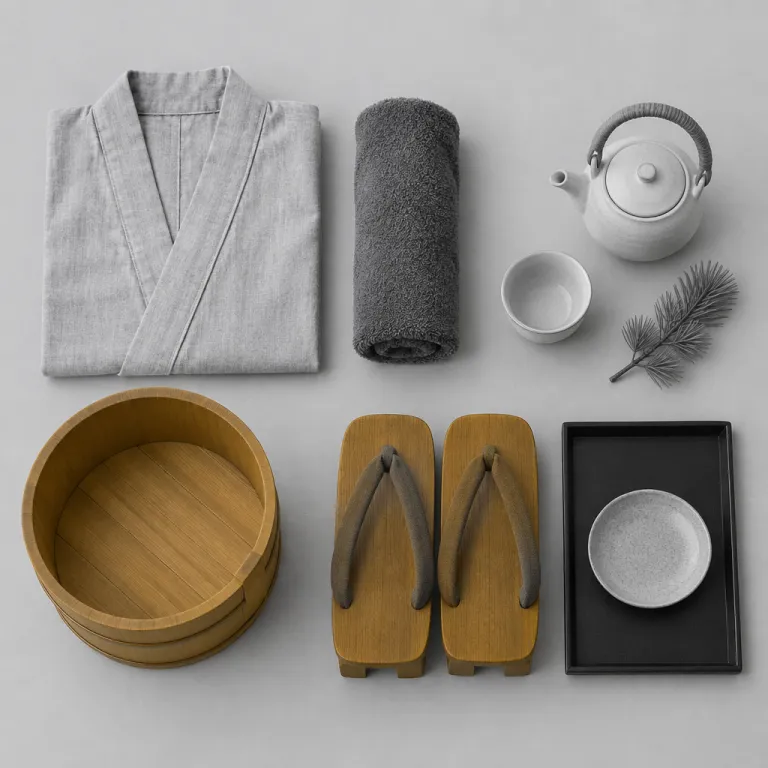
Hida Takayama onsen as a refined mountain retreat
Hida Takayama onsen offers a rare blend of crisp alpine air and timeless Japanese hospitality. In this compact mountain town of Takayama, the hot spring culture feels intimate yet sophisticated, with onsen ryokan and premium hotel properties clustered within minutes of the historic centre. Travellers who value quiet luxury can enjoy hot springs framed by cedar forests and tiled roofs, while still staying close to Takayama station and the preserved old town streets.
The wider Hida region in central Japan is renowned for soft, mildly alkaline hot spring waters that feel silky on the skin. Many Hida Takayama onsen facilities draw from these sources, piping the mineral rich spring water directly into indoor baths and open air baths that overlook rivers, gardens, or the townscape. Whether you choose a traditional onsen ryokan or a contemporary western style hotel, the focus remains on slow bathing rituals, seasonal cuisine, and guest rooms that balance comfort with a strong sense of place.
Within Takayama town, rooms often feature private hot spring baths or deep soaking tubs that echo the atmosphere of larger communal baths. Some properties offer fully private onsen experiences, with baths reserved for each suite and open air baths on terraces where you can enjoy the mountain air bath sensation in complete seclusion. For travellers arriving by rail, the compact layout around Takayama station means you can step off the train and be immersed in Hida Takayama onsen culture within minutes, without sacrificing the convenience of modern western facilities.
Choosing between Japanese style and western style stays
One of the defining pleasures of Hida Takayama onsen travel lies in choosing between Japanese style ryokan stays and western style hotel comfort. A classic onsen ryokan in Takayama town usually offers tatami floored rooms, futon bedding, and kaiseki dinners that highlight local Hida beef, river fish, and mountain vegetables. By contrast, a premium western style hotel near Takayama station may feature spacious beds, desk areas, and guest rooms designed for travellers who prefer familiar layouts yet still want direct access to hot spring baths.
Many properties now blend both approaches, offering Japanese style rooms with low furniture alongside western style rooms with beds, all within the same onsen ryokan or hotel. In Hida Takayama, this hybrid model allows couples or families to book mixed style rooms, so everyone can enjoy the hot springs while sleeping in their preferred configuration. Facilities often include both indoor spring baths and open air baths, with some hotels reserving certain pools for exclusive use by guests in specific floors or suites, creating a more secluded private hot spring experience.
Travellers who appreciate thoughtful wellness concepts may also be interested in how other regions reinterpret bathing traditions, such as the stone sauna experience at KAI Miyajima on the Seto Inland Sea, which you can explore through this detailed feature on a Kamakura era bathing tradition revival : historic stone sauna bathing. Comparing these approaches helps clarify what you value most in Hida Takayama onsen stays, whether that is the ritual of Japanese style tatami living or the ease of western facilities. Either way, the combination of Hida hot springs, attentive service, and carefully designed guest rooms ensures that both Japanese and western preferences are honoured with equal elegance.
Signature hot spring experiences in Takayama town
Within Takayama town, the variety of hot spring experiences is surprisingly rich for such a compact destination. Classic onsen ryokan properties offer large communal spring baths, often separated by gender, where the hot water flows continuously and the atmosphere remains calm and contemplative. Many of these baths are fed by onsen Gifu sources, connecting Hida Takayama onsen culture to the wider network of hot springs across Gifu Prefecture.
For travellers who value privacy, several hotels and onsen ryokan in Takayama provide private onsen options that can be reserved by the hour. These baths private to couples or families may include open air baths on balconies, semi open air bath pavilions, or indoor air baths with large windows framing the town or surrounding hills. Families planning multi stop itineraries across Japan often compare these private hot spring options with other destinations that specialise in family friendly private baths, such as those highlighted in this guide to onsen towns with hourly private baths : family friendly private onsen towns.
One well known property, Takayama Ouan, illustrates how a modern hotel can integrate traditional elements into its hot spring design. Guests at Takayama Ouan can enjoy rooftop open air baths that capture the cool Hida breeze, alongside indoor spring baths that remain comfortably hot even on snowy nights. Many visitors describe the contrast of snowflakes melting on their shoulders while they gaze over the town lights as a highlight of their stay. Whether you choose Takayama Ouan or another onsen ryokan, the key is to match your preferred balance of communal baths, guest rooms with private hot tubs, and access to the atmospheric streets of Takayama town within a few minutes on foot.
Location, access, and timing your Hida Takayama onsen stay
Access to Hida Takayama onsen is straightforward, which makes it an appealing hot spring destination even for first time visitors to Japan. Most travellers arrive via Takayama station on the JR Takayama Line, then walk or take a short taxi ride of just a few minutes to their chosen hotel or onsen ryokan. From Nagoya, the limited express train to Takayama typically takes around 2.5 hours, while journeys from Tokyo via Nagoya or Toyama often require 4 to 5 hours in total. Staying close to Takayama station is convenient if you plan day trips, while properties deeper in the town offer quieter surroundings and easier access to the old streets and morning markets.
Seasonality shapes the character of Hida Takayama hot springs, so timing matters when you book. In winter, the contrast between the cold air and the hot water in open air baths creates a particularly memorable air bath sensation, especially when snow falls softly around the steaming pools. During milder seasons, you can enjoy longer soaks in outdoor spring baths, then stroll through Takayama town in light clothing, appreciating how the onsen culture blends with the preserved merchant houses and sake breweries.
Because Hida Takayama is part of the broader onsen Gifu landscape, many travellers combine it with other hot spring regions in central Japan. A popular route links Takayama onsen stays with journeys through Nagano’s hot springs, such as those described in this solo route from Asama to Shirahone : Nagano hot spring heartland itinerary. Planning your itinerary this way allows you to compare different types of hot springs, from rustic mountain air baths to refined Hida Takayama onsen facilities with polished service and carefully curated guest rooms.
Room types, facilities, and dining at premium properties
When browsing luxury and premium booking options for Hida Takayama onsen, pay close attention to room configurations and bath access. Japanese style rooms with tatami and futons often include access to large communal spring baths, while higher category guest rooms may feature semi open air baths on private terraces. Western style rooms, by contrast, usually offer beds and seating areas, with some suites adding private hot tubs that draw directly from the hot spring source. As a rough guide, mid range rooms in Takayama town might start around the equivalent of ¥15,000 to ¥25,000 per person with dinner and breakfast, while luxury suites with private onsen can be significantly higher depending on season.
Facilities at top tier onsen ryokan and hotels in Takayama town typically include multiple baths, from indoor pools to rooftop open air baths and smaller air baths designed for quiet contemplation. Some properties designate certain baths private to guests who reserve specific plans, creating a more exclusive private onsen experience for couples or small groups. Beyond bathing, you can expect lounges, reading corners, and sometimes spa treatment rooms, all arranged to encourage slow, unhurried stays that complement the rhythm of hot spring bathing.
Dining is another highlight, especially when it features Hida beef, which is one of Japan’s most respected wagyu brands and pairs beautifully with the relaxed pace of an onsen evening. Many Hida Takayama onsen properties serve multi course dinners that showcase Hida beef in grilled, shabu shabu, or sukiyaki preparations, alongside seasonal vegetables and local sake. A typical kaiseki meal might include clear soup with mountain herbs, sashimi, charcoal grilled Hida beef, and a delicate dessert featuring local fruit. Breakfasts often blend Japanese and western elements, allowing you to enjoy rice, grilled fish, and miso soup or opt for bread and eggs, all before returning to the hot springs for a final bath within minutes of waking.
Planning and booking a luxury Hida Takayama onsen escape
Thoughtful planning is essential when booking a luxury Hida Takayama onsen stay, especially if you want specific room types or private onsen access. Start by deciding whether you prefer to stay near Takayama station for easy arrivals, or deeper within the town for a more atmospheric setting close to the old streets. Then compare onsen ryokan and hotel options based on guest rooms, availability of baths private to your party, and whether you want Japanese style, western style, or mixed style rooms.
When reviewing booking details, look carefully at how each property describes its hot spring facilities. Some highlight large communal spring baths and open air baths, while others emphasise private hot spring tubs attached to suites or rooftop air baths with panoramic views over Hida and Takayama town. If you are travelling with family or friends, confirm whether private hot baths can be reserved in time slots of 30 to 60 minutes, and whether these baths are indoor, semi open air, or fully open air baths exposed to the mountain air.
Finally, consider how your Hida Takayama onsen stay fits into a broader Japan itinerary that may include other onsen Gifu areas or distant hot spring regions. Because travel times between major hubs and Takayama station can be several hours, many travellers choose to spend at least two nights to fully enjoy the hot springs, local cuisine, and quiet streets. By aligning your preferences for Japanese or western facilities, your desired balance of communal and private baths, and your interest in Hida beef and regional culture, you can create a Hida Takayama onsen experience that feels both deeply restorative and logistically smooth.
Key figures on Hida Takayama onsen and Japanese hot springs
- Japan has more than 2,900 officially registered hot spring areas, according to the Japan Tourism Agency, which places Hida Takayama onsen within a vast national bathing culture that spans every major region.
- Gifu Prefecture, which includes Hida Takayama and other onsen Gifu destinations, counts over 60 hot spring areas, giving travellers many options to combine Takayama onsen stays with nearby hot springs such as Gero Onsen or Okuhida.
- Hida beef is a regional wagyu brand that must meet strict grading standards, and local tourism data indicate that restaurants and ryokan in Takayama town serve tens of thousands of Hida beef meals annually to visitors seeking premium dining with their hot spring stays.
- Takayama station handles several thousand passengers per day on average, based on JR Central figures, which underlines how accessible Hida Takayama onsen is for travellers arriving from Nagoya, Toyama, or Tokyo via connecting lines.
- Surveys by the Japan National Tourism Organization show that onsen experiences rank among the top motivations for inbound visitors, with a significant share choosing destinations like Hida Takayama specifically for hot springs combined with preserved historic townscapes.
FAQ about Hida Takayama onsen stays
How many nights should I stay in Hida Takayama onsen ?
Most travellers find that two nights in Hida Takayama onsen allow enough time to enjoy multiple hot spring baths, explore Takayama town, and sample Hida beef without rushing. A single night can work if you arrive early and leave late, but the slower pace of onsen culture rewards a longer stay. If you are combining Takayama onsen with other hot springs in Japan, consider three nights to balance travel time and relaxation.
Is it necessary to book a room with a private onsen bath ?
Booking guest rooms with private onsen baths is not essential, because many onsen ryokan and hotels in Takayama offer excellent communal spring baths and open air baths. However, a private hot spring tub can be worthwhile for couples, families, or travellers who feel shy about communal bathing. If budget allows, consider at least one night in a room with baths private to your party for a more intimate Hida Takayama onsen experience.
Can visitors with tattoos use Hida Takayama hot springs ?
Policies on tattoos vary between onsen ryokan and hotels in Takayama town, as in the rest of Japan. Some properties allow small tattoos if they are covered, while others provide private onsen or family baths that can be reserved by the hour, which avoids any concern. When booking, check each property’s rules and, if needed, prioritise guest rooms with private hot baths or baths private to your group.
What is the difference between Japanese style and western style rooms ?
Japanese style rooms in Hida Takayama onsen properties usually feature tatami flooring, low tables, and futon bedding that staff lay out in the evening. Western style rooms offer beds, chairs, and desks, which some travellers find more familiar for longer stays. Many premium onsen ryokan and hotels now provide mixed style rooms that combine tatami areas with western beds, giving you flexibility without sacrificing access to hot spring baths.
Are Hida Takayama onsen stays suitable for children and families ?
Hida Takayama onsen can be very family friendly, especially if you choose properties with private onsen or family baths that can be reserved for set minutes. Children often enjoy the novelty of hot springs and tatami rooms, while parents appreciate the calm atmosphere and short walking distances within Takayama town. When booking, confirm age policies for communal baths and consider guest rooms with semi open air baths so everyone can bathe together comfortably.