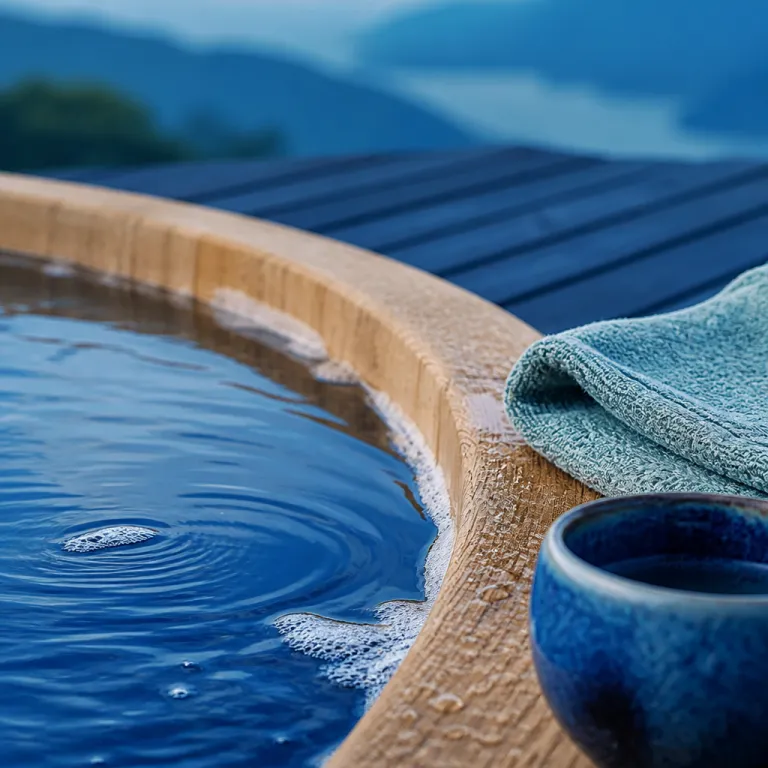
Gora satori as a hidden gem in Hakone’s onsen hills
Set above the wooded slopes of Hakone in Kanagawa Prefecture, Gora Satori offers a quiet retreat where steam, cedar, and mountain air frame every stay. This intimate ryokan in the Gora district balances understated luxury with a focus on satori, the Japanese concept of sudden enlightenment, creating a setting that feels both grounded and elevated. For guests seeking refined calm, the property’s compact scale, its attentive service, and its proximity to art museums and nature trails make it a compelling choice among Hakone’s many hot spring stays.
The name satori refers to enlightenment in Zen Buddhism, and at Gora Satori that idea shapes how travelers move through each space, from the private rotenburo baths to the tatami suites that open onto moss gardens. In classical Buddhism, satori is linked to insight and clarity, and the ryokan translates this into design choices such as low lighting, natural textures, and a quiet digital footprint that still respects personal data and modern expectations. This is not a themed escape; it is a premium onsen inn where contemplative luxury is expressed through silence, measured gestures, and allowing guests to slow their breathing with every soak.
For many guests, the appeal of Gora lies in its easy access by ropeway, cable car, and local train, which turns the journey into part of the experience. The surrounding Gora neighborhood offers a mix of local culture, from small cafés to craft galleries, so travelers can explore at an unhurried pace between their onsen sessions. When you stay in Gora for two or three nights, the rhythm of the mountains, the ryokan’s Zen gardens, and the unspoken etiquette of the baths combine into experiences that feel close to awakening, even for first-time visitors.
Rooms, suites, and private onsen that frame zen enlightenment
Guest rooms at Gora Satori are designed as quiet stages for water, light, and landscape, with many suites featuring private open-air baths that overlook the valley. Typical layouts include a tatami living area, a bedroom with low Western-style beds or futons, and a hinoki soaking tub, so each stay feels like a continuous ritual rather than a series of disconnected moments. This approach to tranquil luxury means that even short visits explore the full arc of a Japanese hot spring day, from pre-breakfast bathing to late-night contemplation under the stars.
In Zen Buddhism, enlightenment is often described as both sudden and supported by long practice, and the ryokan mirrors this by pairing instant comfort with thoughtful details that reveal themselves slowly. Soft shoji screens filter morning light, while carefully placed art pieces reference local culture and the wider world of Zen without turning the rooms into museums. For travelers who value design, this careful selection of materials and textures makes every stay in Gora feel curated yet relaxed, with experiences that are quietly top rated among repeat guests.
On the bathing side, the main communal onsen pools are fed by Gora’s mineral-rich springs, with separate indoor and outdoor areas that change subtly with the seasons. Clear signage and attentive attendants guide first-time travelers through bathing etiquette, allowing guests to focus on the sensation of hot water and cool air rather than rules. Those who want more seclusion can choose stays with private rotenburo, a room category that is especially popular on luxury booking platforms for couples and multigenerational families who value both intimacy and ease of access to the wider Hakone area; for more ideas on elegant tattoo-friendly onsen escapes in Hakone’s hidden hot spring retreats, a dedicated guide on refined ryokan options in the region can be helpful.
Kaiseki dining and local culture around gora
Cuisine at Gora Satori follows the kaiseki tradition, with multi-course dinners that highlight local vegetables, coastal seafood from nearby Odawara, and seasonal mountain herbs. Each menu is a cultural narrative, guiding guests through textures and flavors that reflect the region’s microclimates and long history as a travel corridor between Edo and the Hakone passes. For travelers who care about local sourcing, this is a premium expression of mindful hospitality, where the kitchen’s quiet discipline becomes another path toward sensory enlightenment.
Breakfasts are equally considered, often featuring grilled fish, onsen tamago, and small dishes that invite guests to explore the nuances of Japanese home-style cooking. Staff provide personalized service by noting preferences and allergies at booking, then adjusting the meal flow so that each stay in Gora feels tailored without becoming fussy. This level of service is one reason why Gora Satori often appears among curated picks and highly rated stays on specialist onsen booking platforms, where detailed reviews highlight both flavor and hospitality; one guest described the experience as “the kind of breakfast that makes you slow down and notice every taste.”
Beyond the ryokan, the wider Gora area offers access to the Hakone Open Air Museum, the Pola Museum of Art, and walking paths that thread through cedar forests and volcanic landscapes. Many travelers pair a stay at Gora Satori with a culinary detour to Kobe, using the Shinkansen to include an elevated Kobe beef interlude such as a meal at Wakkoqu Kobe on a longer luxury onsen itinerary. This combination of local culture in Hakone and urban gastronomy in Kansai turns individual stays into broader experiences, allowing guests to frame their own sense of awakening through art, food, and landscape rather than a single fixed program.
How to book gora satori on premium platforms with confidence
Securing a stay at Gora Satori usually requires advance booking, especially during autumn foliage and spring blossom seasons when demand for Hakone onsen stays peaks. Many travelers use specialist luxury platforms that focus on Japanese hot spring inns, where Gora Satori often appears within a curated selection of top rated properties. These services typically provide English-language support, clear room descriptions, and transparent cancellation policies, which is invaluable for guests seeking both clarity and flexibility.
When comparing options, look for a platform that offers verified reviews, clear photographs of room layouts, and explicit details on meal plans, bath types, and accessibility. A strong platform will also explain how satori refers to enlightenment in a cultural context, helping international guests understand why certain rituals, such as pre-bath cleansing or quiet dining rooms, are central to the experience. On some sites, Gora Satori is highlighted within explore picks or stays explore sections that group similar contemplative luxury properties, making it easier to compare experiences across regions like Hakone, Kinosaki, and Kusatsu; a detailed feature on refined ryokan stays in Kinosaki Onsen for discerning travelers is a useful benchmark when evaluating standards.
Trustworthy booking platforms also publish a clear privacy policy that explains how personal data is collected, stored, and shared with properties such as Gora Satori. This is especially important when you submit passport details, dietary information, or special requests that relate to health or mobility. By choosing a platform that treats personal data with the same care that Gora Satori applies to its gardens, travelers can focus on the anticipation of their stay rather than administrative concerns, allowing guests to arrive already in a more receptive, almost meditative state.
Service, reviews, and what guests seeking quiet luxury should expect
Service at Gora Satori follows the omotenashi tradition, where staff anticipate needs quietly rather than relying on overt displays of attention. From check-in to check-out, personalized service is expressed through small gestures such as remembering how you take your tea or adjusting bath times to avoid crowds. This approach resonates strongly with guests seeking calm, and it is frequently mentioned in reviews that praise the balance between formality and warmth.
On major booking platforms, Gora Satori earns high scores for cleanliness, food quality, and staff courtesy, while some comments note that the atmosphere suits travelers who value serenity over nightlife. Many reviews describe experiences of deep rest, with several guests using language drawn from Zen Buddhism and Buddhist ideas of insight to explain how the combination of hot springs, silence, and mountain air affected them. While any feeling of enlightenment is personal and subjective, the pattern across multiple stays suggests that the property’s design and service philosophy genuinely support mental and physical reset.
For prospective guests, reading a range of reviews is essential to align expectations with reality, especially regarding room sizes, bed types, and the level of English spoken by staff. Look for detailed feedback from longer stays explore entries, where travelers comment on how the rhythm of two or three nights at Gora Satori changed their perception of time and stress. When a selection of these narratives converges around themes of stillness, care, and allowing guests to be themselves without pressure, it becomes clear why this ryokan holds a special place in the landscape of Japanese luxury stays.
Practical tips for accessing gora and planning a mindful stay
Reaching Gora is straightforward, with most travelers taking the Odakyu Romancecar from Shinjuku to Hakone Yumoto, then transferring to the Hakone Tozan Railway that climbs into the hills. From Gora Station, access to Gora Satori is usually by short taxi ride or, in some cases, a scheduled shuttle arranged at booking, which is worth confirming in advance. This layered journey through valleys and switchbacks sets the tone for a stay that gradually leaves the city’s pace behind.
When planning your itinerary, consider at least two nights to allow your body to adjust to the onsen rhythm and your mind to settle into a more Zen state. Many guests structure their stays around a simple pattern of morning baths, daytime excursions to local culture sites, and evening kaiseki, which keeps logistics light and experiences rich. Packing light, with easy-to-slip-on footwear and minimal electronics, supports the contemplative ethos of the property and reduces the temptation to overschedule.
It is also wise to check the latest news on transport disruptions, museum opening hours, and seasonal events in Hakone, as these can influence how you explore the area around Gora. Some booking platforms or the ryokan’s own communication channels share timely updates that help travelers adjust plans without stress. By aligning practical details such as access, luggage, and timing with the deeper intention of your stay in Gora, you create conditions where satori refers not only to a philosophical idea but to the very real sense of clarity that can arise from well-planned, quietly luxurious experiences.
Key figures on Japanese hot spring travel and luxury ryokan stays
- According to the Japan Tourism Agency’s domestic travel surveys, onsen destinations account for a significant share of leisure trips within Japan, underscoring how central hot spring experiences are to Japanese travel culture.
- The Japan Ryokan and Hotel Association notes that there are thousands of ryokan across the country, but only a small fraction position themselves as luxury or premium properties, which makes places like Gora Satori part of a relatively exclusive segment.
- Data published by the Hakone Town Office indicates that Hakone welcomes many millions of visitors annually, with Gora and nearby areas absorbing a substantial share of overnight stays, highlighting the importance of advance booking for top rated ryokan.
- Surveys by the Japan National Tourism Organization show that a majority of international travelers list staying at a traditional inn with onsen as a priority experience, aligning closely with the appeal of high-end hot spring stays in regions such as Hakone.
- Industry analyses of online booking platforms suggest that properties with verified reviews and clear privacy policy statements see higher conversion rates, reflecting growing traveler concern about personal data protection when arranging premium stays.
FAQ about gora satori and luxury hot spring bookings
How many nights should I stay at gora satori for a meaningful experience ?
Most travelers find that two nights at Gora Satori provide enough time to settle into the onsen rhythm, enjoy kaiseki dinners, and explore local culture without rushing. A third night can deepen the sense of rest, especially for guests seeking a more meditative, Zen-inspired stay. Single-night stays are possible but tend to feel more like a taste than a full immersion.
Is gora satori suitable for first time visitors to Japanese ryokan culture ?
Yes, Gora Satori is well suited to first-time visitors because staff offer gentle guidance on etiquette, from how to use the baths to what to expect at kaiseki meals. Clear information in English and personalized service help reduce anxiety about making cultural mistakes. Many reviews from international guests mention feeling both supported and respected in their learning process.
How far in advance should I make a booking for peak seasons in Gora ?
For peak periods such as cherry blossom and autumn foliage, it is wise to secure your booking at least three to six months in advance, especially if you want specific room types with private onsen. Luxury platforms often open reservations early for repeat guests and loyalty members, so setting alerts or joining mailing lists can be helpful. Outside peak seasons, one to two months is usually sufficient, though weekends still fill quickly.
What is the best way to reach Gora from central Tokyo ?
The most comfortable route is to take the Odakyu Romancecar from Shinjuku to Hakone Yumoto, then transfer to the Hakone Tozan Railway up to Gora Station. From there, a short taxi ride brings you to Gora Satori, with total travel time typically around two to two and a half hours. Travelers with Japan Rail Passes can also take the Shinkansen to Odawara and connect to local lines, which offers flexibility but requires one extra transfer.
How do luxury booking platforms handle my personal data when I reserve a stay ?
Reputable booking platforms publish a detailed privacy policy that explains what personal data they collect, how long they store it, and with whom it is shared, including properties such as Gora Satori. Look for platforms that use secure payment gateways, offer clear consent options, and allow you to manage communication preferences. If data protection is a priority, choosing a platform with strong transparency and independent security certifications adds an extra layer of reassurance.