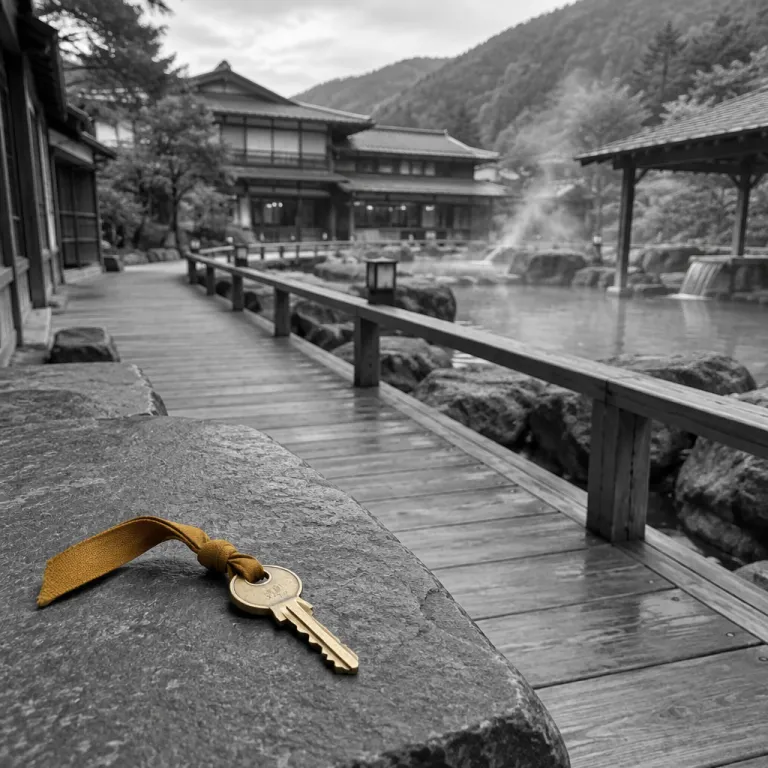
Why a hot spring town cannot outrun its source
Stand on the narrow canal in the Japanese town of Kinosaki and you feel the scale of things immediately. The lantern lit streets, the low tiled roofs, and the quiet shuffle of guests in yukata all signal a kind of tourism that still knows its limits. In a place built around a single shared hot spring system, those limits are not abstract at all.
Sustainable onsen tourism begins with a blunt physical fact ; a geothermal spring can be over drawn, just as a coral reef can be over snorkeled or a hiking trail can be over trampled. In Kinosaki Onsen and other spring resorts across Japan, every litre of spring water piped into a cypress tub has already been counted in local management plans. When you book a luxury stay here, you are stepping into a long term negotiation between comfort, resource management, and the natural environment that feeds the baths.
Think of the hot spring itself as the town’s central bank. The geothermal resources under Toyooka City are finite, and the hot springs that surface in Kinosaki, Izushi, and other nearby towns must be shared between public bathhouses, ryokan, and local residents who rely on spring water for heating and wellness tourism. Springs sustainability is not a slogan in this part of Japan ; it is a daily operational question that shapes how many rooms can be sold, how many private rotenburo can be filled, and how hot each pool can reasonably run.
This is why sustainable tourism in a hot spring town feels different from sustainability messaging in a large urban hotel. Here, the environmental impact of every extra guest is measured not only in towels and transport, but in the pressure on the natural hot aquifer below your feet. When you choose a stay that explains its geothermal management practices in clear English, you are not just reading marketing language, you are reading a quiet contract with the future of the springs. A thoughtful traveler from the United States or from francais deutsch speaking countries can sense that contract in the way staff talk about nature, weather, and the rhythm of the baths.
On World Tourism Day, that contract matters because it exposes tourism’s real arithmetic. A hot spring town cannot simply drill deeper forever, just as global travel cannot grow without regard for carbon, water, and land. Sustainable onsen tourism is therefore less about a green label on your room key and more about accepting that some places, by design, will never scale up to mass tourism without losing their soul.
Bathing as a bond with place, season, and language
Most trips to Japan are built around big ticket sights, but a night in a serious onsen town rearranges your priorities. Once you slip into the hot spring, the main attraction is no longer a temple or a tower, it is the feel of natural hot water on skin and the way steam blurs the line between your body and the surrounding nature. That shift is at the heart of sustainable onsen tourism, because it ties pleasure directly to the health of the springs.
In Kinosaki Onsen, the classic pattern is simple ; you arrive in the afternoon, change into a yukata, and walk from bath to bath under willow trees that lean over the canal. Each of the seven public hot springs has its own character, from cave like indoor pools to open air tubs where snow sometimes falls on your shoulders while the water heats your bones. The experience is slow, repetitive, and deeply local, and that is precisely why it supports sustainability rather than eroding it.
Bathing culture here is not an add on to tourism, it is the core of the town’s identity and its main tool for springs sustainability. Because visitors are content to spend hours soaking in geothermal water rather than chasing distant attractions, the environmental impact of their travel day is compressed into a walkable radius. You move on foot, you eat in small local restaurants, and you return to a ryokan where the management has usually been in the same family for generations, stewarding both the building and its share of the geothermal resources.
Language plays an underrated role in this bond. Many premium inns in Toyooka City now provide clear English explanations of bathing etiquette, spring water composition, and sustainable tourism practices, often alongside francais deutsch summaries for European guests. That multilingual transparency helps solo travelers from the United States understand why certain rules exist, such as rinsing carefully before entering the hot springs or not adjusting the taps on a carefully balanced natural hot pool. When guests grasp that these customs protect both hygiene and the natural environment, compliance stops feeling like a chore and starts feeling like participation.
There is also a quiet wellness tourism logic at work that has nothing to do with spa trends. Repeated short soaks in mineral rich hot spring water, followed by cool air and rest, encourage you to listen to your body and to the weather, not to a schedule of attractions. For travelers curious about what balneotherapy research actually says, a deeper dive into evidence based hot spring health benefits can frame this experience as more than folklore, without turning it into a medical promise.
The fragile economics of small onsen towns
Behind the lanterns and the steam, the economics of a hot spring town are far more fragile than many visitors realise. Places like Kinosaki and the wider Toyooka area face the same demographic headwinds as rural Japan ; aging populations, shrinking school enrolments, and younger generations who often leave for Osaka or Tokyo. In that context, sustainable onsen tourism is not just about environmental impact, it is about whether these towns remain living communities or slide into theme park status.
Family run spring resorts sit at the centre of this tension. Many of the most atmospheric inns in Kinosaki Onsen were built when domestic travel patterns looked very different, and their management now wrestles with succession, renovation costs, and the need to meet international expectations without losing local character. A carefully calibrated number of high value stays from overseas guests can make the difference between a property that invests in better geothermal resource management and one that quietly defers maintenance on its hot baths.
On the supply side, springs sustainability has become a strategic question for Toyooka City officials and private operators alike. They must balance the draw of hot springs as a tourist destination with the long term health of the aquifer, the stability of spring water temperatures, and the needs of local residents who rely on geothermal heating. Articles such as the 195 billion question about hot spring growth underline how quickly an over heated market can damage the very natural beauty that sells the rooms.
World Tourism Day is a useful lens here because it reminds us that tourism is an economic system, not just a leisure activity. When travelers from the United States or Europe choose a two night stay in a smaller onsen town instead of a rushed one night stop, they are effectively voting for a model that values depth over volume. That choice supports local employment, from seasonal staff at hot spring inns to farmers supplying kaiseki dinners, and it gives management teams the confidence to invest in sustainability upgrades rather than short term marketing campaigns.
Still, no single booking can reverse rural depopulation or fix structural labour shortages. What it can do is signal demand for travel that respects the limits of geothermal resources and the social fabric of the town, encouraging more properties to align their pricing and operations with sustainable tourism principles. Over time, a pattern of such choices can help keep the lights on in streets where the glow from a hot bath and a small bar is still more important than any digital billboard.
How your booking choices shape sustainable onsen tourism
If a hot spring town cannot outrun its limits, the obvious question is what your individual choices actually change. The honest answer is that they change less than the marketing copy suggests, but more than pure cynics allow. Sustainable onsen tourism lives in that narrow but meaningful space between structural forces and personal responsibility.
Start with timing. Choosing to travel in shoulder seasons spreads demand across the year, easing pressure on both hot springs and local staff who manage them, and it often reveals a different side of nature, from misty river mornings to quiet snowy lanes. For a solo traveler planning a stay from the United States, that might mean swapping a peak cherry blossom weekend for an early spring or late autumn visit, when the hot spring experience feels more intimate and the town breathes a little easier.
Length and location of stay matter just as much. A two or three night booking in Kinosaki Onsen or another Toyooka City spring town concentrates your environmental impact into one journey while giving you time to walk, soak, and eat locally rather than bouncing between distant tourist destinations. That pattern supports wellness tourism in its most grounded form, where the natural environment, the geothermal resources, and the rhythms of the town shape your days more than any checklist.
Then there is the question of where your money goes. Choosing inns that explain their springs sustainability policies in clear English, francais deutsch, and Japanese, and that show concrete steps such as careful resource management of spring water or partnerships with local residents, sends a signal that sustainable tourism is commercially viable. Reading case studies like how one Japanese village balances hot springs and geothermal power can sharpen your eye for such details when browsing booking sites.
There are limits to this agency, and it is worth stating them plainly. No carefully chosen stay will on its own solve the long term demographic challenges of rural Japan or fully offset the flight from the United States that brought you here. Yet when enough travelers treat a hot spring town as a place to inhabit for a while rather than a backdrop to consume, the cumulative effect is real ; fewer empty storefronts, more apprentices in traditional inns, and a stronger case for protecting the natural hot sources that make these towns possible.
Key figures shaping sustainable onsen tourism
- Japan’s Agency for Natural Resources and Energy has reported that the country hosts over 27 000 officially registered hot spring sources, a scale that makes geothermal resource management a national as well as local concern.
- Data from the Japan Tourism Agency show that international visitors now account for a growing share of overnight stays in regional areas, which increases both the economic importance and the environmental impact of onsen towns outside major cities.
- Studies on wellness tourism published by the Global Wellness Institute estimate that wellness motivated travel spending has grown faster than overall tourism spending worldwide, a trend that directly affects demand for hot springs and spring resorts.
- Surveys by local governments in several Japanese prefectures have highlighted that a significant proportion of traditional inns are family owned, with many proprietors over the age of sixty, underscoring succession risks in small hot spring towns.
- Research on geothermal resources in Japan has emphasised that excessive extraction of hot spring water can lead to declining temperatures and flow rates, reinforcing the argument that a hot spring town cannot outrun its natural limits.