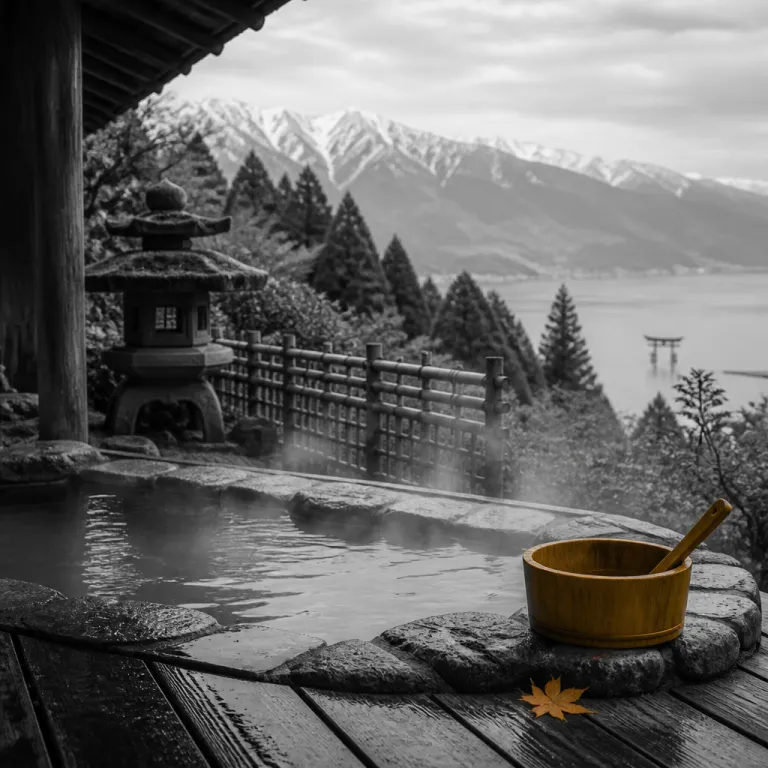
Designing a three weeks in Japan itinerary around luxury hot spring inns
Planning three weeks in Japan gives you the rare luxury of time. Over a 21 day trip you can balance vibrant city stays with quiet onsen nights, shaping a Japan itinerary that feels both indulgent and unhurried. With careful travel choices, every day becomes a seamless blend of culture, cuisine and restorative hot spring experiences.
Official guidance from the Japan National Tourism Organization notes that “3 weeks allows for a comprehensive tour of major cities and attractions.” That means your trip to Japan can comfortably include Tokyo, Kyoto, Hiroshima, the Japanese Alps and a volcanic island onsen region without rushing between days or sacrificing depth. When you design a longer stay around premium ryokan, you will find that the inns themselves become destinations, not just places where you stayed between tours.
For travelers focused on refined comfort, a 21 day tour should anchor nights in three key hubs: Tokyo, Kyoto and Hiroshima. Around these hubs, add onsen regions such as Hakone near Mount Fuji, the Japanese Alps around Takayama, and a serene island stay near Itsukushima Shrine for a complete Japan travel arc. This structure keeps train travel efficient while leaving space for at least one slow day trip in each region.
Tokyo days and Hakone nights near Mount Fuji hot springs
Tokyo is the natural starting city for most people traveling Japan on a three weeks schedule. Spend your first days in Tokyo adjusting to Japan time, exploring neighborhoods by day and returning to a calm luxury hotel before your onsen focused leg begins. A refined Japan itinerary often uses Tokyo as both arrival and departure base, with two separate clusters of Tokyo days.
During the first three or four days in Tokyo, prioritize experiences that contrast beautifully with later rural onsen nights. Visit the Toyosu fish market at dawn, then enjoy a private sushi counter lunch before an afternoon art tour in Roppongi or Ueno. In the evening, a short trip within the city to Odaiba or the Sumida River area offers skyline views that make your eventual view of Mount Fuji from an outdoor bath feel even more dramatic.
From Tokyo, Hakone is the classic onsen escape for a one or two night stay, easily integrated into a three week route. The journey from Tokyo Station to Odawara by shinkansen takes about 35 minutes, followed by roughly 15 minutes on the Hakone Tozan Line to Hakone Yumoto, so you can leave after breakfast and still arrive in time for an afternoon soak. Many premium ryokan here, such as Gora Kadan or Hakone Ginyu, offer open air baths facing Fuji, multi course kaiseki dinners and tatami suites where you will find both Western beds and traditional futons. One guest described stepping into the steaming rotenburo just as a light mist rolled over the cedar trees, hearing only the water and a distant train horn before dinner was quietly served in their room. Travelers interested in the broader geothermal wellness trend can compare these traditional inns with contemporary spa resorts in places like Iceland’s Blue Lagoon or Italy’s Ischia, which illustrates how different countries invest in hot spring infrastructure while preserving local character.
Kyoto days, Nara temples and Japanese Alps retreats
After Tokyo, the shinkansen ride on the Tokyo–Kyoto route becomes a highlight of any trip to Japan, especially when you know a tranquil onsen suite awaits. The fastest Nozomi services cover the distance in about 2 hours and 15 minutes, while Hikari trains on Japan Rail Pass routes take roughly 2 hours and 40 minutes. Plan at least four to five Kyoto days within your three weeks, because this city rewards slow travel and thoughtful wandering. With that amount of time, Japan reveals its quieter rhythms through morning temple visits and evening tea experiences.
Use one day trip from Kyoto to Nara for a focused temple and garden tour, then return to a riverside ryokan style inn in Arashiyama or Kibune. On other days Kyoto invites you to pair UNESCO heritage sites such as Kiyomizu dera or Nijo Castle with restorative soaks in private cypress baths back at your inn. Over a three week journey, alternating intense sightseeing days in Kyoto with half days of onsen relaxation keeps your energy steady and your senses sharp.
For a deeper mountain experience, extend your Japan travel into the Japanese Alps around Takayama or Matsumoto for two or three nights. The Limited Express Hida from Nagoya to Takayama, for example, takes about 2 hours and 20 minutes and offers scenic river views along the way. Here you will find intimate hot spring inns with views of forested slopes, seasonal kaiseki menus and easy access to alpine day hikes. Travelers who appreciate refined mountain wellness may also enjoy comparing these stays with classic resorts in Kusatsu Onsen or Beppu, other renowned hot spring regions that highlight how varied Japan’s geothermal landscapes and bathing traditions can be.
Hiroshima, Miyajima island and onsen stays with historical depth
Midway through three weeks in Japan, shifting to Hiroshima introduces a powerful historical dimension to your itinerary. The shinkansen from Kyoto to Hiroshima usually takes around 1 hour and 40 minutes on Nozomi services, slightly longer on other trains. The city is compact enough that two or three days allow you to visit the Peace Memorial Park, the Atomic Bomb Dome and related museums without feeling rushed. Many travelers describe this part of their trip to Japan as emotionally intense yet essential for understanding modern Japan.
Plan at least one full day in Hiroshima city itself, leaving time to walk quietly between the Peace Memorial, the riverside promenades and contemporary art spaces. On another day, take a short ferry ride to Miyajima island, home to the iconic Itsukushima Shrine, a celebrated UNESCO heritage site. Staying overnight in a luxury ryokan on the island, such as Iwaso or Kurayado Iroha, transforms a simple day trip into a serene interlude, with lantern lit corridors, elaborate kaiseki dinners and private onsen baths overlooking the bay.
Over three weeks, alternating between urban hotels and island ryokan creates a layered Japan travel narrative. You might spend one night in a contemporary Hiroshima tower hotel, then two nights where you stayed in a traditional inn on Miyajima, listening to waves while soaking in mineral rich waters. This rhythm of city, island and mountain stays is what elevates an extended visit from a checklist tour to a deeply textured experience.
Hokkaido, regional onsen gems and curating premium stays
Travelers with a full three weeks in Japan sometimes add a northern chapter in Hokkaido, especially during snow season. While not on every standard Japan itinerary, a few days in Sapporo and nearby hot spring towns can be a rewarding extension for those who value space, seafood and quieter onsen culture. Efficient train travel and domestic flights make it realistic to weave this region into a 21 day tour without losing time.
In Hokkaido you will find refined ryokan in areas such as Noboribetsu, Jozankei or Lake Toya, where outdoor baths face forests, lakes or volcanic landscapes. Many guests structure their days around unhurried breakfasts, late morning soaks, gentle walks and elaborate dinners, turning time in Japan into a restorative retreat rather than a race between sights. For a curated overview of standout properties, look for well reviewed stays such as The Lake View Toya Nonokaze Resort, Takinoya in Noboribetsu or Suizantei Club Jozankei, which frequently appear in Japanese travel magazines and luxury hotel rankings.
If Hokkaido does not fit your three weeks, consider allocating those days to extra nights in Hakone, the Japanese Alps or another island onsen region instead. The key is to keep your Japan travel pattern generous, allowing at least two nights at each premium inn so you fully experience the baths, cuisine and hospitality. Over a 21 day trip, that pacing ensures every place where you stayed feels meaningful rather than merely convenient.
Practical planning for luxury onsen stays over three weeks
Thoughtful logistics are essential when you design three weeks in Japan around high end hot spring inns. National tourism guidance recommends that “Spring (March–May) and autumn (September–November) offer pleasant weather and scenic beauty.” Those seasons work especially well for a Japan travel plan that includes both city sightseeing and outdoor baths facing Mount Fuji or alpine valleys.
For a 21 day tour that includes Tokyo, Kyoto, Hiroshima, the Japanese Alps and at least one island onsen region, a Japan Rail Pass often offers strong value. As of recent guidance, passes are typically sold in 7, 14 and 21 day versions, with the 21 day option aligning neatly with a full three weeks itinerary. Data from the Japan National Tourism Organization suggests an average daily budget of about 15,000 JPY per person for standard travel in Japan, but luxury ryokan stays and kaiseki dinners will raise that figure significantly. Booking early is crucial, because many of the most sought after inns near Fuji, Kyoto or Itsukushima Shrine have only a handful of suites and fill weeks in advance.
When finalizing your Japan itinerary, map out which nights will be in major city hotels and which will be in ryokan, then align your day trip plans accordingly. For example, schedule your most demanding temple circuits or fish market mornings on days when you return to a property with excellent onsen facilities and in room dining. Over three weeks, that kind of alignment between daily activity and evening comfort is what transforms traveling Japan from a busy holiday into a genuinely restorative journey.
Key figures for a three weeks in Japan hot spring journey
- Average daily budget for visitors is around 15,000 JPY per person according to the Japan National Tourism Organization, which means a 21 day trip to Japan starts near 315,000 JPY before adding premium ryokan and fine dining.
- Japan Tourism Agency data indicates tens of millions of international arrivals each year, so securing top tier onsen rooms during peak time in Japan requires booking several months ahead.
- A structured 21 day Japan itinerary such as 5 days in Tokyo, 3 days in Kyoto, 2 days in Hiroshima, 2 days on Miyajima island, 3 days in Osaka and Nara, 2 days in Hakone near Mount Fuji and 4 flexible days in the Japanese Alps or Hokkaido offers a balanced pace for most travelers.
- Official guidance confirms that 3 weeks is enough to see Japan’s major cities and UNESCO heritage sites, while still allowing multiple two night stays in luxury hot spring inns.
FAQ about planning three weeks in Japan with luxury hot spring stays
Is 3 weeks enough to see Japan while staying in onsen inns ?
Yes, 3 weeks allows for a comprehensive tour of major cities and attractions, and it also gives you enough days to include several two or three night stays in premium hot spring inns without rushing.
What is the best time to visit Japan for hot spring travel ?
Spring and autumn are ideal, because mild temperatures make outdoor baths comfortable and seasonal scenery around Mount Fuji, the Japanese Alps and coastal onsen towns especially beautiful.
Do I need a visa to visit Japan for a 21 day trip ?
Visa requirements depend on your nationality, and many countries have visa exemptions for short stays, so you should always check the latest information from your local Japanese embassy or consulate before booking.
How many onsen regions can I include in three weeks ?
Most travelers comfortably include two or three onsen regions such as Hakone, the Japanese Alps and an island stay near Itsukushima Shrine within a 21 day Japan travel plan, alongside time in Tokyo, Kyoto and Hiroshima.
Is a Japan Rail Pass worthwhile for a three weeks itinerary ?
For a route that links Tokyo, Kyoto, Hiroshima, Miyajima, the Japanese Alps and possibly Hokkaido, a Japan Rail Pass is often cost effective and convenient, especially when you are moving between city hubs and rural hot spring towns.