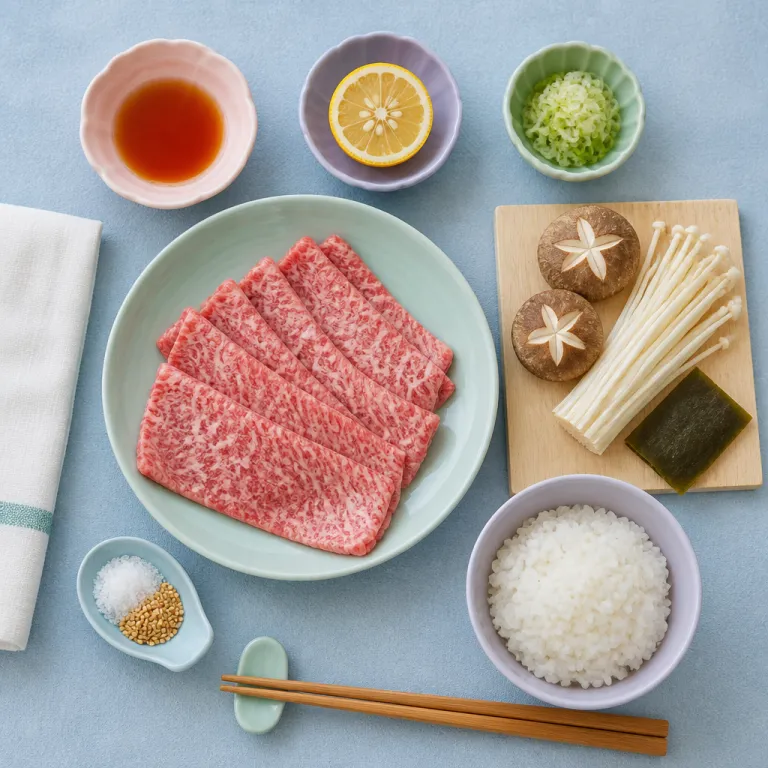
Why Wakkoqu belongs on a luxury hot spring itinerary in Kobe
Wakkoqu is a Kobe beef teppanyaki restaurant in the city of Kobe that pairs naturally with refined Japanese hot spring stays. This elegant restaurant address near Shin-Kobe Station in Chuo Kobe turns a simple steak meal into a curated dining event that matches the expectations of travelers booking premium ryokan with private onsen suites. When you plan a multi-day tour through Japan, combining a night in a hot spring inn with a Wakkoqu lunch or dinner in Kobe creates a balanced rhythm between slow bathing rituals and urban flavor.
The restaurant is renowned for authentic Kobe beef teppanyaki, and the quality of each steak aligns with the standards of guests who choose high-end onsen retreats rather than generic city hotels. Staff deliver attentive service at the iron griddle, mirroring the discreet hospitality you find in intimate hot spring inns across Japan. For travelers who value a calm environment, Wakkoqu offers a focused culinary experience where the only sounds are gentle conversation, the sizzle of beef, and the chef’s precise movements.
When I describe Wakkoqu to onsen-focused travelers, I emphasize how it complements the slower pace of a ryokan stay in nearby Arima Onsen or the hillside terrace districts above central Kobe. You might soak in mineral-rich baths in the morning, then take a short train ride into the city for a Kobe beef lunch at Wakkoqu before returning to your tatami room. This combination of restorative hot springs and a single destination restaurant visit feels like a hidden gem within a longer Kansai itinerary, especially for guests who prefer depth over a wide range of rushed sightseeing stops.
Hidden hillside terraces: linking Wakkoqu with Kobe’s refined neighborhoods
Luxury travelers often stay in quiet hillside districts above the city, and Wakkoqu fits beautifully into that geography. The restaurant sits in Chuo Ward, close to Nakayamate Dori Chuo, which gently climbs toward the historic Kitano area known for Western-style residences and small, refined restaurants. From many hot spring–focused booking platforms, you can pair a night in an Arima Onsen inn with an afternoon stroll along Nakayamate Dori and a Wakkoqu dinner, creating a layered urban and mountain experience.
As you walk from Chuo Kobe toward Kitano, you pass subtle signs of Kobe’s cosmopolitan past, from hillside terrace cafés to embassies and churches that overlook the harbor. These hillside terrace viewpoints offer a soft transition between the dense city and the calm of hot spring valleys, which is why many premium itineraries suggest at least one night in Kobe before or after rural onsen stays. For travelers comparing refined soaking destinations worldwide, this blend of city lights and mountain air feels like an elegant alternative to more crowded hot spring hubs described in guides to sophisticated soaks and stays.
Terrace Nakayamate, a small cluster of residences and cafés near Wakkoqu, gives a sense of how Kobe’s community lives between sea and slopes. From here, a short walk brings you back to the restaurant, where the steak course becomes the central event of your evening. When you return later to your hot spring inn, the memory of the city’s hillside terraces and the flavor of Kobe beef linger together, reinforcing the feeling that your trip has moved through distinct yet connected places.
From onsen calm to teppanyaki theatre: what to expect at Wakkoqu
Guests who arrive from tranquil hot spring inns often appreciate how Wakkoqu balances theatre and restraint. Chefs work on a polished iron griddle directly in front of you, yet the environment remains composed, with a focus on the meat’s aroma and texture rather than loud performance. This style suits travelers who spend their nights in quiet onsen rooms and want a restaurant experience that feels intimate rather than overwhelming.
Wakkoqu is known for authentic Kobe beef teppanyaki, and the menu usually centers on a carefully selected steak cut, seasonal vegetables, and a modest range of side dishes. Portions are thoughtfully sized, which allows you to enjoy a full course without feeling too heavy before returning to a hot spring bath later in the evening. The service team explains each course clearly, helping international guests understand the difference between marbling grades, cooking points, and how Kobe beef from this region of Japan differs from other wagyu steaks served in city restaurants.
For travelers planning tattoo-friendly onsen escapes in Hakone or other regions, Wakkoqu can serve as the culinary highlight of the Kansai leg of a longer tour. Many guests schedule lunch at Wakkoqu on the same day they transfer between a Kobe-area hot spring inn and a Kyoto or Osaka hotel, using the restaurant as a refined midpoint. Because reservations are strongly recommended, you should coordinate booking times with your ryokan check-out and train schedules to avoid rushing this carefully paced experience.
Practical planning: integrating Wakkoqu into a three week onsen journey
When you design a three-week onsen itinerary through Japan, Kobe often appears as a brief stop between Tokyo, Kyoto, and the Japanese Alps. Positioning Wakkoqu as a central dining event in Kobe encourages you to slow down and allocate at least one full day to the city and its surrounding hot spring areas. This approach aligns with refined onsen itineraries that prioritize fewer bases and deeper stays rather than a frantic checklist of places.
A typical pattern for luxury travelers is to spend two nights in a hot spring inn near Kobe, such as Arima Onsen, and dedicate the middle day to a Wakkoqu visit combined with light urban exploration. You might leave your ryokan after a morning soak, ride the ropeway or train into Chuo Kobe, walk along Nakayamate Dori and the Kitano slopes, then enjoy a late lunch at the restaurant before returning for an evening bath. This rhythm mirrors the structure of curated onsen journeys that weave together Tokyo, Kyoto, Hiroshima, and the Japanese Alps, where each city stop includes one signature culinary experience.
Because Wakkoqu operates mainly during lunch and dinner hours, planning around its schedule is essential for guests who value seamless service. Lunch, typically from around midday to mid-afternoon, often offers better value and a slightly more relaxed pace than the evening event, which suits travelers balancing restaurant budgets with premium ryokan stays. When you describe your plans to the booking concierge at your hot spring inn, mention Wakkoqu by name, as many staff in the region recognize the restaurant and can help align transport times and reservations.
Reading the signs: how Wakkoqu reflects Kobe’s culinary community
Wakkoqu’s location in Nakayamate Dori places it within a compact community of long-standing restaurants, cafés, and small bars that serve both locals and visitors. Street signs in this part of Kobe often appear in both Japanese and English, which helps international guests navigate comfortably between the station, the restaurant, and nearby viewpoints. This accessibility contrasts with some rural hot spring villages where signage can be sparse, making Kobe a gentle entry point for travelers new to Japan.
The restaurant’s partnership with local beef suppliers reflects a broader community commitment to quality and traceability, values that resonate strongly with guests who choose high-end onsen properties. Just as a premium hot spring inn will describe the mineral composition of its baths and the provenance of its kaiseki ingredients, Wakkoqu staff explain the origin of each steak and the characteristics that define true Kobe beef. This transparency builds trust and reinforces the sense that your meal is part of a larger regional story rather than an isolated event.
For travelers who enjoy structured experiences, it is easy to design a short walking tour that links Wakkoqu with Kitano’s historic houses, hillside terrace viewpoints, and small art spaces. You move through a layered urban environment where every place, from a quiet shrine to a modern café, feels connected by the slope of the hill and the view toward the harbor. By the time you return to your hot spring inn, you carry not only the memory of a single restaurant but also a clearer understanding of how Kobe’s community lives, eats, and relaxes.
Evaluating quality: why Wakkoqu suits luxury hot spring travelers
Guests who book luxury and premium hot spring inns tend to evaluate every element of their trip through the lens of quality and coherence. Wakkoqu aligns with these expectations by focusing on a narrow range of dishes executed with precision rather than an expansive menu of unfocused options. As of July 2024, major travel review platforms collectively report an average rating in the low four-out-of-five range; always confirm the latest figures on the restaurant’s official site or current review services, as scores and comments can change over time.
According to verified information from the restaurant and local tourism materials, when asked “What is Wakkoqu known for?”, the answer is “authentic Kobe beef teppanyaki.” This clarity of purpose mirrors the way a serious onsen property might center its identity on a single spring source, a particular style of kaiseki, or an especially tranquil garden. For travelers comparing restaurants in Kobe, this focus makes Wakkoqu easier to position within an itinerary, because you know exactly which experience you are reserving and how it will complement your time in the baths.
From a practical standpoint, the restaurant’s location near Shin-Kobe Station simplifies transfers between city hotels, hot spring inns, and long-distance trains, which is crucial for tightly planned luxury journeys. When you will move between Kobe and other regions of Japan, scheduling a Wakkoqu meal just before or after a major rail segment can reduce stress and create a natural pause in the day. In this way, the restaurant becomes more than a place to eat steak; it acts as a carefully timed interlude that supports the overall flow of a refined onsen-focused trip.
Key figures for Wakkoqu and Kobe luxury stays
- As of July 2024, Wakkoqu holds an average rating in the low four-out-of-five range on major travel review platforms; check the latest numbers on those sites or the restaurant’s own information pages, as guest feedback and scores are updated regularly.
- Lunch service typically runs from around 12:00 to 15:00, while dinner operates from roughly 17:00 to 21:00, giving onsen guests clear windows to coordinate restaurant reservations with check-out and check-in times; always confirm the latest hours directly with the restaurant when you book.
- The restaurant is located in Chuo Ward, roughly 1 to 2 kilometers from Shin-Kobe Station, which usually translates to a walk of about 15 to 20 minutes or a short taxi ride for guests carrying luggage; exact travel time will vary with route and traffic.
- Kobe itself sits within the Hyogo region of Japan, a prefecture that includes both urban centers and renowned hot spring areas such as Arima Onsen, allowing travelers to combine city dining and rural bathing within a single day.
FAQ: Wakkoqu and luxury hot spring travel
What is Wakkoqu known for ?
Wakkoqu is known for authentic Kobe beef teppanyaki prepared on an iron griddle in front of guests, with a focus on high-quality cuts and attentive service. This specialization makes it a natural pairing with premium hot spring stays where guests expect carefully curated culinary experiences. The restaurant’s reputation rests on both the provenance of its beef and the skill of its chefs.
Where is Wakkoqu located in Kobe ?
Wakkoqu is located in Nakayamatedori within Chuo Ward, close to Shin-Kobe Station in the city of Kobe, Japan. This central position allows easy access from both urban hotels and nearby hot spring areas such as Arima Onsen. Travelers can usually reach the restaurant by a short taxi ride or a manageable walk from the station, depending on luggage and weather.
Do I need a reservation at Wakkoqu ?
Yes, reservations are strongly recommended at Wakkoqu, especially for dinner and for guests coordinating with hot spring inn schedules. The dining room is not large, and walk-in availability can be limited during peak travel periods. Booking in advance ensures you secure a suitable time slot that fits around check-out, train departures, or evening bathing plans.
How can I combine Wakkoqu with a Japanese hot spring stay ?
The most seamless option is to stay in a hot spring inn in or near Kobe, such as Arima Onsen, and plan a half-day visit to the city for a Wakkoqu lunch or dinner. Many travelers schedule the meal on a transfer day between regions, using the restaurant as a midpoint between onsen destinations and major cities like Kyoto or Osaka. Coordinating train times, inn check-in, and the restaurant’s lunch or dinner hours will help you maintain a relaxed pace.
Is Wakkoqu suitable for international travelers new to Japan ?
Wakkoqu is well suited to international guests, with staff accustomed to explaining menu details and the Kobe beef story in clear, accessible language. The location near Shin-Kobe Station and bilingual signs in the surrounding streets make navigation straightforward even for first-time visitors. For travelers easing into Japanese dining culture from the comfort of luxury hot spring inns, Wakkoqu offers a reassuring yet authentic introduction.