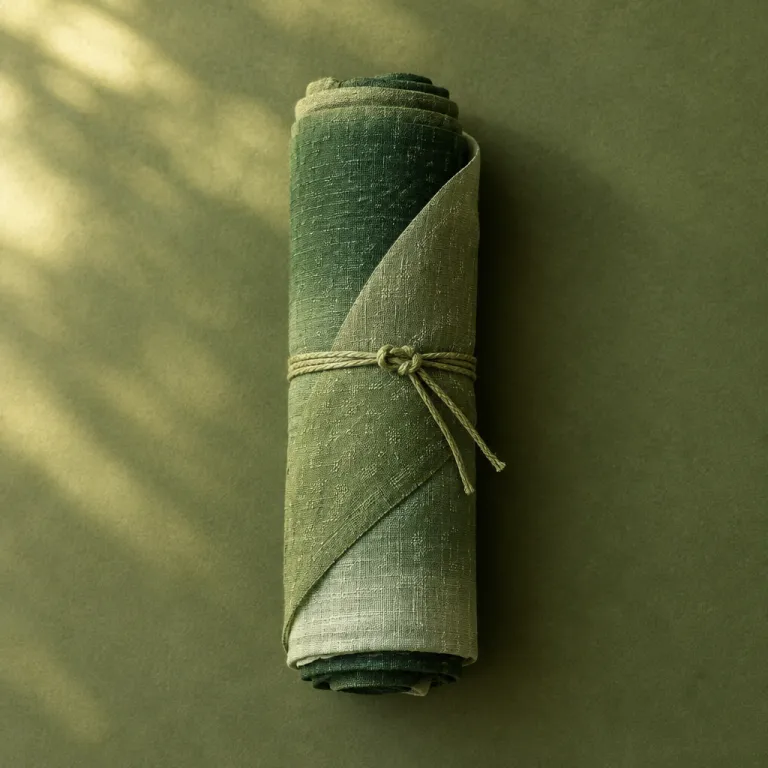
Understanding what is worn under yukatas at luxury hot spring inns
Guests booking a premium hot spring stay often ask what was worn under yukatas in traditional settings. Luxury ryokans in Japan now answer this clearly, because understanding what to wear under a yukata shapes both comfort and cultural confidence. When you know what to wear underneath, you move more easily between your room, the hot spring baths, and the dining room.
Historically, people wore minimal innerwear under a yukata, since this lightweight kimono was designed for bathing areas and humid summer evenings. In many traditional Japanese inns, you still receive a simple cotton kimono yukata with an obi belt or soft sash, and staff explain what to wear yukata style for each space. For most guests, a good idea is to wear under yukata only light underwear that dries quickly and does not show through the fabric.
Luxury properties now provide clear guidance for both women and men, because expectations for what wear is appropriate can differ between public corridors and private rooms. For example, some ryokans suggest that men wear fitted innerwear under the men yukata when walking through the front lobby, while allowing guests to go underneath yukata with nothing in the gender separated hot spring areas. A front desk clerk at a long‑established inn in Hakone summed it up simply: “In the baths, be natural; in the hallways, be modest.” Always check what is written in the in room guide, since each traditional Japanese inn sets its own etiquette.
When you book through a high end platform, look for photos that show the full length of the yukata and how the obi is tied at the waist. This helps you judge whether the fabric is thick enough to wear underneath only minimal layers, or whether you might prefer extra innerwear for modesty in shared spaces. Reading guest reviews about wearing yukata in corridors and lounges can be as useful as checking the room price or the onsen facilities, especially when travellers mention how comfortable they felt moving between baths and dinner.
How to wear a yukata correctly from front wrap to obi knot
Once you know what was worn under yukatas in the past, the next step is learning how to wrap and tie them properly. Luxury ryokans usually provide illustrated cards that show how to place the left side of the yukata over the right, because reversing this order is reserved for funerary dress in Japanese culture. Staff will often adjust the front panels for you at check in, ensuring the correct length and a neat line from shoulder to hem.
For both women and men, the process of wearing yukata begins with smoothing the fabric over your innerwear, then folding any excess length at the waist before securing the sash. In many premium inns, the first tie sash is a soft inner cord that holds the kimono yukata in place, while the decorative obi belt sits higher on the waist or just below the ribcage. This layered approach keeps what you wear underneath discreet, even when you sit on tatami or move between your room and the hot spring corridor.
Men wear their men yukata slightly shorter, often just above the ankle, while women may choose a longer length that brushes the top of the wooden sandals provided. When you walk, the front overlap should stay closed without gaping, which is why choosing the right size at the yukata shop or at the rental counter matters as much as choosing the pattern. If you feel the panels opening, it is a good idea to retie the sash or obi more firmly before heading to dinner.
To make the process easy to follow, many luxury booking sites now include short etiquette notes on how to wear yukata correctly, because international guests often worry about what wear rules apply in shared spaces. A typical step by step card in a high end ryokan will show: wrap left over right, smooth the fabric over your innerwear, tie the inner cord, adjust the length fold, then finish with the obi knot. Some ryokans also address related topics such as tattoo policies and mixed gender bathing, and you can often find more context in specialist guides on changing onsen etiquette. Taken together, these details help you feel at ease from the moment you slip into your innerwear to the moment you tie the final knot in your obi belt.
From traditional japanese etiquette to modern comfort in luxury ryokans
Understanding what was worn under yukatas also means understanding how traditional Japanese etiquette is being adapted for modern luxury travel. In the past, guests at rural hot spring inns often arrived already wearing yukata from home, with simple innerwear and tabi socks suited to wooden floors and stone paths. Today, most international visitors receive a freshly laundered kimono yukata in their room, along with clear instructions on what to wear underneath for each part of the stay.
High end ryokans now balance respect for traditional Japanese customs with the expectations of guests who book online and compare every detail from price to pillow fabric. Many properties provide separate men yukata and women’s cuts, with different sleeve length and waist proportions, so that both men wear and women wear their robes comfortably over modern innerwear. Some even offer a small in house yukata shop where you can purchase higher grade fabric versions to take home, often in colours chosen to flatter a wide range of skin tone shades.
These cultural innovations extend to footwear and accessories, which also influence what you wear under a yukata. Guests usually receive tabi socks and wooden sandals for walking between the room, the dining area, and the hot spring buildings, and these are designed to work with the robe’s length and front overlap. When you step outside, it is a good idea to check that your innerwear does not show at the neckline or hem, especially if the wind lifts the fabric.
Luxury booking platforms now highlight these thoughtful touches as part of the overall experience, not just as practical details. Some listings explain how the staff will help you tie sash layers correctly, or how they provide different obi styles for formal kaiseki dinners and relaxed summer strolls. A guest at a well known ryokan in Kinosaki Onsen described it this way in a review: “Once they showed me how to wrap the yukata and what to wear underneath, I stopped worrying and just enjoyed wandering the lantern lit streets.” For travellers interested in how onsen towns are being presented globally, specialist analyses of Japan’s strategy to promote hot spring culture offer useful background before you choose where to stay.
Choosing fabrics, rentals, and yukata shops through premium booking sites
When you compare luxury hot spring inns online, you are not only comparing room size and price but also the quality of the yukata and what is practical to wear underneath. The fabric weight, weave, and opacity all influence what was worn under yukatas historically and what guests feel comfortable wearing today. A thicker cotton kimono yukata allows you to wear under yukata only minimal innerwear, while a very light summer weave may encourage an extra layer for modesty in corridors.
Many premium ryokans now list yukata rental options directly on their booking pages, especially in regions of Japan where guests like to stroll through town in traditional dress. You might see separate price points for standard men yukata, upgraded patterns, or coordinated sets that include tabi socks, an obi belt, and wooden sandals. When you reserve, check whether the rental includes help with wearing yukata correctly, since a well tied sash at the waist can make even simple innerwear feel secure underneath yukata layers.
Some properties partner with local yukata shops, allowing guests to choose their preferred fabric and length on arrival. This is particularly helpful for taller men or for travellers who want a specific skin tone friendly colour, because off the rack sizes can ride up and reveal what you wear underneath when you sit. If you plan to visit the hot spring multiple times a day, it is a good idea to ask whether you receive one yukata per stay or a fresh set each day.
Luxury booking platforms increasingly provide detailed photos of the front, back, and obi knot, so you can visualise how your innerwear will sit under the robe. Some even include short videos that show how to tie sash layers and how the fabric moves when walking in wooden sandals along stone paths. A typical photo caption might note how the obi sits just above the waist and how the front overlap keeps innerwear hidden when climbing stairs. Paying attention to these details before you confirm the price and plan your itinerary helps ensure that what you wear under a yukata feels as refined as the rest of your stay.
Wellness, hot springs, and what to wear under a yukata between baths
Time in the hot spring is the heart of any ryokan stay, so it naturally shapes what was worn under yukatas in both past and present. Guests move repeatedly between their room, the bathing area, and relaxation lounges, changing what they wear underneath depending on whether they are wet from the baths or dry and dressed for dinner. Understanding this rhythm helps you decide what to wear under a yukata at each stage of your wellness routine.
Before entering the hot spring, you usually leave your yukata, innerwear, and tabi socks in the changing room baskets, wearing nothing into the water itself. After bathing, many guests dry off thoroughly, then put on fresh innerwear before slipping back into the kimono yukata, tying the sash firmly at the waist and adjusting the front overlap. Because your skin is warm and sensitive after bathing, it is a good idea to choose soft, breathable fabric for whatever you wear underneath, avoiding seams that might rub under the obi belt.
Luxury booking sites now highlight wellness focused amenities such as relaxation lounges, herbal teas, and quiet reading corners, and these spaces influence what you wear yukata style between baths. In these semi public areas, both women and men wear their robes fully closed, with the left side over the right and the obi knot centred or slightly to the back. If you plan to sit on tatami or recline in a chair, consider whether the length of the yukata and the weight of the fabric will keep what you wear underneath discreet.
For travellers interested in the health aspects of bathing, specialist analyses of balneotherapy research on hot springs provide useful context before you book. Once you understand how often you might bathe and how long you will spend moving between wet and dry areas, you can plan what to wear under yukata more precisely. This level of preparation turns questions about what wear is appropriate into part of a thoughtful, restorative travel ritual.
Practical styling tips for men and women booking luxury ryokans
For many international guests, the most practical question is not only what was worn under yukatas historically but how to adapt those customs to personal comfort today. Luxury ryokans in Japan now anticipate this by offering clear, gender inclusive guidance on what to wear underneath and how to style the robe for photos, meals, and walks. When you book through a premium platform, you can often filter properties by how much support they provide with wearing yukata correctly.
For men, a fitted T shirt and lightweight shorts can be a good idea to wear under a men yukata when moving through mixed gender corridors, especially if the fabric is pale. Men wear their obi belt slightly lower on the waist than many women, which helps keep the front overlap closed while still allowing easy movement in wooden sandals. In private spaces or in the hot spring changing rooms, men often reduce what they wear underneath to simple innerwear or nothing, returning to fuller layers only when they leave the bathing area.
Women may choose a soft camisole and seamless shorts as innerwear under yukata, particularly if the fabric is light coloured or if they expect to sit on tatami in shared lounges. Adjusting the length by folding extra fabric at the waist before you tie sash layers helps prevent the hem from dragging or riding up to reveal what you wear underneath. Choosing a yukata colour that complements your skin tone also enhances photos, especially when paired with white tabi socks and dark wooden sandals provided by the inn.
Luxury booking platforms now treat these styling details as part of the overall guest experience, not as minor extras. Property descriptions may mention whether staff will help you tie the obi, whether they provide different sizes for men yukata and women’s cuts, and whether a small yukata shop on site sells higher grade fabric robes. When you read these notes alongside room size, meal plans, and price, you gain a complete picture of how comfortable and confident you will feel in everything you wear under a yukata.
Key figures and trends in yukata use at luxury hot spring inns
- Industry groups such as the Japan Ryokan and Hotel Association report that many traditional inns now provide at least two sizes of yukata for guests, reflecting a steady increase in international visitors with diverse body types over the past decade. Exact percentages vary by region and property category, so individual ryokan policies may differ.
- Surveys cited by the Japan Tourism Agency suggest that a significant share of foreign guests feel unsure about what to wear under a yukata before arrival, but satisfaction scores rise when properties provide clear multilingual guidance on innerwear and obi tying. Because methodologies change between surveys, specific figures should be read as indicative rather than universal.
- Analyses from the Japan National Tourism Organization note that properties offering yukata rental for town walks often position themselves as more immersive and culturally authentic, and some are able to sustain higher average room price as a result. The exact premium depends on location, season, and overall service level.
- Market reports on onsen destinations indicate that many luxury ryokans now collaborate with local yukata shops, supporting regional textile producers while giving guests access to higher quality fabric and tailored length adjustments. These partnerships are especially common in well known hot spring towns where strolling in yukata is part of the destination appeal.
FAQ about what is worn under yukatas at luxury hot spring inns
What should I typically wear under a yukata in a luxury ryokan ?
Most luxury ryokans suggest light, breathable innerwear under yukata in public corridors, such as a T shirt and shorts for men and a camisole with seamless shorts for women. In the hot spring changing rooms, guests usually remove both yukata and innerwear before bathing, then put on fresh layers afterward. Always check the in room guide, as each property may have slightly different expectations.
Do I need to bring my own yukata or can I use a rental ?
High end hot spring inns in Japan almost always provide a yukata in your room, included in the price of the stay. Some also offer yukata rental in different fabrics and patterns for town walks, often with matching tabi socks and wooden sandals. If you want a specific style or length, look for properties that partner with a yukata shop and allow you to choose on arrival.
How do I tie the obi belt and sash correctly over my innerwear ?
The basic rule is to wrap the left side of the yukata over the right, smooth the fabric over your innerwear, then tie a soft inner sash at the waist before adding the decorative obi belt. Many luxury ryokans provide illustrated cards or staff assistance to help you tie sash layers securely without constricting your breathing. If you feel the front panels gaping when you walk, retie the obi slightly tighter or adjust the length fold at the waist.
Is it acceptable to wear wooden sandals and tabi socks outside the ryokan ?
In most hot spring towns, it is perfectly acceptable to walk outside in the provided wooden sandals, tabi socks, and yukata, especially in the evening. Some luxury properties even encourage this by offering maps for short strolls and discounts at partner shops. Just ensure your yukata is securely wrapped and that what you wear underneath remains discreet when you sit or climb stairs.
How can I choose a yukata colour and fabric that suits my skin tone ?
When booking, look for photos that show the yukata fabric in natural light and note whether the property offers multiple colours or patterns. Softer neutrals and mid tone blues tend to flatter a wide range of skin tone shades, while very pale fabrics may reveal more of what you wear underneath. If in doubt, ask the ryokan or yukata shop for guidance, as staff are used to helping international guests choose flattering options.