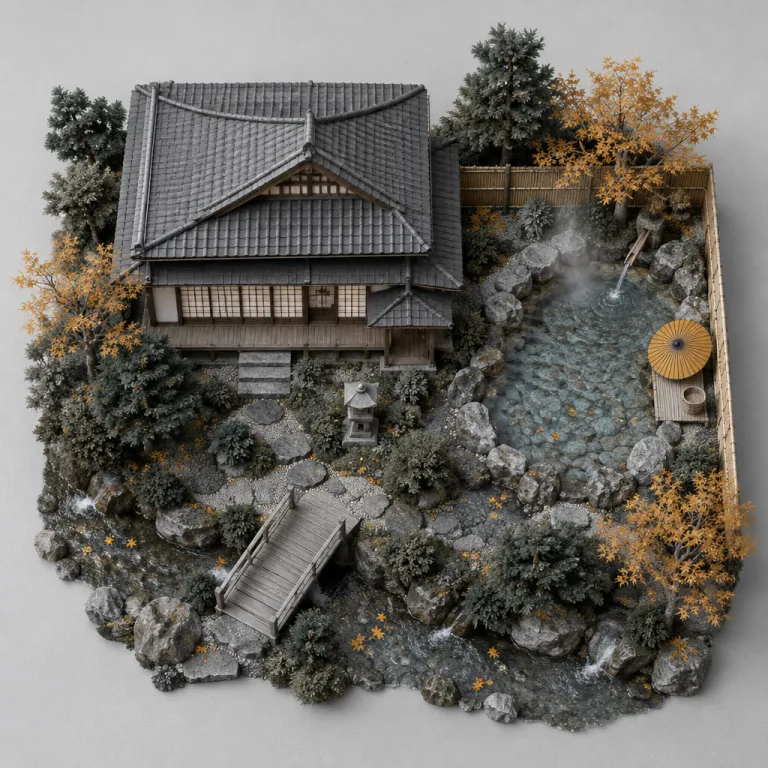
Why onsen Takayama Japan is a benchmark for refined hot spring travel
Onsen Takayama Japan represents a rare balance between mountain seclusion and polished hospitality. In this compact city in Gifu Prefecture, the onsen culture of Hida blends with refined ryokan and hotel service, creating a setting where you can enjoy deep relaxation without sacrificing comfort. The result is a destination where every hot spring stay feels both authentically Japanese and reassuringly premium.
Takayama city sits in the heart of the Hida region, and its hot springs draw mineral rich water from surrounding peaks. Within Takayama onsen you find spring baths attached to traditional Japanese ryokan, contemporary hotels, and discreet private suites, each designed for unhurried bathing rituals. This concentration of hot springs in a walkable city makes onsen Gifu travel especially convenient for first time visitors to Japan.
According to tourism statistics cited by Japan Guide and Gifu Prefecture, around 1.2 million visitors arrive in Takayama each year. Many of these guests choose an onsen Takayama stay specifically for health focused hot spring experiences and cultural immersion in Hida Takayama. With roughly 20 onsen facilities in the wider hot spring area, based on Japanese onsen directories, discerning travelers can compare different baths, rooms, and service styles before committing to a particular ryokan or hotel.
Signature hot spring stays in Takayama city for luxury seekers
Within Takayama city, three properties stand out for travelers who value both design and water quality. Takayama Green Hotel offers two distinct onsen experiences, pairing large public baths with more intimate spring baths that suit couples or small groups. Its location a short walk from Takayama station allows you to arrive from Nagoya station, drop your luggage, and enjoy your first hot bath within minutes.
Hida Hotel Plaza focuses on open air baths and carefully designed private onsen spaces, ideal for guests who want to enjoy the hot spring without sharing with larger groups. The hotel’s upper floor air baths frame Takayama city rooftops and distant Hida mountains, creating a sense of floating above the urban station district. For travelers comparing options in onsen Takayama Japan, this property works well if you prefer hotel style rooms over more traditional Japanese interiors.
Honjin Hiranoya Bekkan Ryokan, by contrast, leans into classic ryokan aesthetics while still offering private baths and open air tubs. Here, tatami rooms, seasonal kaiseki cuisine, and attentive staff create a slower rhythm that suits longer hot spring stays in Hida Takayama. When you are planning a wider circuit of refined bathing culture, you can pair Takayama onsen with other heritage rich retreats such as a stone sauna experience on the Seto Inland Sea, described in detail through this Kamakura era bathing tradition feature.
Okuhida onsen and Hirayu onsen: mountain retreats near Takayama
Beyond Takayama city, the Okuhida onsen area offers a more secluded interpretation of onsen Takayama Japan. Here, hot springs bubble up in forested valleys, and many ryokan position their open air baths to face snow capped peaks or river gorges. Travelers who value silence and mountain air often choose Okuhida onsen for at least one night, then return to Takayama station the next day.
Hirayu onsen is the most accessible of these villages, sitting at the gateway to Okuhida and reachable in roughly forty to fifty minutes by bus from Takayama station. In this Hirayu area, traditional Japanese inns cluster around steaming vents, and many properties offer both indoor spring baths and outdoor air baths under cedar roofs. Because the hot water here is especially rich in minerals such as calcium and magnesium, Hirayu onsen is popular with guests seeking relief from fatigue and muscle tension after hiking in the Hida mountains.
Luxury focused travelers often split their stay between a city based hotel in Takayama onsen and a quieter ryokan in the Okuhida area. This combination allows you to enjoy the restaurants and markets of Takayama city while still experiencing the deep calm of mountain hot springs. For those planning a broader itinerary of refined ryokan stays across Japan, resources such as this guide to refined ryokan stays in Kinosaki Onsen can help you benchmark service levels and room standards before booking Okuhida properties.
Access, stations, and timing your onsen stay in Hida Takayama
Reaching onsen Takayama Japan is straightforward, which makes it attractive for international guests planning their first hot spring trip. Most travelers arrive via Nagoya station, then continue by limited express train to Takayama station, where many hotels and ryokan offer shuttle services. From this compact station hub, you can reach city based hot springs on foot or travel to the Okuhida area and Hirayu onsen in under sixty minutes by bus.
Once in Takayama city, the layout favors walking, and many hot spring hotels sit within ten to fifteen minutes of the station. This proximity allows you to check in, change into a yukata, and enjoy your first bath soon after arrival, rather than spending extra hours in transit. For Okuhida onsen and Hirayu onsen, expect around forty to fifty minutes by bus, and confirm the exact Nohi Bus schedule in advance, especially during winter when snow can affect timing.
As you plan dates, remember that Takayama’s onsen operate year round, with each season offering a distinct mood. Spring brings cherry blossoms around the city baths, summer frames open air baths with lush greenery, autumn surrounds hot springs with vivid foliage, and winter turns outdoor air baths into serene snow scenes. Local guidance notes that “Each season offers unique experiences; choose based on personal preference.”
Choosing between private baths, open air tubs, and shared spring baths
One of the most important decisions when booking onsen Takayama Japan is the style of bathing environment you prefer. Shared public baths offer the most traditional Japanese experience, with separate facilities for men and women and a calm, social atmosphere. Private baths, whether attached to your room or bookable by the hour, suit couples, families, and guests who feel less comfortable in communal spaces.
In Takayama onsen and the wider onsen Gifu region, many high end ryokan now offer rooms with attached open air baths, allowing you to enjoy the hot spring water in complete privacy. These private air baths often face inner gardens or mountain views, and they are especially appealing during winter when steam rises against falling snow. When comparing rooms, check whether the bath uses true hot spring water or heated tap water, as only the former delivers the full mineral rich benefits associated with Hida hot springs.
Some travelers prefer to combine both styles, using shared spring baths for a more social rhythm and retreating to a private bath later in the evening. This approach works particularly well in larger properties such as Takayama Green Hotel or Hida Hotel Plaza, where multiple baths and rooms types allow you to vary your routine. For those designing a multi region itinerary of refined hot spring stays, curated services such as this Tohoku travel service for refined onsen stays can help you compare different private and open air options across Japan.
Gastronomy, etiquette, and premium booking tips in Takayama onsen
Dining is central to the onsen Takayama Japan experience, and many ryokan build their reputation on cuisine. In Hida Takayama, the signature ingredient is Hida beef, a marbled local wagyu often served as grilled slices, shabu shabu, or on small hot plates in your room. When booking, confirm whether dinner includes Hida beef and whether the property can adapt menus for dietary needs without compromising the traditional Japanese kaiseki structure.
Understanding etiquette will help you enjoy both city baths and mountain hot springs with confidence. Always wash thoroughly before entering any bath, keep towels out of the water, and move quietly in shared spaces, as many guests come specifically for rest. Some facilities may have tattoo restrictions, so it is wise to check policies in advance, especially if you plan to use multiple spring baths across the Takayama onsen area.
For premium bookings, prioritize properties that clearly state water source details, room sizes, and the number of baths available to guests. Look for hotels and ryokan that integrate both traditional Japanese design and modern comforts, such as quality bedding, efficient climate control, and multilingual staff. When you align these practical elements with the natural appeal of Hida hot springs, your stay in Takayama city, Okuhida onsen, or Hirayu onsen will feel both deeply relaxing and impeccably organized.
Key figures for onsen stays in Takayama and Hida
- Takayama welcomes around 1.2 million visitors per year, according to Japan Guide and regional tourism data, which means advance booking is essential for peak seasons such as cherry blossom and autumn foliage.
- The wider Takayama onsen area offers roughly 20 onsen facilities, based on Japanese onsen directories, giving travelers a broad choice of ryokan, hotel, and public bath styles.
- Travel time from Nagoya station to Takayama station by limited express train is typically around 2 hours and 20 minutes, according to JR timetable information, making onsen Takayama Japan a practical two or three night extension to a central Japan itinerary.
- Bus journeys from Takayama station to Hirayu onsen usually take about 40 to 50 minutes on Nohi Bus services, so guests can comfortably enjoy a day trip to Okuhida hot springs while staying in Takayama city.
FAQ about onsen Takayama Japan for luxury and premium travelers
What is the best time to visit onsen in Takayama and Hida ?
Each season offers a distinct atmosphere, from cherry blossoms in spring to snow covered open air baths in winter. Local guidance states, “Each season offers unique experiences; choose based on personal preference.” For luxury travelers, shoulder seasons often provide the best balance of availability, calm, and scenic beauty.
Are there onsen facilities in Takayama that allow tattoos ?
Policies vary between hotels, ryokan, and public baths in Takayama onsen and the wider onsen Gifu region. Some facilities permit tattoos, sometimes with the condition that they are covered with patches or sleeves. Because rules can change, it is advisable to contact your chosen property directly before booking, especially if you plan to use shared spring baths.
Can I experience traditional Japanese culture at Takayama’s onsen ?
Yes, many ryokan in Hida Takayama integrate tatami rooms, seasonal kaiseki meals, and classic architecture with their hot springs. Local information confirms that “Yes, many onsen incorporate traditional architecture and customs.” Choosing a property in Takayama city or the Okuhida area that emphasizes cultural programming, such as tea ceremonies or local craft introductions, will deepen this experience.
What types of rooms and baths are best for a luxury stay ?
For maximum privacy, select rooms with attached open air baths that draw directly from the hot spring source. Guests who enjoy variety may prefer larger hotels such as Takayama Green Hotel or Hida Hotel Plaza, which offer multiple indoor and outdoor baths alongside standard and suite style rooms. Couples and families often appreciate reservable private baths, which allow relaxed bathing without the formality of larger shared spaces.
How far are Okuhida onsen and Hirayu onsen from Takayama station ?
From Takayama station, buses reach Hirayu onsen in roughly 40 to 50 minutes, depending on traffic and weather. Okuhida onsen villages beyond Hirayu require a slightly longer ride, but they remain practical as either overnight stays or extended day trips. Many ryokan in the Okuhida area provide clear access instructions and may coordinate with local bus schedules to simplify arrivals and departures.