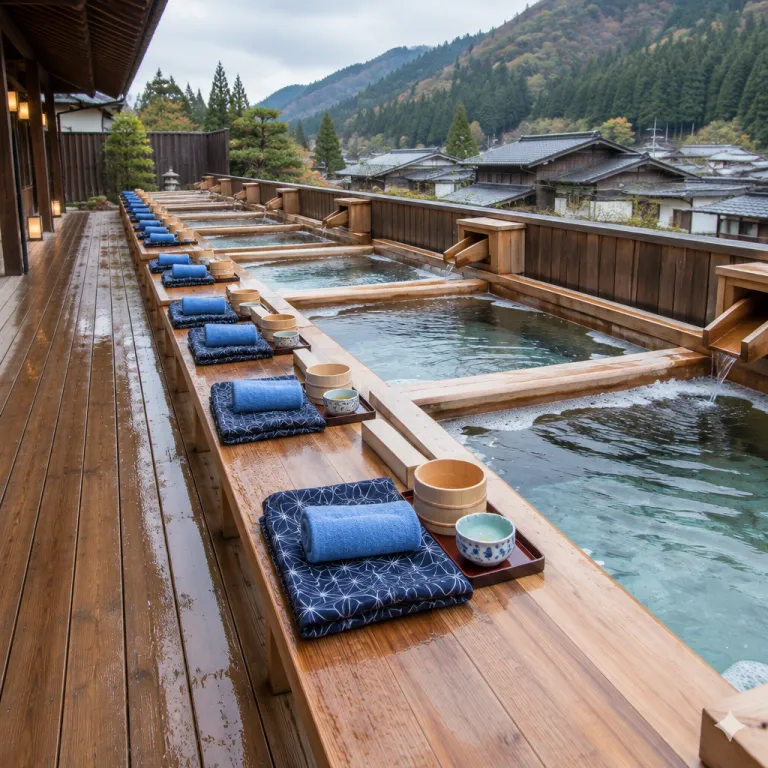
Why hanaougi bettei iiyama in takayama defines refined onsen travel
In the quiet northern quarter of Takayama, hanaougi bettei iiyama offers a serene hot spring retreat shaped by Hida craftsmanship and a strong emphasis on private onsen. This intimate ryokan blends traditional Japanese architecture with discreet modern comfort, creating an experience that feels both timeless and carefully curated for the contemporary guest. Every stay here places you between Takayama’s preserved old town and the forested foothills of the Hida mountains, with your room functioning as a calm base for exploring the region.
The property forms part of the respected hidatei hanaougi group, and hanaougi bettei iiyama is its more secluded wing with a focus on private onsen indulgence. Guests often pair one night at hidatei hanaougi with another night at hanaougi bettei to compare atmospheres, moving between the main house and the quieter bettei annex by a short shuttle ride. This dual stay allows you to experience both the social rhythm of a classic ryokan and the hushed calm of a retreat where private guest spaces dominate, while enjoying a consistent standard of service and cuisine.
When travellers search for “hanaougi bettei iiyama takayama japan”, they are usually seeking a hot spring inn that balances authenticity with ease of access. The ryokan sits a short drive from Takayama Station, yet the surrounding streets feel residential and unhurried, especially in the early hours before sightseeing buses arrive. From here, the Hida region’s seasonal highlights, from morning markets to mountain passes, are within comfortable reach while your guest room remains a sanctuary of quiet, with staff on hand to help coordinate local excursions.
Access from nagoya station and takayama station by limited express
Reaching hanaougi bettei iiyama from Nagoya Station is straightforward, which matters when you are planning a short luxury stay. Most international guests take the Limited Express Hida train, a comfortable service that winds through river valleys and delivers you to Takayama Station in around two and a half hours. From Takayama, the ryokan’s shuttle usually collects guests on a fixed schedule published by the property (typically several pick-up times in the afternoon and early evening), so you move from train carriage to guest room with minimal effort.
For travellers comparing hot spring destinations, this ease of access gives Takayama an advantage over more remote Hida villages that require multiple transfers. The limited express route allows you to leave Nagoya Station after breakfast and be soaking in a hot spring bath before lunch, which is ideal if you only have 24 hours in the region. When you book, confirm shuttle times in advance with the ryokan by using the exact wording from your train ticket, especially if your arrival falls outside standard check in hours or during peak foliage and snow seasons.
Some guests choose to stay first at hidatei hanaougi, closer to the main road, then transfer by shuttle to hanaougi bettei iiyama for a second night of deeper quiet. This combination lets you experience both the larger property’s public spring baths and the more intimate atmosphere of the bettei, where rooms with private onsen are the highlight. For more context on the city’s bathing culture and neighbourhoods, it is worth reading a dedicated guide to Takayama onsen elegance in the Hida mountains before finalising your itinerary, especially if you plan to connect onward to other regional hot spring towns.
Guest rooms, private onsen and traditional Japanese comfort
The guest rooms at hanaougi bettei iiyama are designed as calm, low rise spaces that frame the seasons of Takayama. Each guest room follows a traditional Japanese layout with tatami flooring, sliding shoji screens and futon beds that attendants prepare in the evening hours. This style of room encourages you to slow down, sit on the floor, and notice the textures of Hida timber and handmade paper around you, with lighting kept soft to highlight natural materials.
Many guest rooms feature private open air hot spring baths on a terrace or in a semi enclosed garden, which is the main reason discerning travellers choose hanaougi bettei over a standard city hotel. These rooms with private onsen allow you to bathe at any hour without sharing the space, which is especially valued by couples, families and guests who feel shy in communal spring baths. When booking, check whether your preferred room category includes a private spring bath, a covered open air tub or only access to the ryokan’s shared onsen facilities; the official website lists current room types, typical nightly rates and seasonal plans, with recent sample prices for rooms with private open air baths often starting from the mid to high ¥40,000 range per person including dinner and breakfast.
Inside, the rooms balance tradition and convenience with low seating, alcoves for seasonal flower arrangements and carefully hidden modern amenities. Some guest rooms include separate lounges, giving private guest parties more space to relax between kaiseki meals and onsen sessions. One guest described sliding open the terrace door after dinner to find steam drifting from the cedar tub while snowflakes settled on the garden stones, a quiet moment that captured the appeal of staying in a Hida style ryokan and illustrated how the property’s design draws the outdoors into the bathing experience.
Hot spring baths, open air soaking and the rhythm of onsen hours
The hot spring water at hanaougi bettei iiyama is piped from a local Takayama onsen source, known for its gentle feel on the skin. Communal spring baths are separated by gender and usually rotate between indoor pools and open air hot spring tubs, giving guests different atmospheres across the day. Bathing hours typically extend from early morning until late at night, so you can choose quiet times when only a few other guests are present, or visit just after dinner when the baths are often at their most peaceful.
For those staying in rooms with private open air hot spring baths, the experience becomes more personal and unhurried. You can step from your tatami room directly into an air hot mist above the steaming water, listening to wind in the trees or distant city sounds from Takayama fading into the background. These baths private to each room are especially appealing in winter, when snow settles on the wooden railings while the spring bath remains comfortably warm, and in early autumn when cool night air contrasts with the heat of the water.
Guests who split their stay between hidatei hanaougi and hanaougi bettei can compare different styles of onsen architecture, from larger indoor pools to compact private guest terraces. Both properties emphasise the etiquette of Japanese bathing, encouraging a slow, mindful approach rather than a rushed dip between activities. If you are planning a longer journey through Japan’s hot spring regions, consider pairing Takayama with a northern itinerary such as the elegant escapes to onsen in Hokkaido, where open air baths face snowfields and sea cliffs and offer a contrasting coastal landscape.
Kaiseki dining and the flavours of hida at hanaougi bettei iiyama
Dining is central to the experience at hanaougi bettei iiyama, where seasonal kaiseki menus showcase Hida’s mountain produce. Dinner is usually served in private guest rooms or in intimate dining spaces, allowing each guest party to enjoy a quiet progression of courses without distraction. Expect Hida beef grilled at the table, river fish, local vegetables and delicately seasoned broths that reflect the current season in Takayama, with presentation that highlights regional ceramics and lacquerware.
The kaiseki style emphasises balance, so portions are measured and courses arrive over several hours, encouraging you to slow your pace. This rhythm pairs naturally with a hot spring stay, as many guests bathe in the onsen before dinner, then return to their guest room for a final spring bath before sleeping on futon beds. Breakfast continues the theme with Japanese sets featuring grilled fish, rice, miso soup and small side dishes, though some rooms may offer a Western option on request, which is helpful for guests easing into traditional flavours.
Because hanaougi bettei is part of the wider hanaougi and hidatei hanaougi family, the kitchen benefits from established supplier relationships across the Hida region. Guests who stay multiple nights can request menu variations, which is useful if you prefer lighter dishes or have dietary restrictions that require careful planning. For travellers designing a broader hot spring route through central Japan, resources such as the Shinshu onsen heartland guide through Nagano’s hot springs can help you compare regional kaiseki styles from Hida to Shinshu, including differences in mountain vegetables, miso profiles and sake pairings.
Planning your stay and choosing between top hot spring destinations
When comparing top hot spring destinations in Japan, hanaougi bettei iiyama in Takayama appeals to travellers who value privacy, craftsmanship and easy rail access. The combination of traditional Japanese guest rooms, private onsen options and attentive shuttle service from Takayama Station makes it especially suitable for first time visitors to the Hida region. Those who prioritise nightlife or shopping may prefer larger cities, but for a focused onsen experience with strong regional character, this ryokan stands out as a calm alternative to busier resort towns.
Many guests structure their itinerary around the Limited Express Hida timetable, spending one or two nights in Takayama before continuing to other hot spring areas. A common pattern is to arrive from Nagoya Station, stay at hanaougi bettei iiyama or hidatei hanaougi, then travel onward to Gero Onsen, Kanazawa or the Japanese Alps. This approach allows you to compare different spring baths, from riverside open air pools to more formal indoor facilities, while keeping travel hours manageable and leaving time for local walks or short cultural visits.
For travellers focused on luxury and premium booking platforms, pay attention to room descriptions, as terms like “rooms private open air bath” or “guest rooms with private onsen” can indicate significant differences in layout and price. Check whether your chosen room includes a private spring bath, access only to communal baths private to each gender, or a combination of both. By aligning your expectations with the specific features of hanaougi bettei, bettei iiyama and the wider hanaougi group, and by confirming details directly with the property or a trusted agent, you can ensure that your stay in Takayama matches the quiet, restorative experience you are seeking without last minute surprises.
Key figures on Japanese hot spring travel and takayama stays
- According to the Japan Tourism Agency’s “Onsen Utilization Situation” survey (most recently summarised in 2022), Japan has roughly 3,000 officially registered onsen areas and more than 27,000 individual hot spring sources, illustrating how competitive destinations like Takayama must differentiate through service and design (figures cited from the agency’s published statistical tables).
- Data released by the Japan National Tourism Organization for the late 2010s shows that Gifu Prefecture, which includes Takayama and the wider Hida region, recorded several million overnight stays by international visitors in recent pre pandemic years, with a significant share choosing traditional ryokan style accommodation according to JNTO’s regional tourism reports.
- Surveys by the Japan Ryokan and Hotel Association, summarised in its member trend reports, indicate that private open air baths in guest rooms are among the top three requested amenities for high end onsen stays, alongside kaiseki dinners and convenient access from major stations such as Nagoya Station, based on responses from participating member properties.
- Rail statistics published by JR Central on its annual fact sheets highlight that the Limited Express Hida service between Nagoya and Takayama carries hundreds of thousands of passengers annually, underlining why properties like hanaougi bettei iiyama emphasise shuttle connections from Takayama Station and encourage guests to share exact train times when reserving.
FAQ about hanaougi bettei iiyama and takayama hot spring stays
How do I reach hanaougi bettei iiyama from Nagoya Station ?
Take the Limited Express Hida train from Nagoya Station to Takayama Station, which usually takes around two and a half hours. From Takayama, arrange the ryokan’s shuttle in advance so staff can meet your train and transfer you directly to hanaougi bettei iiyama. Taxis are also available, but the shuttle is more convenient if you have luggage or arrive during busy hours, and the property’s confirmation email typically lists the latest pick-up times.
What is the difference between hidatei hanaougi and hanaougi bettei iiyama ?
Hidatei hanaougi is the main property with a slightly larger scale and more communal spring baths, while hanaougi bettei iiyama is a quieter annex style ryokan with a stronger focus on private guest spaces. Many travellers stay one night at hidatei hanaougi to enjoy its facilities, then move by shuttle to hanaougi bettei for a more secluded second night. Both share the same commitment to Hida craftsmanship, kaiseki cuisine and attentive service, so the choice often comes down to whether you prefer a livelier atmosphere or a more retreat like setting.
Do all guest rooms have private onsen baths ?
Not every guest room at hanaougi bettei iiyama includes a private onsen, so it is important to check room descriptions carefully when booking. Some rooms offer private open air hot spring baths on a terrace, while others rely on access to the ryokan’s communal spring baths. If a private spring bath is essential for your stay, choose a category that clearly states “rooms with private open air bath” or similar wording, and confirm this detail in your reservation correspondence.
Is hanaougi bettei iiyama suitable for first time visitors to Japan ?
Yes, the ryokan is well suited to first time visitors who want an authentic yet comfortable introduction to Japanese hot spring culture. Staff are accustomed to international guests and can explain onsen etiquette, kaiseki dining and the use of futon beds in clear, patient detail. The straightforward rail access from Nagoya Station and the organised shuttle from Takayama Station make logistics manageable even if you do not speak Japanese, and front desk staff can often assist with simple restaurant or taxi arrangements in town.
How many nights should I stay in Takayama for a hot spring focused trip ?
For a trip centred on hot spring relaxation, one or two nights at hanaougi bettei iiyama or hidatei hanaougi is usually ideal. A single night allows you to enjoy multiple baths, a full kaiseki dinner and breakfast, while two nights give you time to explore Takayama’s old town and Hida villages without rushing. Travellers combining several onsen destinations often allocate two nights in Takayama before moving on to other hot spring regions, using the Limited Express Hida timetable to plan smooth connections.