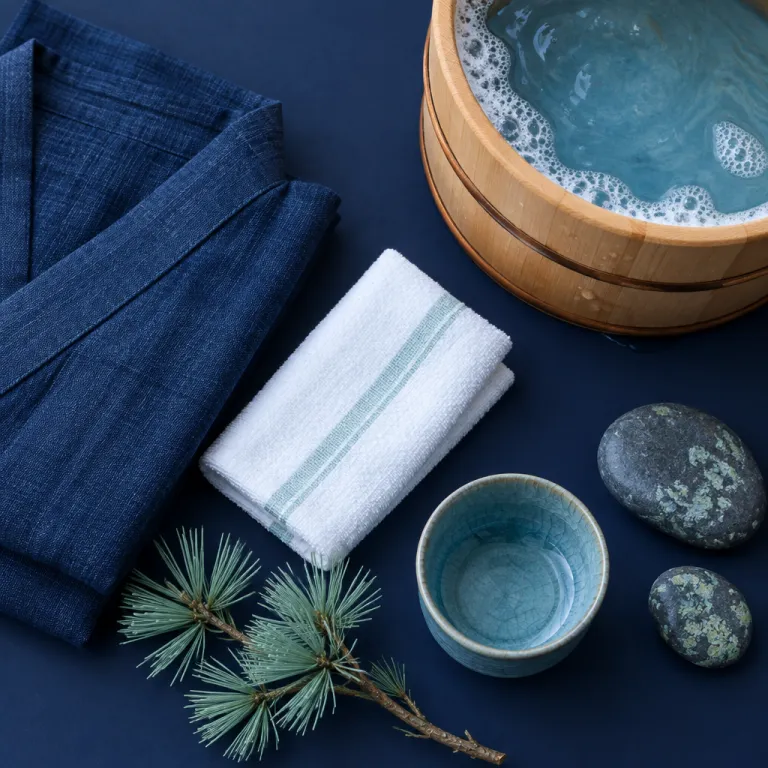
Why onsen Takayama Japan belongs on every hot spring shortlist
Onsen Takayama Japan offers a rare blend of mountain calm and refined hospitality. In this compact Hida region city, traditional Japanese culture, hot spring rituals, and thoughtful service come together in a way that feels both intimate and quietly luxurious. The result is a destination where every hot spring bath, every ryokan room, and every walk through Takayama city streets can feel like a curated experience.
The wider onsen Gifu region is known for mineral rich hot springs, yet Takayama onsen stands out for its balance of access and atmosphere. You arrive at Takayama station, step into the preserved old town, and within minutes you can be soaking in open air baths framed by dark timber and lantern light. This proximity between station, city, and onsen area makes Takayama onsen ideal for travellers who want to enjoy deep relaxation without sacrificing time in transit.
Local tourism data and Japan Guide estimates indicate that around 1.2 million visitors come to Takayama city each year, and a significant share now prioritise private hot spring experiences. Many of these guests choose a ryokan or hotel with both public baths and private spring baths, allowing them to enjoy the social side of Japanese bathing while also reserving a secluded room with its own tub. A manager at one long running ryokan notes that “international guests often book specifically for rooms with in room onsen, then add a second night to try the larger outdoor baths.” For luxury and premium booking platforms, onsen Takayama Japan therefore represents a strategic hub where curated hot springs, refined rooms, and efficient rail access intersect.
From Takayama station to Hida’s finest hot springs and mountain retreats
Arriving at Takayama station, you immediately sense how compact the city is. The walk from the station to many leading ryokan and hotel properties takes only a few minutes, yet the atmosphere shifts quickly from transport hub to quiet streets lined with traditional Japanese houses. This ease of movement is crucial for premium travellers who want to enjoy both the city and the hot spring area without complex transfers.
For deeper immersion in the Hida mountains, travellers often continue beyond Takayama city towards Okuhida onsen and the Hirayu onsen area. Buses leave from the Takayama Nohi Bus Center beside the station, and within roughly sixty to ninety minutes by bus on the Hirayu / Shinhotaka lines you reach Okuhida, where open air baths look directly onto forested slopes and snow capped peaks. These Okuhida hot springs complement the more urban style of Takayama onsen, giving guests the option to split their stay between a central city hotel and a remote ryokan with dramatic open air baths.
Luxury booking sites increasingly highlight this combination of Takayama onsen and Okuhida onsen as a single curated journey through onsen Gifu. Travellers can enjoy a first night in Hida Takayama, exploring the morning markets and sake breweries, then transfer by direct bus connections into the Okuhida area for deeper quiet, stopping at Hirayu onsen before continuing to smaller villages such as Fukuji or Shinhirayu. For readers interested in how contemporary hot spring destinations are being reimagined for design conscious travellers, the story of a modern lagoon style retreat in Iceland offers a useful comparison, and you can explore that evolution in this article on how Earth Lagoon is reimagining Mývatn’s famous baths for a new generation of travelers.
Signature stays: Takayama Green Hotel, Hida Hotel Plaza, and Honjin Hiranoya Bekkan
Within Takayama city itself, three properties consistently stand out on luxury and premium booking platforms. Takayama Green Hotel, Hida Hotel Plaza, and Honjin Hiranoya Bekkan each offer distinct onsen experiences, yet all combine traditional Japanese aesthetics with modern comforts. For travellers comparing options, the differences in rooms, baths, and location around the city can help refine the perfect stay.
Takayama Green Hotel is known for offering two separate onsen experiences, which allows guests to enjoy varied hot spring atmospheres without leaving the hotel. Some higher category rooms include semi open air baths on private balconies, while standard rooms rely on the shared indoor and outdoor pools. Hida Hotel Plaza focuses on both open air baths and private hot spring facilities, appealing to couples and families who value seclusion as much as shared bathing. Honjin Hiranoya Bekkan, a classic ryokan near the old town, features open air baths and private tubs that frame the rooftops of Hida Takayama, creating a strong sense of place.
When you compare these properties on a premium booking website, pay close attention to room descriptions, as some categories include in room spring baths while others rely on shared facilities. Guests who want to enjoy a private bath after late evening walks through Takayama city should prioritise suites with their own tubs, while those more interested in large open air baths may focus on the main onsen areas. For a broader perspective on refined hot spring hospitality near major cities, you can look at an elegant hot spring retreat near Tokyo described in this feature on Furuya Ryokan in Atami, which illustrates how traditional Japanese service can be adapted for modern luxury travellers.
Okuhida, Hirayu, and the art of the open air bath
Beyond the compact streets of Takayama city, the Okuhida and Hirayu onsen area offers a more elemental encounter with water, rock, and sky. Here, open air baths are often carved into natural stone, with steam rising against a backdrop of cedar forest and high Hida peaks. Travellers who have already enjoyed the structured comfort of Takayama onsen often extend their stay to include at least one night in this wilder setting.
Hirayu onsen is the most accessible of the Okuhida hot springs, and many buses from Takayama station stop here first before continuing deeper into the valley. Ryokan in this area typically feature multiple baths, including mixed gender open air baths in some cases and separate men’s and women’s air baths in others. Because the hot spring water emerges at naturally high temperatures, properties carefully manage flow and cooling to ensure that each bath remains comfortable while preserving the mineral profile that onsen Gifu is known for.
Okuhida onsen villages further along the valley tend to be quieter, with fewer rooms and a stronger emphasis on private bathing. Many ryokan offer at least one reservable private room bath, allowing guests to enjoy the hot spring in complete privacy while still accessing larger shared baths at other times. A frequent visitor describes the contrast as “waking up in Takayama to temple bells and market chatter, then falling asleep in Okuhida with only the sound of the river and the wind in the cedars.” For travellers who value both Takayama city’s cultural life and the seclusion of mountain hot springs, combining Takayama onsen with Okuhida onsen creates a layered itinerary that feels both efficient and deeply restorative.
Planning your journey: access from Nagoya station and onsen etiquette
Reaching onsen Takayama Japan is straightforward from major hubs, especially Nagoya station. Many travellers take a limited express train from Nagoya station to Takayama station, enjoying views of the Hida River and forested slopes along the way. This rail link makes it easy to include Takayama city and its hot springs in a wider Japan itinerary that might also feature Kyoto, Kanazawa, or Tokyo.
Once in Takayama, local buses connect the station with the Okuhida and Hirayu onsen area, with journey times measured in minutes rather than hours of complex transfers. Because onsen culture is deeply rooted in traditional Japanese customs, it is essential to understand basic etiquette before entering any hot spring baths. Guests should wash thoroughly at the shower stations, enter the bath slowly to allow their body to adjust to the hot water, and keep towels out of the shared baths to maintain hygiene.
Some facilities in Takayama onsen and the wider onsen Gifu region may have restrictions regarding tattoos, while others are more flexible, especially those catering to international visitors. Official guidance from local tourism boards emphasises that “Some facilities allow tattoos; it's best to check with the specific onsen beforehand.” Luxury booking websites can add value here by clearly indicating tattoo policies, gender separated facilities, and the availability of private spring baths or in room tubs, helping guests choose the right hotel or ryokan before they arrive.
Curating luxury: private baths, Hida beef cuisine, and refined booking choices
For travellers using a premium booking website, the real art lies in matching specific onsen experiences with personal preferences. Some guests prioritise private hot spring baths attached to their room, while others seek large open air baths with views over Takayama city or the Hida mountains. Reading room descriptions carefully and checking floor plans or photos is essential when choosing between a hotel and a ryokan in the Takayama onsen area.
Many high end properties in onsen Takayama Japan also highlight regional cuisine, especially Hida beef, which is often served in multi course kaiseki dinners. A ryokan stay might include Hida beef grilled at the table, seasonal river fish, and local vegetables, all enjoyed after a long soak in the hot springs. When comparing rooms and plans, look for packages that combine access to multiple baths, at least one private bathing slot, and a full course dinner that showcases Hida beef in both classic and more contemporary preparations.
Some travellers also seek out specific names such as bettei Iiyama or Hanaougi Bettei when researching stays in the wider Hida region, as these properties are associated with refined service and carefully designed rooms. While each property has its own character, they share a commitment to traditional Japanese hospitality, quiet public spaces, and thoughtfully maintained spring baths. For those interested in extending their journey beyond Takayama, a refined gateway to hidden hot spring retreats in Kyoto can be explored through this in depth feature on a ryokan in Kyoto, which shows how similar values of discretion, craftsmanship, and respect for local culture shape luxury onsen stays across Japan.
Key statistics on Takayama onsen and hot spring travel
- Takayama hosts around 1.2 million visitors annually, according to Japan Guide and figures cited by local tourism authorities, which places the city among the most visited mountain destinations in central Japan and supports a sophisticated network of hotels, ryokan, and hot spring facilities.
- There are approximately 20 onsen facilities in and around Takayama, based on data compiled by Japanese onsen information platforms and municipal tourism listings, giving travellers a wide choice of public baths, hotel onsen, and ryokan spring baths within a relatively compact area.
- Onsen in Takayama and the wider onsen Gifu region operate year round, with tourism boards highlighting distinct seasonal experiences such as cherry blossoms in spring and snow views in winter, which encourages repeat visits across different months.
- Local authorities and tourism partners report a clear increase in demand for private onsen experiences among international guests, which has led many hotels and ryokan to add more in room baths and reservable private rooms alongside traditional shared facilities.
FAQ about onsen Takayama Japan and Hida hot springs
What is the best time to visit onsen in Takayama ?
Onsen in Takayama can be enjoyed throughout the year, and each season offers a different mood. Spring brings cherry blossoms along the rivers, summer offers lush greenery, autumn highlights vibrant foliage, and winter frames open air baths with snow. Because facilities operate year round, you can choose the season that best matches your ideal hot spring atmosphere.
Are there onsen facilities in Takayama that allow tattoos ?
Policies vary between properties, so it is important to check in advance. Some hotel onsen and ryokan in Takayama city and the wider onsen Gifu region do accept guests with tattoos, especially when private baths or in room tubs are available. The most reliable approach is to confirm directly with the property or through your booking platform before finalising a reservation.
Can I experience traditional Japanese culture at Takayama’s onsen ?
Many onsen in Takayama are closely linked with traditional Japanese architecture, cuisine, and seasonal festivals. Staying at a ryokan with tatami rooms, kaiseki dinners, and shared hot spring baths allows you to experience customs that have been refined over generations. Walking from your room in a yukata robe to the baths, then returning for Hida beef and local sake, creates a cultural immersion that extends well beyond simple accommodation.
How do I travel from Nagoya station to Takayama onsen and Okuhida ?
The most convenient route is to take a limited express train from Nagoya station to Takayama station, a journey that passes through scenic river valleys and forested hills. From Takayama station, buses connect to the Okuhida and Hirayu onsen area, with travel times typically under two hours depending on the specific village. This combination of rail and direct bus connections makes it practical to include both Takayama city and remote mountain hot springs in a single trip.
What types of accommodation are available for luxury travellers in Takayama ?
Luxury travellers can choose between full service hotels such as Takayama Green Hotel and Hida Hotel Plaza, and more intimate ryokan like Honjin Hiranoya Bekkan. Many of these properties offer a mix of shared open air baths, private spring baths, and rooms with in room tubs, along with multi course dinners featuring Hida beef. Premium booking websites allow you to filter by features such as private baths, proximity to Takayama station, or access to Okuhida onsen, helping you tailor the stay to your preferences.