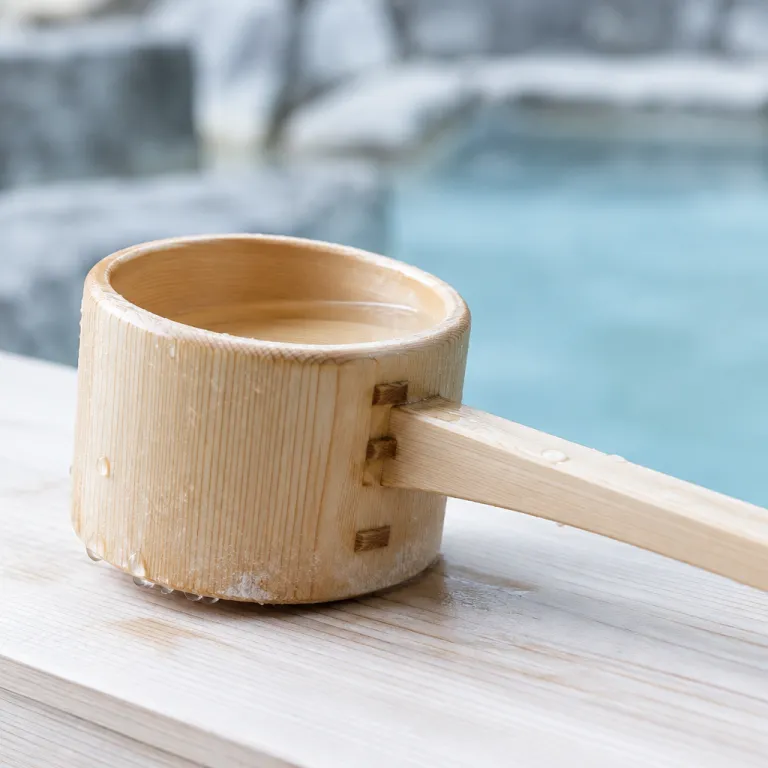
Aura Tachibana Hakone as a refined onsen ryokan retreat
Aura Tachibana Hakone sits above Hakone Yumoto, balancing convenience with calm. This elegant onsen ryokan blends traditional Japanese style with understated contemporary comfort, creating a quiet base for exploring the wider Hakone area of Japan. Guests who value refined service and thoughtful details will find the hotel’s atmosphere especially appealing.
The ryokan is a short ride of around five minutes by taxi from Hakone Yumoto Station, yet the hillside setting feels removed from the bustle of central Hakone. Many rooms look toward the forested Sukumo River valley and the distant mountains, so the air feels cooler and cleaner than in nearby Tokyo or Shinjuku. This sense of elevation continues on the sky terrace, where the open air and changing light give Aura Tachibana a distinctive character at different hours of the day.
Inside, the property is divided into two main wings that highlight different interpretations of Japanese style rooms. Some rooms emphasize tatami, shoji screens, and low furniture, while others introduce Western beds and a more minimal style room layout. Across these varied rooms, the constant is a focus on hot spring access, whether through shared spring baths or the option of a private onsen in selected categories.
For many guests, the main reason to reserve a stay at Aura Tachibana Hakone is the onsen experience. The ryokan draws natural hot spring water from the Hakone hot springs network, known across Japan for its mineral rich qualities and soft feel on the skin. You can move between indoor pools and open air baths, letting the contrast between hot water and cool mountain air deepen the sense of relaxation.
Because this is an onsen ryokan rather than a large resort hotel, the scale remains intimate, with under 60 guest rooms according to the hotel’s own accommodation overview. Staff have time to explain bathing etiquette, meal timings, and how to make the most of the hot spring facilities in both the men’s and women’s spring baths. For travelers new to Hakone, that guidance can make the difference between a simple stay and a genuinely restorative hot spring retreat.
Rooms, style, and the quiet luxury of Japanese hospitality
Guest rooms at Aura Tachibana Hakone are designed around the idea of retreat, not display. Even the simplest room offers a calm palette, soft lighting, and a layout that encourages you to slow down between onsen sessions. Larger rooms add separate seating areas, giving couples or friends more space to stretch out after a long day in Hakone.
Travelers can choose between fully Japanese style rooms with futons on tatami and hybrid style room options that combine beds with traditional elements. In the Japanese style wing, sliding doors open to low tables where kaiseki dinners can be served in room, while in other rooms guests may dine in the restaurant and return later to a turned down bed. Across these rooms, the use of wood, paper, and natural fabrics keeps the atmosphere warm rather than overly formal.
Some higher category rooms at this ryokan include a private onsen, often in the form of a compact open air bath on a balcony or terrace. Soaking in a private onsen with only the sound of wind in the trees and the faint murmur of Hakone Yumoto below is a highlight for many repeat guests. One returning visitor described it simply as “the quietest hour of my entire trip,” a sentiment that captures the appeal of these private air bath setups for travelers who prefer more privacy than shared spring baths can offer.
Even if you choose a room without its own hot spring bath, the shared facilities remain close and easy to access. The hotel’s layout keeps walking distances short, so you can move from your room to the onsen area in just a few minutes, wrapped in a yukata. This proximity encourages guests to bathe several times a day, which is one of the quiet pleasures of staying in an onsen ryokan in the Hakone region.
For travelers comparing different hot spring stays across Japan, it can be helpful to look at other curated collections of refined ryokan experiences, such as the refined ryokan stays in Kinosaki Onsen for discerning travelers presented on Hot Spring Inn. Seeing how Aura Tachibana Hakone positions its rooms, service, and hot springs alongside other destinations clarifies its focus on understated comfort rather than overt opulence. That clarity makes it easier to reserve the right room type for your own travel style and expectations.
Onsen, open air baths, and the character of Hakone hot springs
The heart of Aura Tachibana Hakone is its onsen, where natural hot spring water flows into both indoor and open air pools. Hakone’s hot springs have long been prized in Japan for their balance of warmth and softness, making them comfortable for extended soaking. At this ryokan, the design of each spring bath aims to frame the surrounding hills while keeping the atmosphere quiet and contemplative.
Guests can move between different spring baths, alternating temperatures and perspectives as they unwind. Indoor pools provide shelter on rainy days, while open air baths let you feel the mountain air on your face as you sink into the hot water. The contrast between hot springs and cool breezes is especially striking at night, when the sky terrace and outdoor corridors fall almost silent.
Some travelers seek out onsen ryokan that welcome a wider range of guests, including those with tattoos, and Hakone has gradually expanded its options. For readers interested in a broader view of the region’s bathing culture, resources such as elegant tattoo friendly onsen escapes in Hakone’s hidden hot spring retreats on Hot Spring Inn can be useful. Aura Tachibana Hakone maintains its own policies, so checking the hotel’s latest guidance before you reserve is always wise.
Within the property, the design language of the onsen area reflects a modern Japanese style rather than a purely rustic look. Clean lines, stone surfaces, and carefully placed lighting create a sense of calm that complements the natural hot water rather than competing with it. This approach allows the ryokan to feel current while still rooted in the long history of Hakone hot springs.
For guests who prefer more seclusion, certain rooms with private onsen or semi open air baths offer a different rhythm. You can bathe in your own air bath before breakfast, then visit the larger spring baths later in the day to experience the full range of pools. That flexibility is one of the reasons many travelers choose Aura Tachibana Hakone when planning a multi night stay in this part of Japan.
Hidden gem experiences around Aura Tachibana Hakone
Staying at Aura Tachibana Hakone places you close to several lesser known corners of Hakone that reward unhurried exploration. While many visitors head straight for Lake Ashi or the most famous museum complexes, the hills around Hakone Yumoto hide quieter walking paths and small shrines. From the ryokan, you can follow narrow lanes that climb above the main road, gaining views of the valley that most day trippers never see.
One underappreciated pleasure is simply wandering the backstreets between Hakone Yumoto and Yumoto Hakone’s residential pockets, where steam from small hot springs vents curls into the air. Here, you sense how deeply hot spring culture is woven into daily life in this corner of Japan, far beyond the polished lobbies of each hotel. Small cafés and family run eateries appear unexpectedly, offering simple meals that contrast with the elaborate kaiseki dinners served back at your ryokan room.
Art lovers will appreciate that several museum spaces in Hakone sit within easy reach of Aura Tachibana, yet feel surprisingly uncrowded outside peak hours. While the Hakone Open Air Museum is well known, timing your visit early or late in the day can make the sculpture gardens feel almost private. Returning afterward to the calm of your style room, you carry with you the memory of art framed by mountains and changing light.
Travelers who enjoy seeking out lesser known onsen regions may also be interested in how Hakone compares with more remote hot spring valleys. Guides such as the exploration of hidden onsen valleys in Ōita on Hot Spring Inn show how different each hot spring community in Japan can feel. Experiencing Aura Tachibana Hakone alongside such places highlights the balance here between accessibility from Tokyo and a genuine sense of retreat.
Even within the ryokan, some of the most memorable moments happen in tucked away corners rather than headline spaces. A quiet bench near the sky terrace, a small lounge where only a few guests read in silence, or a corridor window framing the kaze tachi, the movement of wind through trees, can all become personal landmarks. These details turn a stay at Aura Tachibana Hakone from a simple hotel night into a layered memory of time in the Hakone mountains.
From Tokyo to Hakone Yumoto: planning your stay at Aura Tachibana
Reaching Aura Tachibana Hakone from Tokyo is straightforward, which makes it an appealing first onsen ryokan experience for many travelers. Most guests travel from Shinjuku on the Odakyu line to Hakone Yumoto, then transfer to a short taxi or shuttle ride up to the hotel. This route keeps total travel time manageable while still delivering the feeling of having left the city behind.
Because Hakone is a popular hot spring destination, planning your dates and room type early is essential. Weekends and holidays see higher demand for rooms with private onsen or open air baths, so those who value privacy should reserve well in advance. When comparing options, consider whether you prefer a fully Japanese style room, a hybrid style room, or a Western bed layout, as this choice shapes your overall experience.
Once your reservation is confirmed, think about how you want to balance onsen time with excursions around the Hakone area. Some guests focus on the classic loop that includes Lake Ashi, the ropeway, and key museum visits, returning to the ryokan by late afternoon for a long spring bath. Others keep their schedule lighter, perhaps visiting only one museum and spending more hours in the hot springs and on the sky terrace.
It is also wise to review the hotel’s policies before arrival, including the privacy policy that governs how guest information is handled. Reputable onsen ryokan such as Aura Tachibana Hakone outline their privacy policy clearly, reflecting broader expectations for data protection in Japan’s hospitality sector. Understanding these details in advance lets you focus fully on the sensory pleasures of hot water, cool air, and quiet rooms once you arrive.
For travelers building a longer itinerary across Japan, combining a stay at Aura Tachibana Hakone with other hot spring regions can deepen your appreciation of onsen culture. Each onsen ryokan, whether in Hakone, Kinosaki, or Ōita, interprets hot springs, room design, and service style differently. Experiencing these contrasts first hand is one of the most rewarding aspects of planning a hot spring focused journey from Tokyo outward.
Dining, service, and the subtle character of Aura Tachibana
Meals at Aura Tachibana Hakone are designed to complement, not overshadow, the onsen experience. Seasonal kaiseki dinners highlight local ingredients from Hakone and surrounding regions, presented in a way that feels refined yet approachable. Breakfasts, whether Japanese style or more Western leaning, prepare you gently for another day of hot springs and exploration.
Service at this ryokan follows the principles of omotenashi, the Japanese approach to hospitality that anticipates needs without drawing attention to itself. Staff guide guests through the rhythm of the stay, from check in and room orientation to explaining how to use the spring baths and open air facilities. This quiet attentiveness is especially valuable for first time visitors to an onsen ryokan, who may feel unsure about bathing etiquette or meal timings.
Public spaces within the hotel, including lounges and the sky terrace, encourage unhurried pauses between activities. After a visit to a nearby museum or a walk along the river near Hakone Yumoto, you can return to these shared areas to read, sip tea, or simply watch the changing kaze tachi in the trees. The combination of hot spring warmth, cool air, and gentle movement outside the windows creates a soothing backdrop to conversation or solitude.
Because Aura Tachibana Hakone is neither a vast resort nor a minimalist city hotel, it occupies a comfortable middle ground. Rooms feel personal without being cramped, and the number of guests using the spring baths at any one time usually remains manageable. For many travelers, this balance between intimacy and space is what makes the ryokan feel like a hidden gem within the broader Hakone landscape.
When you reserve a stay here, you are choosing more than a room with access to hot springs. You are opting into a particular interpretation of Japanese style hospitality, where natural hot water, carefully designed spaces, and thoughtful service work together. For travelers seeking a calm yet accessible base in Hakone, Aura Tachibana Hakone offers a quietly confident answer.
Key figures and travel statistics for Hakone hot spring stays
- Hakone receives several million visitors each year, and surveys by the Kanagawa Prefectural Government indicate that hot springs are the primary motivation for more than half of overnight guests, underscoring the importance of onsen ryokan such as Aura Tachibana Hakone. These figures are drawn from tourism statistics published by Kanagawa Prefecture.
- Travel time from Shinjuku Station in Tokyo to Hakone Yumoto on the Odakyu Romancecar limited express averages around 85 minutes, which makes Hakone one of the most accessible hot spring regions from the capital for short stays. This timing is based on Odakyu Railway’s published timetables for the Romancecar service.
- Data from the Japan Tourism Agency show that domestic travelers typically spend one to two nights at onsen destinations like Hakone, while international visitors increasingly opt for two night stays to balance onsen time with visits to Lake Ashi and local museum attractions. These patterns appear in nationwide accommodation surveys that track average length of stay.
- Visitor statistics for Hakone’s major art institutions, including the Hakone Open Air Museum, report annual attendance in the hundreds of thousands, reflecting how strongly art and nature focused experiences complement hot spring stays in the region. These numbers are summarized in museum and regional tourism reports.
- Accommodation surveys across Japan indicate that rooms with private onsen or semi open air baths command a price premium, yet consistently achieve higher occupancy rates, which explains why many travelers choose to reserve these categories at Aura Tachibana Hakone during peak seasons. Such trends are highlighted in hospitality industry analyses of ryokan booking data.
FAQ: planning a stay at Aura Tachibana Hakone
How do I get from Tokyo or Shinjuku to Aura Tachibana Hakone ?
The most convenient route is to take the Odakyu Romancecar limited express from Shinjuku Station to Hakone Yumoto Station, which takes around 85 minutes according to Odakyu Railway timetables. From Hakone Yumoto, you can reach Aura Tachibana Hakone by a short taxi ride or, depending on timing, a hotel arranged shuttle. Travelers arriving from Tokyo Station can also use the JR Tokaido line to Odawara and transfer to the Hakone Tozan Railway for Hakone Yumoto.
What types of rooms and baths are available at Aura Tachibana Hakone ?
The ryokan offers a range of rooms, from traditional Japanese style rooms with tatami and futons to hybrid style room options with Western beds. Some higher category rooms feature private onsen or semi open air baths, while all guests have access to the shared indoor and open air spring baths. When you reserve, it is important to check whether your chosen room includes a private hot spring bath or relies on the communal facilities.
Is Aura Tachibana Hakone suitable for first time onsen visitors ?
Yes, Aura Tachibana Hakone is well suited to first time visitors to Japanese hot springs. Staff explain bathing etiquette, such as washing before entering the spring bath and how to use the different pools, which helps guests feel comfortable. The manageable size of the hotel and the clear layout of the onsen areas also make it easier for newcomers to relax.
What are the main attractions near Aura Tachibana Hakone ?
From the ryokan, guests can easily reach Hakone’s classic highlights, including Lake Ashi, the Hakone Open Air Museum, and several other museum spaces scattered across the hills. The area around Hakone Yumoto also offers riverside walks, small shrines, and local shops that showcase regional crafts and snacks. Many travelers combine these outings with long soaks in the hot springs and quiet time on the hotel’s sky terrace.
How does Aura Tachibana Hakone handle guest data and privacy ?
Like other reputable hotels and onsen ryokan in Japan, Aura Tachibana Hakone maintains a formal privacy policy that explains how guest information is collected, stored, and used. This privacy policy typically covers reservation details, payment information, and communication preferences, aligning with broader expectations for data protection in the hospitality sector. Guests who wish to review the policy in detail can usually access it through the hotel’s official booking channels before confirming a stay.