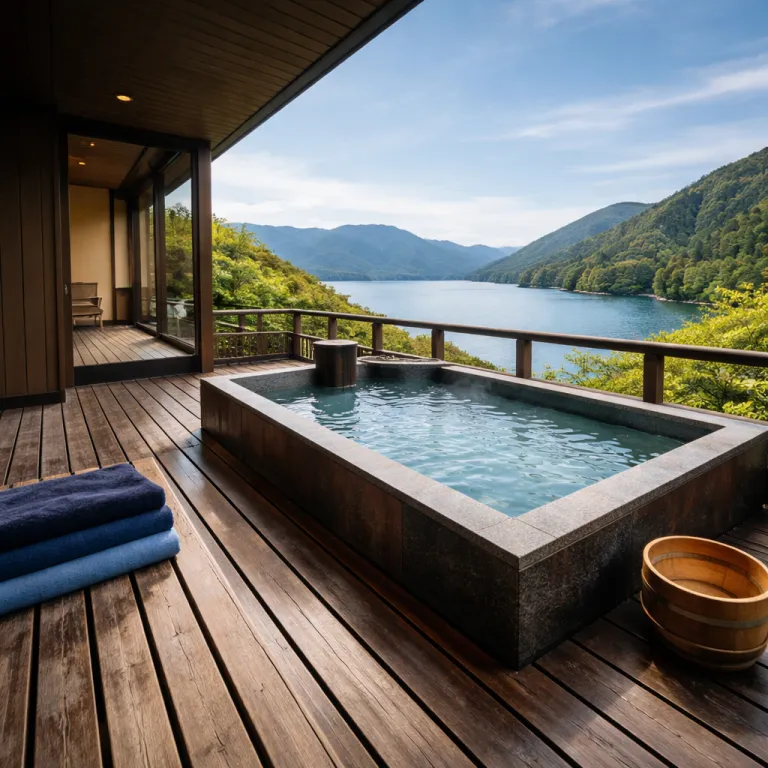
Choosing a hakone hotel with private onsen for a refined retreat
In Hakone, the phrase “hakone hotel with private onsen” signals a stay where privacy, serenity, and Japanese style hospitality come together. Travelers compare each hotel and ryokan with care, weighing rooms with private onsen against shared spring baths and public facilities. A thoughtful booking transforms a simple night away into a deeply restorative hot spring experience.
The region of Hakone in Kanagawa is renowned for its natural hot springs and mountain scenery, with views towards Mount Fuji and easy access from Tokyo. Many guests seek a ryokan with private open air baths, while others prefer a contemporary hotel with open air onsen on the balcony and Western bedding. In both cases, the goal is the same ; to enjoy hot springs in comfort, with private time in the bath and minimal distractions.
Luxury properties such as Hakone Kowakien Ten-yu and Gora Kadan illustrate how a hakone ryokan or hotel can blend traditional tatami room layouts with modern amenities. At Gora Kadan in the gora area, several rooms with private open air baths overlook manicured gardens and forested hillsides. Nearby, other ryokan with private onsen in Hakone yumoto or near lake ashi offer spring baths that frame river valleys, village rooftops, or distant peaks.
When you check availability online, pay close attention to room descriptions that specify private onsen or private open air baths. Some listings mention “open air baths” or “air baths” without clearly stating whether they are fed by natural hot spring water. A careful check of each room type ensures that your chosen hakone hotel with private onsen truly delivers the hot spring immersion you expect.
Understanding room types, private baths, and onsen etiquette
Booking a hakone hotel with private onsen starts with understanding how room categories are described. A traditional ryokan with Japanese style rooms usually offers tatami flooring, futon bedding, and sliding shoji screens, sometimes combined with a private open air onsen on the terrace. Western style rooms in a hotel may feature beds, sofas, and a private bath that can be either indoor or open air.
In Hakone, the most sought after rooms with private onsen are those where the hot spring bath is supplied directly from the source. These private open air baths are often called rotenburo, and they allow you to feel the cool mountain air while soaking in hot spring water. Some properties also provide indoor air baths that open onto a balcony, creating a semi open air onsen effect with sliding windows.
When you check availability, look for phrases such as “room with private onsen,” “rooms with open air baths,” or “spring baths attached to room.” A hakone ryokan in Hakone yumoto might list several room types, from compact Japanese style rooms without baths to expansive suites with private open air onsen and views of lake ashi or Mount Fuji. Always check the fine print to confirm whether the bath is a true hot spring bath or a standard heated tub.
Onsen etiquette remains important even when you enjoy a private bath in your room. You should still wash thoroughly before entering the hot spring, avoid adding soaps to the bath, and keep the water level comfortable rather than overflowing into the open air. Respecting these customs preserves the integrity of Japanese hot springs and enhances your sense of connection to local culture.
How luxury booking platforms curate hakone hotels with private onsen
Luxury and premium booking websites for Japanese hot spring inns play a crucial role in matching travelers with the right hakone hotel with private onsen. These platforms curate a selection of hotel and ryokan options in areas such as gora, Hakone yumoto, and around lake ashi, highlighting rooms with private onsen and distinctive hot spring features. Their editors evaluate each property’s hot spring facilities, service standards, and authenticity of Japanese style design.
For example, a curated listing might feature Gora Kadan as a flagship ryokan with private open air baths and refined kaiseki cuisine. Another highlight could be Hakone Kowakien Ten-yu, where every room includes a private open air onsen, allowing guests to enjoy hot springs in the fresh mountain air at any hour. Adult focused retreats such as Kinnotake Tonosawa appeal to couples seeking rooms with private onsen in a quiet forest setting.
These booking platforms typically provide detailed filters so you can check availability only for rooms with private onsen or spring baths. You might refine your search to show a hakone ryokan with open air baths, a hotel in gora with air onsen on the balcony, or a property near lake ashi with views of Mount Fuji from the bath. By combining high resolution photography, floor plans, and transparent descriptions, they reduce the risk of misunderstanding terms like “air baths” or “open air baths.”
Many platforms also integrate local insights about Hakone, explaining the difference between communal hot springs and private open air onsen. They emphasize that “An onsen is a Japanese hot spring bath.” and “Are private onsens common in Hakone? Yes, many accommodations offer private onsens.” and “Do I need to book private onsen rooms in advance? Yes, it's recommended to book in advance.” This guidance helps international guests approach booking with confidence and realistic expectations.
Key areas in hakone for hotels and ryokans with private onsen
Choosing the right neighborhood in Hakone is as important as selecting a hakone hotel with private onsen. The Hakone area stretches from Hakone yumoto at the base of the mountains up to gora, lake ashi, and beyond, with each district offering distinct scenery and hot spring character. Your preferred balance of convenience, seclusion, and views will shape which ryokan with private onsen suits you best.
Hakone yumoto is the main gateway, with frequent trains and buses, and a dense cluster of hotel and ryokan options. Here you will find several hakone ryokan that offer rooms with private open air baths overlooking rivers or wooded hillsides, ideal for a first hot spring stay. Because of the easy access, it is wise to check availability early, especially for rooms with private onsen during weekends and holiday periods.
Higher in the mountains, the gora district is known for refined properties such as Gora Kadan and other luxury inns. Many of these offer Japanese style rooms with private open air onsen, as well as shared spring baths and landscaped gardens that change with the seasons. The cooler air in gora makes open air baths particularly appealing, and some suites feature air onsen terraces that frame Mount Fuji on clear days.
Around lake ashi, several hotels and ryokans provide hot spring baths with views of the water and passing sightseeing boats. While not every hotel here has rooms with private onsen, you can find select suites with private open air baths that capture both the lake and distant peaks. For travelers seeking the best Hakone panoramas, combining a lake ashi stay with a night in gora can be an ideal way to experience multiple hot springs and landscapes.
Practical booking strategies for securing the best hakone stays
Demand for a hakone hotel with private onsen has increased significantly, so strategic booking is essential. Start by defining whether you prefer a traditional hakone ryokan with Japanese style rooms or a modern hotel with Western beds and private open air onsen. Then, shortlist properties in Hakone yumoto, gora, or near lake ashi that clearly state they offer rooms with private onsen or spring baths attached to the room.
When you use a premium booking website, apply filters for “room with private onsen,” “private open air baths,” or “ryokan with private onsen.” Carefully check availability across several dates, as the most desirable rooms with open air onsen often sell out months in advance. If your schedule is flexible, midweek stays can increase your chances of securing air baths or open air onsen suites at a better rate.
Pay attention to room size, layout, and orientation, not only whether there is a private bath. A compact Japanese style room with private onsen may feel intimate but less suitable for families, while a larger suite with open air baths and separate living room offers more comfort. Some hotels in gora and Hakone yumoto also provide connecting rooms with private onsen, which can work well for multigenerational trips.
Before finalizing your booking, check cancellation policies, meal plans, and whether the hot spring water is truly natural. Many ryokans include breakfast and dinner, served in your room or in a dining hall, which enhances the overall hot spring experience. By combining careful research, early check availability, and clear communication with the property, you can secure one of the best Hakone stays with private open air onsen and memorable hot springs.
Design, wellness, and cultural depth in hakone private onsen stays
Beyond the practicalities of booking a hakone hotel with private onsen, the deeper appeal lies in design, wellness, and cultural immersion. Many Hakone properties integrate Japanese style architecture, natural materials, and open air onsen terraces that blur the line between room and landscape. Cedar, stone, and paper screens frame views of forests, rivers, or Mount Fuji, while hot spring baths provide a constant sensory connection to the earth.
In a ryokan with private open air baths, the ritual of bathing becomes a slow, mindful practice. You slide open the door to your terrace, feel the cool air, and step into the hot spring bath, letting the mineral rich water ease travel fatigue. Repeating this pattern morning and evening, with the changing light over lake ashi or the gora hills, creates a rhythm that many guests find deeply restorative.
Wellness focused hotels in Hakone often pair private onsen experiences with spa treatments, seasonal cuisine, and quiet lounges. A room with private onsen and air baths on the balcony allows you to alternate between hot springs and fresh air, supporting circulation and relaxation. Some properties also offer yoga or meditation sessions, which complement the slow pace of soaking in spring baths and encourage digital disconnection.
Culturally, staying in a hakone ryokan introduces you to Japanese etiquette, from wearing yukata robes to enjoying kaiseki dinners that showcase regional ingredients. Learning to use communal hot springs respectfully, even when you have a private open air onsen in your room, deepens your appreciation of local customs. This blend of design, wellness, and tradition is what makes a hakone hotel with private onsen feel like more than accommodation ; it becomes a refined way to engage with Japan’s hot springs heritage.
How to compare and evaluate luxury hakone hot spring properties
Evaluating which hakone hotel with private onsen is right for you requires a structured approach. Begin by listing your priorities, such as proximity to Hakone yumoto station, views of Mount Fuji or lake ashi, or access to multiple hot springs. Then, compare each hotel and ryokan with respect to room types, private open air baths, and the overall atmosphere of the property.
Look closely at floor plans and photos to understand how the private onsen is integrated into the room. Some rooms with private onsen feature indoor baths that open onto a balcony, creating an air onsen feel, while others have fully open air baths exposed to the mountain air. If privacy is essential, choose a ryokan with high walls or screens around the terrace, especially in densely built areas of Hakone.
Service quality is another key factor when selecting the best Hakone property for your stay. Luxury ryokans in gora and Hakone yumoto often provide personalized attention, from welcome tea in your Japanese style room to guidance on using the hot springs. Reading detailed reviews on premium booking websites can help you check availability patterns, understand how staff handle special requests, and see whether the hot spring baths are consistently well maintained.
Finally, consider how many onsen facilities the property offers beyond your private bath. In a destination with around 20 onsen facilities across Hakone, some hotels give access to multiple spring baths, including large communal hot springs, open air onsen pools, and family baths. Balancing the comfort of a private open air onsen in your room with the variety of shared hot springs on site ensures a rich, layered experience of Hakone’s geothermal landscape.
Key statistics about hakone hot spring stays
- Hakone counts around 20 onsen facilities, offering a wide range of hot spring experiences across different districts.
- Many hotels and ryokans in Hakone now integrate private onsen baths into rooms, reflecting rising demand for privacy and comfort.
- Check in at most Hakone properties typically begins in the mid afternoon, with check out in the late morning, allowing time for multiple soaks.
Frequently asked questions about hakone hotels with private onsen
What is an onsen in the context of a hakone hotel stay ?
An onsen is a Japanese hot spring bath that uses geothermally heated water, often rich in minerals. In a hakone hotel with private onsen, this water is piped directly into your room’s bath or into shared spring baths on the property. The combination of natural hot springs and mountain air is central to Hakone’s appeal.
Are private onsen rooms widely available in hakone ?
Private onsen rooms are common in Hakone, especially in higher end hotels and ryokans. Many properties in areas such as Hakone yumoto, gora, and near lake ashi offer rooms with private open air baths or indoor air onsen connected to the hot springs. Because these rooms are popular, it is important to check availability early when planning your trip.
Do I need to reserve a private onsen room far in advance ?
Advance booking is strongly recommended if you want a room with private onsen in Hakone. Popular ryokans and hotels often see their best Hakone suites with open air baths reserved several months ahead, particularly during holidays and weekends. Securing your room early ensures you can enjoy the exact combination of hot springs, views, and Japanese style hospitality you are seeking.
References: Hakone Tourism Association ; japan-hotel-onsen-guide.com ; japanese-onsen.com