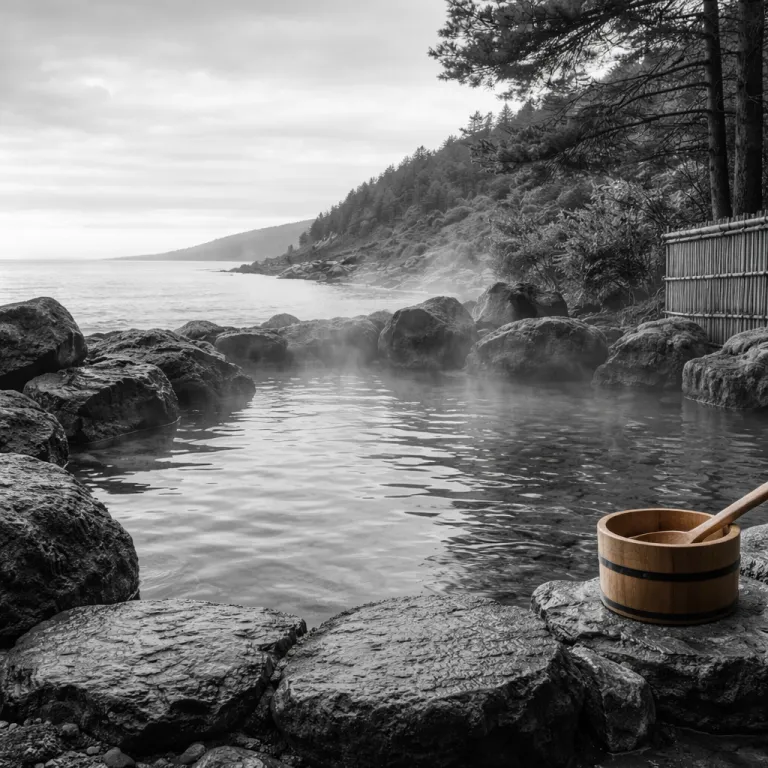
Why summer hot springs destinations work beautifully for families
Summer hot springs destinations suit families who want naturally warm water without winter hardship. Longer daylight hours in Iceland and Japan mean every day can stretch from a gentle morning soak to an evening walk along a river under a glowing sky. Parents appreciate that the best pools feel playful for children yet remain calm enough for adults who value quiet spa moments and spa-style relaxation.
In Iceland, geothermal springs and man made hot pools such as the Blue Lagoon, Sky Lagoon, and Laugarvatn Fontana stay comfortably hot while the air feels fresh, so children can move between water and deck without shivering. According to Visit Iceland’s published visitor statistics, international arrivals now reach around two million people per year, and many of those travelers plan at least one day around a family friendly pool or hot springs resort. For premium travelers, that usually means booking a resort spa or private hot spring suite at least two to three months ahead, because the most refined spa services and larger family rooms sell out quickly in peak summer.
Japan’s mountain onsen villages offer a different rhythm, with mineral rich hot springs framed by cedar forests and quiet roads. The Japan National Tourism Organization reports that there are roughly three thousand onsen facilities nationwide, and many of the best properties reserve certain pools for families who prefer private soaking. When you choose a luxury ryokan, look for mineral hot water that is not overly hot in summer, ideally in the 38–41°C range, and ask whether the springs spa can adjust the temperature in at least one pool for younger guests.
Families often worry that hot water will feel overwhelming in warm weather, yet altitude and airflow change everything. Highland springs in Hokkaido or Tohoku feel balanced, because cooler air wraps around shoulders while the hot spring warms your core. For parents planning a longer road trip that combines a national park hike, a river picnic, and an evening in a springs resort, summer becomes the best season to introduce children to bathing culture without snow, ice, or heavy clothing. A simple two day plan might pair a morning hike, a midday café stop, and a late afternoon soak on day one, followed by a slower second day focused on short walks and long, unhurried baths.
Iceland’s midnight sun pools and the art of late light soaking
Iceland sits at the heart of many summer hot springs destinations because of the midnight sun and its surreal light. In practical terms, the midnight sun means that in June and early July the sun barely dips below the horizon, so twilight stretches for hours and true darkness never arrives. That allows you to slip into a hot pool at what feels like night, while the sky still glows like late afternoon and distant hills remain clearly visible.
Between mid May and mid August, geothermal springs near Reykjavík and along the south coast become natural stages for long, lazy soaking sessions. Visit Iceland highlights midnight sun bathing at places such as the Secret Lagoon in Flúðir, Laugarvatn Fontana by the Golden Circle, and the Myvatn Nature Baths in the north, and families often plan a full day that moves from a waterfall hike to a warm river dip, then to a structured spa hot experience at a refined resort spa. Because the water in Icelandic hot springs is usually rich in mineral content, children can feel the slight silkiness on their skin while adults appreciate the therapeutic reputation of mineral hot water.
Luxury travelers should look for properties that balance design with access to nature, rather than only focusing on an indoor spa. A well run springs resort will offer several pools at different temperatures, often from about 36°C for gentle soaking up to 40–41°C for deeper heat, including at least one shallow pool for children and one quiet zone for adults who want private soaking under the midnight sun. When you read property descriptions, pay attention to how close the resort spa sits to the coast or a river, because wind exposure can make a hot spring feel cooler and more comfortable on bright days.
Families who enjoy road travel can easily build a road trip that links several pools and springs in one loop. A simple three day circuit might start with Reykjavík city pools such as Laugardalslaug, continue to Laugarvatn Fontana and the Secret Lagoon on a Golden Circle drive, then end at a hotel near the south coast that offers full spa services and thoughtful food for children. Book accommodations early, ideally three to six months in advance for July and early August, check local weather conditions, and respect local customs around swimwear, because some rural pools still maintain clothing optional hours for adults, which may not suit every family.
Japan’s mountain onsen: refined summer retreats for premium families
Japan’s mountain onsen belong on any list of serious summer hot springs destinations for families who value culture as much as comfort. Many onsen sit in regions where roads only fully clear in late spring, so June to August becomes the ideal window for a relaxed road trip through cedar valleys and along cool rivers. The Japan National Tourism Organization highlights that many onsen are located in mountainous regions, often between 500 and 1,500 meters above sea level, offering cooler temperatures during summer, which makes hot water feel surprisingly gentle.
In Hokkaido’s Noboribetsu and Tohoku’s Nyuto area, mineral springs emerge from volcanic rock, then feed a series of outdoor pools framed by forest. A well curated ryokan will often provide both shared baths and private open air tubs, allowing parents to introduce children to hot springs at their own pace. When you evaluate options on a luxury booking website, look for properties that clearly explain their spa services, water temperature bands, and whether any pool can be reserved for family use during a specific time of day, such as a 45 minute private slot before dinner.
Japan’s most famous hot spring town, Kusatsu, now includes refined properties such as Kai Kusatsu by Hoshino Resorts, which blend traditional tatami rooms with contemporary comfort. For readers who want a deeper review of this style of stay, a detailed article on a new ryokan chapter in Japan’s most famous hot spring town is available on hot spring inn, and it shows how thoughtful design, ventilation, and shaded engawa verandas can make even a very hot spring feel approachable in summer. In Hakone, families who prefer more privacy can consult a guide to private onsen ryokan stays with refined seclusion and style, which explains how to choose rooms with their own small pools for quiet soaking after a busy day of ropeway rides and lake cruises.
Practical planning matters in Japan, because peak school holiday weeks fill quickly and the best rooms vanish first. Aim for early or late summer if you want more space around the pools, and always book onsen accommodations in advance, especially when you need larger rooms or connecting suites. As a rule of thumb, reserve popular mountain ryokan at least two to four months ahead for August weekends. Respect local etiquette in every springs spa, from washing carefully before entering the water to understanding that clothing optional bathing is rare in Japan and usually limited to private baths, which suits many premium family travelers.
Beyond Japan and Iceland: structuring a global summer soaking itinerary
Once you have experienced Japan and Iceland, other summer hot springs destinations start to call, from New Zealand to Europe and North America. Rotorua and Taupō in New Zealand combine geothermal springs with lakeside walks, mountain biking, and river rafting, so a single day can move from active play to slow soaking in mineral pools at complexes such as Polynesian Spa or Wairakei Terraces. In Europe, cities such as Budapest or Baden Baden shift their historic baths toward open air courtyards in summer, turning each hot pool into a social salon where families can linger between swims and café breaks.
North America offers its own mix of refined and rustic experiences, and understanding the geography helps you choose wisely. High altitude towns such as Glenwood Springs in Colorado or Saratoga Springs in the United States use cooler mountain air to balance their hot springs, while desert hot regions in the southwest rely on evening breezes to soften the heat. Properties near a national park or a major river, such as those along the Rio Grande or in parts of Oregon, allow you to pair a morning hike with an afternoon in a springs resort that offers structured spa services and reliable food for children.
Travelers who enjoy driving can design a themed road trip that links several pools and springs across one region. For example, a refined escape to a hot springs resort in Washington State can be combined with a loop through Oregon hot spring areas, then onward to springs Oregon properties that sit near forests and lakes. When you plan, think in terms of water temperature, altitude, and family rhythm, choosing one or two days of intense activity followed by a quieter day focused on soaking, reading, and simple poolside meals, so children do not feel rushed from one attraction to the next.
Luxury booking platforms that specialize in hot spring inns help you filter for details that matter in summer, such as shaded outdoor decks, private soaking options, and flexible meal times. Always read how each resort spa describes its springs spa facilities, whether any clothing optional policies exist, and how many distinct pools are available, because variety keeps children engaged. With careful planning, your global itinerary can move from lava hot volcanic springs to gentle spa hot pools in cooler valleys, giving your family a layered understanding of bathing cultures without ever feeling rushed.
FAQ
When is the best time to experience Iceland’s midnight sun in hot springs ?
The best time to experience Iceland’s midnight sun while soaking in hot springs is between mid May and mid August, when the sun remains visible around midnight in the north and twilight lasts all night in the south. During these months, geothermal pools stay comfortably hot while the air feels cool, which suits long evening sessions. Many families plan their trip so that at least one or two nights fall near the peak of the midnight sun period around the June solstice.
What is an onsen, and how does it differ from a regular spa pool ?
An onsen is a Japanese hot spring bath that uses naturally heated, mineral rich water sourced from geothermal springs. Unlike a standard spa pool that may rely on treated tap water, an onsen must meet specific mineral and temperature criteria under Japanese regulations. Many onsen facilities also integrate traditional etiquette, such as washing before soaking and usually bathing without swimwear in gender separated pools, with small towels used only for modesty outside the water.
Are there onsen in Japan’s mountains that work well in summer ?
Yes, many of Japan’s most atmospheric onsen sit in mountainous regions where cooler air balances the hot water, making them ideal in summer. Areas such as Noboribetsu in Hokkaido and Nyuto in Tohoku offer outdoor pools surrounded by forest, with roads that are far easier to access once winter snow has melted. These mountain onsen often provide both shared and private baths, which helps families manage different comfort levels and gradually introduce children to bathing culture.
Do I need to book hot spring accommodations in advance for summer trips ?
You should always book hot spring accommodations in advance for summer, especially in destinations such as Iceland and Japan where demand peaks. Luxury ryokan and refined springs resort properties with private soaking options and larger family rooms tend to sell out first. Early booking, ideally several months ahead for school holiday periods, also gives you better choice of pool orientation, meal times, and spa services, which can transform a simple stay into a genuinely relaxing trip.
How should families handle etiquette and clothing rules in different hot spring cultures ?
Etiquette varies by country, so families should check local customs before entering any hot spring or spa pool. In Japan, most onsen require thorough washing before soaking and expect guests to bathe without swimwear in gender separated pools, while some private baths allow more flexibility. In Iceland and parts of North America, clothing optional policies may apply at certain times or in specific pools, so parents should confirm rules in advance and choose properties whose approach aligns with their family’s comfort level. A quick family briefing before arrival, covering washing rules, quiet voices, and where swimwear is required, helps children feel confident and respectful from the first visit.