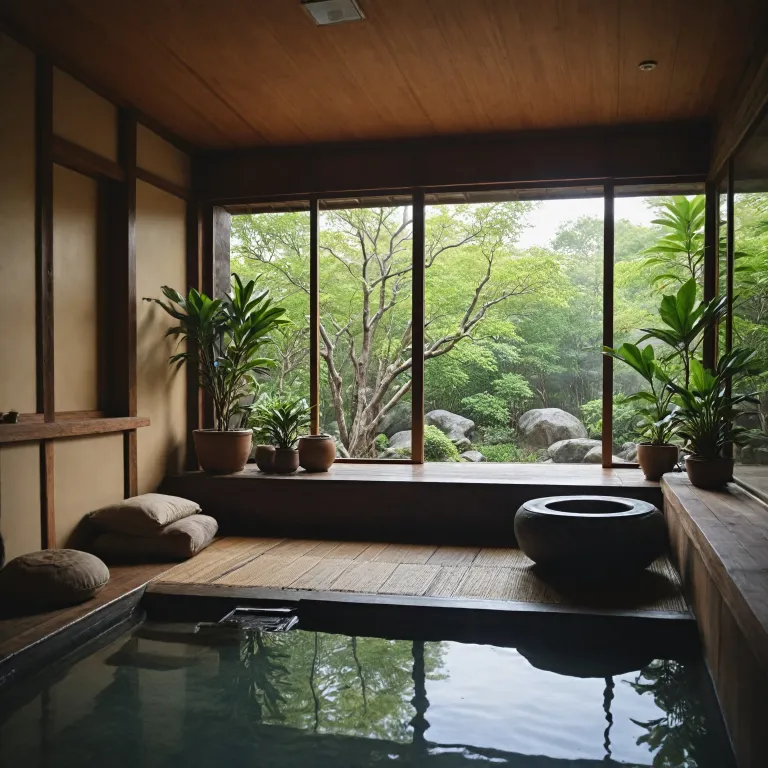
Understanding the allure of a Japan hotel with private onsen
Choosing a Japan hotel with private onsen offers travelers an exclusive gateway to the country’s revered hot spring culture. The appeal of onsen lies not only in the mineral-rich hot spring waters but also in the serene privacy that comes with a dedicated bath. Many ryokan and hotels across Japan provide rooms with private open air baths, allowing guests to immerse themselves in traditional Japanese hospitality while enjoying uninterrupted views of nature or cityscapes.
Regions such as Kyoto, Tokyo, and the famed Arima Onsen in Hyogo are celebrated for their luxurious accommodations featuring private onsen. These establishments blend modern amenities with time-honored Japanese style, creating a harmonious environment for relaxation. Whether you seek an onsen room overlooking a tranquil garden or a suite with open air baths facing mountain vistas, the options are as diverse as the country’s landscapes.
Travelers are increasingly drawn to ryokan with private onsen for the comfort and exclusivity they provide. The experience is further elevated by the attention to detail in each room, from tatami flooring to carefully curated breakfast and dinner offerings. With the rise in demand for privacy, many onsen ryokan now offer rooms with both indoor and open air baths, ensuring a personalized retreat for every guest.
Exploring regional highlights: from Kyoto to onsen towns
Japan’s regions each offer a unique take on the private onsen experience, with Kyoto and Tokyo leading the way in urban sophistication. In Kyoto, properties like Hoshinoya Kyoto present riverside villas with private open air baths, accessible only by riverboat, merging tradition with exclusivity. Tokyo’s Hoshinoya Tokyo reimagines the onsen ryokan for the modern traveler, featuring an indoor-outdoor hot spring on the 17th floor, providing sweeping city views and a tranquil escape from the urban pace.
For those seeking a more rural ambiance, onsen towns such as Arima Onsen in Hyogo and Kurokawa Onsen offer ryokan with private onsen rooms nestled amid natural beauty. These regions are renowned for their mineral-rich hot springs and the authenticity of their Japanese style accommodations. The onsen hyogo area, for instance, is home to Nakanobo Zuien, where rooms with private open air baths allow guests to savor both kinsen and ginsen waters in complete privacy.
When planning your stay, always check the location’s proximity to key attractions and transport links. This resource highlights unique features, room options, and the best seasons to enjoy each destination.
Room types and amenities: what to expect from a private onsen experience
The hallmark of a Japan hotel with private onsen is the variety of rooms with open air baths, designed to cater to different preferences and group sizes. Traditional Japanese style rooms often feature tatami mats, futon bedding, and sliding shoji doors, creating an atmosphere of understated elegance. Many ryokan with private onsen offer suites with both indoor and open air baths, allowing guests to enjoy the hot spring experience regardless of the weather.
Modern amenities are seamlessly integrated into these spaces, with options such as air baths, rain showers, and panoramic windows that frame the surrounding landscape. Some properties, like Zaborin Ryokan in Hokkaido, provide villas with private indoor and outdoor onsen, ensuring year-round comfort and privacy. Breakfast and dinner are typically included, with menus showcasing regional specialties and seasonal ingredients.
For travelers prioritizing accessibility, several hotels offer rooms with private onsen that are wheelchair-friendly or equipped with Western-style beds. To further personalize your stay, many establishments allow guests to select their preferred view—be it a garden, mountain, or cityscape.
Booking strategies: securing the ideal onsen room
Securing a room with private onsen requires careful planning, especially during peak travel seasons when demand is high. It is advisable to book well in advance, as the number of rooms with private open air baths is often limited. When selecting your accommodation, check the hotel’s policy on tattoos, as some public onsen areas may have restrictions, though private onsen are generally more accommodating.
Consider the region and proximity to your desired attractions, as well as the type of hot spring water offered. Some ryokan, such as those in Arima Onsen, provide unique mineral compositions that are believed to offer specific health benefits. Always review the breakfast and dinner options, as many Japanese onsen ryokan include elaborate meals that are an integral part of the experience. This guide covers everything from check-in procedures to etiquette for using both private and public onsen facilities, ensuring a seamless and enjoyable visit.
Etiquette and traditions: embracing the Japanese onsen culture
Staying at a Japan hotel with private onsen is an opportunity to immerse yourself in traditional Japanese customs. Before entering the hot spring bath, it is customary to wash thoroughly, ensuring cleanliness and respect for the shared water. While private onsen offer more flexibility, maintaining proper etiquette enhances the overall experience and honors centuries-old traditions.
Guests are typically expected to bathe without clothing, even in private settings. As one expert notes, “Yes, bathing in an onsen is traditionally done without clothing, even in private settings.” This practice is rooted in the belief that the hot spring’s healing properties are best enjoyed without barriers. For those with tattoos, private onsen are generally more welcoming, but it is always wise to confirm with the establishment beforehand: “Private onsen are more accommodating to guests with tattoos compared to public onsens, but it's advisable to confirm with the establishment beforehand.”
Participating in a traditional Japanese breakfast or dinner, often served in your room or a private dining area, is another highlight of the onsen ryokan experience. These meals showcase local ingredients and culinary artistry, further connecting guests to the region’s culture. Observing these customs not only enriches your stay but also fosters a deeper appreciation for Japanese hospitality.
Notable properties: exemplary ryokan and hotels with private onsen
Japan boasts a remarkable array of ryokan and hotels with private onsen, each offering distinct features and settings. Nishiyama Onsen Keiunkan in Yamanashi Prefecture stands as the world’s oldest hotel, providing a rare glimpse into centuries of hot spring tradition. In Sendai, Sakan Ryokan combines over a thousand years of history with modern comforts, while KAI Sengokuhara in Hakone merges contemporary design with private onsen baths for a unique retreat.
For those seeking ocean views, Bousui in Shizuoka offers rooms with private open air baths overlooking the Pacific, while Biwako Ryokusuitei in Shiga provides lakeside serenity with air baths facing Lake Biwa. Urban travelers may prefer The Capitol Hotel Tokyu in Tokyo, where Premier King rooms feature private hot tubs and panoramic city vistas. Each property exemplifies the fusion of traditional Japanese style and modern luxury, ensuring a memorable stay for every guest.
Whether you choose a ryokan with private onsen in a bustling city or a tranquil onsen town, the emphasis on personalized service and attention to detail remains constant. These hotels cater to a range of preferences, from intimate rooms with open air baths to expansive suites designed for families or groups. The diversity of options ensures that every traveler can find their ideal Japan hotel with private onsen, tailored to their unique desires.
Key statistics on Japan hotels with private onsen
- There are approximately 100 hotels in Japan offering private onsen facilities.
- The average cost per night for a private onsen room is 50,000 JPY.
- Luxury ryokans with private onsen are increasingly popular due to privacy and exclusivity.
Frequently asked questions about Japan hotels with private onsen
What is an onsen?
An onsen is a Japanese hot spring and the bathing facilities and inns around them.
Are private onsen common in Japan?
While traditional public onsens are more common, many ryokans and hotels offer private onsen options for guests seeking privacy.
Are private onsen more expensive than public ones?
Yes, rooms with private onsen typically come at a premium due to the added privacy and exclusivity.
References: Japan National Tourism Organization, Japan Hotel Association, Hoshino Resorts