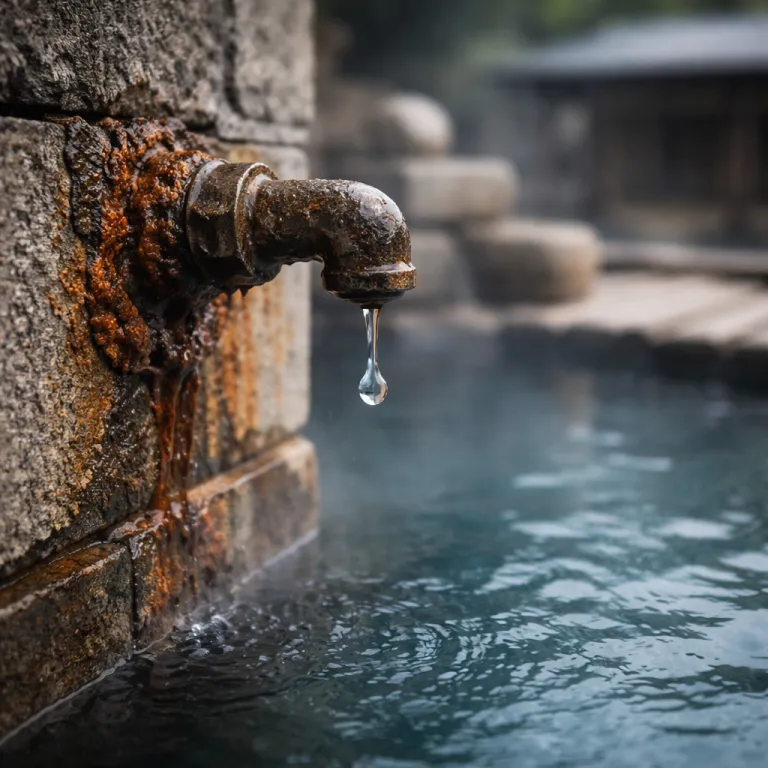
Timeless luxury at hotel nishiyama onsen keiunkan
At hotel nishiyama onsen keiunkan, time feels beautifully suspended between mountain, river, and sky. This historic hotel in Hayakawa welcomes guests into a sanctuary shaped by hot spring water and traditional Japanese hospitality, refined over centuries. Every stay here becomes a deeply personal experience, where the rhythm of the hot springs and the quiet of the valley guide your day.
Founded by Fujiwara Mahito, this ryokan is widely recognized as the world’s oldest hotel and has remained under continuous family stewardship. That legacy is not a marketing flourish ; it is the foundation of how the hotel offers service, how each room is arranged, and how every bath is maintained. The current president, Kenjiro Kawano, continues this lineage, ensuring that keiunkan offers both heritage and discreet modern comfort to today’s travelers.
The property sits in Yamanashi Prefecture, along the clear Hayakawa River, where guests enjoy a rare combination of natural beauty and cultural depth. The hot spring source delivers abundant hot water, feeding several hot springs and open air baths throughout the hotel. Within this secluded valley, the nishiyama onsen setting allows guests to feel sheltered yet connected to the wider landscapes of Yamanashi and distant Mount Fuji.
Each stay at keiunkan nishiyama is shaped by the onsen itself, which has been flowing continuously since the hotel’s earliest days. The natural hot spring water is not recycled, preserving its mineral character and gentle warmth for every private onsen and shared bath. For travelers comparing refined soaking experiences worldwide, this inn stands apart from many modern hot springs resorts by placing the spring, not the building, at the heart of the stay.
Understanding the onsen keiunkan experience for luxury travelers
For guests planning a premium stay at hotel nishiyama onsen, understanding the rhythm of an onsen keiunkan visit helps set expectations. Arrivals typically begin mid afternoon, allowing time to settle into your room, change into a yukata, and explore the hot springs before kaiseki dinner. This slower pace contrasts with urban luxury hotels, yet it is precisely what many travelers seek when they select a traditional Japanese ryokan.
The hotel offers several baths, including indoor pools and open air baths that frame the surrounding mountains and river view. Some baths are gender separated, while certain time slots may rotate access, so guests enjoy variety across different hot springs during their stay. To make the most of the experience, plan at least two or three soaks, spacing them between arrival, after dinner, and early morning.
Luxury focused travelers often compare prices and inclusions across global hot spring destinations, from Japan to North America and Europe. For context on how premium soaking experiences are structured elsewhere, you may find this refined guide to Durango hot springs resort and spa prices a useful benchmark. At nishiyama onsen keiunkan, rates typically bundle accommodation, kaiseki meals, and access to multiple hot springs, which can represent strong value when compared with à la carte spa models.
Because the hotel is intimate, with a limited number of rooms, advance reservations are essential during peak seasons. Many guests select specific room categories that emphasize river view aspects, private onsen access, or more expansive Japanese style layouts. When you book, consider how many air baths and hot springs sessions you realistically plan to enjoy, then align your room choice and length of stay with that intention.
Rooms, suites, and private onsen options at keiunkan nishiyama
Accommodation at hotel nishiyama onsen keiunkan centers on traditional Japanese rooms, where tatami mats, sliding shoji screens, and low tables create a calm, uncluttered atmosphere. These rooms are designed so guests enjoy both comfort and a direct connection to the surrounding natural beauty. Many rooms frame the Hayakawa River or mountain slopes, turning each window into a living landscape painting.
Several room categories integrate a private onsen or open air bath on the terrace, allowing guests to soak in hot spring water without leaving their suite. These private baths are especially appealing for couples, multigenerational families, or travelers who prefer a quieter, more secluded hot springs experience. When you select such rooms, you gain the freedom to bathe at any hour, listening to the river below and the wind moving through the valley.
Other rooms emphasize generous living areas in a traditional Japanese style, with futons laid out each evening and stored away during the day. In these rooms, guests enjoy a sense of ritual as the space transforms from sitting room to sleeping area, guided by attentive staff. The hotel offers a limited number of Western style beds in some configurations, but the essence of keiunkan nishiyama remains firmly rooted in tatami based layouts.
Travelers comparing different hot spring resorts may also appreciate reading this guide to serene soaking stays to understand how global properties structure their room and spa offerings. At nishiyama hot springs, however, the focus remains on harmonizing room design with the flow of the hot spring and the quiet of Yamanashi Prefecture. Whether you choose rooms with private onsen or shared bath access, the hotel offers a consistently tranquil, understated form of luxury.
Traditional japanese hospitality, dining, and cultural depth
Staying at hotel nishiyama onsen keiunkan is as much about hospitality and cuisine as it is about the hot springs. The ryokan format means that kaiseki dinner and breakfast are typically included, served either in your room or in dedicated dining spaces. These meals highlight seasonal ingredients from Yamanashi Prefecture, pairing river fish, mountain vegetables, and local specialties with precise presentation.
Traditional Japanese service rituals shape every interaction, from the welcome tea to the careful preparation of futons each evening. Staff move quietly yet attentively, ensuring guests enjoy comfort without feeling rushed or over attended. This style of care reflects centuries of accumulated expertise, where the hotel offers continuity rather than constant reinvention.
Bathing etiquette is another essential part of the onsen keiunkan experience, especially for first time visitors to Japanese hot springs. Guests wash thoroughly before entering the shared baths, then soak in silence or soft conversation, respecting the calm atmosphere. Air baths and open air pools invite you to slow your breathing, listen to the Hayakawa River, and feel the contrast between cool mountain air and hot spring water.
For many travelers, this immersion in traditional japanese culture becomes a highlight of their journey through Yamanashi and beyond. The combination of tatami rooms, kaiseki cuisine, and onsen rituals offers a deeper understanding of how hospitality evolved around hot springs in Japan. “What makes Nishiyama Onsen Keiunkan unique? It's the world's oldest hotel, operating since 705 AD.”
Planning your stay: access, seasons, and value considerations
Reaching hotel nishiyama onsen keiunkan requires some planning, as Hayakawa is a remote town within Yamanashi Prefecture. Most guests travel by train to a regional hub, then continue by bus, taxi, or arranged transfer into the valley. This final approach, following the river and entering the mountains, sets the tone for a retreat centered on natural beauty and quiet.
Seasonality plays a significant role in shaping the onsen keiunkan experience, influencing both scenery and availability. In cooler months, guests enjoy the contrast of cold air and hot springs, especially in open air baths overlooking the river view. Warmer seasons highlight lush greenery around the Hayakawa River, while clear days may reveal distant silhouettes of Mount Fuji from select vantage points in Yamanashi.
Because the property is recognized as the world’s oldest hotel, demand can be strong among both domestic and international travelers. Booking well in advance is recommended, particularly if you want specific rooms with private onsen or particular meal arrangements. For travelers seeking value within the luxury segment, this article on affordable stays in hot springs offers useful strategies that can also inform planning for nishiyama onsen.
When comparing options, consider not only nightly rates but also what the hotel offers in terms of inclusions. At keiunkan nishiyama, the combination of kaiseki meals, multiple hot springs, and traditional japanese rooms can represent strong overall value. Guests enjoy a complete immersion in hot spring culture, rather than a simple overnight stay with optional spa access.
How hotel nishiyama onsen keiunkan fits into a wider hot spring journey
Many travelers integrate hotel nishiyama onsen keiunkan into a broader itinerary across Japan, combining urban stays with rural hot springs. After days in Tokyo or Osaka, the quiet of Hayakawa and the steady flow of the hot spring feel especially restorative. The ryokan’s position within Yamanashi Prefecture also makes it a natural complement to visits focused on wine regions, mountain hikes, or views of Mount Fuji.
Within the property, guests enjoy a variety of baths that allow them to experience the onsen in different moods and settings. Some hot springs are enclosed and serene, while others are open air baths that bring you closer to the river view and surrounding cliffs. Air baths and terraces provide spaces to cool down between soaks, extending the ritual beyond the water itself.
For travelers who appreciate heritage, the status of keiunkan as the oldest hotel in continuous operation adds another layer of meaning to each stay. The hotel offers not only comfort but also a living connection to centuries of traditional japanese hospitality and onsen culture. This continuity is rare even among historic ryokan, and it shapes everything from architecture to service style.
As you select properties for a wider hot spring journey, consider how each destination balances natural beauty, cultural depth, and privacy. At nishiyama hot springs, keiunkan offers a particularly intimate scale, with a limited number of rooms and a strong focus on the hot spring source. Guests enjoy a stay where the onsen, the Hayakawa River, and the mountains of Yamanashi work together to create a quietly luxurious retreat.
Key figures and practical insights for booking hotel nishiyama onsen keiunkan
Understanding a few key figures can help you plan a stay at hotel nishiyama onsen keiunkan with confidence. The property maintains a relatively small inventory of rooms, which supports a calm atmosphere but also means that popular dates fill quickly. Guests enjoy a sense of privacy and space that is increasingly rare in larger hot springs resorts.
The hot spring source at nishiyama onsen delivers a generous flow of natural hot water, feeding multiple baths throughout the ryokan. This abundance allows the hotel offers several distinct hot springs and open air baths without compromising temperature or clarity. For travelers who value authentic onsen experiences, the direct use of natural spring water is a significant advantage.
Below are selected quantitative insights related to the property and its operation.
Key statistics for hotel nishiyama onsen keiunkan
- Years in continuous operation as a hotel : 1321 years
- Approximate number of guest rooms available : 35 rooms
- Approximate hot water output from the spring source : 1000 liters per minute
Frequently asked questions about nishiyama onsen keiunkan
What makes Nishiyama Onsen Keiunkan unique?
It is widely recognized as the world’s oldest hotel, with a continuous history that stretches back more than a millennium. This longevity reflects a deep commitment to traditional japanese hospitality, careful stewardship of the hot spring, and close ties to the surrounding Hayakawa community. Guests enjoy not only luxurious baths and refined cuisine but also a rare sense of continuity with Japan’s cultural past.
How can I book a stay at Nishiyama Onsen Keiunkan?
Reservations are typically made through the official booking channels of the property, which provide the most accurate information on availability, room types, and seasonal rates. When you select dates, consider staying at least one or two nights to fully enjoy the various hot springs, kaiseki meals, and open air baths. Because the number of rooms is limited, booking well in advance is strongly recommended, especially during weekends and holiday periods.
What amenities are offered at the hotel?
Guests can expect multiple onsen facilities, including indoor pools, open air baths, and in some categories, private onsen attached to rooms. The hotel offers traditional japanese tatami rooms, kaiseki dining that highlights regional ingredients from Yamanashi Prefecture, and attentive yet discreet service. Together, these amenities create a comprehensive hot spring retreat, where the focus remains on relaxation, cultural immersion, and the natural beauty of the Hayakawa valley.