Key facts on the Kinosaki onsen renovation and what closes when
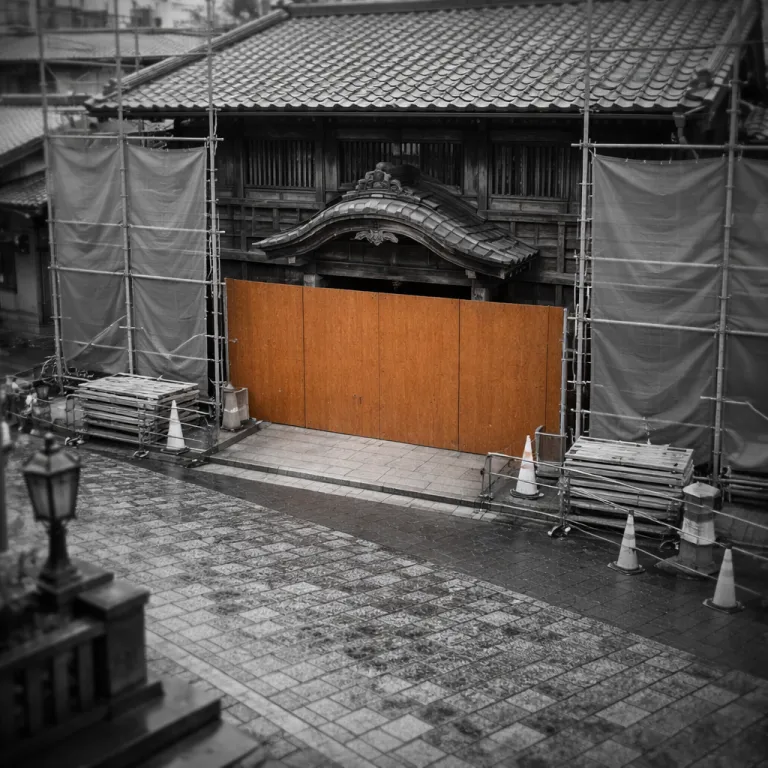
The Kinosaki Onsen renovation project scheduled through 2026 centres on a phased upgrade of the town’s seven public bathhouses, the sotoyu that define every ryokan stay here. According to announcements from the Kinosaki Onsen Tourism Association and Kinosaki Onsen Ryokan Association, Ichino Yu and Mandara Yu are expected to undergo relatively short maintenance periods, while Kono Yu is slated for a longer closure for extensive works from around mid May to late October, covering prime summer and foliage seasons. Exact dates and details can change, so travelers should confirm the latest schedule with official local sources before finalising plans. For visitors planning a day trip or longer stay, the intention is that six public bathhouses remain open at any given time, so the classic stroll in yukata between hot springs continues with only minor adjustments.
Kinosaki, a compact hot spring town in Toyooka City, is built around the willow lined riverfront, with Kinosaki Onsen Station on the JR Sanin Main Line less than 800 metres from most ryokan and public bathhouses. The seven sotoyu are Goshono Yu, Ichino Yu, Jizo Yu, Kono Yu, Mandara Yu, Satono Yu, and Yanagi Yu, each with its own bathing style and atmosphere. The renovation works use traditional materials and modern technology, aiming to upgrade aging facilities while preserving the wooden facades and lantern lit alleys that make a night time bathhouse walk so atmospheric. Local authorities describe the objectives in simple terms: modernize facilities, enhance visitor comfort, and preserve historical character, with regional contractors and cultural preservation specialists involved in each phase.
For guests, the practical impact of the current upgrade programme is mainly about timing and expectations rather than lost experiences. Operating hours for each bathhouse generally run from early morning to late evening, but you should check the latest open or closed status of each public bathhouse before you visit Kinosaki, as short term shutdowns for inspection or safety checks can be added at short notice. Foreign visitor numbers have multiplied in recent years, and with more solo travelers arriving by limited express train from Kyoto or Osaka, advance planning around which bathhouses in Kinosaki are operating on your chosen day will save time and avoid queues.
How the six remaining bathhouses shape your ryokan stay and day trips
With Kono Yu closed for long term works during the current refurbishment period, the remaining six public bathhouses carry the town’s bathing culture. Each bathhouse has its own character, from cave like interiors to open air pools, and all public bathhouses are generally tattoo friendly and gender separated, which reassures many international guests. The local policy has been to allow tattoos without the need for covering, a rare point of clarity in Japanese hot spring towns, but visitors should still confirm the latest rules with their ryokan or the tourism office in case of updates. Because every ryokan issues a colour coded pass or day pass for unlimited entry, often bundled into the room rate, you can still design a full hot spring circuit in one day, even when one bathhouse is temporarily closed.
Solo travelers often arrive on a limited express train such as Kinosaki, Hashidate, or Konotori from Kyoto or Osaka, drop bags at the ryokan, then head straight out in yukata to the nearest bath. The station area is compact, so walking time between a traditional Japanese style inn and the first bathhouse rarely exceeds five minutes, even for first time visitors to the town. If you are planning only a day trip, start early, collect your pass quickly, and prioritise two or three contrasting hot springs rather than trying to tick every bathhouse in a single afternoon. Typical public bathhouse opening hours run from around 7:00 or 8:00 in the morning until late evening, with last entry roughly half an hour before closing, so an early start gives you more relaxed time between soaks.
During the ongoing town wide improvements, private baths inside higher end ryokan become more valuable for guests who prefer quieter soaking. Many properties offer reservable private baths with natural hot spring water, ideal if a popular public bathhouse feels crowded at peak time. When you check in, ask staff which sotoyu they recommend as alternatives if your first choice is under renovation; they can usually suggest a similar style bathhouse, such as an open air pool instead of a cave bath, and explain how to use the unlimited entry pass most efficiently. For travelers comparing refined hot spring stays around the region, it is worth looking at curated guides to Kyoto onsen hotel retreats for refined hot spring stays, then pairing a night there with a ryokan stay in Kinosaki to experience both urban and classic castle town atmospheres in one trip.
Modernisation in historic onsen towns and how to adjust your plans
The Kinosaki Onsen upgrade programme linked to 2026 is part of a broader pattern across Japan’s historic hot spring towns, where rising international tourism and aging infrastructure meet. Kinosaki welcomes hundreds of thousands of visitors each year, many of them solo travelers who value authentic public bathing rituals over spa branding, so structural upgrades are essential to keep the hot water flowing safely. Similar investment can be seen in other hot spring regions, from long running inns in Yamanashi to venerable properties such as Hotel Nishiyama Onsen Keiunkan, a refined guide to the world’s oldest hot spring retreat for travelers who want deep tradition with careful modern comforts.
In Kinosaki, the renovation period is also an invitation to slow down and look beyond the bath. Between soaks, you can walk up to Onsenji Temple on the hillside, explore the nearby castle town atmosphere of the Izushi area with its old streets and soba restaurants, or linger over Tajima beef at a local restaurant before returning to your ryokan for a final night time bath. Because public bathhouses are clearly signed in English and have staff used to assisting overseas guests, solo travelers can move confidently between public and private baths, adjusting their route according to which facilities are open or closed on that particular day.
For value focused guests, planning around the Kinosaki Onsen renovation schedule can actually improve the overall trip. Checking closure details in advance, choosing a ryokan with strong in house hot spring facilities, and using guides to affordable stays in hot springs that balance value and comfort will help you allocate budget to longer stays rather than rushed visits. If you are combining Kinosaki with other onsen towns, consider the train timetable carefully, leave enough time for transfers at the station, and remember that a well planned day trip with three unhurried baths often feels more luxurious than a frantic attempt to sample every pool in one stay.