Kai Kusatsu by Hoshino Resorts and the power of Kusatsu’s hot spring source
Kai Kusatsu by Hoshino Resorts arrives in Kusatsu onsen as a spring ryokan that puts the mineral water ahead of the design story. The new kai kusatsu hoshino resorts property sits in Kusatsu town in Gunma Prefecture, where the yubatake hot water field sends more than 32,000 liters of acidic, sulfur rich hot spring water per minute through the onsen town. For couples planning a stay, this means consistently high temperatures, a distinctive sharp mineral scent and a bathing experience that feels closer to a natural phenomenon than a spa treatment.
Kusatsu onsen is one of Japan’s classic onsen gunma destinations, and the gunma prefecture authorities have long promoted its hot spring culture as a core tourism asset. Hoshino Resorts positions kai kusatsu as its single kai brand outpost in this resort area, following a one property per region philosophy that resists copy paste hotels brands design. That approach matters for travelers who care about where the water comes from, because the ryokan’s multiple hot spring baths are calibrated to Kusatsu hot temperatures and chemistry rather than a generic wellness template.
The operator Hoshino Resorts manages several Japanese hot spring brands, from the kai collection of regional spring ryokan to the more contemporary risonare resorts and the urban omo hotels brands. In Kusatsu town, the new property is designed by Tatsuro Sasaki Architects & Associates and built by Maeda Corporation, with a focus on traditional Japanese hospitality and integration with nature. The result is a gunma property that treats the onsen as infrastructure for slow travel, not just as an amenity for overnight guests.
From private tunnel to silk art rooms: how Kai Kusatsu reframes the onsen town stay
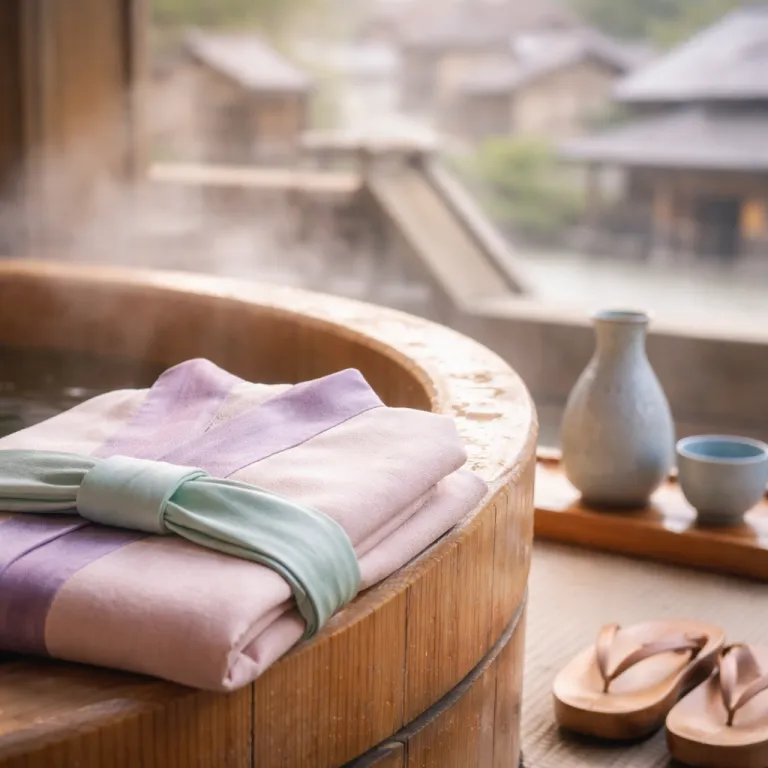
The most talked about feature at kai kusatsu hoshino resorts is the private tunnel that links the ryokan directly to the historic onsen town streets. This exclusive tunnel allows guests to walk from their spring ryokan room to Kusatsu onsen’s yubatake area in yukata, sheltered from weather yet still connected to the town’s steam and sulphur. For couples, that private tunnel turns a simple stay into a roaming hot spring date night, moving between the ryokan’s open air baths and the public hot spring facilities around the square.
Inside, Kai Kusatsu’s Silk Art Rooms reference Gunma’s silk weaving heritage with textiles and patterns rather than generic Japanese motifs. This silk art focus aligns the kai brand with other region rooted Hoshino Resorts projects, such as hoshinoya Karuizawa in Nagano Prefecture and the risonare Karuizawa resort area, where local craft and landscape shape the interiors. Travelers who compare refined hot spring pricing guides, such as this guide to serene soaking stays, will notice that Kai Kusatsu positions itself as a premium but not ostentatious option, with value anchored in access to Kusatsu’s powerful hot spring source.
Across the wider Hoshino Resorts portfolio, the kai, hoshinoya, risonare, omo and beb brands activities are clearly differentiated, and Kai Kusatsu leans into the kai identity of intimate, region specific hot spring stays. Urban travelers familiar with omo tokyo, omo kyoto or omo yokohama will find a slower rhythm here, where the main activity is moving between indoor and open air baths. Couples can structure their stay around bathing, walks through the town, and quiet meals that might include local soba kappo style dining, rather than chasing a long list of scheduled activities.
Why this opening signals a shift in Japan’s hot spring hotel brands and how to plan a stay
Kai Kusatsu opens in spring in Kusatsu, Gunma Prefecture, Japan, with 94 guest rooms and a clear mandate to enhance Kusatsu’s tourism appeal. The project aims to provide an authentic hot spring experience, showcase local culture and offer tranquil accommodations, and its timing aligns with a broader rise in interest for traditional ryokans and cultural experiences across Japan. In this context, the kai kusatsu hoshino resorts launch sits alongside heritage projects such as the adaptive reuse of Nara Prison and the continued evolution of hoshinoya and risonare properties, all part of a move away from anonymous luxury toward place specific narratives.
Hoshino Resorts’ one property per region strategy for the kai brand means that kai kusatsu will be the group’s flagship for onsen gunma travel, complementing destinations like hoshinoya Karuizawa and other resort area openings. For couples who already know the urban omo kyoto or omo tokyo hotels, or who have stayed at omo yokohama, this Kusatsu hot spring ryokan offers a contrasting, slower itinerary built around long soaks and quiet evenings. Travelers comparing international geothermal escapes, from Northern California retreats covered in this refined Northern California hot springs resorts guide to price focused analyses such as the Jacumba hot springs hotel prices comparison, will recognize the same pattern here : the most interesting properties now lead with water, not branding.
For a couple planning a stay at kai kusatsu hoshino resorts, the practical advice is straightforward yet essential. Book in advance, explore Kusatsu Onsen town, experience local cuisine. Aim for at least two nights to balance time in the ryokan’s open air baths with walks through the town center, and consider pairing Kusatsu with a stop in Karuizawa or another gunma prefecture area to experience how different hot spring sources shape each stay.