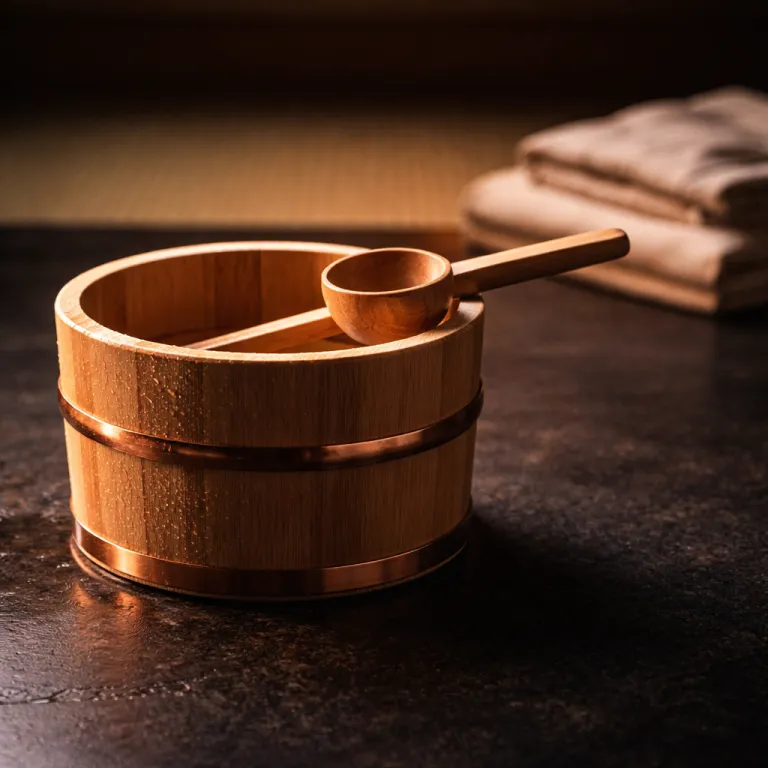
Kyoto onsen hotel retreats for refined hot spring stays
Choosing a Kyoto onsen hotel is about more than a bed; it is about entering a Japanese world of steam, cedar, and quiet ritual. In Kyoto the finest hotels and ryokan blend natural hot spring culture with polished service, giving each guest a deeply personal stay in carefully designed rooms. When you check availability, focus on how the private onsen options, open air baths, and gardens align with the way you like to travel.
Several properties located Kyoto side by side with temples and rivers now offer genuine hot spring experiences. The Mitsui Kyoto, for example, is a luxury collection address where the onsen baths draw on natural hot water and frame a landscaped garden that changes with the seasons. Suiran, a Luxury Collection Hotel in Arashiyama onsen country, pairs riverside views with private onsen terraces, so each room night feels like a secluded retreat.
Travelers comparing Kyoto onsen hotels should weigh distance to Kyoto Station against the serenity of more residential districts. A collection hotel near the station offers a short minute walk to trains and city restaurants, while an onsen ryokan in Arashiyama onsen areas trades convenience for riverside calm. With average prices around 300 USD per room night, it pays to check availability early, especially for Japanese style suites with open air baths and private onsen access.
Understanding Japanese onsen culture in Kyoto stays
Staying in a Kyoto onsen hotel means engaging with Japanese bathing culture, which is both simple and highly codified. An onsen is a Japanese hot spring bath, and in Kyoto many hotels channel natural hot springs into indoor pools and open air baths. Yes, several hotels offer private onsen baths, and these spaces are ideal for guests who prefer privacy or are new to shared bathing.
Before you step into any hot spring, you must wash thoroughly at the shower stations beside the baths. Water in Kyoto onsen pools is usually quite hot, so ease in slowly and limit your first soak to a few minutes, especially in outdoor air baths where cool air contrasts with the hot water. Most ryokan and hotels post etiquette guidelines in English, but it is wise to check with staff if you are unsure about tattoos, swimwear, or photography.
Travelers who already enjoy wellness resorts may appreciate how Kyoto onsen hotels echo refined hot spring experiences in other countries, such as the carefully curated Costa Rica hot springs resort experiences for discerning wellness travelers described in specialist guides. In Kyoto, however, the ritual is inseparable from Japanese style hospitality, from the way breakfast is served to the quiet greeting when you return from the station. When you check availability, look for properties that explain their onsen rules clearly and offer both shared and private onsen options, so every guest can relax comfortably.
Where Kyoto’s finest onsen hotels are located
Location shapes every Kyoto onsen hotel stay, influencing how you balance sightseeing with long soaks in hot springs. Properties located Kyoto central, near Kyoto Station or downtown, suit travelers who want quick access to trains, restaurants, and shopping streets. A hotel Kyoto address such as Hotel Monterey Kyoto or Super Hotel Kyoto Shijyo Kawaramachi offers onsen facilities plus a short minute walk to subway lines and bus routes.
For a quieter atmosphere, consider an onsen ryokan or collection hotel in Arashiyama onsen districts along the Katsura River. Suiran, a Luxury Collection Hotel, sits in this scenic area, combining private onsen baths with views of wooded hills and a traditional garden that feels far from the city. Guests here trade immediate station access for riverside walks, temple visits, and open air hot spring sessions under the night sky.
Other Kyoto onsen hotels, such as KKR Kyoto Kuniso or The Westin Miyako Kyoto, occupy hillside or riverside locations with landscaped gardens and extensive spa zones. These hotels often feature both indoor pools and open air baths, sometimes described as air baths when the design emphasizes the flow of fresh air around the hot water. Travelers who enjoy refined northern California hot springs resorts for restorative escapes will recognize the same emphasis on nature, but in Kyoto the architecture and Japanese style rooms create a uniquely local sense of place.
Signature Kyoto onsen hotel experiences and room types
Room selection is central to any Kyoto onsen hotel booking, especially when you want direct access to hot springs. Many luxury collection properties and traditional ryokan offer Japanese style rooms with tatami floors, sliding shoji screens, and low tables, sometimes paired with private onsen tubs on a terrace. Western style rooms are also common, and some hotels blend both styles so guests can sleep in beds while still enjoying a Japanese atmosphere.
At The Mitsui Kyoto, certain rooms and suites connect directly to onsen baths, turning each room night into a private spa retreat. Suiran in Arashiyama onsen areas is known for suites with open air baths, where natural hot water fills stone or cypress tubs overlooking a garden or riverbank. Sora Niwa Terrace Kyoto Bettei, a refined ryokan located Kyoto downtown, focuses on private outdoor onsen experiences that appeal to couples and small groups seeking seclusion.
When you check availability, pay attention to how each hotel describes its baths, since terms like air bath, open air bath, and indoor onsen can indicate different experiences. Some hotels also provide time based private onsen reservations in shared spa areas, giving guests exclusive access to hot springs without needing a dedicated in room tub. Travelers comparing options should also look at whether breakfast is included, how many rooms share each bath, and whether the hotel Kyoto location suits their planned walks from Kyoto Station or nearby attractions.
Practical booking tips for Kyoto onsen hotels
Demand for every Kyoto onsen hotel rises sharply during cherry blossom and autumn foliage seasons, so early planning is essential. Book in advance, especially during peak seasons, and use flexible dates when you check availability to secure better rates on Japanese style rooms with access to hot springs. With the average price per room night around 300 USD, small shifts in dates or room categories can significantly change the total cost of your stay.
When comparing hotels and ryokan, look beyond headline prices to understand what each rate includes. Some Kyoto onsen hotels bundle breakfast, access to open air baths, and late check out, while others charge separately for private onsen sessions or air baths with special features. Reading detailed descriptions helps you see whether a collection hotel near Kyoto Station or an onsen ryokan in Arashiyama onsen districts offers better value for your travel style.
Travelers who enjoy refined soaking experiences abroad may find it useful to consult curated guides to elegant alternatives to Glenwood hot springs hotels for refined soaks and stays, then apply similar criteria in Kyoto. Pay attention to how many rooms share each bath, whether natural hot water is used, and how the garden or terrace frames the view from the pools. Finally, always check cancellation policies carefully, as luxury collection properties and smaller ryokan can have stricter rules than standard city hotels.
Enhancing your stay with food, wellness, and etiquette
A Kyoto onsen hotel stay is as much about cuisine and quiet rituals as it is about hot water. Many ryokan and hotels serve elaborate Japanese style breakfast trays featuring grilled fish, seasonal vegetables, and local rice, which pair beautifully with a morning soak in the hot springs. Guests who prefer Western options should check in advance, as some properties offer both styles while others focus exclusively on traditional menus.
Wellness facilities at Kyoto onsen hotels range from simple indoor pools to full spa complexes with saunas, treatment rooms, and open air baths. The Westin Miyako Kyoto, for example, is known for extensive spa zones where natural hot water, air baths, and relaxation lounges create a resort like atmosphere within the city. Hotel Monterey Kyoto offers a penthouse spa that channels natural hot spring water, giving guests a sky level retreat after a busy day near Kyoto Station.
Etiquette remains central throughout your stay, from how you move through shared baths to how you interact with staff and other guests. Always wash thoroughly before entering any onsen, keep towels out of the water, and speak quietly so everyone can enjoy the calm air and garden views. Consider location proximity to attractions, and remember to check onsen etiquette before visiting, as this respect for custom is part of what makes a Kyoto onsen hotel experience feel genuinely Japanese.
Key statistics for Kyoto onsen hotel planning
- Number of onsen hotels in Kyoto : 10 hotels currently offer onsen style facilities, ranging from luxury collection properties to traditional ryokan.
- Average price per night : around 300 USD per room night for Kyoto onsen hotels, with higher rates for suites that include private onsen or open air baths.
Essential questions about Kyoto onsen hotels
What is an onsen?
An onsen is a Japanese hot spring bath.
Are there private onsen in Kyoto?
Yes, several hotels offer private onsen baths.
Do I need to book onsen hotels in advance?
Yes, especially during peak travel seasons.
Trusted sources for further research
- Japan National Tourism Organization (JNTO)
- Kyoto City Official Travel Guide
- Japan Ryokan and Hotel Association