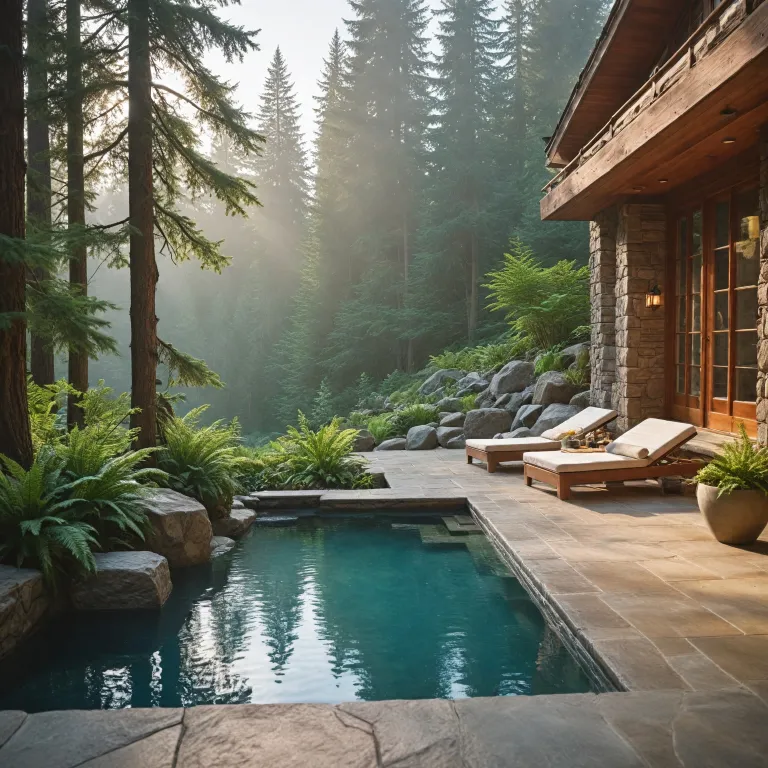
Luxury perspectives on a hot springs resort in Washington
Planning a refined escape to any hot springs resort Washington offers begins with understanding how expectations differ between Western spa culture and Japanese onsen traditions. For travelers used to Japanese hot spring inns, the first priority is usually quiet natural surroundings, seamless access to the baths, and a room that feels like a private sanctuary rather than a standard resort unit. When you evaluate each resort, focus on how closely its hot springs experience mirrors the contemplative rhythm of an onsen stay.
In Washington, the most established names include Sol Duc Hot Springs Resort, Carson Hot Springs Resort, and several rustic natural hot spring sites managed with strict visitor limits. Each of these springs resorts blends geothermal water with forest, river, or mountain scenery, yet the level of service and privacy varies widely between properties. Guests who usually book premium ryokan style stays in Japan will want to check whether a resort offers quiet soaking zones, a hot tub or therapy pool reserved for adults, and dining that respects slow, unhurried evenings.
Carson Hot Springs Resort is known for its historic bathhouse, where vintage tubs are filled with mineral spring water for individual soaks. Sol Duc Hot Springs Resort, set deep in the forest, combines several shared pools of different temperatures with a classic national park lodge atmosphere. When you compare each hot springs resort Washington provides, consider whether you prefer a more social scenic hot springs setting or a retreat that echoes the intimate pace of a Japanese inn.
Translating Japanese onsen standards to Washington hot springs
Travelers loyal to Japanese hot spring inns often judge any hot springs resort Washington presents by three pillars ; water quality, atmosphere, and etiquette. Natural hot springs in Japan are usually celebrated for clarity, mineral balance, and the way the water feels on the skin, so it helps to research how each Washington resort describes its spring source. At Carson Hot Springs Resort, for example, the historic bathhouse channels mineral water directly into deep tubs, creating a private soak that feels closer to an onsen than a typical hotel spa.
Sol Duc Hot Springs Resort, by contrast, emphasizes shared pools and a family friendly layout, which can be ideal for visitors who enjoy a more social soak after a hike. The resort’s location inside a forested valley means that steam from each hot spring pool rises into cool air, a sensory contrast similar to open air rotenburo baths in Japan. When you book this type of springs resort, it is worth checking whether quiet hours are enforced and how many visitors the pools typically host at peak times.
Goldmyer Hot Springs, managed as a natural hot springs sanctuary, limits daily visitors to protect both the environment and the soaking experience. This approach resonates strongly with travelers who value the restrained, almost monastic atmosphere of traditional Japanese inns. If you are used to detailed etiquette rules in Japan, you will find that Washington resorts are more relaxed, so you may wish to maintain your own standards of pre soak washing and calm conversation to preserve the mood.
Room, tub, and access expectations for premium guests
Guests who usually stay in luxury Japanese hot spring inns tend to expect a room that frames the landscape as carefully as any onsen bath. When assessing a hot springs resort Washington side, look for rooms that offer direct access to nature, whether through balconies facing a river gorge, forest views, or short paths leading to a private hot tub. The closer your room sits to the water, the easier it becomes to recreate the unhurried rhythm of multiple soaks throughout the day.
At Carson Hot Springs Resort, many visitors appreciate the vintage claw foot tub rooms, where spring water is piped directly into deep baths for individual use. This arrangement allows you to soak without crossing public corridors in a robe, which feels more aligned with the privacy of Japanese inns than a standard shared therapy pool. Before you book, check whether your chosen room category includes in room soaking options or only grants access to communal pools.
Sol Duc Hot Springs Resort focuses more on shared pools and proximity to forest trails than on in room tubs. Here, the luxury lies in the ability to hike through old growth forest, then return for a restorative soak in mineral water while mist gathers over the surrounding springs Olympic landscape. When comparing options, consider whether you prefer a bay resort style layout, a riverside retreat along the Wind River or Columbia River, or a more secluded setting that echoes the quiet of the San Juan Islands and Orcas Island lodgings.
Designing an itinerary that balances hike, soak, and scenic hot springs
For travelers who love Japanese onsen towns, the ideal hot springs resort Washington itinerary alternates gentle activity with long, reflective soaks. Many of the most appealing springs resorts sit near trailheads, so you can plan a morning hike followed by an afternoon in a hot tub or therapy pool. This pattern mirrors the way Japanese guests often walk through mountain villages or forest paths before returning to their inn for evening baths.
Sol Duc Hot Springs Resort is particularly well suited to this style of travel, as trails lead directly from the property into dense forest and toward waterfalls. After a few hours on the trail, slipping into a hot spring pool feels like a reward, especially when cool air meets the rising steam from the water. Guests who value quiet may wish to check pool schedules and conditions in advance, timing their visit for early morning or late evening when fewer visitors are present.
Carson Hot Springs Resort, located near the Columbia River and Wind River, allows guests to pair riverside walks with private tub sessions in the historic bathhouse. Those who enjoy more rustic natural hot springs might also research access controlled sites where daily visitor numbers are capped, ensuring a calmer atmosphere. Whether you stay near the mainland or extend your journey toward the San Juan region, including Orcas Island and the broader Juan Islands area, aim for an itinerary that respects both your body’s pace and the fragile ecosystems surrounding each spring.
Booking strategies for luxury minded visitors to Washington springs
For travelers accustomed to meticulous service at Japanese hot spring inns, the way you book a hot springs resort Washington side can significantly shape your stay. Properties such as Carson Hot Springs Resort and Sol Duc Hot Springs Resort often operate with seasonal patterns, so it is essential to check opening dates, pool maintenance schedules, and weather related conditions before confirming flights. Make reservations in advance, especially for resorts with limited capacity like Goldmyer Hot Springs.
When you book, pay close attention to room descriptions, as the word “resort” in Washington can cover everything from rustic cabins to full service lodges. If a private hot tub, in room tub, or guaranteed access to a quieter therapy pool matters to you, contact the property directly to confirm these details. Operating hours vary ; it's recommended to check their official website for the most current information.
Sol Duc Hot Springs Resort typically operates seasonally ; please refer to their official website for specific dates. Reservations can be made through their official website, and it's advisable to book well in advance due to limited daily capacity. Luxury focused visitors should also consider travel logistics, including whether a car is required to reach more remote springs Olympic areas, how long it takes to drive through the Columbia River gorge, and whether ferry schedules align with any side trips to Orcas Island, Doe Bay, or other San Juan and Juan Islands retreats.
Adapting Japanese onsen etiquette to Washington hot springs culture
One of the most subtle challenges for guests who love Japanese hot spring inns is adapting etiquette to each hot springs resort Washington offers. In Japan, rules around washing before entering the water, keeping towels out of the tub, and maintaining quiet conversation are explicit, while in Washington they are often implied rather than posted. To preserve the refined atmosphere you value, it helps to carry your own standards into every hot spring, whether at a large resort or a small natural pool.
Before entering any hot springs or therapy pool, rinse thoroughly in the shower area if available, or at least pour water over your body using provided buckets. This habit keeps the water cleaner for all visitors and aligns with the respect shown in Japanese baths. When you soak, avoid submerging your head, keep voices low, and treat the surrounding forest, river, or bay resort landscape as part of the experience rather than a backdrop for loud conversation.
In more rustic settings, such as natural hot springs near the Wind River or Columbia River, etiquette extends to environmental care. Pack out all waste, stay on marked paths to protect fragile soil around each spring, and respect any limits on visitor numbers or soak times. Whether you are relaxing in a hot tub at Carson Hot Springs Resort, easing into the mineral pools at Sol Duc Hot Springs Resort, or contemplating a quiet moment near Doe Bay on Orcas Island in the San Juan and wider Juan Islands region, carrying onsen inspired manners will enhance both your stay and the landscape’s long term health.
Key statistics for planning a refined Washington hot springs escape
- Carson Hot Springs Resort has been welcoming guests for well over a century, reflecting a long tradition of mineral water bathing in the Columbia River gorge region.
- Sol Duc Hot Springs Resort traces its origins to the early twentieth century, anchoring the development of hot spring tourism in the forested valleys now associated with springs Olympic landscapes.
- Goldmyer Hot Springs limits daily visitors to around twenty people, preserving both the natural hot springs environment and the quiet soaking experience valued by wellness focused travelers.
Essential questions for visitors considering a Washington hot springs resort
How far in advance should I book a Washington hot springs resort stay ?
For popular properties such as Sol Duc Hot Springs Resort and Carson Hot Springs Resort, it is wise to book several months ahead for peak seasons, especially if you want specific room types with private tubs or preferred views. Natural hot springs with strict visitor caps, such as those managed by nonprofit organizations, often require reservations even earlier. Planning ahead ensures better access to ideal soak times, more choice in room categories, and smoother coordination with ferry or car travel to areas like the San Juan and Juan Islands.
What should I check before visiting a natural hot spring in Washington ?
Before you visit any natural hot spring, verify current access conditions, including road closures, trail status, and any temporary restrictions on soaking due to environmental concerns. It is also important to check water temperature ranges, safety advisories, and whether clothing, footwear, or specific etiquette guidelines are recommended. Responsible visitors respect posted rules, carry out all waste, and remain flexible, understanding that protecting fragile hot springs ecosystems sometimes means reduced access or shorter soak times.
Can a Washington hot springs resort experience feel similar to a Japanese onsen stay ?
While cultural contexts differ, a carefully chosen hot springs resort Washington side can echo many qualities of a Japanese onsen stay, especially if you prioritize quiet locations, high quality mineral water, and respectful etiquette. Selecting rooms with direct access to nature, planning a rhythm of hike and soak, and maintaining your own standards of calm behavior will bring the experience closer to what you enjoy in Japan. Historic properties with private tubs filled from a natural hot spring source often provide the most familiar atmosphere for guests who cherish traditional Japanese hot spring inns.